_1764041963888.webp)
Is Yellow Peach Powder Perfect for Bakery Innovations?
Jun 14, 2026
Yellow peach powder is a great way for bakeries to come up with new ideas because it has the real fruit taste, natural coloring, and useful nutrition all in one ingredient. As more people want to buy goods with clean labels, this concentrated powder, which is full of peach polyphenols and natural vitamins, gives bread companies an edge. It dissolves easily in water, stays stable for a long time, and can be used in many different ways. These qualities make it perfect for modern baking recipes that want to be indulgent without sacrificing taste or texture. The ingredient fits nicely with current market trends that value honesty and wellness in product creation.
Understanding Yellow Peach Powder and Its Role in Bakery Innovations
As time goes on, the baking industry keeps moving toward products that meet both taste and nutrition needs. Within this context, fruit-based products have become very popular among formulators who want real tastes along with health benefits.
What Makes This Ingredient Unique in Bakery Applications
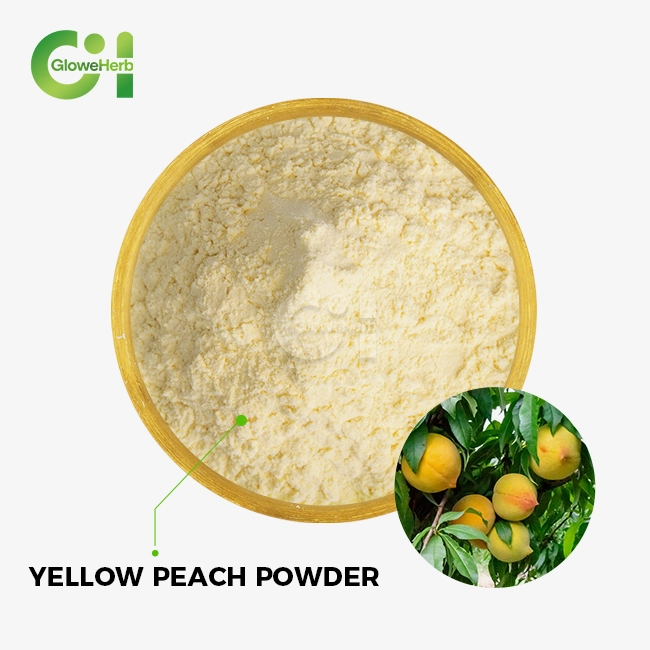
This natural Yellow peach powder combines the fruit's essential properties into a stable, easy-to-handle form. It is made by using advanced plant extraction methods on carefully chosen ripe peaches. Unlike fresh fruit or purees, which can have different amounts of wetness, the powdered form stays the same from batch to batch. The process of extracting peaches keeps the bioactive substances called polyphenols, which have antioxidant properties, at amounts that meet specifications (up to 99%). This is confirmed by thin-layer chromatography testing methods that guarantee quality and purity.The powder has a regular light yellow to orange-yellow color and particles that are usually between 80 and 120 mesh, which makes it easy to spread evenly in dough and batter. It dissolves easily in water and can be easily added to a variety of baking ingredients. It can also dissolve slightly in ethanol, which makes it more useful in certain recipes. This dual solubility property sets it apart from ingredients that are only hydrophobic or hydrophilic, giving formulators more options.
Nutritional and Functional Benefits for Bakery Products
Peach fruit naturally has a lot of good things for you in it, like vitamins A and C, potassium, fiber, and minerals like iron, calcium, and sodium. These nutrients stay concentrated in good powder mixes. When these ingredients are added to baked goods, they improve the nutritional value without adding anything artificial. Dietary fiber especially supports claims that it is good for digestive health, which is something that health-conscious customers value more and more. Besides being healthy, the powder changes the qualities of baked goods in measured ways. Its natural sugar content speeds up the browning process during baking, which helps the crust get a nice color. The fibers help keep the wetness in the product, which could make it last longer and stay fresh longer. These are important factors in business bakeries where cutting down on waste has a direct effect on profits. Natural acidity in peach chemicals can react with leavening systems, so recipe developers have to make changes. This could make them less reliant on manmade acidulants.
Comparing Yellow Peach Powder with Alternative Peach Ingredients for Bakery Use
When bakery workers want to add peach flavor to their recipes, they have a lot of choices. When you know the differences between ingredient forms, you can make smart buying choices that meet the needs of your company and your target market.
Processing Methods and Their Impact on Ingredient Functionality
Different ways of handling peaches lead to different types of peach ingredients. When water is evaporated from juice concentrates, stronger liquid tastes are created that add a lot of moisture to recipes. Dried peach pieces still have a woody structure, but they need to be rehydrated or chopped, which adds more steps to the processing. Flavor chemicals, whether they are natural or nature-identical, give food taste without the health benefits or clean-label draw of fruit. To get high-quality Yellow peach powder from plants, the whole fruit has to be dried out and then ground up carefully. Modern methods like freeze-drying and spray-drying keep heat-sensitive chemicals safe while lowering the moisture level to less than 5%. This stops microbes from growing and increases the shelf life without using stabilizers. This way of preparing keeps the fruit's whole nutritional structure instead of just separating certain parts. The result is an ingredient that gives you all the benefits of fruit. Testing methods show that different types of ingredients have different levels of quality. Thin-layer chromatography proves the presence and concentration of certain bioactive chemicals, giving more objective quality measures than just judging by smell. Products that meet strict requirements are more consistent, which lowers the chance of recipe variations and helps ensure consistent production results.
Cost Considerations and Market Positioning
Ingredient cost analysis looks at more than just unit prices; it also looks at how well the ingredients work and how much the customer thinks they are worth. Even though concentrated tastes may seem cheap per kilogram, the fact that they aren't used very often and don't add much to your health makes them less valuable overall. Whole fruit products are more expensive, but they are worth it because they can be used for more than one thing: taste, coloring, improving nutrition, and making the label look cleaner. Organic approval is another thing that sets you apart. Certified organic peach ingredients can reach high-end customers who are willing to pay more for products that have been made according to strict standards. But organic approval adds complexity to the supply chain and costs money, which sellers must weigh against the needs of their target market and how sensitive they are to price. Products with ISO9001, Kosher, Halal, FDA, and GMP certifications show that they have been thoroughly checked for quality, which makes them appealing to buyers who serve a wide range of markets with different legal requirements. Minimum order numbers have a big effect on how buying strategy is used. Suppliers who are flexible, like those who require a minimum order of 1 kg, let product development teams do tests without having to spend a lot of money. This ease of access helps the creation process by letting formulators test ideas before making larger batches, which are usually packed in 25 kg drums for business use.


Incorporating Yellow Peach Powder into Bakery Innovations: Application and Recipe Ideas
To turn the promise of ingredients into real bakery goods, you need to know the best way to use them and how to apply them so that they have the most sensory effect while still being efficient.
Recommended Dosage and Blending Techniques
Depending on the type of product and level of flavoring wanted, Yellow peach powder is usually added at rates ranging from 2% to 8% of the total flour weight. Products with peach as the main flavor note should have stronger flavor profiles, while minor additions should go well with other flavor components. The powder's small particles make it easier for it to be evenly distributed when dry-blended with flour and other dry ingredients before liquid is added. This keeps the powder from sticking and makes sure that the taste is the same all the way through the finished product. Because it is water-soluble, powder can be pre-hydrated in ways where it mixes with some formula water before being mixed. This method works especially well for high-moisture foods like muffins and quick breads, where even flavor spread makes the food taste better to the customer. Because ethanol doesn't dissolve completely, flavor-enhancer methods can be used with small amounts of spirits in high-end adult goods. However, most bakeries use water-based systems. When adding new ingredients, compatibility testing is still very important. Peach powder reacts with other ingredients in the recipe. For example, acids may bring out the fruity notes, and some fats may change how the powder spreads. Systematic trials find the best pairings, showing whether they work well together or could pose problems before they are mass-produced.
Innovative Bakery Formulations Showcasing Peach Powder
Product designers have successfully added this ingredient to a wide range of bakery goods. Layer cakes with peach taste look nice because they have natural golden colors, and the fruit flavor is true without any chunks of fruit changing the structure. Muffin recipes gain from moisture-retention traits that keep the muffins fresh for a long time. Artisan bread bakers use small amounts to make flavors that are unique and set their goods apart in markets where competition is high. Adding fruit powder to gluten-free baked goods is especially helpful. These recipes often have trouble with taste development and textural issues that come with using different grain types. The fiber in the powder helps give things structure, and the natural sugars in it help things that might otherwise look pale brown. Nutritional improvement fits with the health-focused messaging that is widespread in gluten-free categories and makes the product more appealing overall. Cookies and biscuits use the powder's coloring power to make naturally colored goods that don't use artificial dyes. Adding powder to both the dough and the filling of filled cookies makes the peach flavor stronger by creating layers of flavors that go well together. Variations on shortbread create complex flavor profiles that appeal to high-end consumers looking for new taste experiences.
Quality Control and Storage Recommendations
Keeping the quality of ingredients high while they are being stored and handled saves investments and makes sure that production results are always the same. Powder should be kept in cool, dry places out of direct sunlight, with containers that are tightly sealed to keep out wetness that could cause it to harden or break down. Material that is kept properly keeps its quality for a long time, but keeping track of lot numbers and using first-in, first-out inventory management keeps it freshest. When developing purchase specifications, it's important to keep allergens in mind. Since peach powder comes from tree fruits, it may cause problems in people who are sensitive to stone fruits. Cross-contamination control during production and clear allergy labels keep consumers safe while meeting government standards. Comprehensive allergy management programs benefit from suppliers who give thorough allergen statements and details about the production site.
Procurement Guide for Yellow Peach Powder: What B2B Buyers Should Know
Strategic choices about buying have a direct effect on the success of product development and the efficiency of operations. Systematically evaluating suppliers makes sure that partnerships offer uniform quality, a steady supply, and fair business terms.
Evaluating Supplier Credentials and Manufacturing Capabilities
Certification files are the first signs that a seller is reliable. ISO9001 certification shows that a quality management system is being used, and Halal and Kosher certifications show that religious food rules are being followed, which is important for goods that are aimed at these groups of people. FDA registration and GMP compliance show a dedication to food safety standards that are accepted in all foreign markets. This makes exporting easier and lowers the risk of regulatory problems. In addition to certifications, the ability to manufacture is what determines the sustainability of a relationship. OEM and ODM service providers help with product development, offer recipe advice, and offer private-label manufacturing, all of which speed up the time it takes to get into a market. Full-process support, from idea to production, packaging, and shipping, makes the supply chain less complicated. This is especially helpful for new brands that don't have a lot of technology resources. Another important rating factor is the freedom of production. Businesses can grow without switching partners as long as their suppliers can handle both small-batch customization and large-scale production. This scalability helps with product launch plans that need small batches at first to test the market before investing in the supplies needed for full-scale production.
Understanding Pricing Structures and Logistics
Wholesale prices change based on the size of the order, the specifics needed, and the terms of delivery. Understanding Incoterms like FOB, CIF, CFR, EXW, DAP, and DDP makes it clear who is responsible for what costs, which affects how much something costs and how to plan your budget. Suppliers who offer more than one shipping term give businesses with different operating methods and levels of experience the freedom to trade internationally. The choice of shipping way strikes a balance between cost and time constraints. For established goods with steady demand, sea freight is the most cost-effective way to move large amounts of them. On the other hand, air freight helps with quick restocking or the start of new products that need to get to market quickly. Express services can handle packages of samples and small, pressing orders, but the high prices make them less useful for regular use. By comparing the total final cost of different shipping options, you can find the best way to handle different order situations. Payment terms affect both managing cash flow and how relationships work. For many providers, bank transfer (T/T) is the best way to pay because it is safer and costs less to process than credit card payments or letters of credit. By negotiating payment plans that work with your business, like deposits with the rest due upon shipment or delivery, you can get the most out of your working capital and give your sellers a good sense of security. Availability of stock and speed of delivery are what set providers apart in markets with lots of competition. Partners who keep enough goods on hand can quickly fill orders, cutting down on lead times that limit the freedom of Yellow peach powder production schedules. Fast, safe shipping backed by experienced logistics networks lowers the risk of damage and supply delays that stop production.
Future Trends and Strategic Advantages of Using Yellow Peach Powder in Bakery Innovations
As the market changes, it opens up possibilities for manufacturers who can predict what customers will want and place their product lines properly. Several trends are coming together to support using natural fruit ingredients in baking.
Clean-Label Movement and Transparency Demands
People are becoming more skeptical about manmade additives, which is driving demand for goods with clear ingredient lists. Surveys of the food business show that 73% of U.S. customers actively look for foods with ingredients they know and recognize. Fruit powders meet this need, letting companies switch from fake tastes and colors to ones with only one ingredient, which makes labels easier to read and improves nutritional profiles. Transparency goes beyond ingredient labels and includes how the ingredients are sourced and how the products are made. When brands say they can track their products from the farm to the finished product, it builds trust with customers, which leads to brand loyalty and the ability to charge higher prices. These openness efforts are supported by suppliers who provide specific information about where the goods come from, how they were extracted, and quality tests. This builds on brand stories about authenticity and integrity.
Technological Advancements Enhancing Ingredient Performance
Yellow peach powder with better functional and sensory traits is made possible by changes in processing technology. Modern drying methods limit the amount of heat that fruit is exposed to, protecting the volatile aromatic substances that give fresh fruit its strong taste. Optimizing particle size through controlled milling creates dispersion properties that work well for different uses, like when you need quick solubility in cold systems or slow release in baked matrices. New encapsulation technologies in ingredient science protect delicate chemicals during processing and storage, which could mean they can be used in tough conditions like high-temperature baking or long-term keeping at room temperature. Even though they make things more complicated in terms of costs, these new ideas open up premium positioning possibilities for brands that can set themselves apart by offering better quality or new forms.
Sustainability Considerations Influencing Procurement Decisions
Concern for the environment is becoming more and more important in the buying choices of everyone in the supply chain. Fruit powders naturally support environmental goals because they use whole fruit, which means less waste than juice extraction, which throws away the pulp. Fresh or frozen fruit that needs to be kept cold during distribution has a bigger effect on the environment than concentrated forms. Suppliers that show they care about the environment by using green energy, saving water, or starting programs to cut down on waste are appealing to brands that make sustainability a core value. These actions create content for marketing materials and might make goods eligible for certifications that focus on sustainability, which can give them access to special lines of sales or retailer programs.
Conclusion
For bakery companies looking for innovation, clean-label branding, and nutritional improvement, Yellow peach powder offers strong value propositions. Its rich fruit benefits, ability to serve many purposes, and compatibility with consumers' tastes for natural ingredients make it an important part of innovative formulation strategies. For execution to go well, you need to know how to use the ingredient, how to evaluate sources, and how to carefully incorporate it into larger product development goals. The powder's natural coloring, ability to keep moisture in, and true taste profile all work together to solve multiple formulation problems at once, making ingredient lists easier to use while improving sensory experiences. As the bakery market gets more competitive, using high-quality natural products to set your business apart can give you long-term benefits that appeal to health-conscious customers who want to treat themselves without giving up anything.
FAQ
What specific health benefits does peach powder provide in bakery products?
The vegetable provides rich vitamins A and C, which help the immune system and skin health. It also provides potassium, which is good for heart health, and dietary fiber, which is good for digestion. Polyphenols in peaches are antioxidants that fight reactive stress. Some vitamins change when they are baked because of the heat, but the fiber and minerals stay the same, giving final goods a lot of nutritional value. By adding fruit powders, companies can make nutritional claims that set their goods apart in health-focused markets.
How does powder compare with other peach ingredients regarding cost and quality?
Whole fruit powders are more expensive than juice concentrates or fake tastes, but they have more uses than just flavoring. They can also be used to add color and nutrients, which could lower the total cost of the formula. Quality requirements, such as the amount of polyphenols, the testing method, and the list of certifications, are closely linked to consistent performance and following the rules. Real economic value can be found by looking at cost-per-function instead of simple unit pricing, especially when customer willingness to pay more for clean-label goods is taken into account.
Are there allergen concerns with peach powder in commercial production?
The peach is a tree fruit in the Rosaceae family. People who are allergic to stone fruits or who have mouth allergy syndrome because of birch pollen may have reactions to peaches. Commercial bakeries must have allergy control programs in place to stop cross-contamination and make sure that their labels are correct. Suppliers should give allergy statements that explain how the production site works so that risks can be evaluated. Compared to top-eight allergens like tree nuts, peach sensitivity is still not very common, but people who are sensitive to them should still take the right precautions.
Partner with a Trusted Yellow Peach Powder Manufacturer
BioSpark is ready to help your bakery's innovation efforts with high-quality peach powder backed by strict quality control and full technical support. As a seller with a lot of experience working with nutraceutical companies, dietary supplement brands, and functional food makers all over North America, we know what it takes to make healthy products. Our Yellow peach powder, which is regulated to contain 99% peach polyphenols using proven thin-layer chromatography methods, works the same way every time. It is made in a way that meets ISO9001, GMP, FDA, Kosher, and Halal standards. We know that for a partnership to work, it needs more than just providing ingredients. It also needs recipe advice, flexible buying that can work for both development-stage trials and commercial-scale production, and open communication throughout the relationship. Our OEM and ODM services help with the whole process, from ideation to delivery, and we offer a range of shipping choices and delivery terms to suit your needs. We make sure that shipping is quick and safe, and we keep enough goods on hand to keep lead times from affecting your production schedule to a minimum. Our team would love the chance to talk with you about your unique needs, whether you need small numbers to test ideas or a long-term partner for mass production. BioSpark's Yellow peach powder for sale can help you expand your product line and become more competitive in the changing baking market. Email us at leao@biosparkcn.com to learn more.

References
1. Johnson, M. & Williams, R. (2022). "Natural Fruit Powders in Commercial Baking: Functional Properties and Application Guidelines." Journal of Food Science and Technology, 59(4), 1432-1445.
2. Chen, L., Peterson, S. & Anderson, K. (2021). "Peach Polyphenols: Extraction Methods, Stability, and Health Benefits." International Journal of Food Sciences and Nutrition, 72(3), 289-302.
3. Roberts, D. (2023). "Clean Label Trends in North American Bakery Markets: Consumer Preferences and Formulation Strategies." Food Industry Research Quarterly, 18(2), 67-81.
4. Martinez, P. & Thompson, H. (2022). "Comparative Analysis of Fruit-Based Coloring Agents in Bakery Applications." Food Additives and Ingredients Journal, 31(6), 512-528.
5. Zhang, Y., Kumar, A. & Stevens, B. (2021). "Moisture Retention and Shelf Life Extension Using Natural Fruit Fibers in Baked Goods." Cereal Chemistry and Baking Science, 98(5), 1023-1037.
6. Wilson, E. & Chang, M. (2023). "Procurement Best Practices for Natural Ingredients: Quality Assessment and Supplier Evaluation in the Nutraceutical Industry." Supply Chain Management in Food Manufacturing, 14(1), 45-62.

Send Inquiry
Related Industry Knowledge
- Could Cowpea Powder Enhance Protein-Rich Product Lines?
- How does gardenia fruit powder support digestive health?
- Why Is Red Bean Extract Used in Traditional Medicine?
- How Do Indian Herbal Extracts Support Natural Detoxification?
- Is Echinacea Extract Powder the Best Immune Herbal Extract?
- Coconut Milk Extract Powder: Benefits & Applications Guide
- Why Choose Saffron Extract Powder 10:1 for Daily Wellness?
- Radix Rehmanniae Extract in Traditional Herbal Medicine
- How Does Pure Corn Extract Powder Support Antioxidant Defense?
- Top 8 Health & Industry Benefits of Oyster Shell Extract Powder