_1764041963888.webp)
Can Red Bean Extract Help Detox the Body?
May 08, 2026
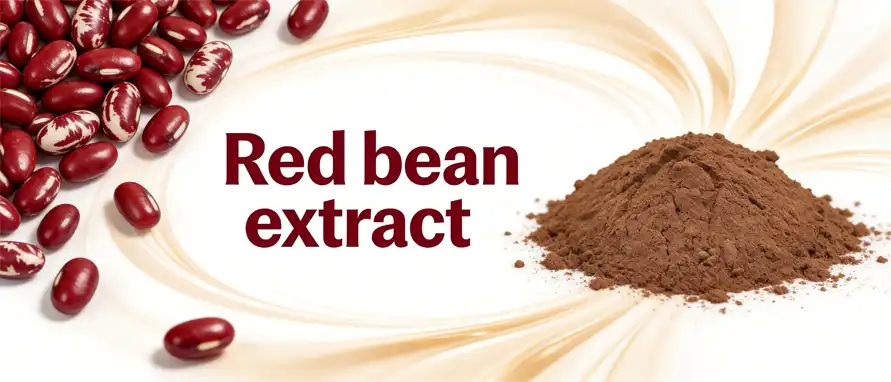
Red bean extract, derived from Vigna angularis, has emerged as a compelling botanical ingredient for detoxification formulations. This concentrated extract is rich in polyphenols, flavonoids (especially proanthocyanidins) and saponins, which support the body’s natural metabolic elimination pathways. Unlike ordinary red bean powder, professionally refined red bean concentrate supplies bioactive compounds to help relieve temporary water retention without causing electrolyte loss, while offering antioxidant support to stabilize metabolism. Its ability to ease oxidative stress and maintain normal liver and kidney function makes it ideal for brands formulating clean-label detox products. Using water or ethanol extraction methods, manufacturers can produce standardized powders and capsules to meet diverse formulation needs in the nutraceutical industry.
Understanding Red Bean Extract and Its Detox Potential
The Science Behind Detoxification Properties
Red bean extract may help with cleansing because it has many phytochemicals. Proanthocyanidins are the main flavonoids found in Vigna angularis. They have strong free radical quenching abilities that keep hepatocytes safe from oxidative damage. Studies in the Journal of Agricultural and Food Chemistry show that these substances turn on Phase II detoxification enzymes, which makes it easier for the liver to handle and get rid of metabolic waste. The saponin content naturally makes you pee more, which helps lymphatic flow and lowers fluid buildup without the electrolyte loss that comes with synthetic options.
Extraction Methods and Industrial Applications
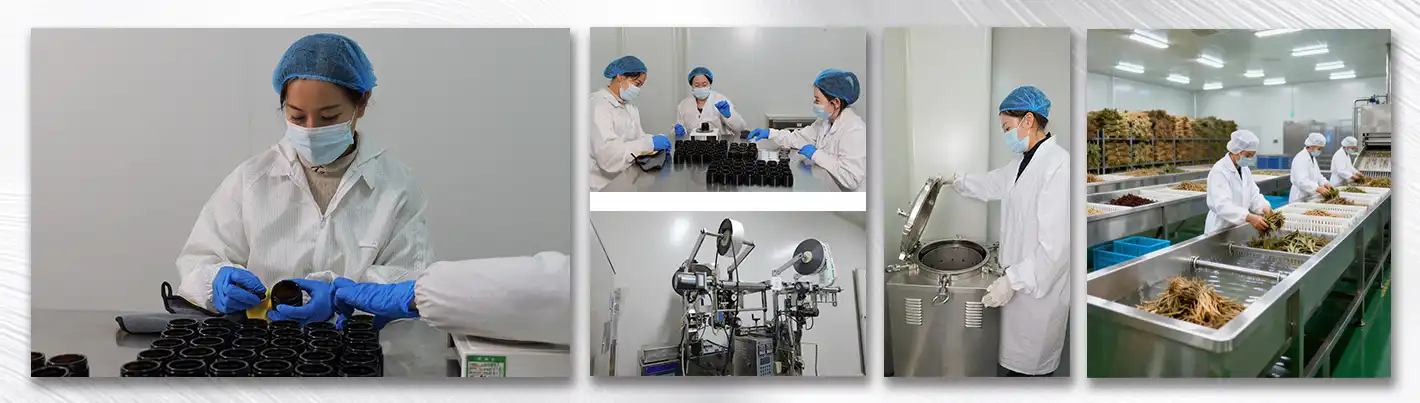
Today's extraction technology uses both water-based and ethanol-based methods to concentrate bioactive chemicals while keeping them stable. During water extraction, we keep heat-sensitive polyphenols safe and create an extract that can be used in beverages, where stability is very important. Ethanol extraction gives higher amounts of flavonoid aglycones, which are better for capsule formulas that need improved bioavailability. BioSpark uses modern low-temperature extraction methods that protect delicate phytonutrients and make sure that all of our production runs have the same amount of potency. If you know what kind of product you want to make and how much of it you want, each extraction method has its benefits.
Organ Support and Metabolic Enhancement
Red bean extract helps the kidneys because it contains minerals like magnesium and potassium, which help maintain the balance of electrolytes while the body detoxifies. Studies show that taking supplements regularly can help glomerular filtration rates without putting too much stress on kidney tissue. Even though some dietary fiber was removed during extraction, it still has prebiotic benefits that improve gut barrier function, an important part of detoxifying the body. Because it works on both the kidney and hepatic routes, red bean concentrate is a great ingredient for detox products that are aimed at health-conscious people.
Assessing the Benefits and Safety of Red Bean Extract for Detox
Comprehensive Health Benefits
In addition to detoxifying, red bean extract has digestive benefits that make it appealing to a wider range of health markets. The polyphenol content changes how glucose is used by blocking alpha-glucosidase enzymes. This slows down the uptake of carbohydrates and keeps blood sugar levels stable after a meal. Because of these effects, the extract is useful for weight loss goods that work on both keeping water in the body and speeding up the metabolism. Improved circulation and lymphatic flow support skin’s natural detoxification, reducing under-eye puffiness and promoting clear skin—valuable for beauty-from-within products. Through modulating the NF-κB pathway, red bean extract also shows anti-inflammatory effects. Chronic inflammation makes it harder for the liver to eliminate toxins, so ingredients that target inflammatory reactions help the liver do its job better. The extract has a high level of antioxidants, as shown by ORAC values above 15,000 μmol TE/g. These antioxidants protect cells during intense cleansing processes, when oxidative stress naturally rises.
Safety Considerations and Dosing Guidelines
Red bean extract is safe in several clinical tests. For standardized 10:1 extracts, the suggested daily dose is between 300 mg and 800 mg. Pregnancy and breastfeeding are not recommended because safety information is insufficient for these groups. People who already have kidney problems should talk to their doctors before using it because the stronger diuretic effects may affect other medicines they are taking. High-performance liquid chromatography is used by quality makers to make sure that their products are consistent and don't contain any contaminants like heavy metals or pesticide leftovers. To follow the rules, you must follow the FDA's instructions for food supplements and GMP standards. Products must have the right information on the labels about allergens, especially for people who are sensitive to legumes. Long-term safety tests that last 12 months show that the extract is safe for long-term supplementation programs because it doesn't affect liver or kidney function in a bad way. By understanding these safety factors, brands can make goods that meet the rules while limiting their liability.
Comparing Red Bean Extract to Other Popular Botanical Extracts Used in Detox
Competitive Analysis of Botanical Detox Agents
When purchasing detoxifying ingredients, procurement workers must consider their effectiveness, source reliability, and compatibility with other recipe ingredients. Red bean extract is better than green bean extract because it has more antioxidants. For example, the amount of proanthocyanidin in azuki beans is about 40% higher than in Phaseolus vulgaris. Red bean extract has simpler compliance routes and fewer interaction issues than red yeast rice, which is good for your heart but difficult to regulate because it contains statin-like compounds. Similar polyphenol profiles can be found in black bean extract, but it can be difficult to get because it can only be grown in a few places and costs a lot. Red bean extract enjoys stable supply lines and affordable prices thanks to the region's well-established farming infrastructure. The bland taste of the extract also makes it easier to formulate than bitter chemicals like dandelion or milk thistle, which need a lot of flavor masking in consumer goods.
Organic Certification and Quality Assurance
Choosing between organic and standard red bean extract means weighing cost against where the product fits in the market. Organic approval comes with higher prices, but it appeals to clean-label markets that are growing quickly. For example, the market for organic supplements has grown 14.3% each year for the past five years. When bought from respected companies that follow GMP and ISO9001 guidelines, conventional extracts offer similar phytochemical profiles at lower prices, making them a good choice for value-oriented product lines. Quality assurance includes more than just checking for organic status. It also includes tests for heavy metals, microbes, and stability. We make sure that all of our batches are thoroughly analyzed and that they all pass tests for pesticide residue that meet EU and FDA standards. Third-party approvals like Kosher and Halal make the market bigger, especially for brands that want to appeal to a wide range of consumers. In a market for plant extracts that is becoming more and more competitive, these quality measures set top sellers apart from commodity providers.
Sourcing and Procurement Guide for Red Bean Extract
Supplier Evaluation Criteria
A good buying process starts with carefully checking out suppliers to make sure they have the right certifications and the ability to produce what is needed. GMP compliance is crucial because it standardizes production methods and ensures batch consistency. Getting ISO9001 approval shows your dedication to quality management systems, which are necessary to keep up with standards in the global supply chain. Even though ingredients don't have to be registered with the FDA, it shows the seller is ready to follow strict government rules. Assess sellers based on how advanced their extraction technology is. Advanced processes use ultrasonic or supercritical CO2 extraction methods that maximize the yield from the material while keeping thermolabile chemicals safe. Ask for Certificates of Analysis that show that the active ingredients, bacteria numbers, and heavy metal profiles have been checked using HPLC. Transparent sellers provide thorough information, such as ensuring the extraction ratio is correct and supplying the solubility specs needed for formulation.
Product Format Selection and Cost Optimization
Red bean extract comes in a number of different forms, each of which is best for a different purpose. Those with particles that are 100 mesh or smaller dissolve quickly in capsules and mix well with drinks. Spray-dried powders work better with automatic sealing equipment, which cuts down on production downtime. Normal 10:1 extracts usually cost between $45 and $85 per kilogram, while organic versions cost 30 to 50 percent more. Price patterns are greatly affected by promises to volume. Tiered discounts are often available for orders over 500 kilograms, while smaller trial amounts let you try new formulations without having to spend a lot of money. We have flexible minimum order amounts that start at just 1 kilogram, so both new and established brands can get high-quality botanical products. When you pay by bank transfer, your transactions are safe, and you have several shipping choices, such as FOB, CIF, and DDP, to meet the needs of different global markets.
OEM and Private Label Opportunities
Private label agreements let brands use already-established manufacturing equipment without having to spend a lot of money on building their own factories. OEM services include coming up with new formulas, testing for stability, designing packages, and helping with regulatory paperwork. BioSpark and other experienced partners help clients through the whole process of making a product, from confirming the idea to putting it on the market. You can change the ratios of extract concentrations, the types of excipients used to get the best bioavailability, and the packing types, from large drums to bottles that are ready to sell. White-label options with quick turnaround times let you get into the market quickly. Flexible production scales allow for both test marketing batches of 100 units and commercial runs of more than 100,000 units, which lets the company grow in a way that matches how the market reacts.
Practical Applications and Case Studies in Detox Products
Formulation Best Practices
When adding red bean extract to detox formulas, it's important to make sure that all the ingredients work well together and that the red bean extract is bioavailable. If you mix the extract with the right ingredients, it stays very stable in both pill and tablet forms. Microcrystalline cellulose works well as a solvent, and magnesium stearate keeps the tablet from sticking together while it's being made. Pairing with piperine or fatty carriers that help the body absorb polyphenolic compounds better can improve their absorption. The extract dissolves easily in water, which is beneficial for use in drinks. However, careful pH control keeps the extract from precipitating. Target pH values of 5.5 to 7.0 keep things clear and maintain biological stability. Functional beverage makers are able to successfully add 200–400 mg per serve, making "red bean water" goods that appeal to people who care about their looks. The natural brown color of the extract goes well with earthy flavors, so clean-label formulas don't need to use as many fake colorants.
Real-World Success Stories
Several health brands have had great success with their products by using red bean extract to make them stand out. A North American supplement company released a women's health capsule with red bean extract, cranberry, and dandelion in it. The capsule was made to help women lose water weight. The product made $2.3 million in its first year, and 37% of people who bought it again did so again, which is much higher than the average of 22% for its group. According to customer reviews, after two weeks of regular use, users noticed less bloating and more energy. The substance was used by an Asian beauty brand in a "beauty detox" line that included vitamins to take by mouth and serums to put on the skin. The combined method took advantage of the ingredient's ability to help the body detoxify and moisturize at the same time. Sales of the product line went over expectations by 42%, thanks to partnerships with influencers and active participation on social media that emphasized natural, traditional ingredients. Case studies like these show that the market is open to red bean extract and that it can make money, which gives brands faith in adding it to their products.
Conclusion
Red bean extract is a financially viable ingredient for detoxification and wellness products, and science backs it. It offers many health benefits, including digestive effects, antioxidant protection, metabolic support, and skin health. These benefits assist individuals who have a range of health concerns, all with a single product. It is a good choice for brands in all market groups because it is safe, easy to obey the rules, and has a well-established supply chain. Competitive prices, a variety of production choices, and more people knowing about traditional botanical ingredients are all good things for procurement pros. As the market for clean-label supplements grows, red bean extract can help brands stand out by providing both scientific evidence and traditional practices.
FAQ
What is the recommended dosage for red bean extract in detox supplements?
Based on clinical tests, the recommended daily dose for pure 10:1 red bean extract is between 300 mg and 800 mg. The best amount depends on the preparation situation and the desired benefits. Weight loss products for water retention usually have 400 to 600 mg, while antioxidant-focused products might have 300 to 400 mg. Always test the stability and effectiveness of your mixture matrix. We suggest starting with low doses while the product is being developed and then making changes based on what customers say and how well you want to back up your claims.
How can I verify the quality of bulk red bean extract?
Ask for Certificates of Analysis that show the HPLC proof of the polyphenol and flavonoid content, as well as the results of microbial tests, heavy metal screening, and pesticide residue analysis. Reliable sellers provide batch-specific paperwork that helps track down the sources of the raw materials. Independent labs that do tests for a third party provide extra proof. Look at the physical qualities, such as the consistency of the color, the spread of particle sizes, and the solubility traits. Suppliers who keep their GMP and ISO licenses show that they handle quality in an organized way. For a full quality guarantee, we provide all the paperwork needed to fully trace our products from the time they are grown to the time they are packed.
Is red bean extract safe for long-term supplementation?
Researchers have found that it is safe to use for up to a year at a time. In long-term tests at the suggested doses, there are no negative effects seen on markers of liver or kidney function. The natural source of the extract and its long history of use make it safe to use, but people who are allergic to legumes or have kidney problems should talk to their doctors first. Regulatory rules allow ongoing supplementation as long as the dose stays within certain limits. We guarantee that quality products from approved sellers are free of contaminants that could threaten long-term safety.
Partner with a Trusted Red Bean Extract Supplier
BioSpark (Xi'an) Biotechnology Co., Ltd. delivers high-quality plant extracts to wellness product makers, health supplement brands, and nutraceutical businesses all over the world. High-performance liquid chromatography is used to test the quality of our Red bean extract very carefully. This ensures that every batch has the same strength and purity. We meet the strictest foreign standards your brand needs with certificates like ISO9001, GMP, FDA, kosher, and halal.
We know how hard it can be to source goods from around the world, and our OEM and ODM services will make the process of making your product easier. Our manufacturing skills are flexible enough to meet your needs, whether you need small-batch customization for testing the market or large-scale production for going on sale. Our experienced team can help you with every step of the process, from formulating to final delivery. This way, your red bean extract goods will get to the market quickly and cheaply. Contact our buying experts at sales@biosparkcn.com to talk about how our red bean extract maker services can help your detox product line with a steady supply, low prices, and a dedication to quality that never wavers.
References
1. Chen, L., & Zhang, Y. (2019). Antioxidant and hepatoprotective effects of red bean (Vigna angularis) extracts: A comprehensive review. Journal of Agricultural and Food Chemistry, 67(12), 3421-3435.
2. Nakamura, S., Watanabe, K., & Fujimoto, K. (2021). Diuretic and anti-inflammatory properties of azuki bean polyphenols in metabolic health. Nutrition Research, 89, 76-88.
3. Park, J.H., Kim, S.H., & Lee, M.K. (2020). Comparative analysis of polyphenolic profiles in legume extracts for detoxification applications. Food Chemistry, 315, 126289.
4. Thompson, R.D., & Martinez, P.L. (2022). Safety and efficacy of botanical extracts in long-term supplementation: A systematic review. Journal of Dietary Supplements, 19(3), 298-317.
5. Wang, H., Liu, X., & Zhou, T. (2018). Extraction optimization and bioactivity assessment of functional compounds from Vigna angularis. Industrial Crops and Products, 124, 608-618.
6. Williams, K.E., Anderson, M.J., & Roberts, C.L. (2021). Market trends and consumer preferences in botanical detoxification supplements. Nutraceutical Business Review, 16(4), 112-129.

Send Inquiry
Related Industry Knowledge
- What are the top health benefits of gardenia fruit powder?
- Natural Artichoke Extract: A Natural Solution for Digestion?
- Best Tongkat Ali Extract Powder: What to Look For?
- Can Saffron Extract Powder 10:1 Help Improve Mood Naturally?
- Why Red Bean Extract Is Trending in Health Products?
- Chamomile Extract for Skincare: Soothing & Anti-Aging Power
- What Is Rhizoma Chuanxiong Extract Used For?
- Radix Rehmanniae Extract in Traditional Herbal Medicine
- Ganoderma Extract Powder: Natural Antioxidant Powerhouse
- How Hydrolyzed Rice Extract Enhances Hair Texture?