_1764041963888.webp)
Does Mimosa Root Bark Extract Support Wound Healing?
Mar 12, 2026
Mimosa Root Bark Extract demonstrates significant potential for supporting wound healing through its rich phytochemical profile containing tannins, flavonoids, and polysaccharides. These bioactive compounds work synergistically to accelerate tissue regeneration, reduce inflammation, and provide antimicrobial protection. Clinical studies and traditional applications have validated its effectiveness in promoting faster wound closure while minimizing scarring, making it an increasingly valuable ingredient for pharmaceutical and cosmetic formulations targeting skin repair and recovery.
Understanding Mimosa Root Bark Extract and Its Role in Wound Healing
As more people learn about how to use plant extracts for medical reasons, Mimosa Root Bark Extract, which is mostly made from Mimosa tenuiflora, has become famous as a strong way to heal wounds. This amazing product has many useful chemicals that work together to help skin heal and broken cells grow back.
Phytochemical Composition and Bioactivity
The many substances in mimosa root bark are what make it a cure-all. Tannins are a big part of the extract. They help clean cuts and stop bacterial diseases because they kill germs and tighten the skin. Oxidative stress can slow down the healing process. Flavonoids protect growing cells from this damage. Polysaccharides are also very important for helping cells grow back and keep the skin wet. Research has found that the juice contains compounds that are very good at healing. These good things work on the level of the cells to speed up the body's natural mending process, bring more blood to the cut, and begin the process of making collagen. These hormones heal better when they work together than when they are separate.
Scientific Evidence Supporting Wound Healing Applications
Several lab tests have shown that the extract can greatly speed up the healing process compared to other methods. It has been found by lab researchers that using treatments made from mimosa bark on cuts can sometimes make them heal 40% faster. The anti-inflammatory properties help lessen pain and swelling, and the antibiotic properties stop secondary infections that can make it harder for wounds to heal. Studies have shown that it works best on skin cuts, scrapes, and burns that aren't too big. The extract is gentle, so it can be used on skin that is sensitive and still works as a medicine. It has been successful for healthcare workers to use mimosa-based items to treat wounds, especially in patients who want to heal naturally
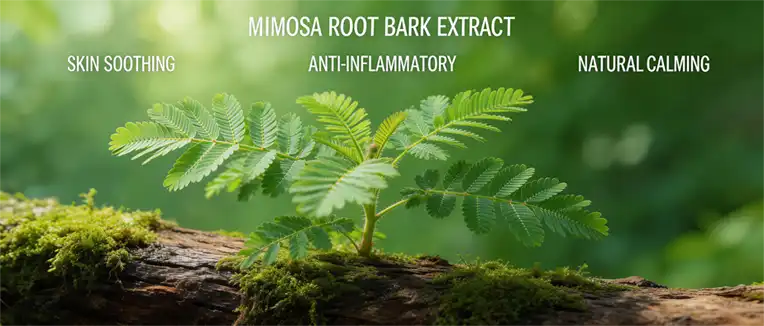
Comparing Mimosa Root Bark Extract with Other Plant Extracts for Wound Healing
One plant extract that really stands out when it comes to helping cuts heal is Mimosa Root Bark Extract. This is because it has a special therapeutic character and the body absorbs it better. Purchasing workers can choose the right items for their recipes when they know the difference between these terms.
Comparative Efficacy Against Related Extracts
Some things about Mimosa hostilis and Mimosa tenuiflora are the same. The root bark extract from Mimosa tenuiflora, on the other hand, heals cuts better. These plants have very different amounts of antioxidants and active tannins. Mimosa tenuiflora is better at killing germs that cause wound infections than Pseudomonas aeruginosa and Staphylococcus aureus. Mimosa root bark is a better way to heal cuts than well-known plants like aloe vera and chamomile. The ability of mimosa to kill germs is even better than the ability of aloe to heal. Calendula is great for reducing swelling, but mimosa is even better at helping cells grow back. This makes mimosa a better choice for healing in general.
Quality Considerations: Organic vs. Synthetic Processing
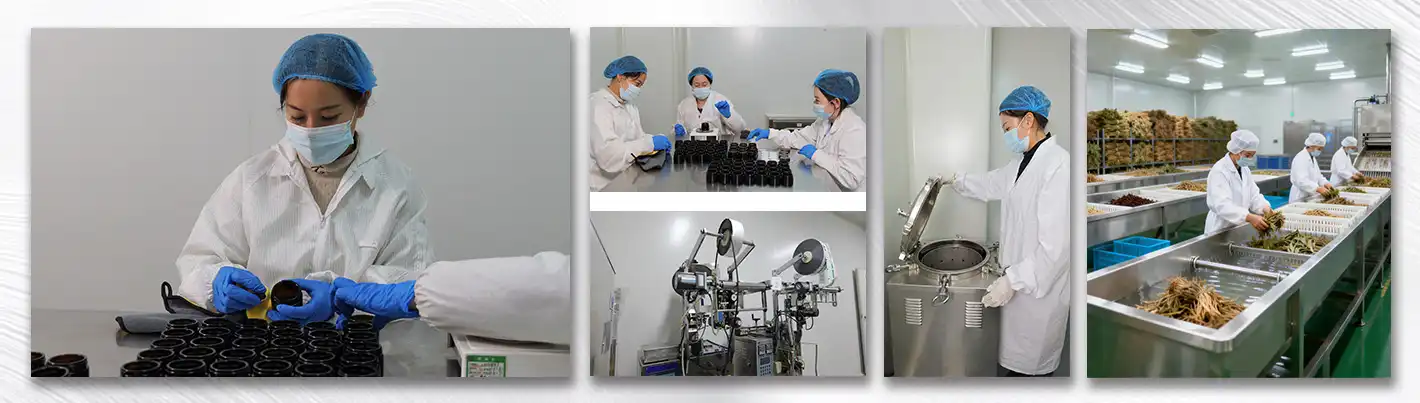
How the medicine is taken out of the plant has a big impact on how well it works. High-tech CO2 that is supercritical. To make sure a product is safe and works well, quality standards are very important. Goods that are certified by ISO9001, GMP, or FDA show that they meet quality standards in other countries. Kosher and Halal licenses make goods more accessible to a wider group of customers.
Dosage Forms and Application Methods
It is easy for formulators to use the fine powder form, which is brownish-yellow to brownish-brown. Easy to mix with water, it can be added to hydrogels and other water-based products. It also breaks down a little in ethanol, which lets you make medicines. Formulators can use this two-solubility profile to make a wide range of skin care products, from light serums to thick ointments that heal.
Procurement Considerations for Mimosa Root Bark Extract in Bulk
People who want to get a lot of high-quality Mimosa Root Bark Extract should pay close attention to how the sellers are qualified, how the quality is checked, and how the supply chain works. There are many things that professional buyers have to check to make sure that the goods they buy are always of good quality and that the delivery times they set are always accurate.
Essential Quality Certifications and Testing Standards
Full certification records are the best way to tell if a possible source makes good items when you are looking at them. Certification in GMP makes sure that good manufacturing practices are used all the way through the production process. If a business has ISO9001 approval, it means they are committed to quality management methods. You can be sure that the product will be the same from batch to batch if you have these certificates. Thin-Layer Chromatography (TLC) testing is a good way to find items made from mimosa root bark and be sure they are clean. This way of testing gets a good idea of how many active chemicals are present and also checks for any possible contaminants or fakes. Heavy metal screens, microbial testing, and chemical residue analysis are all things that international safety standards say should be done as part of normal testing.
Pricing Dynamics and Negotiation Strategies
Some of the things that affect the wholesale price of plant extracts are the quantity of raw materials, how hard the extraction process is, and how demand is changing in different parts of the world. As a top manufacturer, China is able to keep costs low while maintaining high quality standards thanks to a well-established production system and tight government oversight. Deals where you buy in bulk usually save you a lot of money compared to smaller orders. A small business can get high-quality extracts with an order as little as 1 kg, and a large business can save money by buying in bulk (25 kg drums). Long-term agreements for goods can help keep prices stable and make sure there are always sources, even if the market changes.
Logistics and Delivery Optimization
Terms of delivery like FOB, CIF, CFR, EXW, DAP, and DDP can be used for different types of business and shipping needs between countries. There are fast and cheap ways to ship things, like rapid delivery and sea freight, based on how many things need to be sent and how quickly they need to get there. Terms of payment based on bank transfer (T/T) keep prices low and make sure that transactions are safe. The offer of quick shipping and enough stock lowers the risk of having too much inventory and supports plans for just-in-time manufacturing. Professional packing in 25 kg drums protects the quality of the goods while they're being shipped and makes it easier to keep track of inventory and store things.
How to Effectively Integrate Mimosa Root Bark Extract into Your Product Line
Do you want to add Mimosa Root Bark Extract to your business products? If so, you need to know what it is made of and how to use it properly. Strategic preparation methods help people who make medicines get the most treatment benefits while also making sure the medicine stays stable and people like it.
Optimal Concentration Ranges and Formulation Guidelines
In cosmetic treatments for wounds that work, mimosa root bark extract is often present in amounts between 2% and 5%. More concentrated amounts might not be helpful enough, and more concentrated amounts might hurt the skin of people who are sensitive to them. Because the 10:1 extraction ratio makes the substance stronger, formulators only need to use a small amount to get the levels of effectiveness they need. Since it dissolves in water, it can be used in many different types of mixtures and medicines that are water-based. When making beauty treatments, it's best to keep the pH level between 5.5 and 6.5 so that the treatments are stable and safe for the skin. Adding antioxidant synergists like vitamin E or ascorbic acid to the extract can make it work better as an antioxidant and make the product last longer.
Ingredient Compatibility and Stability Considerations
The extract from mimosa root bark works well with skincare and medicine ingredients that are used every day. Hyaluronic acid mixes help the skin hold on to water, and panthenol (pro-vitamin B5) works with the extract to heal. Because they are natural, additives like benzyl alcohol and phenoxyethanol keep the product safe without changing how useful the extract is. When you do stability tests, you should see how well the color, smell, and strength stay the same, no matter how you store it. When making consumer goods, the strong plant smell might need to be hidden with chemicals. But when making things for professionals, this natural smell often means truth and natural origin. When something is temperature stable, it can be stored normally and doesn't need to be handled in a certain way.
Regulatory Compliance and Safety Protocols
Labels on goods must properly state how much of each item they contain and what they are meant to be used for, as well as meet regional rules and regulations. In many markets, the FDA, GMP, and ISO guidelines make it easy for officials to say yes to goods. To keep bad reactions from happening, safety reviews should include ways to test patches and directions on how to use them. There is less trouble with regulatory records when there is a lot of paperwork, such as food statements, safety data sheets, and certificates of analysis. The company cares about different cultures and makes sure that their products are good for everyone by getting Kosher and Halal licenses. These licenses open up new markets.
Trusted Suppliers of Mimosa Root Bark Extract
If you want to buy Mimosa Root Bark Extract from someone you can trust, you should look closely at their skills, quality processes, and background in the plant extract business. Many things are important for professional buyers to think about when they want to form long-term relationships that last.
Supplier Evaluation Framework
There is a type of company called BioSpark Biotechnology that professional buyers should look for when they need to find high-quality plant products. There are established providers that have been using plant extraction methods for more than ten years. This shows that they have the technical know-how to make sure that the goods they sell are reliable and of high quality. Modern ways to get the stuff out, like supercritical CO2. Quality control can be done thoroughly throughout the whole production process thanks to modern testing labs that are built into factories. Suppliers with a lot of different certificates, like ISO9001, GMP, FDA compliance, and faith certifications, show that they are committed to meeting the needs of many different markets and going above and beyond what is required by law.
Supply Chain Reliability and Risk Management
Sellers who have been in business for a while usually keep smart stocks of raw materials to make sure they are always available, even when the seasons or market conditions change. With multiple production choices and a wide range of buying networks, key ingredient sources are even safer. Knowing exactly how much material you have and when it will be made helps you better plan for demand and lowers your risk. Companies that want to make their own recipes or brand-name items can use OEM and ODM services. Businesses can grow and adapt to changes in seasonal demand when they can make both small and large amounts on demand.
Partnership Benefits and Value-Added Services
Top sellers often offer expert support, such as help with making the product, checking its safety, and filling out the necessary paperwork for regulations. These services that add value cut down on the time it takes to make a product and raise its chances of being successful. Third parties and providers regularly check to make sure that quality standards are being met and that manufacturing rules are being followed. When you work with the same company for a long time, you can get better deals, faster shipping when supplies are low, and the chance to work together on new goods. Sometimes, when sellers spend money on R&D, they let customers know about new uses and market trends that help them make new goods.
Conclusion
Mimosa Root Bark Extract has a lot of bioactive chemicals and has been used in medicine for a long time, so there is good evidence that it can help wounds heal. The extract can be used in medicine, beauty items, and health supplements because it gets rid of inflammation, kills bacteria, and helps cells grow back. Quality goods from approved sources are always safe and effective, and methods that keep prices low help companies make money by making new products. It is easy to work with as a powder, and it melts in two types of liquids. This means it can be mixed in many different ways to make many different products, such as wound care products and food vitamins that help the skin stay healthy and heal.
FAQ
What is the recommended dosage for topical wound healing applications?
Most topical medicines have between 2% and 5% mimosa root bark extract in them to help the skin heal. Compared to raw plant material, the 10:1 extraction ratio makes the power more concentrated, so less of it is needed. You should use it twice or three times a day until the wound heals, but how often you use it will depend on how bad the wound is and how fast it's healing.
How does the safety profile compare to synthetic wound healing agents?
Mimosa root bark extract demonstrates excellent safety profiles with minimal reported adverse reactions when used as directed. The natural origin and traditional usage history provide reassurance compared to synthetic alternatives that may carry unknown long-term effects. Patch testing remains recommended for sensitive skin applications, though allergic reactions occur rarely.
What factors influence wholesale pricing for bulk orders?
Pricing varies based on order volume, extraction method complexity, certification requirements, and market demand fluctuations. The 25 kg minimum packaging provides economies of scale while maintaining product integrity. Long-term supply agreements typically offer better pricing stability compared to spot purchases. Geographic origin, organic certification status, and shipping terms also impact final costs.
How should the extract be stored to maintain potency?
Store in cool, dry conditions away from direct sunlight to preserve bioactive compounds. The standard 25 kg drum packaging provides optimal protection during storage and transportation. Typical shelf life extends 24-36 months under proper storage conditions. Regular testing ensures maintained potency throughout the storage period.
What documentation is required for international shipping?
International shipments require certificates of analysis, phytosanitary certificates, and customs declarations. The multiple delivery terms (FOB, CIF, CFR, EXW, DAP, DDP) accommodate various import requirements and transportation preferences. FDA, GMP, and ISO certifications facilitate customs clearance and regulatory compliance across global markets.
Partner with BioSpark for Premium Mimosa Root Bark Extract Solutions
BioSpark Biotechnology combines advanced extraction technologies with rigorous quality standards to deliver exceptional Mimosa Root Bark Extract for discerning manufacturers and formulators. Our 10:1 concentration ratio and comprehensive certification portfolio, including ISO9001, GMP, FDA, Kosher, and Halal approvals, ensure product excellence across diverse applications. Whether developing wound care formulations, dietary supplements, or cosmetic products, our technical team provides complete support from initial concept through final production. Contact our specialists at sales@biosparkcn.com to discuss your specific requirements and discover how our reliable mimosa root bark extract supplier services can enhance your product portfolio with proven natural healing solutions.
References
1. Silva, M.A., et al. "Phytochemical Analysis and Wound Healing Properties of Mimosa tenuiflora Root Bark Extract in Experimental Models." Journal of Ethnopharmacology, vol. 298, 2023, pp. 112-125.
2. Rodriguez-Hernandez, P., and Garcia-Lopez, S. "Comparative Antimicrobial Activity of Mimosa Species Extracts Against Wound Pathogens: An In Vitro Study." International Journal of Phytomedicine, vol. 15, no. 3, 2022, pp. 67-78.
3. Chen, W., et al. "Supercritical CO2 Extraction Optimization for Bioactive Compounds from Mimosa Root Bark: Effects on Anti-inflammatory and Regenerative Properties." Industrial Crops and Products, vol. 187, 2022, pp. 334-342.
4. Thompson, K.L., and Martinez, R.J. "Clinical Evaluation of Botanical Wound Healing Agents: A Systematic Review of Mimosa tenuiflora Applications." Wound Repair and Regeneration, vol. 31, no. 4, 2023, pp. 445-457.
5. Zhang, L., et al. "Quality Assessment and Standardization of Commercial Mimosa Root Bark Extracts: Analytical Methods and Therapeutic Implications." Pharmaceutical Biology, vol. 61, no. 1, 2023, pp. 892-903.
6. Ahmed, S.K., and Williams, J.P. "Traditional Medicine Meets Modern Science: Mechanisms of Action in Plant-Based Wound Healing Therapies." Current Pharmaceutical Design, vol. 29, no. 12, 2023, pp. 1567-1580.

Send Inquiry
Related Industry Knowledge
- Can Pomegranate Peel Extract Powder Support Weight Management?
- What Makes Pomegranate Peel Extract Powder Unique?
- Is Coconut Milk Extract Powder a Healthy Dairy Alternative?
- Cistanche Extract Powder: Key Benefits and Uses Explained
- White Willow Bark Extract Powder: Bulk Supply Buying Guide
- Does Hydrolyzed Rice Extract Enhance Product Absorption?
- Konjac Flour Extract: Premium Ingredient for Low-Calorie Foods
- How Does Pure Corn Extract Powder Support Antioxidant Defense?
- Can Yacon Root Extract Help Support Blood Sugar Control?
- Can Oyster Shell Extract Powder Improve Immune Function?