_1764041963888.webp)
Top Snow Lotus Fruit Powder Uses in Functional Foods
Aug 13, 2026
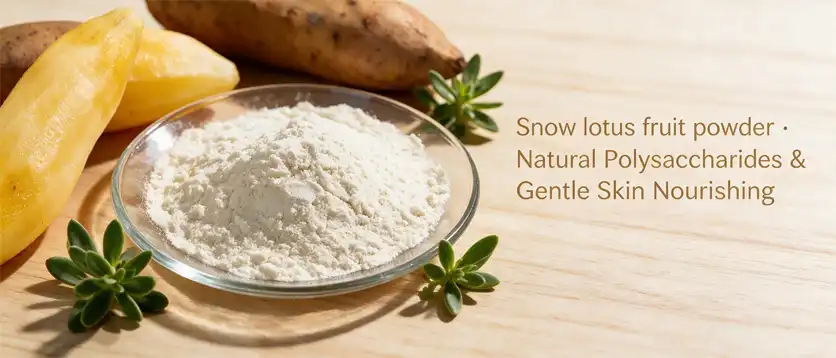
Snow lotus fruit powder, also called yacon powder, stands as a transformative ingredient for functional food developers seeking to address modern wellness demands. Extracted from Smallanthus sonchifolius through low-temperature processing, this fine powder delivers 40-60% fructooligosaccharides (FOS) while maintaining a near-zero glycemic index. The increasing consumer focus on gut health, blood sugar management, and natural prebiotic solutions positions this ingredient at the forefront of functional food innovation for formulation teams and product developers.
Understanding Yacon Powder: Composition and Benefits
Snow lotus fruit powder comes from the valleys of the Andes, where people have known for hundreds of years that the root is good for you. These benefits can now be obtained from modern extraction methods that use special processes to keep the plant's valuable bioactive chemicals.
The Science Behind FOS Content
The fructooligosaccharides in Snow lotus fruit powder are a special kind of prebiotic carbohydrate that are hard for the body to break down in the upper digestive system. The Journal of Medicinal Food published research that shows FOS specifically promotes the growth of good bacteria, mainly Bifidobacterium and Lactobacillus species. Through improved membrane separation methods and supercritical CO2 extraction, we are able to get FOS concentrations of up to 60% in our powder. This two-step process keeps heat-sensitive compounds safe while concentrating the active parts that have measurable prebiotic effects.
The 80-mesh fineness of the white to light yellow Snow lotus fruit powder makes sure that it mixes well with liquids. Thin-layer chromatography testing on every batch ensures consistency, which is a big problem for manufacturers who need to be sure of the FOS levels. The extraction method gives off only 1.5 kcal per gram, which is 75% fewer calories than regular sugars. This makes it perfect for making products that are low in calories.
Metabolic and Digestive Health Properties
Clinical tests show that eating 3 to 8 grams of Snow lotus fruit powder every day is good for your glucose metabolism. Over 120 days, people who ate Snow lotus fruit powder showed better insulin sensitivity markers, according to the Journal of Clinical Biochemistry and Nutrition. Fermentation in the gut, where good bacteria break down FOS into short-chain fatty acids, is how the prebiotic process works. These metabolites help the intestinal barrier work and might change pathways that tell the brain when you're full.
Because the Snow lotus fruit powder dissolves easily in water, it can be quickly added to digestive supplements and meal replacements. While some fiber sources can make your stomach hurt, the slow fermentation profile of Snow lotus fruit powder FOS usually leads to better tolerance when added in the recommended amounts.
Top 5 Functional Food Applications
Functional food makers are becoming more aware of how useful this ingredient is in a wide range of products. A study of the market shows that demand is growing in areas that deal with gut health, weight loss, and blood sugar control.
Prebiotic Supplement Formulations
The fastest-growing category in gut health vitamins is synbiotics, which are made up of both probiotics and prebiotic substrates. Our Snow lotus fruit powder works well with Lactobacillus and Bifidobacterium types that come in pill, tablet, and powder forms. For example, the FOS give probiotics specific nutrients that help them survive in the stomach and help them settle in the intestines.
Formulators like that the flavor is neutral and doesn't get in the way of the probiotic strain's properties. The 80 mesh specification makes sure that the tablets are evenly distributed during production, which cuts down on problems like separation or uneven dosing. The results of stability tests show that encapsulated formulations keep the FOS integrity for 24 months when stored in a controlled environment.
Diabetic-Friendly and Low-GI Product Development
This Snow lotus fruit powder is great for diabetic-friendly products because it has almost no effect on blood sugar. Nutrition bar makers use Snow lotus fruit powder instead of traditional flavors to make bars that are filling without making blood sugar rise. Some people want to avoid high-intensity sweets, but the mild sweetness—about 30 to 50 percent of sucrose's intensity—reduces the need for them.
The people who make meal replacement powder use both the low-calorie substance and the prebiotic fiber to make goods that help people reach their metabolic health goals. The Snow lotus fruit powder helps foods meet daily value percentages that health-conscious consumers like by adding to the fiber claim on nutrition labels. Manufacturers of sugar-free sweets say that the Snow lotus fruit powder works well in fondants and soft candies because it adds bulk and keeps moisture in while still serving its other purposes.
Dairy and Fermented Food Enhancement
When makers of yogurt and kefir add this ingredient, they get two benefits. During production, the FOS feeds the fermentation cultures, which could shorten the fermentation processes and make the cultures more viable. After the product is made, the prebiotic compounds help the probiotics stay alive during shipping and storage, which makes the product work better for longer.
The Snow lotus fruit powder mixes easily with dairy bases and doesn't change the texture or taste of the food. Developers of fermented drinks say that adding Snow lotus fruit powder supports clean label efforts and adds real practical value that customers who want real gut health benefits will appreciate.
Functional Beverage Innovation
Formulators of drinks are always under pressure to make drinks that taste good and have health benefits. Our Snow lotus fruit powder solves this problem for a number of different types of drinks. The high solubility of prebiotic drink mixes—over 95% breakdown in cold water—keeps the mouth from getting dry or gritty. The Snow lotus fruit powder stays stable in pH ranges that are common in functional drinks (3.5–4.5), so the FOS doesn't get clumped together.
The people who make protein shakes think that Snow lotus fruit powder goes well with whey and plant proteins. It also adds fiber, which is something that many protein products lack. The slight sweetness makes it taste better without overpowering the main flavor. Companies that make sports nutrition use the prebiotic qualities to help gut health in athletes, for whom stomach comfort during training is very important.
Healthy Baking Applications
Many functional ingredients have a hard time working well in baking because of the high temperatures involved, but Snow lotus fruit powder does well at temperatures up to 120°C. Bread recipes benefit from the ability to bind water, which helps keep moisture in and keep food fresh for longer. Adding Snow lotus fruit powder to cookie and muffin recipes can cut the amount of sugar by 30 to 40 percent, while also increasing the fiber content.
Because the Snow lotus fruit powder absorbs water, the recipe needs to be changed. However, experienced cooks know that this is a good thing because it helps the shape develop. Energy bar makers really like how it helps the bars stay chewy and keeps the moisture levels fixed so they don't harden while they're being shipped.
Comparing Yacon Powder to Alternative Prebiotic Sources
When procurement teams look at prebiotic ingredients, they have a lot of choices, and each one has its own pros and cons. By understanding these differences, you can make smart choices about where to get materials that are in line with your product goals.
Yacon Versus Inulin and Chicory Root Fiber
Chicory-derived inulin is the most popular prebiotic because it is easy to get and doesn't cost too much. Inulin usually has shorter-chain fructans than Snow lotus fruit powder FOS, which could change how quickly fermentation happens and how well it tolerates different amounts of sugar. According to some studies, the longer-chain FOS in Snow lotus fruit powder may lead to slower fermentation, which could make digestion better.
The main thing that sets Snow lotus fruit powder apart is that it contains medicinal substances other than just FOS. Minerals and phenolic compounds that were properly extracted are still in the powder, and they add to its antioxidant capacity, which can be measured with ORAC testing. If formulators want to use a "clean label" approach, they may like that Snow lotus fruit powder is made from a single ingredient instead of being separated inulin, which needs more processing.
Quality Verification and Supplier Assessment
To make sure that the Snow lotus fruit powder is real and of good quality, the suppliers must be carefully checked. Thin-layer chromatography is the main way to identify things. It creates unique fingerprints that separate real Snow lotus fruit powder FOS from fakes that have maltodextrin or other fillers added to them. Reliable suppliers give out Certificates of Analysis that show the amount of FOS, the amount of moisture (less than 4%), and the results of microbial tests.
Certifications like ISO9001, GMP, FDA registration, Kosher, and Halal verification show that a company is committed to quality processes and meeting market entry standards. For entering the U.S. market, DSHEA compliance documentation and maybe even GRAS status help with regulatory positioning. Novel Food reviews may be needed for European markets, based on the uses and marketing claims.
Given that the food comes from farms, testing for chemical levels becomes very important. When writing specifications, it's important to make sure they follow FDA tolerance levels or EU Regulation 396/2005, which includes checking for chemicals that are often used on root crops. Heavy metal tests for lead, arsenic, cadmium, and mercury protect the safety of consumers and the image of brands, especially for goods that are aimed at vulnerable groups.
Procurement Guide for B2B Sourcing
To effectively source Snow lotus fruit powder, you need to know how the market works, how to deal with logistics, and what the supplier can do that goes beyond basic product specifications.
Identifying Reliable Manufacturing Partners
Having a direct connection with a maker can help with cost control, consistency, and customization. BioSpark can store more than 1,000 tons of goods, which makes sure that high-volume buyers who need quarterly or yearly framework deals can always get what they need. The low MOQ of 1 kilogram makes it possible to do both initial sample and small-batch custom development, so it can be used for everything from research and development to mass production.
For OEM/ODM clients, manufacturing skills are very important. Look for providers that have their own research and development teams that can create synbiotic formulations, test methods for stability, and find the best sweeteners for each application. When universities work together or set up joint labs, it means they have advanced technical skills that go beyond making commodity powder.
Pricing Factors and Bulk Advantages
Prices for Snow lotus fruit powder depend on a number of factors, such as the amount of FOS in it, how it is processed, the certification requirements, and the size of the order. Prices for standard 40% FOS content are usually lower than prices for focused 60% specs, which need more processing steps. Setting up yearly agreements can often get you better prices and faster delivery when the harvest changes.
Unit economics are affected by the type of packaging used. For medium to large manufacturers, 25 kg drums are the standard bulk format that offers the best cost-effectiveness. Custom packaging in smaller pieces makes it more expensive to move, but it may work for some delivery needs. Using moisture-proof metal composite packing with nitrogen flushing and desiccants keeps the hygroscopic Snow lotus fruit powder from caking, which protects your investment while it's being shipped and stored.
Logistics and Import Considerations
Knowing the shipping terms ahead of time can help you avoid costly shocks when buying things internationally. FOB (Free On Board) means that the customer is responsible for the goods once they are loaded at the origin port. DDP (Delivered Duty Paid) means that the seller is responsible for all costs and risks until the goods are delivered to your building. Cost, Insurance, and Freight, or CIF, is a middle ground that includes shipping and insurance to the final port.
Choice of shipping method strikes a balance between cost and speed. With wait times of 25 to 35 days to U.S. ports, sea freight is the most cost-effective way to move big amounts of goods. Air freight cuts travel time to 7–10 days, but it costs a lot more per unit. This makes it good for urgent restocking or high-value custom formulations. Express services are good at sending small samples.
Chinese companies like BioSpark say they can get their goods through customs 99% of the time as long as they have all the necessary paperwork, like business bills, certificates of origin, and any other certifications that are needed. Working with experienced freight forwarders who know how to classify food ingredients makes the import process go more quickly and avoids delays that throw off production plans.
Customization and Technical Support Capabilities
OEM/ODM services include more than just supplying Snow lotus fruit powder. They also include formula development, making dosage forms, and finding branded packaging solutions. Custom FOS ratios of 40 to 60% make it possible to precisely dose prebiotics in produced goods. Co-formulation services that mix Snow lotus fruit powder with ingredients that work well together, like certain probiotic strains, extra fiber sources, or flavor systems, shorten the time it takes to make new products.
When you sign an NDA, it guards your secret formulas during development relationships. Before talking about new uses or specialty synbiotic combinations, look for manufacturers that are ready to sign non-disclosure agreements. This protection is important when trying to come up with ways to stand out in supplement markets that are already very crowded.
As part of technical help, regulatory advice for market-specific needs should be provided. Helping with low-GI certification, making sure claims about diabetic-friendly foods are true, and evaluating new foods for European markets adds value beyond just supplying goods. Maintaining an up-to-date understanding of changing rules in major markets by suppliers shows dedication to long-term relationship success.

Conclusion
Snow lotus fruit powder has a lot of benefits for functional food companies that want to meet consumer needs for gut health support, blood sugar management, and clear labeling of natural ingredients. Because it has a high FOS content (40–60%), almost no glycemic effect, and 75% fewer calories than sugar, it can be used in supplements, drinks, dairy products, and baked goods. To have a successful implementation, you need to carefully choose your suppliers, paying special attention to their consistent FOS levels, full certifications, and technical support abilities. By building trustworthy partnerships with suppliers, manufacturers can take advantage of the growing markets for prebiotic and low-glycemic products.
FAQ
What is the recommended daily dosage for prebiotic benefits?
According to research, prebiotics work best when eaten in amounts between 3 and 8 grams per day. This range has just the right amount of FOS to encourage the growth of good bacteria without going too far and making sensitive people's stomachs hurt. Product designers usually make single doses that contain 4 to 6 grams, so that users can change their intake based on their own reactions.
How does yacon powder compare to pure FOS supplements?
Pure FOS supplements have higher amounts (often 95% or more), but they don't have the chemicals that work together like those in whole Snow lotus fruit powder. Minerals, phenolics, and other phytonutrients found in properly processed Snow lotus fruit powder are good for your health in addition to FOS. The best choice depends on the positioning of the product. For example, prebiotic supplements may prefer pure FOS, while brands that focus on whole foods can benefit from Snow lotus fruit powder's full nutritional profile.
What storage conditions prevent powder degradation?
Using the right packing to keep moisture below 4% protects FOS stability and stops hygroscopic caking. Bioactive chemicals are kept safe for 24 months at temperatures below 25°C in containers that are covered and can't get wet. Once the container is opened, resealing it with desiccants and limiting air exposure helps keep the Snow lotus fruit powder's quality while it is being made.
Can yacon powder replace all sweeteners in formulations?
The light sweetness (30–50% sucrose) usually needs to be mixed with other sweeteners for uses that need a stronger sweetness. This trait, on the other hand, is useful for goods that want a mild sweetness with functional fiber benefits. A lot of successful formulas combine Snow lotus fruit powder with stevia or monk fruit to get the sweetness they want while keeping the label clean.
Partner with BioSpark for Premium Yacon Powder Supply
BioSpark (Xi'an) Biotechnology Co., Ltd makes high-quality Snow lotus fruit powder for functional food companies all over the world. Our advanced extraction plant always meets the 40–60% FOS standards, which are confirmed by thin-layer chromatography on every output batch. As a well-known company that makes Snow lotus fruit powder, we can help you with your formulation needs. Our minimum order quantities (MOQs) start at just 1 kilogram for samples and go up to multi-ton annual supply agreements. Our wide range of certifications, including ISO9001, GMP, FDA, Kosher, and Halal, makes it easier for us to sell our products in North America, Europe, and Asia. Technical teams offer OEM/ODM services, such as custom FOS ratios, the creation of synbiotic formulations, and advice on how to make low-GI product claims. Get in touch with leao@biosparkcn.com right away to get product specs, samples, or to talk about special bulk orders that will help your functional food options with proven prebiotic performance.
References
1. Delgado, G.T., et al. "Yacon (Smallanthus sonchifolius): A Functional Food." Plant Foods for Human Nutrition, vol. 68, no. 3, 2013, pp. 222-228.
2. Genta, S., et al. "Yacon Syrup: Beneficial Effects on Obesity and Insulin Resistance in Humans." Clinical Nutrition, vol. 28, no. 2, 2009, pp. 182-187.
3. Caetano, B.F., et al. "Yacon (Smallanthus sonchifolius) as a Food Supplement: Health-Promoting Benefits of Fructooligosaccharides." Nutrients, vol. 8, no. 7, 2016, article 436.
4. Roberfroid, M., et al. "Prebiotic Effects: Metabolic and Health Benefits." British Journal of Nutrition, vol. 104, suppl. 2, 2010, pp. S1-S63.
5. Valentová, K., and Ulrichová, J. "Smallanthus sonchifolius and Lepidium meyenii - Prospective Andean Crops for the Prevention of Chronic Diseases." Biomedical Papers, vol. 147, no. 2, 2003, pp. 119-130.
6. Gibson, G.R., et al. "Expert Consensus Document: The International Scientific Association for Probiotics and Prebiotics (ISAPP) Consensus Statement on the Definition and Scope of Prebiotics." Nature Reviews Gastroenterology & Hepatology, vol. 14, no. 8, 2017, pp. 491-502.

Send Inquiry

Related Industry Knowledge
- Why Is Purple cabbage powder Popular in Superfood Products?
- How to Choose Premium Holy Berry powder for Bulk Purchase?
- How Does Marigold Extract Powder Protect Against Blue Light Damage?
- What Makes Garcinia Cambogia Extract Popular in Diet Supplements?
- Spirulina Extract Tablets Dosage Guide: How Much Should You Take?
- What Are the Applications of Cape Gooseberry Powder?
- What are the anti-fatigue benefits of snow lotus powder?
- How Is Kacip Fatimah Extract Made and Standardized?
- Is Cistanche Extract Powder Worth Trying in 2026?
- Top Benefits of Red Bean Extract in Dietary Supplements