_1764041963888.webp)
Spirulina Extract Tablets Dosage Guide: How Much Should You Take?
Jun 20, 2026
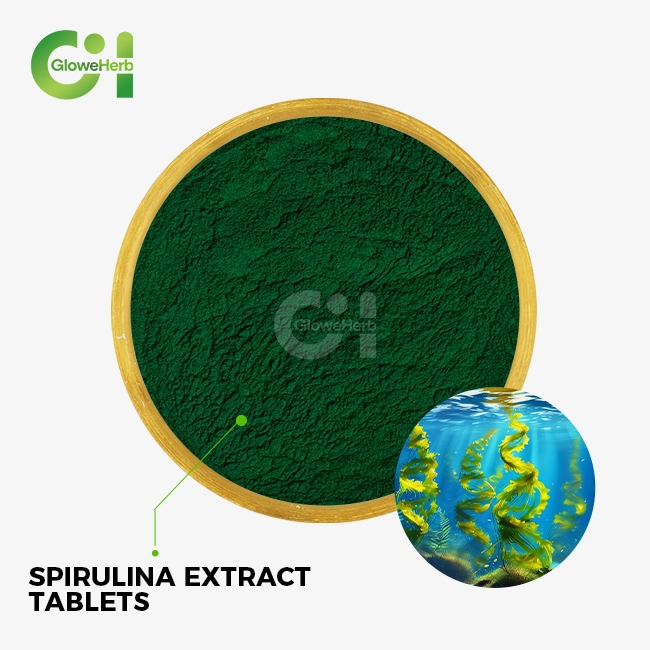
If you want to add Spirulina extract tablets to your product line or network of distributors, you must know how much to give each person. These concentrated blue-green algae pills usually run from 1 to 8 grams per day, but this depends on the health benefit and type of person taking them. High-quality Spirulina extract tablets are different from regular spirulina powder that is pressed into pills. They use modern plant extraction methods to concentrate active ingredients like phycocyanin while keeping all the other nutrients. This targeted method makes sure that your customers get the same amount of bioavailable nutrition with each dose. This makes dosage advice easier and more reliable for B2B partners who want their products to always work the same way.
Understanding Spirulina Extract Tablets: Nutritional Benefits and Uses
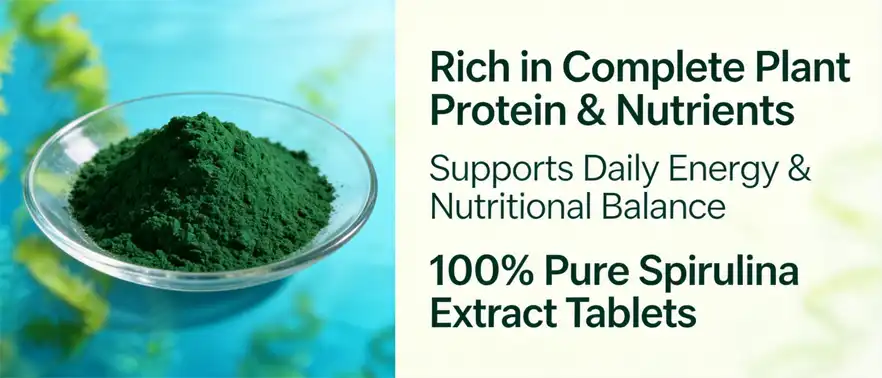
Compared to conventional whole spirulina products, Spirulina extract tablets indicate a scientific development. These products are made using controlled plant extraction methods that concentrate healthy chemicals while preserving the nutritional value. The process of extraction breaks down the tough cell walls, making absorption much higher than with raw spirulina powder. This means that your customers will take more nutrients from smaller amounts, which is a great way to place your premium product as a valuable item.
Composition and Core Bioactive Components
Good Spirulina extract tablets have a mix of broad-spectrum nutrients and specific bioactive substances that make them healthy. Between 60 and 70% of the makeup is high-quality plant protein, which provides all nine necessary amino acids in the best possible amounts. This type of complete protein is especially popular with vegetarians and vegans, which is a growing market group. The main active ingredient is phycocyanin, which is usually sold in grades E6, E18, E25, and E40. This one-of-a-kind blue pigment protein has strong immune-modulating, anti-inflammatory, and protective properties. The standard number tells you how pure the phycocyanin is, with bigger numbers showing higher concentrations. Ultraviolet spectrophotometry testing is often used to check the phycocyanin content of products made in China. This makes sure that each batch is the same, which is important for business-to-business relationships.
Comparing Tablet Forms with Powders and Capsules
When looking at spirulina goods to buy, the form choice affects both the logistics of production and the experience of the end customer. Tablets offer accurate, uniform doses, which makes it easier to help customers and lowers the chance of mistakes in use. When shipped, the solid tablet shape keeps the tablet stable, extends its shelf life, and makes it easy to use, which is appealing to busy professionals. Tablets can have extra ingredients like microcrystalline cellulose and croscarmellose sodium added to them during production. These help control how quickly the pills break down and make sure that the nutrients are released properly in the digestive system. Powders allow for flexible dose customization, which helps formulators who are making new goods. But powders have problems, like a strong algae taste, being hard to mix, and customers who don't always follow through. Though they usually cost more to make than tablets, capsules are a good compromise between tablets and powders because they combine the benefits of powders with the convenience of capsules.
Determining the Correct Dosage of Spirulina Extract Tablets
To find the best dose, you have to find a balance between effectiveness, safety, and compliance from the customer. Based on research papers and clinical experience, the daily recommended amount of Spirulina extract tablets is between 1 and 8 grams, with specific amounts depending on the health goal and the person.
General Wellness and Preventive Nutrition
People who want general nutritional support and don't have any special health problems usually gain from 3–5 grams per day. This reasonable amount gives you enough protein, vitamins, minerals, and antioxidants without making your digestive system work too hard. Products that are sold for daily health should stress how easy it is to take them once or twice a day, since people like simple routines. Taking it in the morning with food works best most of the time because the protein helps you stay energetic all day. Athletes and other highly active people can take up to 7 grams of spirulina every day to benefit from its high-quality plant protein and antioxidants, which help muscles heal and lower oxidative stress caused by exercise.
Targeted Health Applications
People are mostly interested in products that boost the immune system, especially during seasonal problems or for people who are more likely to be exposed to risks. According to clinical studies, eating 3 to 8 grams of it every day may change the way immune cells, like macrophages and natural killer cells, work. The higher-grade phycocyanin extracts (E25, E40) give more immune-active compounds, which could mean that smaller doses are still useful. In study settings, daily doses of 4 to 8 grams are usually used for metabolic health purposes, such as controlling blood sugar and lipids. For these uses, it needs to be made clear that spirulina vitamins work with medical treatments and don't replace them. When it comes to health claims, B2B partners need to make sure that their marketing materials and dose instructions are in line with what the government requires.
Demographic and Individual Considerations
Customizing the dose based on age, weight, and health improves both safety and efficiency. Children and teens should get smaller amounts, usually between 1 and 3 grams a day, based on their body weight and nutritional needs. Bioavailable iron, B vitamins, and important amino acids in spirulina are good for pregnant and nursing women. Eating 3–5 grams of spirulina every day is usually safe, but you should still talk to your doctor first. As people get older, they often have trouble absorbing nutrients and need more of some vitamins. Doses of 4 to 6 grams per day meet these needs while still being well tolerated. The improved bioavailability of extracted spirulina products is especially helpful for this group because the cell wall breakdown process makes it easier for nutrients to be released and absorbed.
Administration Timing and Bioavailability Optimization
Taking Spirulina extract tablets with food usually improves digestion while lowering the risk of stomach upset. If you eat spirulina on an empty stomach, it might make your stomach upset if you are sensitive to alkalinity. The blue powder base dissolves quickly in water, which makes it easy for nutrients to be released from the pill. However, fat-soluble nutrients like beta-carotene work best when eaten with dietary fats. Taking daily doses at two different times, in the morning and the afternoon, keeps nutrition levels more stable throughout the day. This method works especially well for people who need to take bigger doses for health reasons. For these usage patterns to work, the packaging should be set up so that the number of tablets is divided by the daily amounts that are meant to be taken.
Spirulina Extract Tablets vs Other Forms: Dosage and Effectiveness Comparison
The vitamin type has a big effect on how much to take, how bioavailable it is, and how well people follow through with their plans. By knowing these differences, B2B partners can choose formats that work with their marketing methods and target markets. Spirulina extract tablets made using cutting-edge plant extraction techniques have higher absorption than straightforward crushed powder pills.
Absorption Efficiency and Bioavailability
Using mild buffer solutions, exact pH control, and controlled temperature, the extraction process dissolves only the active ingredients that are wanted. After microfiltration and ultrafiltration, these bioactive chemicals are concentrated. This makes formulations where smaller gram amounts have the same or greater benefits than bigger doses of whole spirulina. This concentration concept is especially useful for phycocyanin, since products with the E18 or E25 specification offer strong antioxidant action at low doses. When you buy Spirulina extract tablets for your line of products, the specifications you choose have a direct effect on the dose that is suggested and how the products are set apart. Higher-spec products cost more, but they let you place yourself in the market based on how well they work instead of how many you have.
Organic versus Standard Extraction Quality
Organic farming methods get rid of heavy metals and chemical leftovers that make the product less pure. To be sold all over the world, certified organic Spirulina extract tablets must come from controlled freshwater or alkaline lake settings that meet strict quality standards. Products with ISO9001, Kosher, Halal, FDA, and GMP certifications give B2B buyers the quality guarantee they need when they enter controlled markets. These qualifications affect the right dose suggestions. Organic products that don't contain any contaminants can safely support the highest suggested doses without the risk of toxins building up. Standard goods that haven't been through a lot of testing may need dose advice that is on the low side, especially for long-term supplementation. When looking at different providers, make sure they have full testing records that have been checked by well-known methods such as ultraviolet spectrophotometry for phycocyanin content and heavy metal assays for safety factors.
Spirulina versus Chlorella Considerations
Both spirulina and chlorella vitamins are becoming more popular on the market, and they are sometimes sold together in one product. These different bacteria have effects that work well together, but they need to be dosed in different ways. The main benefit of chlorella is that it helps the body get rid of toxins because it has chlorophyll and can bind to heavy metals. Protein density, phycocyanin concentration, and rapid nutrient support are all things that spirulina does very well. Due to spirulina's higher protein content and bioactive chemical density, Spirulina extract tablets generally require lower doses than chlorella products to achieve desired nutritional results. When B2B partners make combination goods, they have to make sure that these factors are balanced so that the total daily amount is still reasonable and enough of each algae's unique components are delivered.
Common Concerns: Side Effects, Safety, and Quality Assurance
To be a responsible buyer, you need to know a lot about safety factors and quality control methods. There is a lot of evidence that Spirulina extract tablets are safe. Any side effects are very rare and usually not too bad. But B2B partners need to know what worries customers have and reassure them with facts.
Known Side Effects and Risk Mitigation
When you take spirulina supplements, your body may make some small changes to your digestion as it gets used to the extra fiber and nutrients. Some people feel a little sick, especially when they start taking supplements at higher doses or when they take pills without food. As the digestive system gets used to the new food, these effects usually go away in a few days. This pain can be lessened by suggesting a slow increase in quantity, starting at 1-2 grams per day and going up over one to two weeks. Rarely, allergic reactions happen, mostly in people who are already sensitive to fish or seaweed products. The smell of algae matter that comes from good Spirulina extract tablets helps people find possible allergens before they eat them. Labels on products must make it clear how much spirulina they contain and suggest that people who are known to be sensitive to algae see a doctor.
Certification Standards and Supplier Verification
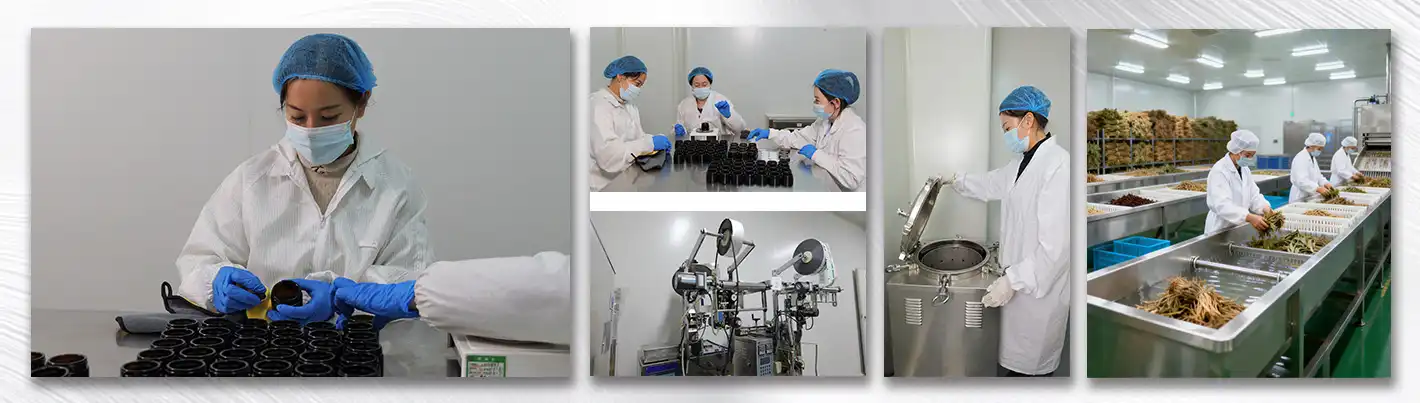
For B2B procurement to work, suppliers must be able to work with makers who have complete quality processes. Getting ISO9001 approval shows that you handle quality in a planned way throughout the whole production process. GMP compliance makes sure that facilities meet the standards for making pharmaceuticals. These standards include controlling the environment, calibrating equipment, training staff, and keeping records of each batch. Getting a product registered with the FDA adds to the safety of selling it in the U.S., and getting Kosher or Halal approvals makes it easier to reach religious customers. When looking at possible sources, you should ask for records of analysis for recent production batches that show the amount of phycocyanin in the product by using UV spectrophotometry, as well as the levels of heavy metals, microbes, and pesticide residues.
Optimizing Your Purchase: Procurement Tips for Spirulina Extract Tablets
When planning where to get Spirulina extract tablets, you need to think about more than just the price per unit. The total cost of ownership includes shipping terms, payment terms, minimum order requirements, and the ability to make changes that work with the way your business works.
Evaluating Supplier Capabilities and Reliability
Verification of output ability should be the first step in evaluating a supplier. Manufacturers who say they have enough stock and can deliver quickly show that they have mastered the business development and inventory management that are necessary for a steady supply. Ask the supplier about normal lead times for different shipping ways, such as express, air freight, and sea freight, and if they keep extra stock in case demand goes up unexpectedly.
OEM and ODM Customization Opportunities
The vitamin business wants products that are more unique than basic ones more and more. You can sell Spirulina extract tablets under your own name if the supplier offers OEM (Original Equipment Manufacturing) services. You can change the formulation, coating, tablet size, and shape, as well as the style of the package. This gives you the freedom to precisely place your brand in the market based on your target consumers' tastes and interests.
Balancing Cost with Quality Requirements
Price sensitivity needs to be weighed against the need for quality that protects the image of your brand. Unusually low prices are often a sign of bad raw materials, poor testing, or shortcuts in the production process. Normalize prices to take into account differences in phycocyanin specifications when comparing quotes from different suppliers. Because it is purer and more concentrated, E40 standard material naturally costs more than E6 types.
Conclusion
Giving B2B partners the right dosage information for Spirulina extract tablets lets them offer great value across their marketing networks. The daily suggested range of 1 to 8 grams meets a variety of customer needs, from 3 to 5 grams for general health to higher amounts for specific health purposes. Products made using advanced plant extraction methods that concentrate phycocyanin in E6, E18, E25, or E40 specs improve bioavailability and often work better at lower doses than options that contain whole spirulina.
Quality certifications like ISO9001, GMP, FDA, Kosher, and Halal help protect both the safety of the customer and the brand's image. Strategic buying looks at a lot of things besides just unit price, like shipping terms, the ability to customize, minimum orders, and how reliable the provider is. When you work with makers that offer OEM and ODM services, you can make your products stand out, which is important in markets where competition is high.
FAQ
What dosage escalation approach minimizes digestive adjustment?
Starting with 1-2 grams of Spirulina extract tablets every day for 3–5 days gives your digestive system time to get used to them. Every three to four days, up the dose by one gram until you hit your goal. This step-by-step method lowers the chance of feeling sick or having stomach problems. Taking pills with food also makes absorption better, especially during the getting-used-to phase. Most people can reach daily doses of 5 to 8 grams without any problems using this way.
How do I verify phycocyanin content before bulk purchases?
Ask for analysis papers from recent production runs that show test results for ultraviolet spectrophotometry. Additional proof comes from having samples from suppliers tested by a different lab. For example, E6 means 60 mg of phycocyanin per gram, E18 means 180 mg/g, E25 means 250 mg/g, and E40 means 400 mg/g. Suppliers with a good reputation make sure that standards stay the same from batch to batch and provide proof that ratios are met.
Can spirulina interact with medications or other supplements?
The high vitamin K content in spirulina might interact with blood-thinning drugs like warfarin, so it's important to keep an eye on the dose. The immune-boosting effects might not work well with immunosuppressant drugs that are used after organ donations or for inflammatory diseases. The protein content of spirulina doesn't usually cause problems, but it might interact with medicines that are affected by protein in the food. Always tell customers to talk to their doctors before taking spirulina supplements with prescription drugs, especially if they are taking more than 5 grams of spirulina a day.
Partner with BioSpark: Your Trusted Spirulina Extract Tablets Supplier
BioSpark sells high-quality Spirulina extract tablets that are made using strict plant extraction methods that keep all the nutrition and concentrate phycocyanin. Our GMP-certified factories in China make supplements that meet the standards of ISO9001, FDA, Kosher, and Halal. This gives you peace of mind as your business hits global markets. We offer full OEM and ODM services that include formula creation, stability testing, regulatory paperwork, and designing unique packages.
Our Spirulina extract tablets have phycocyanin levels that have been checked and confirmed to be between E6 and E40. They were tested using ultraviolet spectrophotometry and come with full certificates of analysis. Flexible minimum sales starting at 1 kg let you test the product, and as your business grows, you can easily switch to 25 kg drum amounts. We offer a range of shipping choices, such as FOB, CIF, CFR, EXW, DAP, and DDP terms, as well as express, air freight, and sea freight options that guarantee on-time arrival around the world.
Email our technical team at leao@biosparkcn.com to talk about your particular dosage needs, formulation goals, and place in the market. We offer free samples for you to try, reasonable prices on Spirulina extract tablets for sale, and professional help throughout the whole buying process. Work with a company that makes Spirulina extract tablets and is dedicated to quality, honesty, and the success of your business.
References
1. Capelli, B., & Cysewski, G. R. (2010). Potential health benefits of spirulina microalgae. Nutrafoods, 9(2-3), 19-26.
2. Deng, R., & Chow, T. J. (2010). Hypolipidemic, antioxidant, and anti-inflammatory activities of microalgae spirulina. Cardiovascular Therapeutics, 28(4), e33-e45.
3. Kulshreshtha, A., Zacharia, A. J., Jarouliya, U., Bhadauriya, P., Prasad, G. B., & Bisen, P. S. (2008). Spirulina in health management and disease prevention. Czech Journal of Food Sciences, 26(5), 349-362.
4. Mao, T. K., Van de Water, J., & Gershwin, M. E. (2005). Effects of a Spirulina-based dietary supplement on cytokine production from allergic rhinitis patients. Journal of Medicinal Food, 8(1), 27-30.
5. Pentón-Rol, G., Marín-Prida, J., & McCarty, M. F. (2011). C-Phycocyanin-derived phycocyanobilin as a potential nutraceutical approach for major neurodegenerative disorders and COVID-19-induced damage to the nervous system. Current Neuropharmacology, 19(12), 2250-2275.
6. Wu, Q., Liu, L., Miron, A., Klímová, B., Wan, D., & Kuča, K. (2016). The antioxidant, immunomodulatory, and anti-inflammatory activities of Spirulina: an overview. Archives of Toxicology, 90(8), 1817-1840.

Send Inquiry
Related Industry Knowledge
- How to Source Reliable Broad Bean Powder Suppliers?
- Need Non-GMO White Kidney Bean Extract Powder Supplier?
- Gotu Kola Extract Powder: Benefits for Stress and Anxiety?
- Can Pomegranate Seed Extract Powder Improve Skin Health?
- Angelica Sinensis Extract Powder Buying Guide: What to Look For?
- Chamomile Extract in Beauty Products: Key Advantages
- Apple Peel Extract Powder Benefits for Skin & Health
- Indian Herbal Extracts Trends for 2026 Wellness Brands
- Kacip Fatimah Extract: Natural Phytoestrogen for Women
- Does Pure Corn Extract Powder Help Maintain Healthy Blood?