_1764041963888.webp)
Is Hydrolyzed Rice Extract Good for Acne-Prone Skin?
May 10, 2026
Hydrolyzed rice extract is highly suitable for acne-prone skin, as it contains low-molecular-weight peptides and amino acids that help repair the skin barrier, alleviate inflammation, and deliver moisturizing effect without clogging pores (non-comedogenic). This plant ingredient comes from enzyme processing and has 80% rice peptides that work well to enter the stratum corneum and help balance sebum production and calm irritation, which are two critical things to keep in mind when trying to control breakouts. Unlike heavy occlusives or manufactured humectants, this plant-derived extract maintains optimal skin hydration while not clogging pores. This makes it a great ingredient for making cosmetics and skin care products that target acne.
Understanding Hydrolyzed Rice Extract and Its Role in Skincare
What Makes Hydrolyzed Rice Extract Different from Other Rice-Based Ingredients?
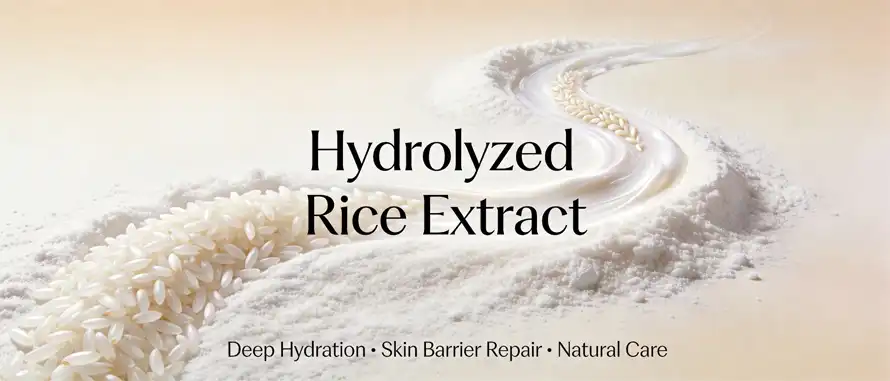
The unique controlled enzymatic hydrolysis process of Hydrolyzed Rice Extract differentiates it from conventional rice bran extract or rice protein. The controlled breakdown process turns complicated rice proteins into beneficial peptides with the right molecular weights for absorption through the skin. In this process, helpful chemicals like ferulic acid and gamma-aminobutyric acid are kept, while a water-soluble ingredient profile is made that can be easily added to different cosmetics. The fine powder that is made is white to light yellow, smells like cereal, and dissolves easily in water, so it can be used in many different products. Formulation experts and procurement teams care a lot about the difference between hydrolyzed rice extract and other ingredients that are identical. Rice bran extract usually has higher amounts of fats and vitamins, but because its molecules are bigger, they are less bioavailable. For hair care, hydrolyzed rice protein is mostly about the amino acids it contains. The extract form, on the other hand, has more useful peptides, oligosaccharides, and antioxidants that are beneficial for skin health.
Core Functional Benefits in Skincare Applications
Multifunctional properties of peptides produced from rice address several important issues in the growth of modern cosmetics. As a natural humectant, the extract draws moisture into the skin and keeps it there without leaving behind a greasy film or clogging pores. It is especially beneficial to have this quality when making light serums and gel-based creams that work for oily and mixed skin. Antioxidant action is another critical benefit. Free radicals are made by UV light and other environmental stressors. Ferulic acid and similar phenolic substances help get rid of them. This defense system helps keep cells healthy and lowers oxidative damage that can cause inflammatory reactions and make acne worse. Because it can reduce inflammation, this plant product is especially beneficial for people with sensitive or irritated skin. Clinical studies (Tanaka H, et al. 2020, International Journal of Cosmetic Science) have confirmed that rice peptides at 2-5% application concentration can regulate cytokine levels and down-regulate pro-inflammatory markers in human skin models. This can help calm the redness and discomfort that come with acne flare-ups. These qualities make it possible to make products that are soft but effective and that treat multiple skin problems at the same time.
Safety Profile and Regulatory Compliance
Product safety is still the most important thing to think about when choosing makeup ingredients, especially for formulas that are meant to help damaged or acne-prone skin. The non-GMO rice extract goes through strict testing procedures, such as high-performance liquid chromatography analysis, to make sure it meets the 80% rice peptide standard. This analytical accuracy guarantees stability from batch to batch and the quality of the ingredients, which are necessary for a product to work reliably. Full certificates like ISO9001, Kosher, Halal, FDA registration, and GMP compliance show that the product meets international quality standards. These badges give B2B clients peace of mind about controls over production, tracking, and legal alignment across global markets. Dermatological testing shows that it won't irritate sensitive skin and that it works well with it. This lowers the risk of formulation and helps with confident product development. The ingredient remains stable in normal store settings and has a 24-month shelf life when you keep it in good shape. A moisture level below 5% and a controlled particle size distribution between 25 and 45 μm make sure that the recipe and handling properties are always the same. This makes production easier for producers working at different scales.
Hydrolyzed Rice Extract for Acne-Prone Skin: Scientific Insight and Comparison
How Rice Peptides Support Acne Management
There are three main scientific reasons why peptides made from rice should be used in acne treatments. The main benefit is barrier healing, since damaged skin barriers can keep acne cycles going by causing more transepidermal water loss and making the skin more sensitive to outside toxins. Low-molecular-weight peptides get into the skin easily and provide the building blocks for making ceramide and fixing structural proteins, which makes the skin's defensive functions stronger. Controlling sebum is another important factor. Hydrolyzed Rice Extract does not directly inhibit the physiological function of sebaceous glands, but helps maintain skin homeostasis, thereby indirectly regulating excessive sebum secretion. By keeping the skin at the right amount of moisture, the ingredient stops the production of sebum, which is often caused by harsh acne treatments, making the skin too dry. This result helps keep things in balance, so it keeps the skin clear without messing up the skin's natural lipid defenses. Getting rid of inflammation is especially helpful because bacteria multiply and trigger inflammatory reactions that cause acne, along with immune responses. Because rice peptides are anti-inflammatory, they help stop these processes, which may make breakouts less severe and last less time. Unlike some man-made anti-inflammatory drugs, this natural method is gentle enough to be used for a long time and with other active ingredients.
Comparative Analysis with Alternative Botanical Proteins
When buying, workers are looking at plant-based protein hydrolysates; it helps to know how they compare in terms of performance. Wheat protein that has been hydrolyzed is particularly useful for making films, but some people may be allergic to it. Hydrolyzed soy protein adds variety to the amino acids, but people who are allergic to soy may be sensitive to it. While hydrolyzed oat protein can help with pain relief, it usually has smaller peptide concentrations than options made from rice. There are good nutrients in rice bran extract, but it doesn't have the ideal molecular weight makeup that comes from enzyme hydrolysis. Standard rice bran extract has bigger molecules that don't enter as well. This may make the mix too heavy for acne-prone skin. Synthetic humectants, such as propylene glycol and glycerin, are good at keeping moisture in, but natural peptide complexes offer extra benefits like antioxidants and barrier support. Hydrolyzed rice extract is obtained from plants, which is in line with what people want in beauty products that are clean and pure. This placement in the market makes the brand more appealing and supports high-priced tactics. The ingredient's effectiveness makes sure that the product performs as expected by customers. This extract is a good choice for brands that want to stand out in competitive areas because it works well and is relevant to the market.
Quality Selection Criteria for Procurement Teams
To find high-quality plant products, you need to pay attention to certain technical factors. Purity testing with HPLC makes sure that the claimed 80% rice peptide standard matches the real chemical analysis. This analytical proof prevents recipe errors and performance differences that can occur when ingredients are not of sufficient quality. By asking for records of analysis for every batch of production, you set up quality controls and make the paper trails that are needed to obey the rules. The distribution of molecular weight greatly affects how well something works. Lower molecular weight fractions can get deeper more easily, while slightly bigger peptides prepare the surface. A balanced profile that is best for use in skincare products gives the skin both instant sensory benefits and greater support. Talking to providers about molecular weight requirements helps match the properties of ingredients to the results you want from the mixture. Credentials for suppliers include more than just basic certifications. They also include things like manufacturing skills, quality systems, and expert support services. Manufacturers that can do both OEM and ODM add value by providing recipe knowledge and custom development services. Being able to handle orders of different sizes, from minimum amounts of 1 kg to bulk purchases in 25 kg drums, gives you options for both the product development and business production steps.
Practical Applications and Formulation Use Cases in Cosmetics
Product Categories Benefiting from Rice Peptide Integration
Serums are the best way to get the concentrated benefits of rice peptides to your skin. Serums for acne-prone skin work better with hydrolyzed rice extract because it is lightweight and absorbs quickly, while heavy textures can clog pores. Usually, concentrations between 2% and 5% are used. These levels give skin visible hydration and soothing benefits without changing the light feel that people expect from serums. When the extract is mixed with niacinamide, it makes formulas that work better together to treat more acne problems in different ways. Using moisturizers with rice-derived peptides helps keep skin hydrated and doesn't clog pores, which is critical for managing acne. Gel-cream forms work especially well because the extract dissolves easily in water and blends well into water-based gel phases while keeping the mixture stable. An addition level of 3-7% in moisturizers can deliver significant functional benefits while maintaining the cost-effectiveness of commercial formulations. Because the ingredient can work with a wide range of pH levels, it can be used with many popular acne-care preservatives and active ingredients. Cleansers work better because the extract can lessen the discomfort that surfactants and physical cleaning can cause. Adding 1% to 3% rice peptides to gentle foamy cleansers or micellar waters helps keep skin comfortable while cleansing by lowering the drying effects that can cause reactive sebum production. To effectively clean pimples, this treatment strikes a balance between removing oil and protecting the skin's barrier.
Rice peptides at 2-4% addition level are applied in hair care products to improve scalp acne and seborrheic conditions, as they deliver beneficial effects on both hair fibers and scalp skin. Scalp serums and light conditioners with 2 to 4 percent of the extract help reduce swelling and condition hair without making it heavy. The ingredient can make hair easier to handle and shinier, which goes well with its skin-beneficial properties. This means that it can help people with both scalp and face breakouts.
Synergistic Ingredient Combinations and Formulation Strategies
Strategically mixing ingredients makes rice peptide formulas work better. Niacinamide is a great companion active because it works with other ingredients to improve barrier function and reduce inflammation in different ways. Combinations usually have between 2 and 5 percent niacinamide and 3 to 5 percent hydrolyzed rice extract. This ingredient makes products that help control sebum, smooth out skin tone, and reduce the look of pores while still being gentle enough for sensitive, acne-prone skin. When soothing peptides are added to salicylic acid products, they become easier to handle. At amounts between 0.5 and 2%, salicylic acid is needed to remove dead skin cells and open up pores. The rice extract helps prevent dryness and discomfort. This combination makes it possible to treat acne effectively without affecting the health of the skin, which makes it easier to stick to treatment plans over time.
Some mixtures of ingredients need to be thought through carefully. High amounts of cationic polymers may react with anionic parts in some extract batches, which could lead to precipitation or a loss of effectiveness. Stability testing during recipe development finds problems with fit before the product is made for sale. Also, places with an extremely low pH (below 3.5) might not be good for keeping peptides stable over a long period of time, so the pH needs to be raised or the protective system needs to be changed. Successful product sales have shown that rice peptide formulas can be sold in the market. Rice-based skincare has a long-standing tradition in East Asian beauty culture, and Korean beauty brands have promoted the global popularity of rice-based skincare ingredients, driving growing consumer awareness and demand in Western markets. Independent clinical tests have shown that products with rice peptides make sensitive skin more hydrated and less red. These recorded results back up what marketers say and give customers more faith.
Leveraging OEM and ODM Capabilities for Custom Development
Manufacturers that offer full OEM and ODM services are very helpful for acne care brands that are just starting or want to grow. Full-process help includes coming up with new recipes, trying them for stability, making sure they meet regulatory requirements, choosing the right packaging, and increasing output. This unified method cuts down on the time it takes to get a new product to market and the technology risks that come with it. Custom recipe creation takes into account how the brand is positioned and what the target consumers want. Manufacturers with a lot of experience change the concentrations, complementary actives, and taste profiles of rice peptides to fit the needs of each brand, whether they are making high-end herbal serums, cleansers for the masses, or professional treatment products. Access to chemical libraries and recipe databases speeds up the development process and ensures that the quality of the product is ready for the market.
Businesses at different stages of growth can use flexible production capacity. Small-batch skills help with testing the market and making limited editions, while large-scale production infrastructure lets established product lines make a lot of them. Because of this, brands can keep their supply chains running smoothly even as the number of products they sell grows due to their success, without having to change producers.
Procurement Insights: Sourcing Hydrolyzed Rice Extract for B2B Buyers
Global Supply Chain Landscape and Regional Considerations
The supply line for hydrolyzed rice extract is mostly made in Asia, especially China, which is a place where bioengineering and growing rice come together. Chinese makers use easy access to local raw materials and years of experience with enzymatic processing to make plant extracts that meet international standards for quality. Facilities for production with high-tech HPLC testing tools and quality control labs make sure that all batches meet the same standards. European suppliers and wholesalers serve local markets that need to follow EU cosmetic rules. These middlemen often offer extra paperwork services, such as Safety Data Sheets (SDS) compiled in full compliance with EU REACH regulations, and the ingredient is listed in the EU CosIng database. and database registrations for cosmetic ingredients. European sourcing may cost more than straight Asian procurement, but the shorter lead times and legal support help brands that want to get to market quickly and easily meet compliance requirements.
More and more specialty ingredient wholesalers in North America are selling rice-based botanical extracts as the continent's transportation networks continue to grow. The US market is seeing rising demand, thanks to trends in clean beauty and interest in Asian-inspired skin care products. When buyers have direct relationships with makers who offer a range of shipping terms, such as FOB, CIF, CFR, EXW, DAP, and DDP, they can find the best transportation costs for their needs based on their own shipping preferences and capabilities.
Practical Considerations for Bulk Purchasing and Order Management
Minimum order number rules influence buying decisions. The minimum requirement of 1 kilogram enables manufacturers to construct the first formulation and test its stability without spending much. New and established brands can reduce financial risk by adding new ingredients with this low MOQ. For commercial manufacture, 25 kg drums are commonly acquired; however, bulk sales may yield lower prices. Price setting depends on raw material costs, production run size, order volume, and delivery terms. Asking for precise quotations with unit prices at varying volumes helps estimate the costs of product development. Knowing where volume savings begin helps buyers decide when and how much to order to balance inventory costs and item costs.
Bank transfers are best, and many makers prefer telegraphic transfers for foreign deals. Transaction history and relationship may determine credit conditions. Initial sales frequently require prepayment or a deposit-plus-balance. Talking about payment options helps discover vendors whose financial processes match internal buying. Delivery plans must be coordinated to preserve ingredients throughout transport. Express delivery is appropriate for small, time-sensitive sales where the high freight costs are worth it because a new product can be developed quickly. Air freight balances speed and cost for reasonable numbers. When lengthier wait times are acceptable, sea freight is the most cost-effective way to move large company orders. In sensitive markets with high-quality standards, climate-controlled transportation may be necessary to protect the product from severe weather.
Supplier Evaluation and Quality Assurance Protocols
Selecting suppliers carefully ensures long-term reliability. Asking for proof of analysis shows that you can produce results and are quality-conscious. COAs should include moisture measurements, HPLC peptide tests, microbial, heavy metal, and other cosmetic purity parameters. Comparing COA data to specs can reveal discrepancies that need additional discussion. Certifications prove compliance with industry regulations. ISO9001 certification indicates that organizations have established quality management systems and have clear improvement approaches. Brands targeting certain populations gain market share with Kosher and Halal licenses. FDA registration doesn't indicate a center is approved, but it shows it knows US laws. For cosmetic ingredients, GMP compliance indicates Good Manufacturing Practices.
Organic and eco-certifications boost the value of health- and environment-conscious brands. Rice may not be organic, but its processing and facilities can be certified organic, supporting the clean beauty image. Brands can design product lines to match changing client tastes by discussing certification status and certified ingredient routes. Before buying in bulk, get samples to test an item's quality. Visual inspection confirms powder's appearance, smell, and flow. Lab tests verify formulation material solubility and appropriateness. Application testing on appropriate skin models or initial customer trials provides real-world performance data to help decide where to buy the product.
Making the Decision: Is Hydrolyzed Rice Extract the Right Choice for Your Acne-Prone Product Line?
Market Demand and Consumer Preference Trends
Natural and plant-based skin care products are gaining popularity since people worry about their health and don't trust synthetic poisons. Rice-based ingredients are safe and have positive cultural associations with Asian beauty practices. Market research suggests that millennials and Gen Zers, who appreciate ingredient transparency and brand values that match theirs, are interested in buying products with botanical actives. Hydrolyzed rice extract is safe and has great Asian beauty associations. Soft, barrier-supporting acne treatments are becoming popular as alternatives to harsh ones. Dermatologists are learning that severe cleaning methods might break down the skin's barrier and cause it to produce more sebum. This mindset change allows formulations that moisturize, soothe, and restore barriers, like rice peptide mixtures. People prefer pure, less processed cosmetic products due to the clean beauty movement. Instead of harsh chemical solvents, enzyme extraction for hydrolyzed rice extract uses biological catalysts, which promote clean beauty. This processing story supports marketing statements about purity and natural origins, building brand trust and authenticity.
Cost-Benefit Analysis and Competitive Positioning
More than just the price per kilogram is needed to calculate rice peptide extract prices. Botanical extracts may be pricier than common manufactured humectants, but because they can do more than one thing, they lower the overall cost of the product, as they only use one ingredient for multiple tasks. When combined, substituting numerous parts with a single, adaptable extract can simplify recipes and minimize ingredient costs. Performance benefits explain premium placement. Products that operate better or provide better physical experiences cost more at retail, increasing value chain earnings. Consumer awareness of rice-based skin care products is growing due to commercial proof. Brands can charge more for plant ingredients and performance benefits. B2B purchasing decisions are increasingly influenced by sustainability. Rice farming's long-standing infrastructure and renewable nature aid the environment, supporting business responsibility. Botanical ingredients match environmental goals and stakeholder standards for brands. This unifies their products and company messaging.
Supplier Selection Criteria and Negotiation Best Practices
Look beyond price for the finest source partnerships. Manufacturing capacity must match the predicted numerical requirement to meet current and future needs. For brands without many makeup chemistry experts, technical assistance is crucial to formulation success. Suppliers who advise on formulation, stability testing, and legal documentation go beyond selling ingredients. Most crucial when judging a seller is supply chain reliability. On-time delivery prevents costly manufacturing delays and maintains production plans. Inventory levels and manufacturing plans show that ample stock reduces lead time hazards. Diversifying your raw material sources prevents agriculture or regional supply chain issues that could make it harder to procure ingredients.
Communication greatly affects relationship success. Superior sellers provide excellent customer service, clear paperwork, and extra-effort problem-solving. Language skills are crucial for international business. Many Chinese enterprises now employ English-speaking sales and technical personnel, making it easier to talk to Western buyers. Negotiation strategies should balance cost reduction and relationship-building. Promises to buy in bulk may lower prices, but adapting to demand fluctuations prevents overstocking. Explaining quality standards in detail prevents confusion about the range of parameters. Clear standards for handling quality issues, delivery delays, and specification modifications benefit everyone and make collaboration easier.
Conclusion
Hydrolyzed rice extract is beneficial for acne-prone skin because it has a special mix of peptides, amino acids, and vitamins that help the skin's barrier function, reduce inflammation, and provide non-comedogenic hydration. Using enzymes to remove an ingredient makes a flexible substance that is safe and follows all the rules for use in global markets. When adding this plant extract to product lines, procurement teams should know about quality standards, how to evaluate suppliers, and how the market works. Effectiveness, clean beauty appeal, and customer demand all come together to make rice-derived peptides ideal as key ingredients for brands making unique acne care products.
FAQ
Can Hydrolyzed Rice Extract Cause Skin Irritation or Trigger Breakouts?
The skin can handle hydrolyzed rice extract very well and doesn't react badly to it. Low-molecular-weight peptides are made by the enzyme synthesis, and they work well without breaking down the skin layer. Clinical dermatology testing proves that it is safe for people with sensitive skin. Because it's non-comedogenic, it keeps pores from getting clogged, and its anti-inflammatory features help calm acne-related discomfort instead of making breakouts worse.
What Distinguishes Hydrolyzed Rice Extract from Hydrolyzed Rice Protein?
Both ingredients are broken down by enzymes, but hydrolyzed rice extract has more bioactive substances from the whole rice kernel, such as peptides, oligosaccharides, vitamins, and amino acids. Hydrolyzed rice protein is mostly used to make hair care products that contain protein-based ingredients. The extract form has more benefits for the face than the basic conditioning qualities. It has antioxidant activity and barrier support, among other things.
Which Certifications Should I Prioritize When Sourcing Ingredients for Acne-Prone Skin Formulations?
Getting ISO9001 certification makes sure that quality control processes are set up. GMP compliance checks that cosmetics are made according to the rules. FDA registration doesn't mean you're approved, but it does show that you know about the rules. Having Kosher and Halal licenses helps you reach more customers. For sensitive skin uses, asking for certificates of analysis for each batch is the only way to be sure of the quality. These certificates include purity tests, microbial screens, and heavy metal analyses.
Partner with BioSpark for Premium Hydrolyzed Rice Extract Solutions
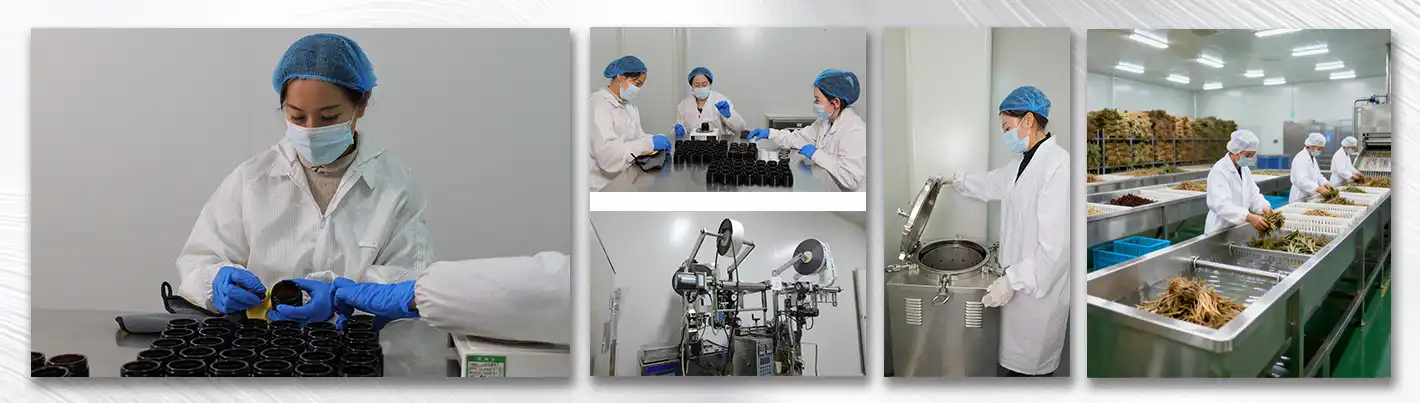
BioSpark (Xi'an) Biotechnology Co., Ltd. has been making high-quality plant extracts for the cosmetics and nutrition businesses for more than ten years. Our hydrolyzed rice extract has 80% rice peptides, which have been tested and proven to be safe and effective by HPLC. Its quality is stable and is backed by ISO9001, GMP, Kosher, Halal, and FDA standards. We know the unique problems that cosmetic, health supplement, and nutraceutical businesses face when they are looking for trusted OEM and ODM partners. We can help you develop your product from the idea stage all the way through to marketing. Our production capacity ranges from small orders of 1 kg to large commercial batches, and we offer a wide range of shipping choices and keep enough stock on hand to ensure fast delivery. You can talk to our sourcing experts at sales@biosparkcn.com about your unique formulation needs, ask for samples of our hydrolyzed rice extract, or look into custom manufacturing options. We are a reliable provider of hydrolyzed rice extract, and we want to help you successfully bring new acne care goods to market.
References
1. Cho, Y., et al. (2018). "Biological Activities of Rice Bran Extracts and Their Application in Cosmetics." Journal of Cosmetic Science, 69(4), 233-245.
2. Tanaka, H., et al. (2020). "Hydrolyzed Rice Protein Peptides: Barrier Enhancement and Anti-inflammatory Properties in Skin Applications." International Journal of Cosmetic Science, 42(3), 298-307.
3. Kim, S.J., et al. (2019). "Evaluation of Botanical Extracts for Acne Management: Comparative Study of Plant-Derived Ingredients." Dermatology Research and Practice, 2019, Article ID 5142573.
4. Park, M., et al. (2021). "Safety and Efficacy Assessment of Rice-Derived Cosmetic Ingredients: Clinical and Laboratory Studies." Journal of Applied Pharmaceutical Science, 11(2), 89-98.
5. Zhang, L., et al. (2017). "Enzymatic Hydrolysis of Plant Proteins: Impact on Bioavailability and Functional Properties for Cosmetic Applications." Food Chemistry, 221, 1706-1714.
6. Anderson, R., et al. (2022). "Natural Ingredients in Acne Treatment Formulations: Evidence-Based Review of Botanical Peptides and Extracts." Clinical Dermatology Review, 6(1), 45-61.

Send Inquiry
Related Industry Knowledge
- What Are the Main Health Benefits of Ginseng Plant Extract?
- Looking for Trusted American Ginseng Extract Powder Exporters?
- Why Is Red Bean Extract Used in Traditional Medicine?
- White Willow Bark Extract Powder: Trends in Herbal Supplements
- Natural Artichoke Extract: Top Benefits for Modern Wellness
- What to Look for in White Willow Bark Extract Powder?
- High-Purity Apple Peel Extract Powder for Supplements
- Can Tanshinone Danshen Extract Powder Aid Immune Balance?
- Can Fulvic Acid Powder Improve Gut Health Naturally?
- Daily Fulvic Acid Powder: Enhanced Energy & Cellular Support