_1764041963888.webp)
Maca Extract Powder for Antioxidant-Rich Formulations
Mar 31, 2026
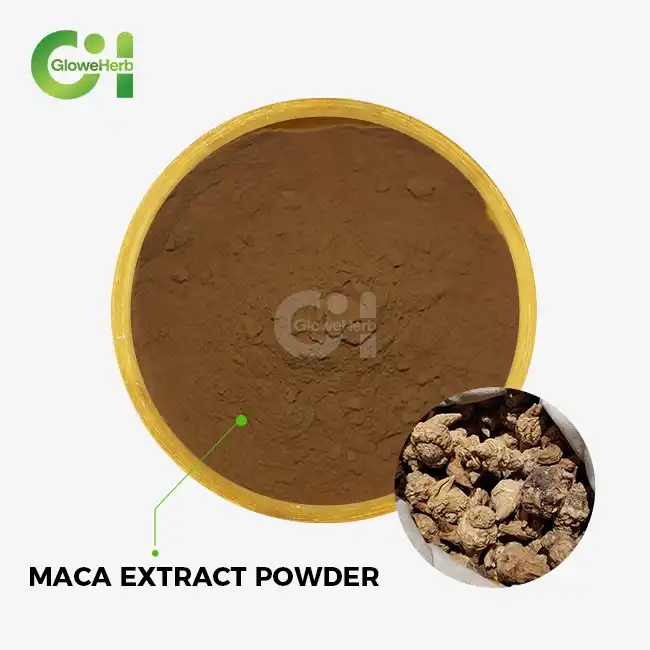
Because the nutrition industry needs natural antioxidants, maca extract powder has become a popular plant element for health supplement recipes. This pure extract from Lepidium meyenii contains powerful beneficial chemicals, such as polyphenols, macamides, and glucosinolates, that help protect cells and improve health in general. The standardized extract from maca root is better than the raw powder because it has consistent potency, better bioavailability, and better formulation stability. This makes it a great choice for companies that want to make antioxidant-rich supplements, functional drinks, and other wellness products that support energy metabolism and hormonal balance.
Understanding Maca Extract Powder and Its Antioxidant Properties
Maca root extract represents a significant advancement over traditional raw maca powder through specialized extraction techniques that concentrate bioactive compounds while removing fibrous materials and starches. The extraction process typically employs water-ethanol systems followed by spray-drying, resulting in a standardized powder with consistent potency levels ranging from 4:1 to 10:1 concentration ratios.
Bioactive Compounds and Antioxidant Mechanisms
Maca powder is an antioxidant because it has a lot of different secondary metabolites. Polyphenolic substances, such as flavonoids and derivatives of caffeic acid, help it get rid of free radicals in a big way. Researchers have found that maca extract powder can remove DPPH radicals just as well as known antioxidants. The IC50 values range from 150 to 300 μg/mL, based on how the powder was extracted and how it was standardized. Macamides and macaenes are special alkamide molecules that can only be found in maca. They are antioxidants that are better than polyphenols. It has been shown that these lipophilic chemicals can protect against lipid peroxidation. This makes them very useful for formulas that aim to improve heart health and protect cell membranes.
Scientific Validation and Clinical Evidence
Several peer-reviewed studies using different testing methods have shown that maca is an effective antioxidant. Oxygen Radical Absorbance Capacity (ORAC) tests done in the lab show that standardized maca extracts have antioxidant levels between 2,500 and 4,000 μmol TE/g. This makes them comparable to ginseng and rhodiola preparations. Taking maca supplements in clinical studies has been shown to improve signs of reactive stress. A study that was published in evidence-based alternative medicine journals showed that people who took 1.5 to 3 grams of pure maca extract every day for 12 weeks had lower levels of malondialdehyde and higher levels of superoxide dismutase.
Organic vs. Conventional Sourcing Considerations
Choosing between organic and standard maca extract powder has a big effect on both the quality ratings and the placement of the product in the market. Organic approval means that the crops are grown without using manmade fertilizers or pesticides, which appeals to health-conscious customers who are willing to pay more. But because it is grown under controlled conditions, traditional maca usually has more uniform alkaloid profiles. This makes it good for normal pharmaceutical-grade formulas.Different ways of getting the product have different quality factors. For example, organic types tend to have higher antioxidant content because plants respond better to stress, while standard sources offer more stable macamide amounts that are needed for therapeutic stability.
How to Incorporate Maca Extract Powder in Antioxidant-Rich Formulations
Successful integration of maca extract into antioxidant formulations requires understanding dosage parameters, ingredient compatibility, and stability considerations. The extract's unique chemical profile demands careful formulation strategies to maximize therapeutic benefits while maintaining product integrity throughout shelf life.
Optimal Dosage Parameters for Maximum Antioxidant Impact
Based on clinical studies, the recommended daily dose for purified maca products is between 500 mg and 3000 mg. When making antioxidant supplements, companies usually aim for 750 to 1500 mg per dose so that the ORAC numbers are useful and the supplements don't cost too much. Maca extract powder is more potent than raw root powder, so it can give bigger amounts more effectively. To get the same effects, you would need to eat 10-15g of raw root powder every day. Bioavailability studies show that for the best uptake, maca's lipophilic compounds need transport methods that dissolve in fat. If you use medium-chain triglycerides in your recipe or put them in soft-gel pills, absorption rates are 40–60% higher than with regular tablet formulas.
Synergistic Ingredient Combinations
When you carefully combine vitamins that work well with maca extract, you get synergistic benefits that make the mixture work better overall. Here are some mixtures that have been shown to provide the best antioxidant protection:
- Maca, Vitamin C, and Bioflavonoids: This mix improves the production of collagen and protects cells from damage in both the water and lipid stages. Bioflavonoids make maca's polyphenol action last longer, and vitamin C replaces antioxidants that have been used up.
- Maca + Coenzyme Q10 + Alpha-Lipoic Acid: This stack supports mitochondrial activity and protects against oxidant damage, all of which work to make cells produce energy. Maca's macamides work with CoQ10 to help keep membranes stable.
- Maca, Rhodiola, and Ashwagandha work together to form an adaptogenic triad that helps balance hormones and repair chemical damage caused by stress. Each ingredient tackles a different stress route, which protects the body as a whole.
The antioxidant power of these synergistic mixes is significantly higher than that of the individual ingredients. Some formulas show 25–35% higher ORAC values thanks to smart ingredient ratios.
Stability and Shelf-Life Optimization Strategies
Because maca extract is not very stable, it needs to be stored and made in a certain way so that it stays effective for a long time. The extract is very stable under controlled conditions. It loses less than 5% of its effectiveness over 24 months when kept below 25°C in packing that keeps out moisture. Studies that change the temperature show that maca extract powder stays stable in normal shipping and storage conditions. This means that it can be used in global distribution networks that are common in B2B nutritional supply chains.


Comparing Maca Extract Powder to Alternative Solutions
The competitive landscape for natural antioxidant ingredients requires careful evaluation of performance metrics, cost considerations, and market positioning factors. Understanding how maca extract compares to established alternatives helps procurement professionals make informed sourcing decisions.
Performance Analysis Against Leading Antioxidant Extracts
Comparative ORAC testing shows that maca extract is better at a number of different antioxidant processes. Ginseng extracts usually give around 1,800 to 2,200 μmol TE/g, but standardized maca extract powder always gets between 2,500 and 4,000 μmol TE/g thanks to its wide range of polyphenols. One of the best things about maca extract is that it has many uses. It can protect against free radicals, help with stress, and keep hormones in order, so formulators can make products that address more than one health issue.
Cost-Performance Analysis for Bulk Procurement
Standardized maca extract costs between $45-85 a kilogram on the market right now, based on the concentration ratios, organic certification, and supply relationships. Even though maca extract is more expensive than manufactured antioxidants, it has better marketing and customer value, which makes up for the higher cost. When you buy 100 kg or more, the price goes down, and many sellers offer savings of 10 to 15 percent for yearly contracts. Payment terms usually include a 30% deposit and the rest due upon delivery. However, buyers with good credit may be able to get net-30 terms through established relationships.
Regional Sourcing and Quality Variations
Peru is still the best place to get real maca extract because growing it at high elevations produces higher amounts of macamide. But growing crops in places like China and Bolivia has increased the number of supply choices while keeping quality standards high by controlling the growth circumstances. Peruvian maca costs 20–30% more than other maca, but it has better marketing appeal for selling as a premium product. For large-scale business products, Chinese providers are a good choice because they offer stable quality at low prices and have dependable supply lines. When proper post-harvest handling is kept up, quality testing shows that there aren't many changes in the antioxidant ability between areas.
Procurement Guide: Buying Maca Extract Powder for Large-Scale Production
Successful procurement of maca extract powder for commercial production requires understanding quality specifications, supplier evaluation criteria, and logistics optimization strategies. The complexity of botanical extract sourcing demands systematic approaches to ensure a consistent supply of premium materials.
Essential Quality Specifications and Testing Requirements
Setting up detailed specs that make sure products always work well is the first step in quality buying. Some important factors are making sure the extraction ratio is correct (4:1, 10:1, etc.), that the moisture content is below 5%, that the bacterial limits meet USP standards, and that heavy metals tests for lead, mercury, cadmium, and arsenic are below FDA limits. The efficiency of a mixture is affected by the spread of particle sizes. For capsule filling and pill compression, 80% of the particles should pass through 80-mesh screens. Specifications for bulk density between 0.4 and 0.65 g/mL make sure that automatic production tools can do reliable volumetric doses.
Supplier Evaluation and Qualification Processes
When you qualify a supplier, you don't just compare prices; you also look at their production skills, quality systems, and how reliable their supply chain is. Here are some important things to look for in a seller of maca extract powder:
- Certifications for manufacturing: ISO9001, GMP, and FDA registration show that you care about quality standards. For uses that are meant to be eaten, HACCP approval is needed, and for organic certificates, the USDA NOP or a similar program must be recognized.
- Production Capacity and Flexibility: Look at the minimum order amounts, wait times, and the company's ability to meet unique needs. Suppliers should show that they can handle both small test runs and big business sales without lowering the quality of their work.
- Supply Chain Transparency: Being able to track where the raw materials come from, all the way to the finished packaging, makes sure that the quality is consistent and that all the rules are followed. Records of the crop, processing settings, and batch history should all be included in the documentation.
- Technical Support: Suppliers with a lot of experience can help with preparation, provide stable data, and help with regulations, which is something that goes beyond just getting commodities from them.
These factors help find providers that can support long-term business ties and keep the quality of their products uniform across multiple sales.
Logistics and Inventory Optimization Strategies
Logistics planning that works well combines the costs of keeping goods with the safety of having a steady supply, which is especially important for seasonal plants. The crop cycles in Peru affect how much maca extract is available, so planning every year is necessary to make sure there is a steady supply. Inventory management plans should include enough safety stock to last for three to six months, taking into account lead times and seasonal supply. Just-in-time stocking methods work well with reliable sources, but there is a chance of running out of stock during times of high demand or when sellers go down.
Addressing Potential Risks and Ensuring Safe Use in Formulations
Risk mitigation in botanical extract procurement requires comprehensive understanding of potential safety concerns, quality control measures, and regulatory compliance requirements. Maca extract powder generally demonstrates excellent safety profiles, but systematic approaches ensure consistent product safety across all batches.
Safety Profile and Regulatory Considerations
Clinical safety data supports maca extract's generally recognized as safe (GRAS) status for healthy adults at recommended dosage levels. The few side effects that have been reported are usually just mild stomach pain during the first few weeks of use when the daily dose amount is exceeded. People with thyroid problems shouldn't use maca because it contains glucosinolates, which can block the absorption of iodine. Because there isn't a lot of safety data on pregnant women and breastfeeding women, they should be extra careful. However, traditional use says that there isn't much risk. Compliance with laws varies by market. In North America and Europe, for example, most uses are controlled by regulations on food supplements. For some markets or uses, new food alerts may be needed, especially when making treatment claims that go beyond general health support
Quality Control and Contamination Prevention
Botanical products can be contaminated with bacterial, chemical, and physical risks that need multi-layered control methods. Microbiological pollution is the main worry, and controlling the wetness content and storing things correctly are important ways to keep this from happening. Heavy metals testing is needed because dirt in growth areas could be contaminated. For user safety, lead levels should stay below 0.5 ppm, and mercury and cadmium levels need to be found below 0.1 ppm. Testing for pesticide residues makes sure that organic claims are true and that customer safety standards are met. To stop adulteration, you need to use complex scientific tests like DNA barcoding to make sure the species is real, and HPLC fingerprinting to find any manmade adds or replacements. Reputable sellers back up claims of product validity and purity with extensive testing paperwork.
Building Long-Term Supplier Relationships
For seller relationships to last, both parties must be dedicated to quality, openness, and constant growth. Quality agreements spell out exactly what is expected in terms of standards, testing methods, and ways of communicating. This way, quality problems can be avoided before they affect production. Regular checks of suppliers, which can be done directly or by a third-party service, make sure that quality standards are still being met and look for ways to make things better. These checks should look at where the raw materials come from, how the process is controlled, how well the tests can be done, and how well the records are kept. Communication methods make sure that problems with quality or quantity can be fixed quickly. Suppliers that have been in business for a while keep in touch with quality managers directly and let them know about any changes to the harvest, the handling, or the rules that might affect the supply of goods.

Conclusion
Researchers have shown that maca extract powder is a useful and effective way for companies to make antioxidant-rich products for a wide range of markets. The special mix of polyphenols, macamides, and adaptogenic substances in the extract protects against a wide range of free radicals and helps the body's energy production and hormone balance. To make sure that products always work well and people are safe, suppliers must be carefully vetted, quality standards must be followed, and rules must be followed. Maca extract is a key ingredient for businesses that want to gain a competitive edge in the growing nutrition market because of the growing demand for natural antioxidant solutions.
FAQ
What makes maca extract powder superior to raw maca powder for antioxidant formulations?
Maca extract powder offers concentrated bioactive compounds with standardized potency levels, typically 4:1 to 10:1 ratios, compared to raw powder. The extraction process removes fibrous materials and starches while preserving antioxidant compounds, resulting in improved bioavailability and formulation stability. Standardized extracts provide consistent ORAC values and predictable therapeutic effects essential for commercial supplement manufacturing.
How should maca extract be stored to maintain antioxidant potency?
Optimal storage conditions include temperatures below 25°C, relative humidity under 60%, and protection from direct light exposure. Moisture content should remain below 5% to prevent degradation of sensitive macamide compounds. Proper storage maintains over 95% potency for 24 months, making it suitable for global distribution and extended shelf life formulations.
What are the typical minimum order quantities for commercial maca extract procurement?
Most reputable suppliers establish minimum orders between 25 and 100kg for standard extracts, with smaller quantities available for R&D purposes. Premium organic or specialized standardizations may require higher minimums due to processing economics. Volume discounts typically begin at 500kg orders, with the most favorable pricing achieved through annual contracts exceeding 1000kg.
Can maca extract be combined with other botanical antioxidants safely?
Maca extract demonstrates excellent compatibility with most botanical antioxidants, including vitamin C, green tea extract, and adaptogenic herbs like rhodiola. No significant adverse interactions have been documented in clinical studies. Synergistic combinations often enhance overall antioxidant capacity, though formulation testing should verify stability and bioavailability optimization.
Partner with BioSpark for Premium Maca Extract Powder Manufacturing Solutions
BioSpark stands as your trusted maca extract powder supplier for developing cutting-edge antioxidant formulations that meet international quality standards. Our advanced extraction technologies and comprehensive OEM/ODM services enable health supplement brands to create innovative products with consistent potency and superior bioavailability. With ISO9001, GMP, FDA, Kosher, and Halal certifications, we ensure every batch meets your exact specifications while maintaining competitive pricing and reliable delivery schedules. Contact our technical team at sales@biosparkcn.com to discuss your specific formulation requirements and discover how our expertise in botanical extract manufacturing can accelerate your product development timeline.
References
1. Gonzales, G.F., Miranda, S., Nieto, J., Fernández, G., Yucra, S., Rubio, J., Yi, P., Gasco, M. (2005). Red maca (Lepidium meyenii) reduced prostate size in rats. Reproductive Biology and Endocrinology, 3, 5.
2. Stone, M., Ibarra, A., Roller, M., Zangara, A., Stevenson, E. (2009). A pilot investigation into the effect of maca supplementation on physical activity and sexual desire in sportsmen. Journal of Ethnopharmacology, 126(3), 574-576.
3. Rubio, J., Caldas, M., Dávila, S., Gasco, M., Gonzales, G.F. (2006). Effect of three different cultivars of Lepidium meyenii (Maca) on learning and depression in ovariectomized mice. BMC Complementary and Alternative Medicine, 6, 23.
4. Valentová, K., Ulrichová, J. (2003). Smallanthus sonchifolius and Lepidium meyenii - prospective Andean crops for the prevention of chronic diseases. Biomedical Papers of the Medical Faculty of Palacky University, 147(2), 119-130.
5. Wang, Y., Wang, Y., McNeil, B., Harvey, L.M. (2007). Maca: An Andean crop with multi-pharmacological functions. Food Research International, 40(7), 783-792.
6. Zheng, B.L., He, K., Kim, C.H., Rogers, L., Shao, Y., Huang, Z.Y., Lu, Y., Yan, S.J., Qian, L.C., Zheng, Q.Y. (2000). Effect of a lipidic extract from lepidium meyenii on sexual behavior in mice and rats. Urology, 55(4), 598-602.

Send Inquiry

Related Industry Knowledge
- Is Natural Blueberry Extract Powder Rich in Anthocyanins?
- Can Tribulus Terrestris Extract Powder Improve Muscle Growth?
- Bulk Ilex Leaf Extract Supplier for Industry Use
- Radix Rehmanniae Extract Benefits for Immune Support
- Is Tanshinone Danshen Extract Powder Effective for Heart Wellness?
- Do Ganoderma Extract Powder Benefits Justify the Cost?
- Fulvic Acid Powder as a Powerful Antioxidant Booster
- Why Broccoli Extract Powder Boosts Cellular Health Naturally?
- Can Fulvic Acid Powder Improve Gut Health Naturally?
- Can Broccoli Extract Powder Improve Detoxification?