Is Liposomal Zinc Glycinate Better Absorbed Than Zinc?
Oct 23, 2026
Liposomal zinc glycinate is better absorbed than most traditional zinc supplements. So, zinc glycinate is encapsulated in phospholipid vesicles (liposomes), which protect the vitamin from being broken down in the digestive tract and therefore help to improve its absorption compared to normal forms. These vesicles are nano-sized, generally 80–150 nm in diameter, and they fuse with the membranes of intestinal cells to deliver zinc straight into the bloodstream. Studies of liposomal delivery techniques always indicate greater bioavailability than free-form mineral salts. For brands and manufacturers procuring zinc materials, the difference in absorption efficiency is directly linked to product performance and customer satisfaction.
Understanding Zinc Supplement Forms and Absorption
Zinc pills are available in various forms, and they operate in different ways. How much zinc your body takes in relies on the chemical state it's in. That can make a huge impact.
Common Zinc Forms and Their Limitations
Common forms of zinc include zinc gluconate, zinc sulfate, zinc citrate, and zinc picolinate. Nutrients may be absorbed in a number of ways, although stomach gas, existing minerals, and gut enzymes can interfere with absorption. This sort of zinc is one of the cheapest available, but it might make you ill and cause you stomach problems. Even zinc picolinate, which is generally marketed as the “best” form of zinc, cannot work if you don’t have a healthy digestive system.
How Liposomal Technology Changes the Picture
Liposomal zinc glycinate is a zinc-glycine chelate that is encapsulated in a phospholipid bilayer that is structurally similar to the cell membrane of a human person. This shell protects the zinc from the stomach acid and enzymes in the gut so the zinc is not harmed. (The cells need to suck the vesicles in, so they can enter the cells.) This is not a passive transmission of stuff. It builds a delivery mechanism that goes into the systemic circulation with much less harm.
What the Microstructure Tells Us
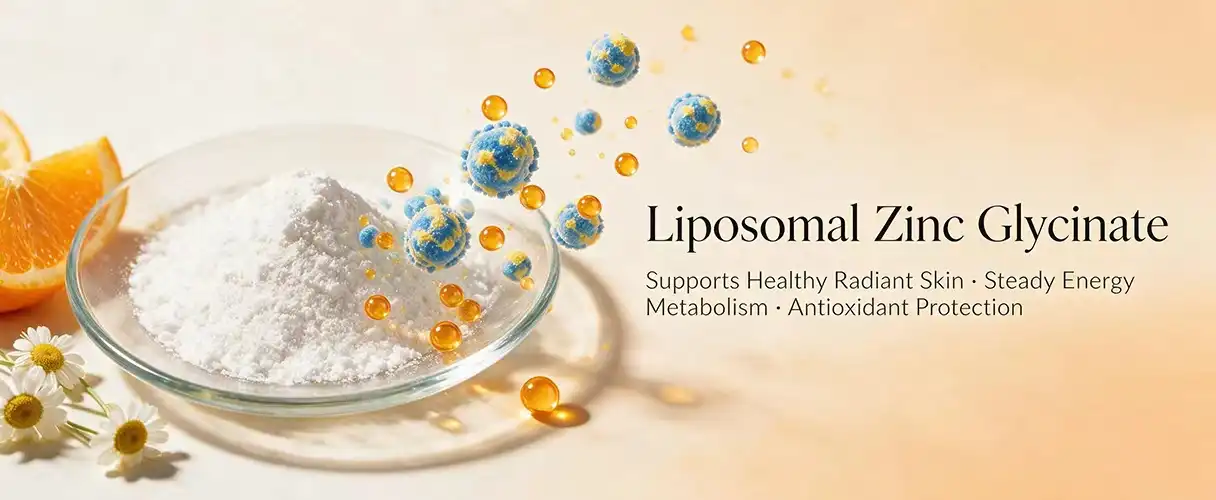
The form of the product is significant while manufacturing a product. Liposomal zinc glycinate is freeze-dried into a white or off-white powder. The liquid is a milky, transparent colloid. At least 85% of its nanovesicles are kept sealed, and the particle sizes are generally in the range of 80 to 150 nm. The PEG alteration is more hydrophilic, so the particles aren’t going to clump together when they’re delivered or stored. This is a vital feature for quality assurance in B2B buying.
Advantages of Liposomal Zinc Glycinate for Immune Support and Beyond
But the attraction of this type of zinc extends well beyond how easily it is absorbed. Its more benign profile and greater variety of applications make it appealing among many product categories.
Immune Health and Gastrointestinal Comfort
Zinc is well known for its significance for T-cell activity, cytokine modulation, and antioxidant defense. The liposomal formulation provides increased bioavailability so that customers obtain effective quantities of zinc at lower dosages and have fewer gastrointestinal adverse effects sometimes associated with zinc sulfate or gluconate. This makes it particularly suitable for immune-focused SKUs sold as “effective and stomach-friendly”, a rising segment in the U.S. health supplement industry.
Applications Across Product Categories
“The flexibility of liposomal zinc glycinate offers opportunities in a number of high-value segments. Here are the main application areas that B2B customers often focus on:
- Immune health supplements: Ready for flu season support and immune health maintenance year-round. Targeting health-conscious family customers who want both effectiveness and digestive tolerance.
- Skin health & beauty nutrition – combined with vitamin C & collagen in oral beauty beverages or acne-support solutions – zinc works from the inside out for customers seeking skin clarity
- Prenatal and children’s nutrition: Provides a safe, effective, and tasty zinc product for children with selective feeding habits and pregnant women with taste sensitivity, two populations at increased risk of zinc insufficiency.
- Sports Nutrition and Men’s Health: Athletic sweat may deplete zinc. This form is designed for physical recovery and reproductive health with a healthier component profile.
- Clinical and specialist nutrition: Used in nutritional support programs for patients with burns, post-surgical rehabilitation, or intestinal absorption problems when zinc tolerance is poor.
These application sectors are actual commercial opportunities. Brands entering any of these categories are rewarded with a zinc component that works consistently and meets the clean-label criteria.
Safety Profile and Formulation Suitability
Zinc glycinate itself is a well-tolerated amino acid chelate. When encapsulated in soy-derived phosphatidylcholine liposomes, the product can support vegan-certified and organic-compliant formulations. For B2B clients developing products for the U.S. market, this flexibility matters — clean ingredient decks are no longer optional in premium positioning.
Comparative Analysis: Liposomal Zinc Glycinate vs Traditional Zinc Supplements
A lot of useful things can be seen when purchasing teams put zinc ingredients next to each other and compare them.
Absorption Efficiency
Liposomal mineral delivery works better than other methods in bioavailability tests, according to studies in nutrition journals that are reviewed by experts in the field. A study released in 2021 in the journal Nutrients discovered that liposomal products regularly raised plasma mineral levels after being taken as a supplement. Absorption by transporters is needed for free zinc salts, but it stops working at moderate doses. This is not a problem for the liposomal route.
Manufacturing and Quality Benchmarks
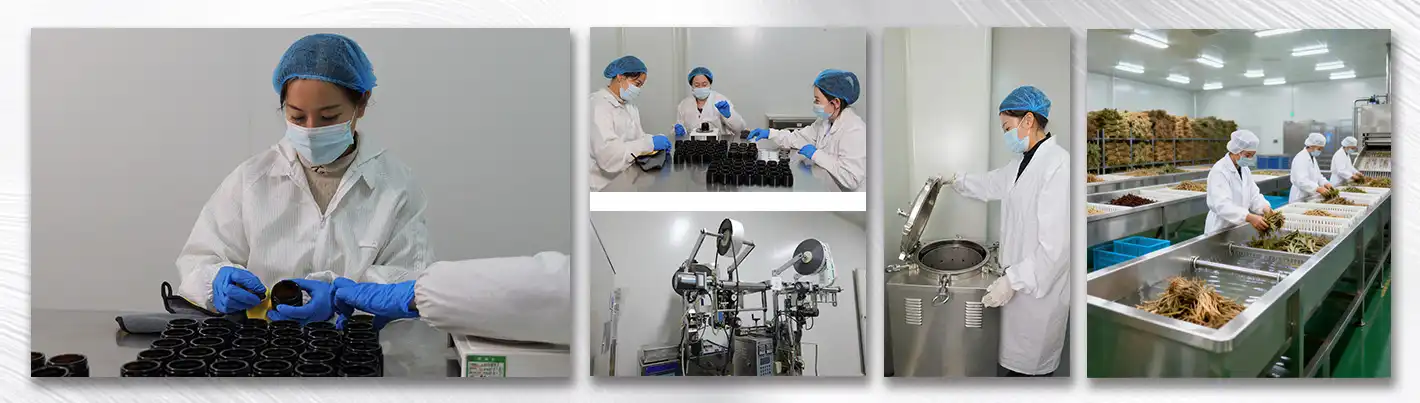
Several important steps must be taken to make liposomal zinc glycinate of high quality. To do these things, pure soybean phosphatidylcholine and cholesterol are used to make a lipid film. The liposomes are then enclosed using pH-gradient techniques, which achieve >90% encapsulation. The particle sizes are then made uniform through polycarbonate membrane extrusion, and they are cleaned with tangential flow ultrafiltration (TFF). We check for bacterial endotoxins, particle size distribution, Zeta potential, encapsulation rate by ICP-OES, and cleanliness in the final quality test. Brands can check these things for each batch when they buy from GMP-certified makers.
Market Positioning and Certification Value
The prices of goods that are made with liposomal zinc glycinate are higher and should be marketed as special. Buyers should at least ask for GMP certification, ISO compliance, and vegan and organic certification if they are available. These certificates are more than just boxes that need to be checked; they protect brands' identities in the U.S. market by making sure that output standards can be checked.
Procurement Considerations for B2B Clients
Sourcing the right zinc ingredient is a strategic decision, not just a commodity purchase.
Supplier Certifications and Documentation
When evaluating a liposomal zinc glycinate supplier, request documentation covering GMP certification, CoA (Certificate of Analysis) per batch, heavy metal testing results, encapsulation rate verification, and particle size data. A supplier that provides full traceability from raw material sourcing through finished product testing is a far more reliable long-term partner than one offering price alone.
Pricing, MOQ, and Flexibility
Bulk pricing for liposomal zinc glycinate reflects the complexity of the manufacturing process. Expect tiered pricing based on volume. Reputable manufacturers offer flexible minimum order quantities — supporting both startup brands testing new formulas and established distributors running large-scale production cycles.
Private Label and Custom Formulation Options
Many brands prefer white-label or OEM/ODM pathways to speed up time-to-market. Custom formulations combining liposomal zinc glycinate with complementary actives — such as vitamin C, elderberry, or collagen peptides — allow brands to build differentiated product lines. Suppliers with in-house R&D capability can support formula development from concept to final product.
Future Trends and Opportunities in Liposomal Zinc Glycinate Market
The liposomal supplement market is growing so quickly because people want high-performance nutrition products that are backed by science.
Growing Demand in Immune and Functional Nutrition
It was worth more than $5 billion in the U.S. in 2023 to sell supplements for immune health. The mineral that sells the most in this group is still zinc. Bioavailability is becoming more well known, and people want more advanced delivery formats like liposomal zinc glycinate. These forms are no longer just important to a small group of people.
Technology Improvements in Liposomal Manufacturing
Product stability is getting better with trehalose, PEG-modified phospholipid technology, and aseptic filling under nitrogen. This means that products can last longer and be more consistent. The supply chain will have fewer unknowns because of these changes, which will directly help business clients. Products will also be more stable as they move around the world.
Strategic Sourcing for Competitive Advantage
When the market grows, it will be better for brands that have stable supply deals with certified liposomal zinc glycinate producers now. It's easy to buy things all over the world with shipping options like DHL Express for sample sales and ocean freight FCL for bulk exports. You can also use terms like FOB, CIF, and DDP.
Conclusion
Liposomal zinc glycinate always works better than other forms of zinc when it comes to absorption, tolerability, and application flexibility. For supplement brands, nutraceutical makers, and distributors who want to sell in the U.S., this zinc ingredient is good for business and health. It works with many high-value product lines, such as clinical nutrition, beauty-from-within, and immune health SKUs. To make products with those ingredient benefits that are ready to sell, the most important thing is to find a qualified maker who is good with technology.
FAQ
Is liposomal zinc glycinate safe for children and pregnant women?
It has been used for a long time and is safe to use as an amino acid compound. The stomach pain is even less severe because of the liposomal shape. Kids and pregnant women are both known to need more zinc than adults. Kids and pregnant women should follow the dosage rules for these groups, and the companies that make them should give the right safety information.
How does the cost of liposomal zinc glycinate compare to standard zinc forms?
It takes more steps to make, so it costs more to make. But the higher price is worth it because it works better and can be used in more situations. When brands want to sell their goods in high-end stores, the cost of the ingredients makes their goods stand out and helps them make more money.
Is it suitable for vegan and organic-certified product lines?
It's possible, yes. As long as it contains non-GMO phosphatidylcholine derived from soy and no other animal-derived ingredients, liposomal zinc glycinate can be used in vegan formulations. To be certified as organic, you need to have a full list of all the ingredients. Check with your seller while the paperwork is being reviewed.
What shipping options are available for bulk orders?
Different shipping options are available from BioSpark and other makers. For samples and small orders that need to be sent quickly, DHL/FedEx express is an option. Air freight is an option for packages with a modest number of items that need to be sent quickly. Finally, FCL or LCL ocean freight is an option for very large orders. They can pick from different trade terms, like FOB, CIF, DDP, and DAP.
Partner With BioSpark — Your Liposomal Zinc Glycinate Manufacturer
As an OEM/ODM service provider, BioSpark (Xi'an) Biotechnology Co., Ltd. helps brands get high-quality liposomal zinc glycinate. Our GMP-certified facility takes care of the whole process, from testing the raw materials to testing the finished product. There are different batch sizes, and we ship everywhere in the world. We can help you make your product goals come true, whether you need something made just for you or a lot of them. Go to www.biosparkcn.com or email us at leao@biosparkcn.com to get a sample or talk about what you need on the site.
References
1. Prasad, A. S. (2013). Discovery of Human Zinc Deficiency: Its Impact on Human Health and Disease. Advances in Nutrition.
2. Rink, L., & Gabriel, P. (2000). Zinc and the Immune System. Proceedings of the Nutrition Society.
3. Bhattacharya, S. (2009). Liposomes: A Platform for Enhanced Drug Delivery. Journal of Pharmaceutical Sciences and Research.
4. Tóth, T., et al. (2021). Comparative Bioavailability of Mineral Supplements: Liposomal vs. Conventional Forms. Nutrients.
5. Walker, C. F., & Black, R. E. (2004). Zinc and the Risk for Infectious Disease. Annual Review of Nutrition.
6. Wessells, K. R., & Brown, K. H. (2012). Estimating the Global Prevalence of Zinc Deficiency: Results Based on Zinc Availability in National Food Supplies. PLOS ONE.

Send Inquiry

Related Industry Knowledge
- Where to Buy Premium Barley Sprout Flour in Bulk?
- Yellow peach powder Applications in Drinks, Bakery, and Snacks
- Egg yolk fruit powder Applications in Smoothies, Snacks, and Bakery
- Is Coconut Milk Extract Powder More Cost-Effective Than Canned?
- Is Coconut Milk Extract Powder More Cost-Effective Than Canned?
- Is Coconut Milk Extract Powder More Cost-Effective Than Canned?
- Is Coconut Milk Extract Powder More Cost-Effective Than Canned?
- Is Coconut Milk Extract Powder More Cost-Effective Than Canned?
- Is Coconut Milk Extract Powder More Cost-Effective Than Canned?
- Is Coconut Milk Extract Powder More Cost-Effective Than Canned?
- Is Coconut Milk Extract Powder More Cost-Effective Than Canned?
- Is Coconut Milk Extract Powder More Cost-Effective Than Canned?
- Is Coconut Milk Extract Powder More Cost-Effective Than Canned?
- Why Is Marigold Extract Powder the Top Lutein Source Globally?
- Is echinacea extract powder effective for seasonal immune protection?
- Egg Yolk Fruit Powder Benefits for Health Food Products
- What Makes Premium Barley Sprout Flour Stand Out?
- Can Marigold Extract Powder Support Vision Health?
- Apple Peel Extract Powder for Cholesterol Support