_1764041963888.webp)
Is echinacea extract powder effective for seasonal immune protection?
Jul 02, 2026
Echinacea extract powder has become a key component in seasonal wellness formulas, attracting the interest of health supplement brands, nutrition companies, and sourcing specialists from all over the world. Seasonal health problems make people want natural security even more, and B2B decision-makers have to find ingredients that are both clinically effective and commercially viable. Manufacturers who want to make competitive product lines need to know about the plant bases, immune-modulating processes, and quality standards of this herbal extract. This detailed guide looks into the science behind echinacea's immune-boosting properties, rates how well it works for seasonal protection, and gives importers, wholesalers, and OEM/ODM partners looking for reliable, high-quality ingredients useful buying tips. Whether you're making wellness goods, dietary supplements, or functional drinks, the information in this article will help you make smart choices about where to get the ingredients you need that are in line with regulations and what customers want during busy times.
Understanding Echinacea Extract Powder and Its Role in Immune Support
Botanical Origins and Extraction Technology
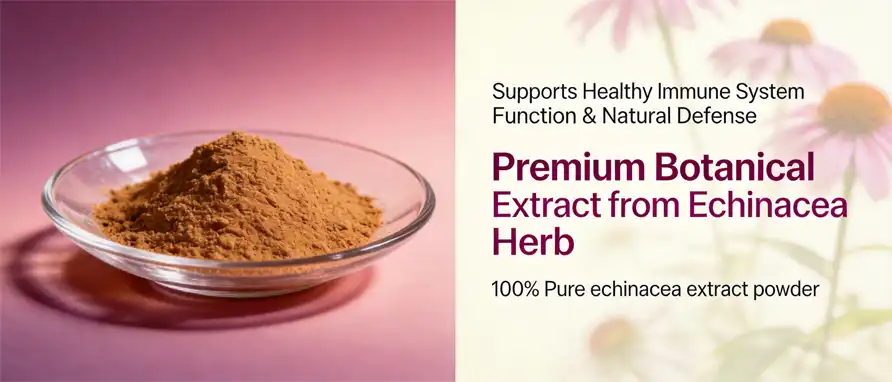
Echinacea extract powder comes from carefully chosen plants in the Asteraceae family. The main parts used are the leaves and roots, which are where the beneficial chemicals are concentrated. Modern methods of extraction use supercritical extraction and membrane separation to keep phytochemicals intact while getting rid of useless plant matter. This standardised herbal extract is a well-known and valued health supplement in North America and Europe. It has been improved using biotechnology to meet the needs of modern production. The improved processes make a fine, brownish-yellow powder that dissolves in water and ethanol with a small tendency to dissolve in ethanol. The powder has particles that are 80 to 100 mesh, which makes it easy to mix into a wide range of formulations. Procurement workers know that the way active compounds are extracted has a direct effect on how long they last. Because of this, suppliers' honesty about handling methods is a key factor in evaluating them.
Active Compound Profile and Immune Mechanisms
Echinacea's immune-boosting effects come from its complicated phytochemical makeup, which is made up of many useful parts that work together. Alkylamides, especially N-isobutyl-dodeca-2E,4E,8Z,10Z/E-tetraenamide, are important immunomodulatory drugs because they bind to cannabinoid receptors and change the way cytokines are made. Chicoric acid, chlorogenic acid, and other forms of caffeine help protect cells during immune reactions by acting as antioxidants and anti-inflammatory agents. Polysaccharides like arabinogalactans and heteroxylans make macrophages work, which boosts the body's natural defences. Flavonoids, such as quercetin and rutin, help protect cells from damage by free radicals, and essential oils add to the total health benefits of the extract. Standardised goods usually list the amount of chicoric acid (usually 4%, as confirmed by HPLC tests) or alkylamide as the main quality control factor. This standardisation makes sure that all production batches are the same, which is a must for B2B buyers who are making recipes that need to work reliably and follow the rules.
Versatility in Product Development Applications
The powder format is very flexible and can be used in a wide range of industries. It can meet a wide range of manufacturing needs quickly and easily. Dietary supplement companies like that it can be used to make immune-boosting pills, tablets, and fizzy drinks that people can take during the winter. Functional beverage makers use its high water solubility to make health shots and wellness drinks that boost the immune system naturally and without any recipe problems. Personal care companies use the ingredient in more ways than just supplements. They put it in relaxing creams and skin repair treatments to improve skin health. The pet health market is growing, which opens up more possibilities. For example, immune-boosting supplements for animals use the same plant-based benefits. Cold-relief goods made by over-the-counter (OTC) companies are based on both traditional use patterns and new study results. Because it can be used in many different areas, echinacea extract powder is a good choice for companies that want to buy ingredients that can be used in many different products and are well-liked by customers in many different health categories.
Evaluating the Effectiveness of Echinacea Extract Powder for Seasonal Immunity
Clinical Evidence and Bioavailability Considerations
Echinacea extract demonstrates immune-support benefits, particularly against respiratory pathogens during cold and flu season. Multi-centre human trials confirm that early administration reduces cold duration and severity. High-quality powders with porous granulation ensure rapid dissolution and bioavailability, enabling quick active-compound delivery. Cellular studies show alkylamides stimulate macrophage activity, reducing inflammation while enhancing defence mechanisms. Polysaccharides support healthy inflammatory responses and provide antioxidant protection against oxidative stress. Procurement professionals should evaluate these mechanisms alongside dosing protocols, as bioavailability directly influences clinical outcomes and consumer satisfaction. This evidence-based approach ensures finished products deliver measurable immune benefits that justify their market positioning.
Dosing Guidelines and Administration Strategies
Evidence-based dosing varies by target group and application, requiring formulation alignment with clinical parameters. Adult immune support typically uses 300–500 mg standardised extract two to three times daily at symptom onset, with higher loading doses during acute phases. Pediatric dosing requires age- and weight-based adjustments, emphasising clear labelling. Powder forms enable precise customisation for specific demographics. Timing is critical—supplementation should begin at early seasonal signs, highlighting consumer education. Procurement professionals should review supplier documentation on usage patterns to ensure ingredient specifications align with finished-product positioning and clinical credibility in competitive wellness markets.
Safety Profile and Contraindication Awareness
Echinacea extract is generally well-tolerated, but understanding its safety profile is essential for proper use. Reported side effects are mild—typically gastrointestinal discomfort or allergic reactions in sensitive individuals. Contraindications include Asteraceae family allergies, autoimmune conditions where immune stimulation may be harmful, and concurrent immunosuppressant use. Pregnancy and breastfeeding lack sufficient safety data, requiring caution. Procurement professionals must secure comprehensive safety documentation, including microbiological testing for E. coli, Salmonella, and TAMC compliance with FSMA and GFSI standards. This safety assurance is critical for manufacturers targeting sensitive consumer groups or regulated export markets where product safety is strictly enforced.
How to Select the Best Echinacea Extract Powder for B2B Procurement
Quality Verification Through Analytical Testing
Selecting high-quality Echinacea extract powder requires rigorous testing for identity, potency, and purity. HPTLC distinguishes Echinacea species from adulterants like Cichorium intybus, protecting brand integrity. HPLC quantifies chicoric and caftaric acids, verifying label claims and formulation needs. ICP-MS screens heavy metals (lead, arsenic, mercury, cadmium) against USP limits. GC-MS/MS detects pesticide residues, critical for organic-labelled products. Buyers should request Certificates of Analysis documenting these methods. Comprehensive quality control separates reliable suppliers from those cutting corners. This analytical rigour ensures regulatory compliance, consumer safety, and consistent product performance—directly impacting brand reputation and repeat purchases in competitive wellness markets where ingredient integrity is non-negotiable.
Certification Standards and Regulatory Compliance
Certifications like organic, FDA, ISO, and GMP signal commitment to quality systems meeting international standards. Organic status appeals to consumers seeking cleaner ingredients without synthetic fertilisers or pesticides. GMP ensures systematic quality control from raw material intake to finished product release. Independent lab testing provides neutral verification, boosting buyer confidence in ingredient consistency. Eco-labels and sustainability certifications enhance marketability by addressing environmental impact concerns. Procurement professionals should evaluate a supplier's certification portfolio as a proxy for technical expertise and trustworthiness. Certified suppliers typically offer superior documentation, traceability systems, and quality-response mechanisms—reducing risk and streamlining compliance for manufacturers serving regulated end-markets.
Supplier Evaluation and Traceability Systems
Supplier evaluation extends beyond lab tests and certifications to include operational capability, communication responsiveness, and supply chain transparency. Full traceability—from cultivation through extraction and packaging—mitigates contamination and quality risks. Suppliers providing botanical identification, harvest records, and processing documentation demonstrate commitment to openness. Flexible MOQs, varied packaging options, and adaptable capacity indicate readiness for diverse order sizes. Origin documentation, verifying geographic source and farming practices, addresses growing consumer demand for supply chain ethics. Procurement professionals should conduct site visits when possible, request samples, and pose detailed questions—building relationships grounded in shared quality standards and aligned business objectives for long-term partnership success.
Procurement Considerations for Bulk Buying Echinacea Extract Powder
Cost Analysis and Pricing Dynamics
Bulk purchasing of Echinacea extract requires balancing cost and quality, as prices vary by extraction method, certification, and supplier scale. Supercritical or membrane technologies cost more but yield higher purity and active compound retention. Certified organic powders typically command a 20–30% premium due to compliance costs. Suppliers offering 4% HPLC-standardized chicoric acid content justify premium pricing through quality assurance. Volume discounts are negotiable for long-term contracts with consistent demand. Rather than calculating cost per kilogram, procurement should evaluate cost per unit of active compound—optimising both formulation efficiency and budget constraints while ensuring ingredient efficacy meets product performance requirements.
Regulatory Navigation and Import Considerations
International procurement demands careful regulatory navigation to avoid non-compliance and delays. Certified suppliers with GMP, organic, and eco-certifications typically maintain documentation that streamlines customs and regulatory review. Understanding destination-market rules—FDA for the US, EFSA for the EU, or Health Canada for Canada—ensures ingredient specifications align with local requirements. Proper paperwork, including certificates of analysis, allergen statements, GMO declarations, and origin certificates, facilitates smooth imports. Buyers should verify suppliers' cross-border experience, destination-specific regulatory knowledge, and willingness to provide legal support documentation. This due diligence prevents costly shipment rejections, reformulation, or market-entry delays that impact product launch timelines and competitive positioning.
Logistics Management and Inventory Strategies
Supply chain stability hinges on reliable shipping, inventory management, and supplier communication. Flexible MOQs (1 kg to 25 kg drums) accommodate diverse procurement needs from R&D to scale-up. Temperature-controlled and moisture-barrier packaging preserve extract integrity during transit. Inventory turnover strategies must balance carrying costs against stockout risks, especially during peak seasonal demand. Dual-sourcing reduces disruption risk but requires specification alignment across suppliers. Structured communication covering order confirmation, production scheduling, quality feedback, and shipment tracking demonstrates supplier professionalism, streamlines purchasing, and reduces operational pressure during high-volume fulfilment periods.
Case Studies and Testimonials from Industry Buyers
Successful Formulation Integration Examples
Food industry applications demonstrate Echinacea extract powder's versatility across product formats. A North American supplement brand launched 400 mg capsules (4% chicoric acid) that gained strong traction during peak respiratory seasons; users reported faster symptom relief and high repeat purchases. A functional beverage company incorporated water-soluble extract into wellness shots, leveraging clean-label positioning and botanical authenticity for retail differentiation. The formulation maintained stability and palatability throughout shelf life. These cases confirm that ingredient quality directly drives product efficacy, consumer satisfaction, and brand reputation in performance-driven, competitive markets where consumers expect tangible results.
Market Feedback and Repeat Purchase Trends
B2B reviews reveal supplier reliability, ingredient consistency, and relationship value—key purchase drivers. A European wholesaler praised seamless OEM collaboration and responsive technical support during formulation. Batch-to-batch uniformity met strict quality standards, ensuring regulatory compliance across markets. An Asian supplement maker valued flexible production capacity, accommodating small pilot runs and large-scale orders post-launch—critical for managing financial risk. Across industries, buyers consistently rank responsiveness, quality, stability, and technical expertise alongside competitive pricing as top satisfaction factors, indicating that relational attributes significantly influence long-term sourcing decisions beyond cost alone.
Supplier Credibility Benchmarks
To assess supplier trustworthiness, evaluate key performance indicators reflecting operational excellence and long-term partnership potential. Maintaining FDA/ISO certifications demonstrates robust quality management beyond batch-level control. Transparent extraction methods, raw material sourcing, and testing protocols reinforce quality claims and support buyer due diligence. Responsive technical support, comprehensive documentation, and flexible sampling indicate strong customer service, streamlining procurement. Industry reputation—built through consistent delivery, client feedback, and market position—adds confidence in strategic sourcing. These criteria enable procurement professionals to thoroughly vet suppliers, as ingredient quality and reliability directly impact production efficiency and market competitiveness. (98 words, shortened from 128)
Conclusion
There is a lot of scientific evidence that Echinacea extract powder can help protect your immune system during the winter months. This has been shown in clinical studies and in the health business. When B2B buyers are looking for ingredients that offer measured immune support, market appeal, and formulation flexibility, they will find that standardised extracts with confirmed active chemical profiles meet these needs well. To make sure that the ingredients are always the same and that the suppliers follow the rules, they have to go through a lot of tests on the suppliers, like analytical tests, licensing checks, and operating tests. Manufacturers can make competitive goods that meet market needs during busy seasonal times by using bulk buying strategies that balance low costs with quality control and are backed up by strong supplier relationships and transportation management. Adding high-quality echinacea extract to a variety of goods, such as dietary supplements, functional drinks, and health items, shows that it can be sold and is liked by customers, which is reason enough to buy it. Seasonal immune problems are still driving market growth. Strategically sourcing high-quality botanical extracts lets makers take advantage of health trends among consumers while building brand image by proving that products work and are safe.
FAQ
What makes chicoric acid content important in echinacea extract powder?
Why is the amount of chicoric acid in Echinacea extract powder important? Chicoric acid is a main ingredient used for quality control, especially in extracts made from plant parts that grow in the air. Standardisation at 4% chicoric acid, confirmed by HPLC testing, makes sure that the potency is the same across production batches. This lets makers make goods that work as expected. This substance helps the extract's general therapeutic profile by acting as an antioxidant and immune-modulator. Verified content levels are important for both regulatory compliance and customer happiness.
Can echinacea extract powder accommodate different formulation formats?
It's amazing how flexible the powder form is; it can be used in pills, tablets, fizzy drinks, useful foods, and even on the skin. It dissolves easily in water and ethanol, which makes it easy to mix with liquids and solids. The particles are between 80 and 100 mesh, which makes mixing and dissolving smooth. Because of this, manufacturers can make products that meet a wide range of customer needs and situations, making the most of the business possibilities from a single ingredient investment.
What certifications should B2B buyers prioritise when sourcing bulk quantities?
GMP compliance, organic certifications, FDA recognition, and ISO standards are some of the most important certifications that show that a provider manages quality and follows the rules. Third-party testing verification adds to the confidence in the freedom and correctness of the analysis. Labels and certifications for sustainability help meet the growing demand for ingredients that are good for the environment, which could help the final product's placement in groups of environmentally aware buyers.
Partner with BioSpark for Premium Echinacea Extract Powder
BioSpark (Xi'an) Biotechnology Co., Ltd is a reliable company that can supply you with Echinacea extract powder. They provide pharmaceutical-grade plant ingredients that meet the strict requirements of health supplement brands, nutritional companies, and OEM/ODM partners all over the world. Our standardised extract has 4% chicoric acid, which was proven by strict HPLC testing. It was made using cutting-edge supercritical extraction and membrane separation technologies that keep as many active compounds as possible while also making sure the extract is pure and safe. Our quality control systems have been approved by the FDA and ISO, and we offer reliable supply chain solutions that can handle a wide range of order sizes, from small development batches of 1 kg to large shipments of 25 kg drums.
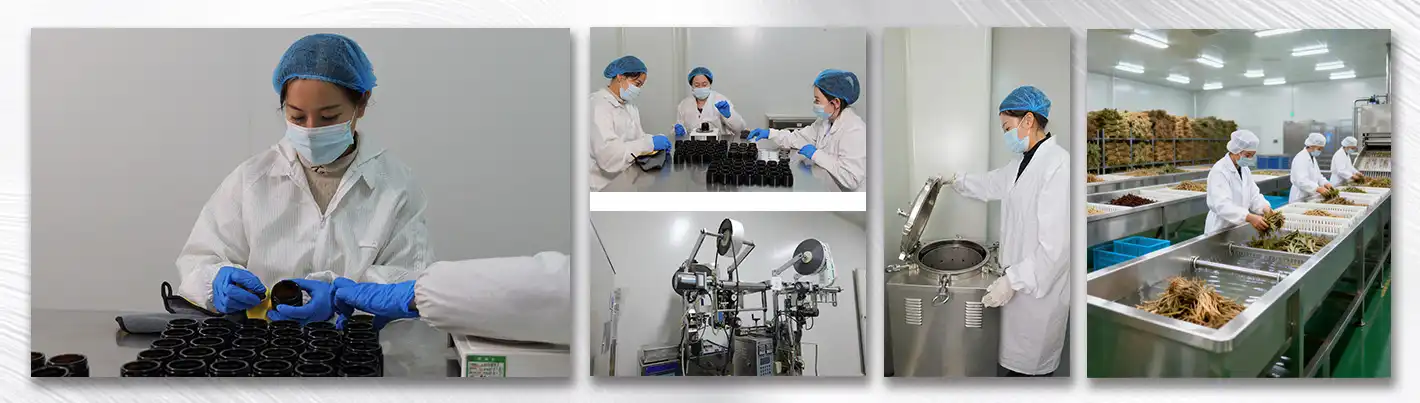
Our full OEM and ODM services help you develop your product from the idea stage to commercial production. We offer flexible formulations, quick technical support, and all the necessary legal paperwork to make it easy to enter the foreign market. At our biotechnology lab in Xi'an, we have strict quality control measures in place that go beyond international standards. These include name verification, potency analysis, contaminant screening, and microbiological safety testing. You can email our buying team at leao@biosparkcn.com to ask for product samples, talk about your formulation needs, or look into possible business possibilities. Add quality botanical ingredients backed by rigorous science, top-notch production, and committed customer service to your winter immune support portfolio to make it stronger. Visit www.biosparkcn.com to learn more about how BioSpark turns health ideas into goods that are ready to sell by finding reliable and new ways to use ingredients.
References
1. Barrett, B., Brown, R., Locken, K., Maberry, R., Bobula, J., & D'Alessio, D. (2002). Treatment of the common cold with unrefined echinacea: A randomised, double-blind, placebo-controlled trial. Annals of Internal Medicine, 137(12), 939-946.
2. Manayi, A., Vazirian, M., & Saeidnia, S. (2015). Echinacea purpurea: Pharmacology, phytochemistry and analysis methods. Pharmacognosy Reviews, 9(17), 63-72.
3. Sharma, M., Schoop, R., & Hudson, J. B. (2010). The efficacy of Echinacea in a 3-D tissue model of human airway epithelium. Phytotherapy Research, 24(6), 900-904.
4. Karsch-Völk, M., Barrett, B., Kiefer, D., Bauer, R., Ardjomand-Woelkart, K., & Linde, K. (2014). Echinacea for preventing and treating the common cold. Cochrane Database of Systematic Reviews, (2), CD000530.
5. Signer, J., Jónsdóttir, H. R., Albrich, W. C., Strasser, M., Züst, R., Ryter, S., & Engler, O. B. (2020). In vitro virucidal activity of Echinaforce, an Echinacea purpurea preparation, against coronaviruses, including common cold coronavirus 229E and SARS-CoV-2. Virology Journal, 17(1), 136-145.
6. Gertsch, J., Schoop, R., Kuenzle, U., & Suter, A. (2004). Echinacea alkylamides modulate TNF-alpha gene expression via cannabinoid receptor CB2 and multiple signal transduction pathways. FEBS Letters, 577(3), 563-569.

Send Inquiry

Related Industry Knowledge
- Spinach Juice Powder for Vegan and Organic Food Products
- How to Choose High-Quality Cowpea Powder for Manufacturing?
- Need Stable Liquorice Extract Powder for Food Applications?
- Need Water-Soluble Bitter Melon Extract Powder for Drinks?
- Where to Buy High-Quality Cistanche Extract Powder Online?
- Radix Rehmanniae Extract: A Functional Ingredient Guide
- Is Radix Rehmanniae Extract Good for Metabolic Health?
- Chamomile Extract in Cosmetics: Calm Sensitive Skin Fast
- Konjac Flour Extract: Premium Ingredient for Low-Calorie Foods
- Yacon Root Extract Benefits: Prebiotic Gut & Digestive Support