_1764041963888.webp)
Is Coconut Milk Extract Powder a Healthy Dairy Alternative?
Apr 22, 2026
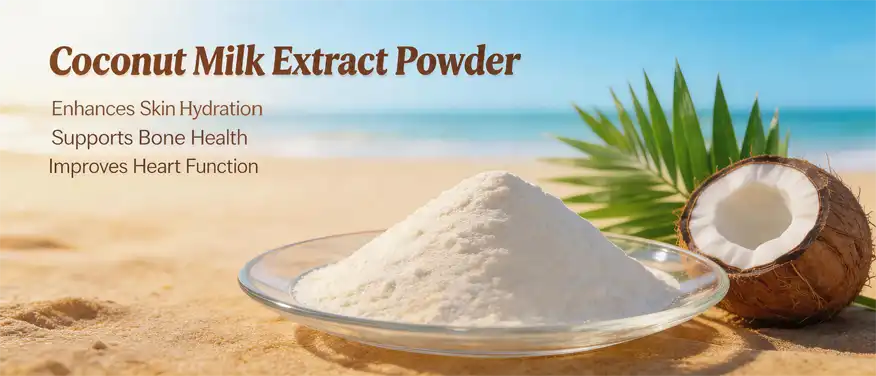
Coconut milk extract powder is a really healthy option to dairy, as shown by its high nutritional value and high level of production quality. This powder made from plants doesn't contain any lactose or cholesterol and is high in medium-chain triglycerides. This makes it a great ingredient for companies that want to make products for health-conscious, vegan, or dairy-sensitive customers. Coconut milk extract powder tastes just like real coconut and has health benefits that liquid dairy can't match. The global shift toward a plant-based diet has completely changed how businesses buy things. Ingredients that combine health benefits, recipe stability, and supply chain efficiency are now what buyers want. Coconut milk extract powder has become a strong option for meeting these needs while also meeting strict quality standards around the world. Knowing how this ingredient might affect new product development helps purchasing professionals make smart choices that are in line with changing consumer tastes and rules. In this article, we look at the ways that coconut milk extract powder is made, its health benefits, industrial uses, and purchasing issues that make it an important ingredient for forward-thinking supplement brands, food manufacturers, and nutraceutical companies. Our tips are meant to help businesses make smart choices when they are looking for reliable OEM/ODM partners who can offer regular quality on a large scale.
What Is Coconut Milk Extract Powder and How Is It Made?
Definition and Core Composition
The white part of grown coconuts (Cocos nucifera L.) is used to make coconut milk extract powder, which is a concentrated, spray-dried slurry. For this extract, instead of just drying out coconut, fresh coconut meat is pressed to make a rich emulsion. This emulsion is then encapsulated to protect the oil phase while it is being processed. The resulting powder contains approximately 98% coconut-derived active components., including 60–70% natural coconut oil, medium-chain fatty acids, vegetable proteins, essential minerals like magnesium and potassium, and carbohydrates. The bioactive profile is based on medium-chain triglycerides, especially lauric acid, which makes up 45–50% of the total fatty acid content. This special mix of ingredients makes coconut milk extract powder different from other dairy powders. It also makes it a useful ingredient that may support normal metabolic function and overall wellness. This powder is a fine, off-white to light yellow powder that smells like coconut milk. the product typically has a particle size range of 100–120 mesh, which makes it easy to flow in commercial settings.
Manufacturing Process and Quality Control
Three important steps are needed to make coconut milk extract powder, and the quality of the finished product depends on them. Manufacturers filter and compress the coconut oil during preparation. They get rid of impurities that don't dissolve through vacuum evaporation to get the right solid content, which should be between 10 and 40 per cent. In the core drying phase, modern spray-drying technology is used to break the liquid into tiny drops measuring tens of microns. This makes sure that the atomisation process works well and that the powder yield is maximised while the nutritional value is maintained. When these drops come into contact with filtered hot air that is between 150°C and 220°C, surface moisture evaporates rapidly within seconds. At exhaust temperatures between 80°C and 100°C, the water keeps draining until dry powder particles with an approved moisture content below 3.0% form. This quick-drying method keeps heat-sensitive nutrients safe and keeps the valuable MCT oils from going rancid. After processing, gas-solid separation removes dry powder from wet air in cyclone separators, and then fluidised bed systems quickly cool the powder to stop it from sticking together. The powder is then put through rotating screens by manufacturers to make sure that the particles are spread out evenly. Before the food is packed in nitrogen-filled aluminium foil bags that keep out oxidation and moisture, it goes through strict testing protocols that look at things like moisture content, particle size distribution, pH levels, fat content, and microbial indicators. Quality assurance systems, such as HACCP and ISO certifications, give B2B clients proof that the food is safe and consistent. These certificates show that the production of coconut milk extract powder complies with international rules at all stages, from getting the raw materials to putting the powder in packages. Manufacturers with a good reputation keep detailed records of every production batch, which helps importers and wholesalers serving controlled markets make sure they are following the rules.
Storage and Shelf Life Considerations
Keeping coconut milk extract powder in the right conditions has a big effect on its useful qualities and how long it lasts. When kept properly, the low moisture content (below 3.0%) and water activity stop enzymes from breaking down the food and microbes from growing, which extends the shelf life to 18 to 24 months. Because of lipase activity, liquid coconut milk usually goes bad within 24 hours. This longer stability solves the problems that come with it going bad so quickly. For best storage, keep the temperature below 25°C and the relative humidity below 60%. Nitrogen-filled packaging displaces oxygen, which further saves the powder from going bad due to oxidation. This keeps both the nutritional value and the taste. This advantage of steadiness lowers the risks of managing inventory and gives bulk buyers who are planning long-term formulation plans more freedom over when and how much to make.

Health Benefits of Coconut Milk Extract Powder Compared to Dairy Alternatives
Lactose-Free and Allergen-Friendly Profile
Coconut milk extract powder has a lot of benefits for people who are sensitive to dairy or can't handle lactose. Nutritional epidemiological data indicates that approximately 65% of adults worldwide experience some degree of lactose malabsorption. Unlike regular dairy powders, which contain lactose and casein proteins that cause allergic reactions, this plant-based alternative doesn't have any dairy-derived ingredients, so it can be used by people on elimination diets or who are managing food sensitivities. It's also safe for people who are allergic to tree nuts. Botanically, a coconut is a drupe, not a real nut. However, makers still have to follow labelling rules for people who are allergic. But the prevalence of clinical allergic reactions to coconut is considerably lower than the rate of reactions to dairy proteins. This means that coconut milk extract powder is a good choice for most people who want to avoid dairy. This wider application helps product makers make recipes that are open and can work with a variety of food limitations.
Medium-Chain Triglyceride Benefits
Because it has a lot of medium-chain triglycerides, coconut milk extract powder is good for your metabolism in ways that regular dairy can't. When you process MCTs, like caprylic acid, capric acid, and lauric acid, they go through different routes than the long-chain fatty acids in dairy milk. The small intestine absorbs these medium-chain fats directly into the bloodstream, skipping the lymphatic system and giving the body energy quickly. Lipid metabolism studies suggest that MCTs may support thermogenesis and energy expenditure compared to long-chain triglycerides, which may be beneficial for weight management when combined with a balanced diet. The body prefers to use MCTs for energy right away instead of keeping them as fat. This makes coconut milk extract powder very useful in ketogenic and low-carbohydrate product formulas. This difference in metabolism makes the ingredient ideal for functional foods aimed at active people and people who are watching their metabolic health. Lauric acid, which constitutes approximately 45–50% of the fatty acid profile, has been studied for its potential antimicrobial properties associated with membrane disruption in certain pathogens. These natural properties may contribute to overall wellness beyond basic nutrition., making it appealing to people who want to eat foods that are good for their health as a whole. Research has explored associations between lauric acid and immune markers., but product makers need to make sure that any health claims they make are legal.
Cholesterol-Free Cardiovascular Support
Because coconut milk extract powder has no cholesterol at all, it is different from dairy options when it comes to heart health. There are about 10 to 15 mg of dietary cholesterol in 100 grams of cow milk. On the other hand, plant-based milks that contain ingredients derived from coconut naturally have no cholesterol. People who are trying to lower their risk of heart disease or follow the heart-healthy eating plans that health groups suggest should pay attention to this difference. The saturated fat level in coconut milk extract powder should also be taken into account. Because it is made from coconut oil, the powder contains naturally occurring saturated fats. Emerging nutritional research has encouraged a more nuanced understanding of saturated fats and cardiovascular health. Long-chain saturated fats found in meat and dairy products act differently in the body than the specific fatty acid makeup, especially the high lauric acid level. Lauric acid has been associated with changes in both LDL and HDL cholesterol, with a more pronounced effect on HDL in some studies. This may support a more favourable lipid profile. Product developers should share this nuanced view with procurement professionals, whose job it is to balance formulation goals with accurate nutritional messaging. Coconut milk extract powder can be used in situations where plant-based and cholesterol-free ingredients are what the target customer wants. However, the saturated fat level should still be taken into account when planning a diet. Buyers making goods in a range of health areas can make better decisions with this level of openness.
Addressing Common Misconceptions
People and businesses alike still have a lot of wrong ideas about products that come from the coconut, which needs to be cleared up so that they can be properly evaluated. Coconut milk extract powder has a high caloric density because it contains a lot of fat. A typical serving provides concentrated energy due to its high fat content. This property works best for nutrient-dense products like meal replacements, sports nutrition, and ketogenic foods, not for low-calorie diet foods. The idea that all plant-based alternatives are automatically "healthier" than dairy needs to be looked at in the context of the product. Coconut milk extract powder has some benefits, like not containing any allergens, having MCT content, and not containing cholesterol. However, it also has more saturated fat and calories than skim dairy milk. As opposed to total superiority, healthfulness relies on the target consumer group, product placement, and general dietary patterns. Organic and non-GMO labels boost buyer trust by giving confirmed guarantees about production methods and ingredient purity. It's especially important for brands that put their goods in high-end health areas, where customers are willing to pay more for products that meet proven quality standards. The people who work in procurement should check to see if the costs of licensing are in line with what their target market wants and how they plan to price their products.
How to Use Coconut Milk Extract Powder in Various Applications
Beverage Formulations and Coffee Creamers
Coconut milk extract powder works great in quick drinks as the main source of fat, giving the drinks a creamy texture and tropical flavours. For ketogenic coffee mixes and vegan latte blends, the powder needs to be able to handle water temperatures above 80°C without breaking the emulsion. This is made possible by properly encasing the powder during production. The powder dissolves easily in water and quickly returns to its original form, so drinks stay smooth and homogeneous without clumping or separating. Product developers like how it can be used to make stable emulsions that taste like dairy creamers while still providing MCT benefits. The coconut milk extract powder melts quickly and evenly throughout hot or cold drinks, giving them a unique "mouth-coating" feeling that makes them taste richer. This feature helps plant-based drinks with sophisticated tastes stand out as high-end. The longer shelf life is especially useful for quick drink forms that need to be stable in room temperature storage. In contrast to liquid coconut milk, which needs to be kept cool and has a short shelf life, the powder form stays fresh throughout normal distribution cycles and is easy for people to store in their kitchen. This benefit of steadiness cuts down on supply chain costs and waste while opening up more ways for finished goods to be sold.
Bakery and Confectionery Applications
When used in industrial baking recipes, coconut milk extract powder adds fat solids without adding free water. This is an important difference that keeps gluten from activating and keeps finished products' soft crumb structures. This is helpful for biscuit fillings, cake premixes, and dough formulations that need to be kept moist, since the powder adds richness and flavour without the problems that come with using liquid ingredients. The powder's ability to work with automated production systems also makes operations run more smoothly. Controlling the particle size at 100–120 mesh makes the material free-flowing, which makes sure that the right amount is added in high-speed production settings. Specifications for bulk density between 0.3 and 0.50 g/ml make it easier to use consistent volumetric or gravimetric feeding systems. This lowers formulation variability and supports quality consistency across production runs. Companies that make dairy-free desserts and candies like the powder's authentic coconut flavour profile. In contrast to fake flavours or watered-down coconut ingredients, properly made coconut milk extract powder keeps the complex scent compounds that are typical of fresh coconut. This gives real taste experiences that appeal to people who want ingredients that are easy to recognise on the label. This realism supports the idea that the product is an expensive one and makes customers happier.
Nutraceutical and Functional Food Uses
Using coconut milk extract powder in nutritional products meets several different needs at the same time. Since the powder contains fat-soluble vitamins like A, D, E, and K, it offers the right fatty framework for optimal nutrient absorption while also adding its own beneficial ingredients. These two functions make multivitamins and fortified foods that aim to provide complete nutrition support more valuable. Meal replacement shakes and nutritional supplements use the powder's high-density energy content and low glycaemic effect. Because it has very few carbohydrates compared to its energy density, coconut milk extract powder is great for formulas that aim to control blood sugar or enter a ketogenic metabolic state. The fact that it is non-dairy makes it even more useful for a wide range of people with different dietary needs. Case studies from multinational food processing companies show how bulk-sourcing coconut milk extract powder has helped make it possible to make a lot of new functional foods. Private labelling lets brand owners make their goods stand out while depending on well-known makers with proven quality systems and proof of legal compliance. These agreements help new health brands get to market faster and without having to spend a lot of money.
Processing and Supply Chain Advantages
Compared to liquid coconut milk, the powder form is much easier to ship because it reduces bulk volume by approximately 80% compared to liquid coconut milk and eliminates the costs of sending water. Because of this concentration benefit, freight costs go down, storage space needs go down, and the chance of damage to containers during foreign transport goes down as well. When cooling isn't needed at any point in the supply chain, running costs go down even more, and distribution networks can grow. Keeping temperatures stable during storage and travel makes logistics management easier. While wet coconut goods need to be kept at a certain temperature to keep them from going bad or separating, coconut milk extract powder can be shipped around the world in normal conditions. This makes it less likely that inventory will be lost when temperatures change, and it also lets you choose from different routes that save you money on freight costs. The constant quality and long shelf life support just-in-time manufacturing methods and lower the cost of keeping inventory on hand. Professionals in procurement can buy more of a product to get better prices, and they can be sure that the quality will stay the same during the use time. This kind of financial freedom is especially helpful for smaller makers who are trying to build their brand while also handling limited operating capital.
How to Source and Purchase Coconut Milk Extract Powder for B2B Needs
Supplier Evaluation and Certification Requirements
To find reputable companies that make coconut milk extract powder, you need to carefully look at their skills, credentials, and quality control methods. For international business-to-business purchases, the most important licenses are USDA Organic for getting into the US market, Non-GMO Project proof, FDA registration for US compliance, and EU guidelines for shipping to Europe. These certifications show that production facilities and processes follow strict rules for food safety and quality management. Purchasing professionals should look at more than just baseline certifications to see how well manufacturers' quality control laboratories, testing capabilities, and documentation systems work. Full testing plans that look at bacterial contaminants, heavy metals, chemical residues, and nutritional information show that the company cares about the safety and stability of its products. For growth companies looking to increase volume, manufacturing capacity and scale are very important. Manufacturers who include Certificate of Analysis papers with each production batch make it easier to check for compliance and speed up the import process. Checking to see if providers can handle both small test batches and large-scale production runs keeps supplies from being interrupted as demand for the product rises due to its success. Flexible makers who can change their production rates can respond better to changes in the market and the seasons than stiff facilities that require set minimum orders. Superior sellers are different from basic commodity providers because they can offer technical support. In addition to providing ingredients, manufacturers who offer recipe help, application advice, and legal knowledge add value. This is especially true for new brands that are coming up with their first product ideas. This way of working together speeds up the development of new products and cuts down on mistakes in the preparation process that slow down entry into the market.
Pricing Dynamics and Bulk Purchasing Advantages
Understanding the factors that affect prices helps procurement workers deal well and make good budgets for buying coconut milk extract powder. Prices for fresh coconut on the market, the difficulty of handling it, licensing fees, package requirements, and order numbers are the main things that affect costs. The prices of coconut products change based on crop times, weather patterns in producing areas, and changes in global demand. This means that the costs of ingredients are also subject to change. Volume-based pricing levels offer big discounts on individual units when bought in bulk. Manufacturers usually have graduated pricing systems, which mean that the price per kilogram drops a lot as the order quantity rises, such as at 500 kg, 1000 kg, and 5000 kg. Professionals in procurement should weigh the costs of keeping inventory against the benefits of volume discounts to figure out the best order sizes that balance price advantages with the need for working capital and storage space. Long-term supply agreements offer price stability and supply security for manufacturers whose needs are likely to stay the same. Prices often stay the same or go up a little bit based on changes in the coconut commodity index in annual contracts that set minimum purchase amounts. Both sides benefit from these deals because they make planning easier and cut down on the costs of negotiating over and over again. Payment terms affect how prices are set and how cash flows. If you're a new customer, you usually have to pay in advance. If you've done business with them before, you can have net-30 or net-60 terms. When doing business across foreign borders, letter of credit agreements protect both parties. However, the fees charged by banks add to the total cost of the transaction. To accurately compare quotes from different suppliers, you should look at the total landing cost, which includes payment terms, goods, insurance, and customs taxes.
Private Label and Co-Packing Opportunities
With private labelling, brand owners can sell coconut milk extract powder under their own names while still using the production and legal compliance machinery of well-known makers. When compared to building specialised manufacturing sites, this setup requires less capital investment and speeds up entry into the market. Private label programs usually have minimum order quantities between 500 kg and 2000 kg, but this can change depending on the complexity of the packaging and the level of customisation needed. Co-packing services go beyond just private labelling and include formulation development, where manufacturers mix coconut milk extract powder with other ingredients that work well together to make their own unique blends. These "turnkey" solutions are especially helpful for brands that don't have their own technology staff or want to outsource production so they can focus their own staff on marketing and sales. When private recipes are involved in co-packing relationships, intellectual property protection is very important. This includes product creation, regulatory compliance paperwork, package design, and fulfilment services. Both sides are protected by clear contracts that spell out ownership rights, duties not to disclose information, and terms of privacy. Brands should check that makers use separate production methods to keep private formulas from different customers from coming into contact with each other and to protect the privacy of unique recipes.
Documentation and Quality Assurance for International Trade
Having all the necessary paperwork speeds up the import and export process and avoids costly delays at customs. For buying coconut milk extract powder internationally, you need commercial invoices with product details and values, packing lists with a list of what's inside each container, certificates of analysis that confirm quality specifications, phytosanitary certificates for agricultural products, and certificates of origin that support tariff classifications and trade agreement benefits. As part of quality assurance, products should be inspected before they are shipped internationally to make sure they meet specifications. Independent proof from third-party inspection services helps keep disagreements low and makes sure that buyers get goods that meet the agreed-upon standards. As part of inspection processes, makers must show proof that their products are legal to sell in target markets. This includes checking the soundness of the package, the accuracy of the labels and batch codes, and the completion of the paperwork. This means making sure that the labelling claims, processing methods, and materials used are all in line with FDA rules for US markets, EU food safety laws for European markets, and similar rules for other target regions. Manufacturers who have done business internationally before keep up with the latest changes to regulations and take steps to make sure they are followed.
Conclusion
There are real health benefits, functional performance benefits, and supply chain savings that make coconut milk extract powder a strategically valuable dairy option. These are some of the most important things that businesses look for when they buy things. The makeup is lactose- and cholesterol-free and high in medium-chain triglycerides. It meets the growing desire for plant-based nutrition while providing metabolic benefits that can't be found in regular dairy products. The advanced spray-drying technology used in manufacturing protects the nutritional value while creating a stable, free-flowing powder that can be used in a wide range of industrial settings. The competitive advantages go beyond the nutritional profile and include logistics benefits such as longer shelf life, lower shipping volumes, and stable storage at room temperature, all of which lower the total cost of ownership. For buying to go well, suppliers need to be carefully evaluated based on things like licenses, quality systems, professional help, and the ability to grow with the business. Brands that pay for these reviews build long-term relationships that provide uniform quality, legal compliance, and fast service that help new products come out and the market grow.

FAQ
Is coconut milk extract powder suitable for lactose-intolerant consumers?
Absolutely, coconut milk extract powder contains zero dairy-derived components, making it naturally lactose-free and suitable for individuals with lactose intolerance. The plant-based composition eliminates both lactose and dairy proteins that trigger sensitivities, providing a genuine alternative rather than simply a reduced-lactose option.
What storage conditions ensure optimal shelf life?
Store coconut milk extract powder in cool, dry conditions below 25°C with relative humidity under 60%, away from direct sunlight. Properly stored in nitrogen-filled packaging, the powder maintains quality for 18-24 months, significantly outperforming liquid coconut milk's 24-hour degradation timeline.
Can coconut milk extract powder serve as a functional alternative to dairy milk in industrial production?
Yes, coconut milk extract powder can serve as an effective dairy alternative in many industrial applications, including beverages, baked goods, and confections, though formulation adjustments may be necessary to account for different fat profiles and functional properties. The powder excels particularly in applications where coconut flavour complements product profiles and where dairy-free positioning adds market value. Technical consultation with experienced manufacturers helps optimise formulations for specific applications.
Partner with BioSpark for Premium Coconut Milk Extract Powder Supply
BioSpark (Xi'an) Biotechnology Co., Ltd offers professionally manufactured coconut milk extract powder crafted through advanced spray-drying technology that preserves authentic coconut flavour and nutritional integrity. Our product features 98% active ingredient content with exceptional water solubility, delivering consistent performance across diverse applications from vegan beverages to dairy-free desserts and functional nutrition products. We provide comprehensive OEM and ODM services supporting brands, distributors, and enterprises throughout product development, from initial concept through large-scale production. Our quality systems maintain rigorous control over raw material sourcing, processing parameters, and finished product specifications, ensuring every batch meets HACCP and ISO certification standards. As an experienced coconut milk extract powder manufacturer, we offer flexible production capacity accommodating small development batches through large-scale commercial orders, with reliable global delivery supporting your supply chain requirements. We invite procurement professionals to request samples and discover how our certified organic options, competitive pricing, and tailored solutions can strengthen your product portfolio with dependable, high-quality plant-based ingredients. Contact our team at sales@biosparkcn.com to discuss your specific requirements and explore partnership opportunities.
References
1. Dayrit, F. M. (2015). "The Properties of Lauric Acid and Their Significance in Coconut Oil." Journal of the American Oil Chemists' Society, Volume 92, Issue 1, pages 1-15.
2. St-Onge, M. P., & Jones, P. J. (2002). "Physiological Effects of Medium-Chain Triglycerides: Potential Agents in the Prevention of Obesity." Journal of Nutrition, Volume 132, Issue 3, pages 329-332.
3. DebMandal, M., & Mandal, S. (2011). "Coconut (Cocos nucifera L.: Arecaceae): In Health Promotion and Disease Prevention." Asian Pacific Journal of Tropical Medicine, Volume 4, Issue 3, pages 241-247.
4. Enig, M. G. (2001). "Coconut: In Support of Good Health in the 21st Century." Presented at the AVOC Lauric Oils Symposium, Manila, Philippines.
5. Raghavendra, S. N., & Raghavarao, K. S. (2010). "Effect of Different Treatments for the Destabilisation of Coconut Milk Emulsion." Journal of Food Engineering, Volume 97, Issue 3, pages 341-347.
6. Marina, A. M., Che Man, Y. B., & Amin, I. (2009). "Virgin Coconut Oil: Emerging Functional Food Oil." Trends in Food Science & Technology, Volume 20, Issue 10, pages 481-487.

Send Inquiry
Related Industry Knowledge
- What to Look for in White Willow Bark Extract Powder?
- Can Saffron Extract Powder 10:1 Help Improve Mood Naturally?
- Chamomile Extract in Cosmetics: Calm Sensitive Skin Fast
- High-Purity Apple Peel Extract Powder for Supplements
- Tangerine Peel Extract for Immune Support Products
- Maca Extract Powder for Cognitive and Mood Benefits
- Mimosa Root Bark Extract: Natural Antimicrobial Agent
- Why Broccoli Extract Powder Boosts Cellular Health Naturally?
- Why Miltiorrhiza Root Extract Powder Enhances Circulation?
- Can Fulvic Acid Powder Help Improve Energy and Mood?