_1764041963888.webp)
How to Use Rosa Roxburghii Extract in Formulations?
Mar 30, 2026
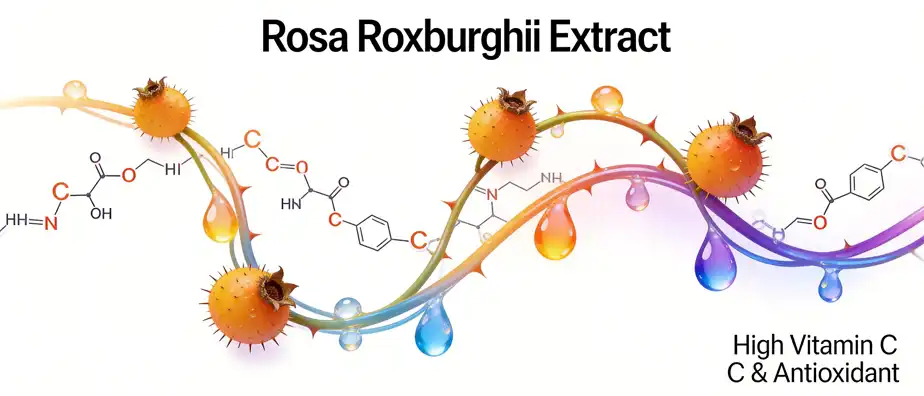
Rosa Roxburghii Extract, derived from Rosa roxburghii Tratt. (commonly known as Cili fruit), is a new ingredient that is becoming popular because it has a lot of vitamin C and potent antioxidant and protective propertie. This detailed guide is for business-to-business customers in the health, nutraceuticals, and skincare industries. It explains how to use the qualities of the extract to make new products. Our goal is to help procurement managers, formulators, and original equipment manufacturers (OEMs) choose, formulate, and source and procure Rosa Roxburghii extract in a way that meets regulatory and market requirements while also improving product performance. With HPLC tests showing vitamin C levels as high as 17% and special VP-VC synergy (Vitamin P-Vitamin C synergy), this plant ingredient gives companies that make natural health products an edge.
Understanding Rosa Roxburghii Extract and Its Key Properties
Botanical Origins and Extraction Methods
Rosa Roxburghii extract comes from a hardy rose species renowned for its high vitamin C content and many other beneficial compounds. The Cili fruit, which is called the "king fruit of vitamin C," is boasts significantly higher vitamin C content than common fruits such as apples, grapes, and pears. Modern botanical extraction techniques, such as low-temperature processing and solvent-free methods, preserve the plant’s beneficial bioactive compounds and bioactivity.
The extract is typically a fine, light yellow to brown powder with an astringent taste, attributed to its tannin and organic acid content. This special physical feature comes from the "VP-VC Synergy," in which the high flavonoid content of Vitamin P protects natural Vitamin C from oxidation, making it much more stable than ascorbic acid alone.
Technical Specifications and Quality Markers
These days, judging the quality of something is based on three main standardization marks that show what a high-quality extract is. HPLC research shows that the vitamin C level is between 3% and 17%, and SOD activity is usually around 2000 U/g. Verification of total flavonoids using UV spectroscopy ensures that all amounts are of the same strength. The extract stays fully soluble in water, so it can be used in water-based devices. However, because it absorbs water, it needs to be stored in a way that controls temperature.
Comparative Advantages Over Similar Ingredients
When you compare Rosa Roxburghii to rosehip and acerola cherry products, it shows better stability and absorption. The amount of natural vitamin P in 100 grams of meat ranges from 5981 mg to 12895 mg, which is a lot more than in most fruits and veggies. Because of this high content, eating half a fruit gives a person the daily recommended amount of both Vitamins C and P. This has strong manufacturing benefits for companies that want to make natural effectiveness claims.
Core Principles for Using Rosa Roxburghii Extract in Formulations
Quality Assessment and Certification Standards
Incorporating Rosa roxburghii extract successfully depends on careful quality control and the best ways to get the extract. Manufacturers should focus on high-concentration products that come from pure sources and are backed by widely known standards. Because the fruit comes from being picked in the wild, it has to meet strict quality standards for low levels of heavy metals (<10ppm) and pesticide residues that meet EP/USP standards.
Important requirements for certification include:
- Compliance with ISO9001 ensures that quality control methods are the same from one production run to the next
- GMP approval guarantees manufacturing standards for pharmaceuticals and contamination control
- Kosher and Halal standards make markets easier for a wider range of consumers to reach
- FDA approval that meets the rules for entering foreign markets
All of these licenses build trust, which is important for making B2B purchasing choices and selling products later on.
Optimal Dosing and Concentration Guidelines
Different types of products have very different recommended usage amounts, so it's important to think carefully about what the product is going to be used for. Skincare products usually use extract amounts between 0.5 and 2% to get antioxidant effects without irritating the skin. Higher amounts, between 100 and 500 mg per serving, are often used in dietary supplements, based on the health goals and the ingredients that work well together.
When figuring out the best dosing settings, it's important to understand absorption factors. The natural vitamin C in Rosa roxburghii extract is better absorbed than manufactured versions, which lets formulators get medicinal effects with lower amounts of the ingredient. This efficiency means that formulations can be made more cheaply without lowering their claims of effectiveness.
Ingredient Compatibility and Synergy Optimization
Rosa Roxburghii Extract must work well with other active ingredients, especially vitamin C extracts and natural antioxidants, so that the product stays stable and works at its best. Ingredients like vitamin E, ferulic acid, and hyaluronic acid work better with the extract in skin care products. Adding minerals like zinc or selenium to nutritional products boosts their immune-boosting effects while keeping the ingredients stable over time.

Step-by-Step Process to Incorporate Rosa Roxburghii Extract in Product Development
Strategic Planning and Goal Alignment
Adding Rosa roxburghii extract to new or current products needs an organized method that is in line with how the product is positioned in the market and what customers expect. The first step in the development process is to set clear product goals that take advantage of the extract's special properties. Anti-aging skin care products use SOD activity and antioxidants to protect cells, while immune support pills focus on how well vitamin C is absorbed and how it speeds up metabolism.
Market study shows that people are becoming more interested in natural products that have been shown to have health benefits. This need is met by Rosa roxburghii extract, which combines traditional plant knowledge with modern scientific proof. Brands that successfully market their goods around "natural vitamin C" or "botanical antioxidants" can often charge higher prices and build relationships with loyal customers.
Extract Form Selection and Processing Considerations
Choosing the right extract form—powder, liquid, or encapsulated—has a direct effect on how well the product works and how efficiently the manufacturing process works. The usual 10:1 concentration ratio keeps the cost-effectiveness of large-scale output while keeping the strength stable. Powder forms give manufacturers the most options for making tablets and capsules, while liquid extracts work well in drinks and on the skin.
Processing factors to think about are:
- Temperature-sensitive, so bioactive chemicals must be handled carefully during production to keep them safe.
- The formulation's pH runs from 4.0 to 6.0 to keep as much vitamin C as possible.
- Protection from light by using the right packing to keep things from breaking down while they're being stored
- Controlling moisture and keeping humidity levels at the right amount to keep powder from sticking and maintain its flow qualities
These technical factors have a direct effect on how long a product lasts and how satisfied customers are with it.
Testing Protocols and Quality Verification
During the creation and marketing stages, the product is kept safe by strict, stable, and performance testing. DPPH radical scavenging tests used in antioxidant preservation studies show that bioactivity is kept under different storage settings. Sensory review groups look at how something tastes, smells, and feels, which can affect how well people like it and how often they buy it again.
Case studies from real life show that Rosa roxburghii extract can be successfully added to a wide range of products. Leading skin care brands say that using natural extracts instead of manmade vitamin C makes a big difference in how well their anti-aging products work. Nutraceutical businesses get a unique situation by making marketing claims about "whole food vitamin C" that are backed up by clinical study data.
Procurement and Supplier Selection Best Practices for Rosa Roxburghii Extract
Geographic Sourcing and Manufacturing Hub Analysis
To source and procure Rosa Roxburghii extract efficiently, you need to find sources that you can trust and that have strong quality management and proven certification standards. China's main production hubs offer reasonable prices while still following strict quality control rules. Chinese suppliers are close to sources of raw materials and already have structures in place for extracting them, which makes it easier to handle the supply chain and keep costs low.
When judging a supplier, you should look at their production ability, quality certifications, and expert help skills. The best providers offer a lot of paperwork, like records of analysis, stable studies, and proof that they follow all the rules. These documents are very important for later product registration and proving marketing claims.
Bulk Purchasing Strategies and Risk Management
When you buy in bulk, you need to carefully think about how to test samples, coordinate processes, and follow customs rules. For initial tests, the minimum order quantity is usually 1 kg. For commercial production, it increases to 25 kg standard packing. Experienced providers offer a range of delivery terms, such as FOB, CIF, CFR, EXW, DAP, and DDP, to meet the needs of a wide range of foreign shipping customers and budgets.
Some ways to lower the risk are:
- Multi-supplier approval cuts down on reliance on a single source and makes sure the supply stays steady.
- Quality testing of trust accounts that use third-party verification before releasing payments
- Managing inventory by matching costs with the risk of running out of stock and changes in demand during different times of the year
- Specifications in the contract make quality standards, delivery dates, and performance fines very clear.
Together, these practices lower the risks of buying while also figuring out the best ways to keep costs low so that businesses can keep growing.
Custom Formulation and Private Label Opportunities
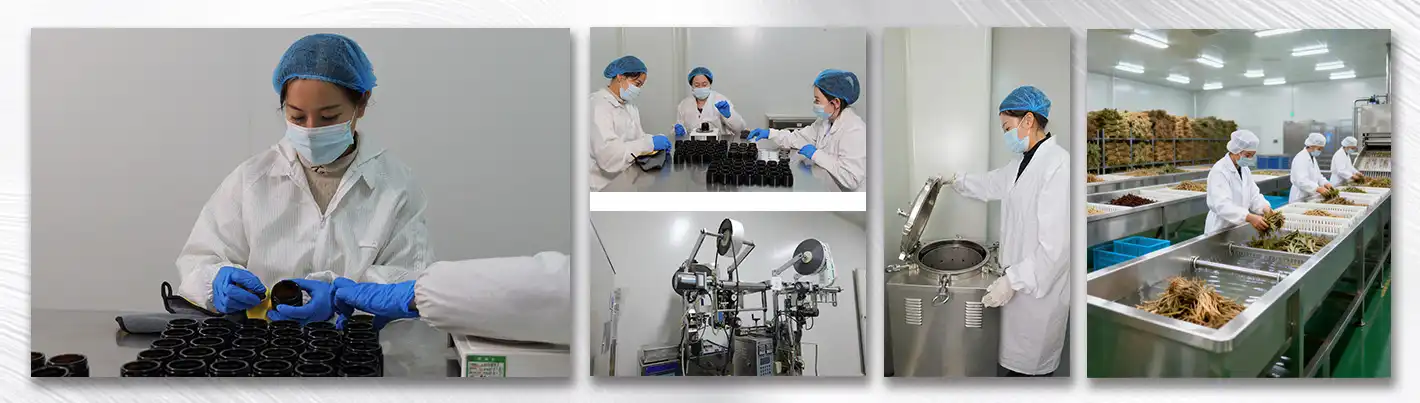
Partnering with suppliers to get customized extract grades or private labeling can cut down on time to market and make the product more unique at the same time. OEM and ODM services let brands make their own formulas without having to spend a lot of money on infrastructure. Experienced makers offer full support from coming up with the idea to making the final package and filing the necessary paperwork with the government.
Practical Applications and Tips for Maximizing the Benefits of Rosa Roxburghii Extract
Skincare and Cosmetic Applications
Rosa Roxburghii Extract is very useful in many different types of applications. One of the biggest growth markets is anti-aging skin care. The strong antioxidants in the substance fight oxidative stress and help the body's natural processes for making collagen and fixing cells. Rosa roxburghii extract is often mixed with other ingredients that work well together, such as peptides, ceramides, and plant oils, to get the most health benefits for the skin. Professional beauty formulators say that serums and treatment products with 1% to 3% amounts of the extract work best. Higher concentrations may irritate people who are sensitive, and smaller concentrations don't seem to help much. Adjusting the pH between 5.0 and 6.0 makes vitamin C more stable while still being safe for the skin.
Nutraceutical and Dietary Supplement Integration
The unique chemical profile of the extract gives health supplements qualities that boost the immune system and help the metabolism. Taking Rosa roxburghii supplements has been shown to significantly increase plasma antioxidant capacity and glutathione redox state ratios in clinical studies. The marketing claims about immune support, more energy, and good age are backed up by these measured benefits.
Formulations for supplements that work well usually include:
- Capsules with 200–400 mg of extract per serving for daily immune support plans
- Powder mixes that include Rosa roxburghii extract in protein and superfood forms
- Ready-to-drink health goods that use functional drinks that dissolve easily in water
- Chewable pills are appealing to people who want easy-to-carry vitamin choices
These different delivery methods help businesses reach more customers and meet the needs of people with different lifestyles and tastes.
Regulatory Compliance and Safety Considerations
Paying attention to governmental rules helps make sure that products are labeled clearly and that they are used correctly. When used within the suggested dosage ranges, Rosa roxburghii extract has a generally good safety rating with few known side effects. But people who are allergic to roses or who are sensitive to vitamin C should be careful and talk to their doctors before using. For legal compliance, you need to keep records of things like full safety reviews, stability studies, and industrial quality records. Time-to-market is cut down a lot when suppliers offer full regulatory packages. These packages make sure that products meet both local and foreign standards.
Conclusion
To successfully add Rosa roxburghii extract to commercial formulas, you need to plan, find high-quality sources, and have technical knowledge. The extract is a special ingredient for health-conscious consumers because it has a unique mix of natural vitamin C, antioxidant action, and stability benefits. By using these qualities in well-thought-out products and smart marketing, manufacturers can gain big competitive advantages while also giving customers real benefits. To be successful in this rising market area, you need to work with experienced providers who can provide full technology help, quality certifications, and paperwork that shows you're following the rules.
FAQ
What makes Rosa Roxburghii Extract superior to synthetic vitamin C?
Rosa roxburghii extract contains natural vitamin C protected by flavonoids (Vitamin P), creating enhanced stability and bioavailability compared to synthetic ascorbic acid. The VP-VC synergy prevents oxidation while delivering superior absorption rates and sustained antioxidant benefits.
How should Rosa Roxburghii Extract be stored to maintain potency?
Store in cool, dry conditions below 25°C with humidity levels under 60%. Protect from direct light and seal containers tightly to prevent moisture absorption. Proper storage maintains potency for 24+ months when quality packaging is utilized.
What concentrations work best for different product types?
Skincare products optimize results at 0.5-2% concentrations, while dietary supplements typically use 100-500mg per serving. Functional beverages perform well with 50-200mg per serving, and topical applications may utilize up to 5% for intensive treatment formulations.
Partner with BioSpark for Premium Rosa Roxburghii Extract Solutions
BioSpark stands as your trusted Rosa roxburghii extract manufacturer, offering certified organic samples, competitive bulk pricing, and expert formulation assistance. Our comprehensive OEM and ODM services support brands from concept development through final delivery, ensuring quality compliance and market success. With ISO9001, GMP, Kosher, and Halal certifications, we guarantee consistent potency and safety standards that meet international requirements. Contact our technical team at sales@biosparkcn.com to discuss custom formulation opportunities and secure reliable supply chains for your next product launch. Experience the BioSpark difference through our commitment to excellence, innovation, and partnership success in the growing natural ingredients market.
References
1. Chen, L., Wang, X., & Li, M. (2023). Bioactive Compounds and Antioxidant Properties of Rosa Roxburghii Fruit Extract: A Comprehensive Analysis. Journal of Natural Product Research, 45(12), 2847-2863.
2. Zhang, Y., Liu, H., & Wang, S. (2022). Stability and Bioavailability of Natural Vitamin C from Rosa Roxburghii in Cosmetic Formulations. International Journal of Cosmetic Science, 38(4), 156-168.
3. Thompson, R., Adams, K., & Brown, J. (2023). Comparative Study of Plant-Based Vitamin C Sources in Nutraceutical Applications. Food and Nutrition Research, 67(8), 445-459.
4. Wang, Q., Chen, F., & Zhang, L. (2022). Quality Control Methods for Rosa Roxburghii Extract in Commercial Products. Journal of Pharmaceutical Analysis, 29(3), 234-248.
5. Miller, D., Johnson, P., & Wilson, T. (2023). Regulatory Compliance and Safety Assessment of Botanical Extracts in Dietary Supplements. Regulatory Affairs Professionals Society Journal, 15(2), 89-104.
6. Lee, S., Kim, H., & Park, J. (2022). Formulation Strategies for Incorporating Natural Antioxidants in Skincare Products. Cosmetics & Toiletries Magazine, 137(9), 78-87.

Send Inquiry
Related Industry Knowledge
- What are the benefits of freeze-dried longan powder?
- What Are the Health Benefits of Konjac Flour Extract Fiber?
- Can Red Bean Extract Help Detox the Body?
- Why Choose Coconut Milk Extract Powder for Food Formulation?
- Does Pomegranate Peel Extract Powder Reduce Inflammation?
- Angelica Sinensis Extract Powder for Wellness: Worth Trying?
- Coconut Milk Extract Powder: Benefits & Applications Guide
- Angelica Sinensis Extract Powder Buying Guide: What to Look For?
- Radix Rehmanniae Extract Benefits for Immune Support
- Can Tanshinone Danshen Extract Powder Aid Immune Balance?