_1764041963888.webp)
How to Source Organic Bitter Melon Extract Powder in Bulk?
Jul 10, 2026
To get organic bitter melon extract powder in bulk, you need to carefully evaluate suppliers, check the quality of their products, and make sure they follow the rules. To begin, find authorised makers who offer clear paperwork, standard testing methods such as HPLC, and a range of order sizes. Give more weight to suppliers who have GMP and ISO certifications along with organic certifications like USDA Organic or EU Organic. This will help you make sure that your whole supply chain is safe and follows the rules.
Understanding Organic Bitter Melon Extract Powder
What Makes This Extract Unique?
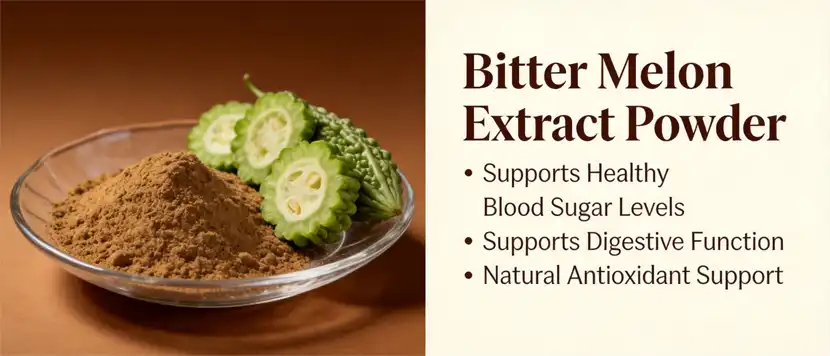
Momordica charantia is a tropical vine that is grown in Asia, Africa, and South America. It is used to make organic bitter melon extract powder. Advanced plant-based methods are used in the extraction process to protect beneficial substances like vitamin C, momordica charantia polypeptide-P, and charantin saponins. Manufacturers keep heat-sensitive parts in good shape by using dynamic countercurrent extraction, precision filtration, and low-temperature vacuum concentration. This useful element is usually a fine, light green to yellowish-green powder with a unique smell. It is usually standardised to 10% bitter melon glycosides, which can be proven by High-Performance Liquid Chromatography tests.
Health Benefits Driving Market Demand
The nutritional supplement business around the world knows that bitter melon extract helps control blood sugar and keep metabolism healthy. Charantin and polypeptide-P are natural substances that work like insulin, according to research. This makes the ingredient useful for food products that aim to control glucose levels. In addition to helping with diabetes, the extract is an antioxidant that also helps with weight loss. Because these benefits have been proven by science, health supplement companies are looking for useful plant ingredients to use in their products.
Why Organic Certification Matters
Organic buying sets high-end goods apart in markets with lots of competition. Bitter melon extract that is certified organic is grown in a strict way without using any manmade fertilisers, pesticides, or herbicides. This method makes sure that the raw materials are cleaner, lowers the risk of contamination, and fits with what people want in natural health products. Third-party certifications from the USDA and the EU Organic programs make sure that products meet strict agricultural standards. These certifications give B2B buyers peace of mind about quality, which boosts brand reputation and makes it easier to enter regulated markets.
Criteria for Selecting the Best Bulk Suppliers
Evaluating Credentials and Certifications
Professional hiring starts with a careful check of credentials. Reliable suppliers keep a lot of certifications that show they can manage quality and follow rules. Find makers that have more than just a business license. Look for ones that have ISO9001 quality management systems, GMP production certifications, and food safety qualifications like FDA registration. Religious food certifications like Kosher and Halal make the market bigger. Transparent sellers easily share certification paperwork and provide records that show how raw materials were used to make finished goods. This builds trust in the integrity of their manufacturing.
Quality Assurance Parameters
The main quality standard is the amount of active chemical present. Manufacturers you can trust give you accurate amounts of bitter melon glycosides that have been tested using HPLC, which are usually around 10% standardisation. Bitter melon extract powder: Ask for Certificates of Analysis for every batch of production. These will confirm not only the potency but also the results of any contamination tests. The information in these papers should include heavy metal testing, microbe counts, chemical residue analysis, and liquid residue testing. Water-soluble extracts that mix well show that the right processing methods were used to keep the bioavailability and stability of the product throughout its shelf life.
Pricing and Minimum Order Considerations
The price of bulk buying depends a lot on the size of the order, the certifications that are needed, and where the seller is located. Manufacturers in China, India, and Europe are all major sources of goods, and each has its own benefits. A lot of the time, Chinese suppliers offer competitive prices and flexible minimum order quantities that start as low as 1 kg. This lets new businesses test formulas before increasing production. Specifications for packaging usually call for 25 kg drums with nitrogen-filled aluminium bags to keep the goods safe from rust and wetness. When you compare FOB, CIF, and DDP delivery terms, you can see how shipping, insurance, and customs taxes affect the total landing costs that affect your end per-unit cost.
Supply Chain Transparency
These days, buying things requires being able to see the whole supply line. Check to see if sellers are ready to share information about where their products come from, how they are grown, and where they are made. Companies that own their own farms or have direct relationships with growers can better control the quality of their products than middlemen who buy from unknown sources. Ask for reports on building inspections, audit results from a third party, and supply chain tracking documents. Manufacturers who keep enough stock on hand and can deliver quickly show that their operations are mature. They also lower your inventory risk and make sure that products are always available for ongoing production plans.
Step-by-Step Sourcing Process
Define Your Product Specifications
Clear needs are the first step to successful bulk buying. Write down the amount of active ingredient you want, the particle size range (usually 80–120 mesh), how it should dissolve, and how it should look. Tell them what certifications they need, how they want to be packaged, and when they need to deliver. Figure out how much you think you will need each year and how often you'd like to order. These standards make it possible for suppliers to talk to each other and for true price comparisons. Think about whether you need extra services like private labelling, help with special formulations, or OEM manufacturing that fits with the way your business works.
Research and Identify Potential Partners
Using more than one research method helps find good suppliers. B2B platforms put buyers in touch with verified manufacturers, but buyers and manufacturers usually get better prices and service when they deal directly. Go to trade shows in your industry, like SupplySide West, Vitafoods, and CPHI exhibitions, where suppliers show off their goods and services. Professional groups and trade magazines offer source listings and information about the market. Instead of using old ideas about quality standards when judging Chinese makers, take into account their benefits in technological progress and production ability.
Sample Evaluation and Testing
Don't commit to bulk orders until you've carefully looked over a sample. Get samples from the three to five suppliers you've chosen so you can compare them. A visual check should be done to make sure the powder looks good, has the right colour, and doesn't have any strange materials in it. Bitter melon extract powder. Do tests on the solubility that match the application you want to use it for. Send samples to separate labs for verification tests that include checking for contamination, figuring out the concentration of active compounds, and figuring out how stable the samples are. This investment guards against quality problems that cost a lot of money and sets standards for ongoing supply relationships.
Negotiation and Contract Terms
Negotiating well is more than just setting prices per unit. Talk about the terms of payment. For international deals, bank transfer (T/T) is the norm. Make sure you understand the delivery schedules, quality guarantees, and steps for dealing with deviations from the specifications. Set clear rules for contact, such as how long you plan to wait for an answer and whether technology help is available. Write down everything in specific purchase agreements that spell out the rights to check, the samples that will be kept from each batch, and how to settle disagreements. Suppliers that offer both OEM and ODM services give you a lot of freedom to build your brand as your business grows.
Building Long-Term Relationships
Partnerships, not one-way transactions, are what make sustainable buying work best. Manufacturers that can help with the whole process, from coming up with the formula to packing it and delivering it, are important assets. Quality standards and market trends stay in line when people talk to each other on a regular basis. A lot of the time, promises to buy in bulk lead to better prices and earlier schedules for output. Collaborations allow for the creation of custom formulas, special mixes, and co-innovation possibilities that set your goods apart in competitive markets and ensure a steady supply, even when raw materials are in short supply.
Comparing Product Formats and Suppliers
Available Product Forms
When you buy in bulk, you have to choose the right product formats for your manufacturing capabilities and target markets. Pure powder forms give you the most options for how to make the medicine, so you can precisely dose it in pills, tablets, or drinks. There are fewer steps needed to process pre-encapsulated products, but they can't be customised as much. When compared to whole fruit products with varying chemical amounts, standardised extracts with sure strength make quality control easier. Extracts that dissolve in ethanol can be used in different ways than those that dissolve in water. Match the style of your product to your production tools, the rules that apply, and the tastes of the people who will be buying it.
Verifying Organic Authenticity
As the market grows, it brings in both honest sellers who label regular goods as organic and dishonest sellers who do the opposite. Real organic approval needs to be checked every year by recognised certification groups. Instead of relying only on the documentation provided by the supplier, check the validity of the certificate by calling the certifying agencies directly. Ask for organic certificates that are special to each lot, which will connect purchase orders to approved production batches. When comparing prices, keep in mind that "organic" goods that are much cheaper should be looked at more closely. There is less risk with well-known manufacturers whose operations are clear and who have a long history of certification than with unknown suppliers whose terms seem too good to be true.
Leading Manufacturers and Market Positioning
Different global suppliers are good at different things when it comes to quality, capacity, and specialisation. Chinese companies like BioSpark offer reasonable prices, advanced extraction technology, and the ability to customise order sizes starting at 1 kg. Their wide range of certifications, such as ISO9001, GMP, FDA, Kosher, and Halal, gives them entry to markets with a wide range of regulations. Indian suppliers use traditional knowledge and the benefits of growing crops in India. European makers stress luxury placement by requiring more paperwork and tighter standards for processing. Instead of just looking at where a provider is located, you should also look at how well they fit with your brand's image, the needs of your target market, and your growth plan.
Managing Risks and Ensuring Compliance
Common Quality Challenges
There are a number of quality risks that come with buying in bulk that need to be managed proactively. Adding cheaper fillers or manufactured substances to a product makes it less effective and puts consumers at risk. Different batches of production have different amounts of active compounds, which makes doses and following the rules more difficult. If heavy metals, pesticides, or microbes contaminate something, you could be held legally responsible. Moisture that is absorbed during storage makes the product less stable and less effective. Reduce these risks by making sure suppliers are qualified, trying new materials, and following the right storage rules. Set clear quality standards with clear acceptance and rejection processes to protect the image of your brand.
Regulatory Requirements by Market
The FDA oversees the North American market and makes sure that tight supplement rules are followed. These rules include following Current Good Manufacturing Practices, labelling products correctly, and reporting any bad events. European markets are governed by food supplement directives, which are carried out differently in each country and require novel food approvals and proof of health claims. Bitter melon extract powder. Customs delays that cost a lot of money can be avoided by knowing what documents are needed for imports, such as certificates of analysis, origin declarations, and phytosanitary certificates. Before you commit to buying in bulk, you should hire regulatory consultants who know what your target market needs and make sure the materials you source meet all the standards that apply.
Quality Control Best Practices
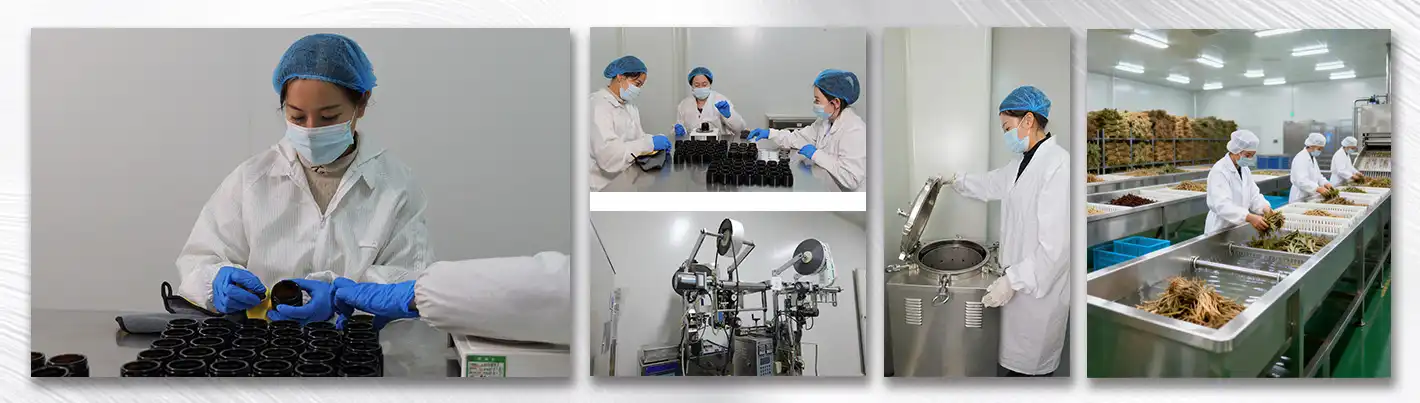
Systematic quality control keeps you safe from inconsistent suppliers and worn-out materials. Keep some example samples from each batch you receive so that you can test them against others and look into any quality problems that may arise. Independent testing should be done on a regular basis by accredited labs, and reports of analysis from the seller should be checked. Do supplier audits that look at how the factories work, their quality systems, and how they get their raw materials. These checks find possible risks before they have an effect on your production. Set up quality agreements that spell out testing methods, acceptable deviations from specifications, and ways to fix problems. This will make everyone in your supply chain responsible.
Conclusion
Finding organic bitter melon extract powder in bulk requires technical know-how, the ability to evaluate suppliers, and the ability to build strategic relationships with them. Choose makers that offer full certifications, clear supply lines, and open service models that can help your business grow. Quality control through outside testing and organised risk management keeps the identity of the product safe and makes sure that all target markets follow the rules. Spending time and money on carefully choosing suppliers and regularly checking their work pays off in the long run by making sure products work well, preventing problems with operations, and improving the brand's image in the tough nutritional market.
FAQ
What minimum order quantity should I expect?
Minimum order quantities vary significantly across suppliers, with progressive manufacturers now offering flexibility starting from 1 kg to accommodate startups and product development needs. Standard bulk packaging typically comes in 25 kg drums, representing a practical starting point balancing cost efficiency with manageable inventory levels. Larger orders ranging from 100 kg to multiple tons unlock preferential pricing but require adequate storage capabilities and inventory turnover projections. Communicate your business stage and volume projections honestly with suppliers, as many offer tiered pricing structures rewarding larger commitments while supporting growth-phase companies with reasonable entry quantities.
How do I verify organic certification authenticity?
Authentic organic certification requires documentation from accredited certifying bodies such as USDA National Organic Program-accredited agents or EU-recognised certification organisations. Request complete certificates, including scope of certification, validity dates, and certifying body contact information. Verify certificates directly with certifying organisations rather than relying solely on supplier-provided copies. Legitimate suppliers welcome verification inquiries and maintain current certifications accessible through certifying body databases. Batch-specific certificates linking your purchase order to certified production lots provide the highest assurance. Avoid suppliers unable or unwilling to provide verifiable certification documentation, regardless of pricing advantages.
Partner with BioSpark for Reliable Bitter Melon Extract Powder Supply
BioSpark (Xi'an) Biotechnology Co., Ltd stands ready as your trusted bitter melon extract powder supplier, delivering consistent quality through advanced plant extraction methods and rigorous testing protocols. Our standardised product features 10% bitter melon glycosides verified through HPLC, backed by comprehensive certifications including ISO9001, GMP, FDA, Kosher, and Halal credentials. We offer unmatched flexibility with minimum orders starting at just 1 kg alongside full-scale production capacity supporting growing brands through OEM and ODM services. Our experienced team provides complete support from formulation development through global delivery via express, air, or sea freight under flexible terms including FOB, CIF, and DDP. Contact our team at leao@biosparkcn.com to discuss your specific requirements and receive detailed product specifications with competitive quotations.
References
1. Grover, J. K., & Yadav, S. P. (2004). Pharmacological actions and potential uses of Momordica charantia: A review. Journal of Ethnopharmacology, 93(1), 123-132.
2. Tan, M. J., Ye, J. M., Turner, N., Hohnen-Behrens, C., Ke, C. Q., Tang, C. P., & Ye, Y. (2008). Antidiabetic activities of triterpenoids isolated from bitter melon are associated with activation of the AMPK pathway. Chemistry & Biology, 15(3), 263-273.
3. Joseph, B., & Jini, D. (2013). Antidiabetic effects of Momordica charantia (bitter melon) and its medicinal potency. Asian Pacific Journal of Tropical Disease, 3(2), 93-102.
4. Sridhar, M. G., Vinayagamoorthi, R., Arul Suyambunathan, V., Bobby, Z., & Selvaraj, N. (2008). Bitter gourd (Momordica charantia) improves insulin sensitivity by increasing skeletal muscle insulin-stimulated IRS-1 tyrosine phosphorylation in high-fat-fed rats. British Journal of Nutrition, 99(4), 806-812.
5. Nerurkar, P. V., Lee, Y. K., & Nerurkar, V. R. (2010). Momordica charantia (bitter melon) inhibits primary human adipocyte differentiation by modulating adipogenic genes. BMC Complementary and Alternative Medicine, 10(1), 34.
6. Krawinkel, M. B., & Keding, G. B. (2006). Bitter gourd (Momordica charantia): A dietary approach to hyperglycemia. Nutrition Reviews, 64(7), 331-337.

Send Inquiry
Related Industry Knowledge
- Why is Angelica sinensis extract powder popular in herbal supplement markets?
- How Is Miltiorrhiza Root Extract Powder Used in Traditional Medicine?
- How Does Ginseng Fruit Powder Enhance Product Value?
- How Does Yellow Peach Powder Improve Snack Formulations?
- Do You Really Understand Echinacea Extract Powder Uses?
- Gotu Kola Extract Powder: What Makes It So Popular?
- Red Bean Extract: A Functional Ingredient for Modern Diets
- Konjac Flour Extract vs. Regular Konjac Powder Explained
- Why Choose Yacon Root Extract for Weight & Metabolic Support?
- Broccoli Extract Powder: Potent Antioxidant & Detox Support