_1764041963888.webp)
How Is Miltiorrhiza Root Extract Powder Used in Traditional Medicine?
Jun 30, 2026
Miltiorrhiza Root Extract Powder has been an important part of traditional Chinese medicine for more than 2,000 years. It is mostly used for its benefits to the heart and blood flow. This plant product comes from the roots of Salvia miltiorrhiza, which is also known as Danshen or red sage. It has powerful water-soluble phenolic chemicals, especially salvianolic acid B, that help keep the heart healthy, improve microcirculation, and protect cells from damage. In the past, this herb was made into decoctions, powders, and skin uses. It was often mixed with other herbs to make them work better as medicine. Today, advanced extraction methods keep these bioactive ingredients while still passing international quality standards. This old cure is now available to health supplement makers around the world.
Understanding Miltiorrhiza Root Extract Powder in Traditional Medicine
Botanical Origins and Historical Significance
Salvia miltiorrhiza mostly grows in China's hilly areas, mostly in the provinces of Sichuan, Shandong, and Shaanxi. Chinese medical books from the Han Dynasty describe its use for "moving blood" and "breaking stasis," which means that it can improve circulation and clear up blockages in the cardiovascular system. During growth, the root turns a unique reddish-brown colour that has long been used to show how strong it is. After three years of growth, when the concentration of active phenolic acids is at its highest, the crop is usually ready to be picked.
In the past, people knew that different types of Danshen had different traits based on how they were grown, how thick their roots were, and how bright their colour was. Premium examples had a thick texture, bright red inner bark, and a strong herbal smell, all of which are qualities that current quality control systems now check using scientific tests.
Key Bioactive Components and Mechanisms
The healing power of Danshen extract comes from two main types of compounds: those that attract water and those that attract fat. Salvinolic acid B, Salvinolic acid A, rosmarinic acid, and lithospermic acid are all found in the water-soluble part. It is amazing how well these phenolic chemicals work as antioxidants, protecting vascular endothelial cells from oxidative damage and keeping the flexibility of the vessel.
People used to think that these benefits came from the herb's "cooling" and "activating" traits. Modern drug studies show that salvianolic acids stop platelets from sticking together too much, improve blood flow, and protect against atherosclerosis by stopping low-density lipoprotein oxidation. Standardizing extracts to 10% to 70% salvianolic acid B content using high-performance liquid chromatography makes sure that all amounts have the same medicinal effect.
Traditional Safety Profiles and Dosage Parameters
Medical books from the past gave detailed instructions on how to use Miltiorrhiza Root Extract Powder correctly. In the past, people took anywhere from 9 to 30 grams of dried root every day, usually spread out over two or three doses. As soon as concentrated products were available, the amounts used were changed to keep the medicinal equivalent.
Safety records that go back hundreds of years show that it is very safe when used correctly. Some things that made it not a good idea to use it were being pregnant, having a bleeding problem, or taking it at the same time as anticoagulant drugs, which are still good ideas today. Traditional practitioners stressed introducing things slowly and keeping an eye on how each person responded. These are still important ideas that guide modern clinical uses.
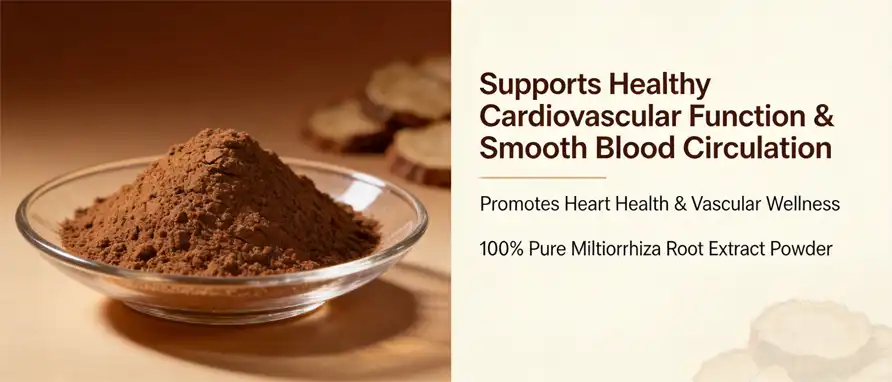
How Miltiorrhiza Root Extract Powder Is Traditionally Used: Methods and Applications
Traditional Preparation Techniques
Classical preparation ways were different depending on what they were going to be used for. For decoctions, 15 to 30 grams of sliced roots were simmered in water for 30 to 45 minutes. This made a dark reddish-brown tea that was drunk twice a day. This method did a good job of getting rid of water-soluble phenolic compounds while leaving lipophilic tanshinones mostly whole in the plant material.
Practitioners also made fine powders by grinding up dried roots, which patients could take by themselves or make into pills by mixing honey with them. Spray-drying technology of today can make these classic shapes while also making them more stable and bioavailable. BioSpark uses pure water or low-concentration ethanol at controlled temperatures between 75°C and 85°C to do soft extractions that protect the delicate phenolic structures. This method increases the yield of salvianolic acid while keeping the purity of the product.
Adding food-grade antioxidants during processing helps with the oxidation problems that phenolic acids have, so the finished powder stays effective even after being stored for a long time. Advanced spray-drying coating makes safe microsphere structures that improve how well they dissolve and make it easier to mix them into different types of formulations.
Cardiovascular Applications and Historical Evidence
Traditional medical books talk a lot about how Danshen is good for your heart. It was recommended by doctors for chest pain, palpitations, and other signs of blood pooling. These past uses fit amazingly well with what we know now about coronary artery disease, angina, and circulatory dysfunction.
In traditional medicine, Danshen extract was often mixed with plants like Panax notoginseng and Ligusticum chuanxiong to make the heart-healthy benefits stronger. These mixtures worked better together to improve microcirculation, lower inflammation in vessel walls, and get more oxygen to the heart muscle. These old ideas are supported by new research that shows salvianolic acid B helps protect against ischemia-reperfusion damage and improves capillary function through several molecular pathways.
Additional Therapeutic Applications
Besides helping the heart, traditional healers used Danshen to protect the liver, especially when the liver was inflamed or had scarring. The anti-inflammatory and antioxidant qualities of the plant stopped chemical damage to the liver and helped hepatocytes grow back. New studies back up these liver-protecting processes, which could help treat cirrhosis and non-alcoholic fatty liver disease.
Topical treatments for wound repair, acne, and inflammatory dermatoses were used for skin health. The extract's ability to boost microcirculation and lower inflammation helped the healing process. Due to its blood-moving features, Danshen was used in women's health products to help with menstrual problems and painful periods.
Neuroprotective uses first showed up in traditional gerontology, where doctors recommended Danshen to keep brain function high and stop it from declining with age. Modern studies look into its potential for healing brain bleeding and preventing neurodegenerative diseases, confirming what doctors have known for hundreds of years.
Selecting the Right Miltiorrhiza Root Extract Powder for B2B Procurement
Quality Criteria and Verification Standards
When purchasing plant extracts, experts have to follow strict quality standards. Miltiorrhiza Root Extract Powder's clarity and effectiveness rely on the quality of the raw materials, the way they are extracted, and how they are stabilized after processing. Certificates of Analysis that have been checked by HPLC testing prove the amount of salvianolic acid B present, making information about bioactive chemical concentrations clear.
The particles in high-quality extracts are all the same size and colour, ranging from brownish-yellow to reddish-brown. The powder should be able to dissolve in water and ethanol, which will allow for a wide range of recipe uses. Genuine materials have a unique plant smell that is only found in Salvia miltiorrhiza, which expert quality control staff can detect right away.
Certifications and Regulatory Compliance
International certificates show that a company cares about safety and quality. ISO9001 approval means that the quality management system is strong, and GMP compliance means that the production standards meet pharmaceutical standards. Kosher and Halal approvals make it easier for goods that serve a wide range of consumers to get into markets. Businesses that want to sell can feel even safer knowing that they are registered with the FDA and following international food safety standards.
BioSpark keeps a lot of certification paperwork, which makes it easy for target markets to clear customs and get government permission. Our plant has strict environmental controls and uses Co-60 gamma irradiation sterilization to kill germs without damaging the integrity of the salvianolic acid. This tried-and-true method of cleaning meets the needs of the pharmaceutical and nutritional industries.
Procurement Considerations for Supply Chain Optimization
Strategic buying choices try to find a balance between quality, dependability, and cost-effectiveness. With factory-direct buying, there are no markups for middlemen, and you can talk directly with production teams. Starting at 1 kilogram, the minimum order quantity can be met by both new companies trying out new formulas and well-known companies needing full container loads. Standard 25-kilogram drum packaging works well for large-scale production and keeps the product stable.
Different people's tastes for logistics can be met by flexible shipping terms like FOB, CIF, CFR, EXW, DAP, and DDP. Express, air freight, and sea freight are all shipping choices that let you find the best mix between speed and cost. Bank transfer payment terms make foreign transactions easier, and having enough stock on hand makes sure that orders are filled quickly and production doesn't have to wait.
With OEM and ODM, brand owners can create their own specs, package designs, and different versions of the formula. This adaptability helps you stand out in the market while maximizing your established manufacturing skills. Technical support teams help with developing new formulations, checking for stability, and making legal paperwork.
The Evolving Role of Miltiorrhiza Root Extract Powder in Modern Herbal Medicine
Scientific Validation and Contemporary Research
In the last few decades, the amount of scientific evidence supporting traditional Danshen uses has grown by leaps and bounds. Cardiovascular studies show that salvianolic acid B changes many of the processes that play a part in atherosclerosis, clotting, and myocardial infarction. This combines old knowledge with modern medicine by showing that it can help people with chronic heart failure, coronary artery disease, and cerebrovascular problems.
Mechanistic studies show that these phenolic substances turn on capillary nitric oxide synthase, which makes blood vessels wider and lowers oxidative stress. The anti-platelet effects happen by stopping the production of thromboxane A2 and changing the way calcium signals are sent. These molecular insights allow for the rational creation of formulations that aim for specific health effects.
Integration into Modern Supplement Formulations
Standardized Miltiorrhiza Root Extract Powder is being used more and more in cardiovascular support products, vitamin formulas, and all-around wellness supplements by health supplement brands. Because salvianolic acids dissolve in water, they can be used in drinks, effervescent pills, and liquid supplements, all of which are becoming more popular with health-conscious customers.
Danshen extract works well with other ingredients that work well with it, such as coenzyme Q10, omega-3 fatty acids, and hawthorn berry extract. These mixtures are backed by science and are appealing to older people who want to take charge of their circulatory health. Demand is growing strongly in both Europe and North America. This is because more and more people are interested in botanical options and health prevention methods.
Advanced Extraction Technologies and Innovation
Bioavailability and stability are improved by new processing methods that go beyond what was possible with standard preparation. Multi-stage countercurrent extraction improves the recovery of phenolic acid while reducing the amount of useless lipophilic molecules. Membrane filter systems get rid of proteins, polysaccharides, and other impurities, leaving behind extracts that are very clean and can be used in high-end products.
Spray-drying microencapsulation technology is a big step forward because it makes protecting materials that keep sensitive phenolic structures safe from oxidation, wetness, and degradation. This method increases the shelf life while also making it easier for things to dissolve. The cyclodextrin complexation process makes the drug even more water-soluble and bioavailable, which could mean that it works better in the body than standard preparations.
Better quality control is possible because testing methods are always being improved. High-resolution mass spectrometry and metabolomic profiling give complete fingerprints that prove the identity of plants and find evidence of fraud. These technologies protect the image of brands and keep customers safe in markets that are becoming more controlled.
Market Growth and Future Applications
The world market for plant extracts is still growing, and supplements for heart health are one of the most active areas. Long-term demand is kept up by an aging population, more people with chronic diseases, and a greater desire for natural treatments. Anti-inflammatory and antioxidant qualities are being used in new ways in cosmeceuticals to make skin care products that fight inflammation and photoaging.
As time goes on, regulatory systems become more consistent and open. International attempts to harmonize make it easier to trade across borders and protect the interests of consumers. As standards get stricter, manufacturers who put money into quality processes, traceability, and scientific proof will be in a better situation.
Conclusion
In Miltiorrhiza Root Extract Powder, traditional medical knowledge and modern scientific proof come together in a very interesting way. In the past, it was widely used to help the heart, protect the liver, and improve circulation. New pharmaceutical studies support these uses in a number of different ways. When B2B procurement workers choose high-quality extracts, they need to pay attention to standards, certifications, and production methods that maintain the bioactive purity of the products. Because the ingredient is so flexible, it can be used in a wide range of products, including dietary supplements, functional foods, and cosmetics. This meets the growing demand from customers for plant solutions that are backed by proof. As extraction methods get better and rules get clearer, brands that use this tried-and-true ingredient in new products that combine old mending methods with modern health science will have more chances to make money.
FAQ
What is the recommended dosage for Miltiorrhiza Root Extract Powder in supplement formulations?
According to traditional medicine, you should eat about 9 to 30 grams of dried root every day. Modern concentrated extracts that are fixed to certain amounts of salvianolic acid B need to be proportionally adjusted. Products with 200 to 600 milligrams of extract standardized to 10% to 20% Miltiorrhiza Root Extract Powder usually give medicinal amounts that are useful. When formulating, decisions should be made based on goal health claims, ingredients that will be used together, and regulatory advice in certain markets. 500 to 1500 milligrams of pure extract per day are often used in clinical studies looking into heart health benefits.
Are there known side effects or contraindications?
Safety records that go back hundreds of years show that tolerance is very good. When amounts are higher, mild stomach pain can happen sometimes. Because it lowers platelets, it shouldn't be used during pregnancy, while bleeding is still happening, or before surgery. Taking it at the same time as anticoagulant drugs needs to be supervised by a doctor. Quality extracts that meet medicinal standards and the right dosing rules have good safety ratings and can be used for a long time.
How can buyers verify product quality and supplier credentials?
Ask for Certificates of Analysis that show the amount of salvianolic acid B that was found through HPLC testing. Check for qualifications like ISO9001, GMP, and food safety guidelines that apply. Reliable sellers provide proof of where the raw materials came from, how they were extracted, and the results of microbe tests. Characteristic colour, smell, and solubility qualities should be confirmed by a physical check. Third-party laboratory proof gives you more peace of mind when you're looking at new providers or starting a long-term relationship with one.
Partner with a Trusted Miltiorrhiza Root Extract Powder Manufacturer
BioSpark (Xi'an) Biotechnology is an expert in high-quality Miltiorrhiza Root Extract Powder that has been standardized to exact salvianolic acid B amounts that have been proven through thorough HPLC testing. Health supplement brands, nutraceutical businesses, and wholesalers looking for trusted production partners backed by international standards like ISO9001, GMP, Kosher, Halal, and FDA compliance can use our full range of OEM and ODM services. We keep enough stock on hand to be able to complete orders quickly, and our minimum order amounts are flexible, starting at just 1 kilogram. This means that we can meet the needs of both product development and large-scale production. Our expert team helps with the whole process, from helping with formulation to designing packaging and making legal paperwork. Get in touch with us at leao@biosparkcn.com to get full product details, price, and sample arrangements. As an experienced supplier committed to quality, honesty, and customer satisfaction, we provide your brands with the plant ingredients they need to succeed in today's global markets.

References
1. Zhou L, Zuo Z, Chow MS. Danshen: an overview of its chemistry, pharmacology, pharmacokinetics, and clinical use. Journal of Clinical Pharmacology. 2005;45(12):1345-1359.
2. Wang BQ. Salvia miltiorrhiza: Chemical and pharmacological review of a medicinal plant. Journal of Medicinal Plants Research. 2010;4(25):2813-2820.
3. Su CY, Ming QL, Rahman K, Han T, Qin LP. Salvia miltiorrhiza: Traditional medicinal uses, chemistry, and pharmacology. Chinese Journal of Natural Medicines. 2015;13(3):163-182.
4. Li ZM, Xu SW, Liu PQ. Salvia miltiorrhiza Burge (Danshen): a golden herbal medicine in cardiovascular therapeutics. Acta Pharmacologica Sinica. 2018;39(5):802-824.
5. Cheng TO. Cardiovascular effects of Danshen. International Journal of Cardiology. 2007;121(1):9-22.
6. Tan Y, Kamal MA, Wang ZZ, Seale JP, Qu X. Chinese herbal extracts (SK0506) as a potential candidate for the therapy of the metabolic syndrome. Clinical Science. 2011;120(7):297-305.

Send Inquiry
Related Industry Knowledge
- What Are the Applications of Cape Gooseberry Powder?
- How Does Barley Sprout Powder Support Healthy Beverages?
- Can Kidney Bean Flour Improve High-Protein Food Formulas?
- How to Choose High-Quality Papaya Leaf Extract Powder?
- Ganoderma Extract Powder: Natural Antioxidant Powerhouse
- Konjac Flour Extract for High iber Functional Foods
- Can Tanshinone Danshen Extract Powder Aid Immune Balance?
- Baicalin Extract for Skin: Anti-Aging & Protective Boost
- Fulvic Acid Powder Market Trends Driving Global Demand
- Top 8 Health & Industry Benefits of Oyster Shell Extract Powder