_1764041963888.webp)
How Does Ginseng Fruit Powder Enhance Product Value?
Jun 23, 2026
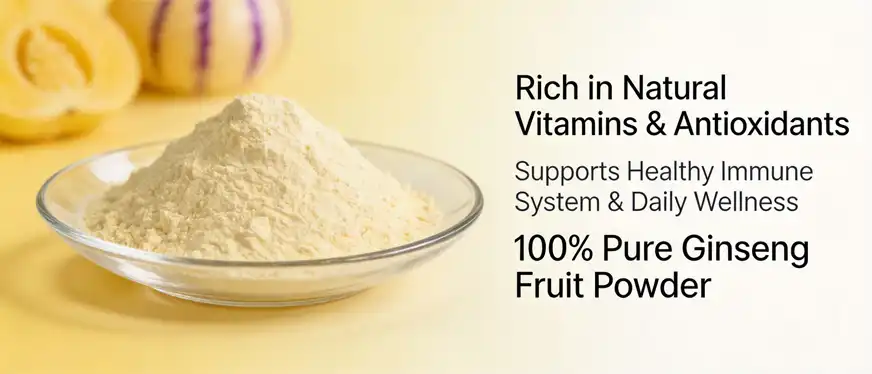
Ginseng fruit powder increases the value of a product by adding concentrated carbohydrates and bioactive substances that help the immune system work better, protect against free radicals, and add to the product's nutritional value. This high-quality plant ingredient makes dietary supplements, functional drinks, and health products work better, and it meets customers' desire for natural ingredients that are backed by science. By adding standardized Ginseng fruit powder with proven potency, brands can set their products apart in crowded markets, improve product positioning, and see a clear rise in customer happiness and repeat purchases.
Understanding Ginseng Fruit Powder: Composition and Benefits
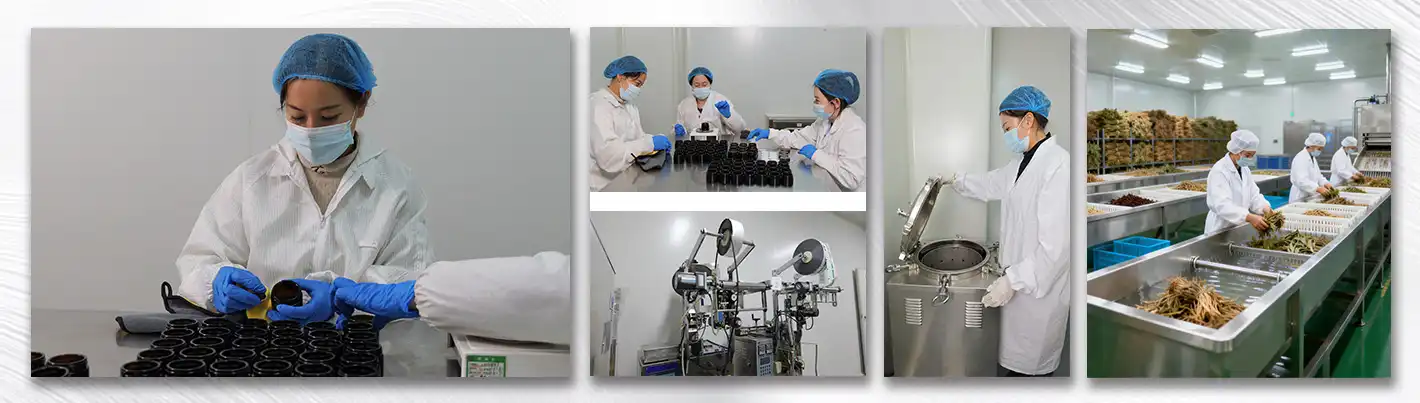
Ginseng fruit powder has its biological roots in mature fruits that were carefully chosen and handled using cutting-edge plant extraction techniques. Our Ginseng fruit powder comes from sources that are high in nutrients and were grown under controlled conditions to make sure the active ingredients are at their peak. The extraction method uses low-temperature technology along with multiple stages of sifting and spray drying to keep the heat-sensitive polysaccharides and phytonutrients that give the plant its useful properties.
Bioactive Composition and Standardization
As determined by ultraviolet spectrophotometry (UV), BioSpark's Ginseng fruit powder includes 50% ginseng fruit polysaccharide, setting a standard that guarantees stability from batch to batch. This standard handles a major issue with purchasing: the fact that botanical ingredients can vary. The fine powder, which is light yellow to off-white, dissolves easily in water and can be easily added to water-based mixtures without causing precipitation or cloudiness. In addition to carbohydrates, the powder contains selenium, vitamin C, B-complex vitamins, and important minerals that work together to provide additional health benefits. Its fruity smell and sweet taste make finished goods more appealing, so they don't need as many fake flavorings or sweeteners.
Functional Health Benefits
In terms of bioactivity, polysaccharides are the main part that changes the defense system. Plant polysaccharides are thought to boost innate immune responses by turning on macrophages and natural killer cells. Antioxidant enzyme systems are supported by selenium, which keeps cell structures safe from reactive harm. Ginseng fruit powder is a versatile ingredient that can help with several health issues all in one recipe because it boosts the immune system and protects cells from damage. People today want to eat foods that are low in sugar and high in protein. This is especially true for health-conscious people who want to eat foods that taste good without sacrificing their nutrients.
Differentiating Fruit from Root Extracts
Ginseng fruit powder has a different carbohydrate profile and a higher density of micronutrients than ginseng root products, which primarily contain ginsenosides. Formulators can target certain health claims and customer groups with this difference in makeup. Companies that make goods for the immune system can benefit from the high polysaccharide content, while companies that focus on overall nutrients can benefit from the high vitamin and mineral content. By knowing these differences, buying teams can choose ingredients that fit with how the product is positioned and how the regulations work.
Enhancing Product Value Through Ginseng Fruit Powder Integration
Adding high-quality plant extracts to regular formulas turns them into unique health options. Adding standardized Ginseng fruit powder adapts to changing market conditions where customers look closely at ingredient lists, expect honesty, and value functional benefits over marketing claims. This change opens up possibilities for brands that are ready to spend money on ingredients that have been proven to work by science and have measured effects.
Multifunctional Ingredient Strategy
Ginseng fruit powder is used in many ways in different formulas. It adds basic minerals and vitamins to foods to make them healthier, which lets brands make more accurate nutritional claims. As a useful part, the polysaccharide content backs up health claims about immune function and antioxidant activity. It makes food taste better and lessens the need for artificial sugars because it is a natural sweetener. This flexibility makes formulations less complicated, which could lower the number of ingredients needed and production costs while also making labels look better. Cleaner labels are communicated by brands, which is a key factor that educated customers use to decide what to buy.
Market Positioning and Brand Equity
Products made with confirmed Ginseng fruit powder have an edge over their competitors because they are scientifically sound and of high quality. The fact that ISO9001, GMP, Kosher, Halal, and FDA certifications are available gives regulators trust and opens up market entry in more places and cultures. These approvals give distributors and stores peace of mind about the safety and compliance of the product, which makes channel partnerships run more smoothly. When brands say they use regulated, approved ingredients, it makes the product seem better and supports charging more. This positioning brings in picky customers who are ready to spend money on better health goods that come with real proof of their quality.
Application Across Product Categories
Ginseng fruit powder can be used in a lot of different types of products because it is so flexible. It adds natural sweetness and immune-boosting substances to healthy drinks like protein shakes and meal replacement drinks to make them better. Fortifying functional foods with selenium fills in vitamin gaps in modern diets. Add the powder to baked goods, candies, and gourmet desserts without changing the texture or taste. It will add nutrition without changing the taste or structure. Wellness supplement brands mix Ginseng fruit powder with plants that work well together, like goji berries or adaptogenic herbs, to make blends that are appealing to people who are interested in holistic health. Each example shows how carefully choosing ingredients can increase the value of a product and make it more relevant to the market.
Procurement Considerations: Sourcing and Quality Assurance
To get steady quantities of standardized plant ingredients, you need to carefully evaluate suppliers and follow strict quality control procedures. The world market for botanical extracts has problems with uneven quality, fraud, and compliance with rules. Professionals in procurement have to deal with all of these issues to protect the image of the business and make sure that the products work.
Supplier Qualification Criteria
When evaluating possible suppliers, you need to look at their manufacturing skills, quality processes, and compliance with regulations. Some important things to think about are the type of approval (ISO9001, GMP), the paperwork that shows how the product was grown and processed, and the rules for analytical testing. At BioSpark, we have tight control over the whole production process, from getting the raw materials to releasing the finished product. After ten years of experience extracting plants, we've perfected processes that always give us materials that meet the requirements. We give full tracking paperwork, like crop records, extraction parameters, and certificates of analysis for finished products, so customers can meet government rules and their own quality standards.
Quality Verification and Testing
Ultraviolet spectrophotometry (UV) is a quick and cheap way to check the amount of polysaccharides in a sample, which sets a standard for quality assurance. This measuring method measures the amount of active ingredient that determines how well a product works. In addition to checking for active ingredients, full quality programs check for pesticide residues, heavy metals (lead, arsenic, cadmium, and mercury), microbiological control (total plate count and lack of pathogens), and solvent residues. These factors are in line with international guidelines, such as those in the European Pharmacopoeia and USP papers. Suppliers who provide full analytical data show that they care about quality and openness, which lowers the risks for brand owners further down the line.
Packaging and Logistics
To keep the consistency of ingredients while they are being stored and shipped, they need to be properly packaged and handled. Ginseng fruit powder is shipped in 25 kg drums that keep out moisture, light, and air, which keeps the polysaccharide stability stable for the whole shelf life. We offer different shipping terms, such as FOB, CIF, CFR, EXW, DAP, and DDP, to meet the needs of a wide range of buyers and their logistics. You can choose from different shipping options, such as express delivery for quick sample requests, air freight for orders that need to be delivered quickly, and sea freight for cheap mass shipments. We can send normal orders within 10 days because we keep enough stock on hand and have streamlined our logistics. This helps with just-in-time inventory management and lowers our customers' working capital needs.
Application Guidelines: How to Use Ginseng Fruit Powder in Your Products
To integrate formulations successfully, you need to know the best dose amounts, how to make sure they work well together, and how to process them in a way that fits the intended use. With these technical insights, development teams can make sure that bioavailability and product stability are at their best while keeping costs low.
Recommended Dosage Ranges
Ginseng fruit powder addition rates are different depending on the product shape and the health benefits that are wanted. Usually, dietary supplements have between 500 mg and 2000 mg of polysaccharides per dose, which is a useful amount that can be delivered in pill or tablet form. Functional drinks use 1% to 3% by weight, combining the nutritional value with the taste and soluble properties. The amount used in food can be anywhere from 0.5 to 5%, based on the useful claim and the effect on taste and smell. These ranges are starting points for optimizing the recipe. Stability tests and sensory evaluations will determine the final specs.
Formulation Compatibility
Ginseng fruit powder can be easily mixed with water-based products like drinks, syrups, and liquid vitamins because it dissolves easily. When mixed into powder structures for capsules or bags, the fine particle size (80–100 mesh) makes sure that the texture is smooth and the powder is spread out evenly. When formulating with other materials, compatibility testing makes sure that there aren't any reactions that could make the product less stable or less effective. The powder stays stable in pH ranges that are common in food and supplement uses. It keeps the purity of the polysaccharides even after standard pasteurization and mild heat processing. Formulators should keep sensitive bioactive compounds from being exposed to temperatures above 70°C for long periods of time.
Safety and Regulatory Compliance
When used at the suggested amounts, Ginseng fruit powder shows a well-established safety profile. There is a lot of scientific evidence that supports its use in useful foods and dietary supplements. Following FDA rules for food materials, following current good manufacturing practices (cGMP), and having documents showing that the product is generally recognized as safe (GRAS) make the approval process easier. Our Kosher and Halal licenses help brands sell their products in more countries by giving them access to more religious and cultural consumers. Telling customers where the ingredients come from, how they're processed, and how the quality was checked builds trust and helps the brand present itself as a responsible health partner.
Future Trends and Opportunities with Ginseng Fruit Powder
Botanical ingredient companies are always changing because of changes in customer tastes, new technologies, and new rules. Brands that are looking ahead see these trends as chances to improve their product lines and reach new market groups.
Sustainability and Traceability Demands
Modern customers are paying more attention to the social and environmental effects of the supply chain. People who make purchases based on their values are more likely to choose botanical ingredients that come from farms that use safe farming methods and have clear paperwork that shows where the ingredients came from. Responsible farming methods used by our cultivation partners protect the health of the land and the variety of life that lives in it, while also ensuring uniform quality of the raw materials. Full traceability from the farm to the finished product meets government standards and customer demands, setting brands that care about the environment and people apart. This openness is useful for marketing because it helps tell a brand's story and connect with customers.
Personalization and Targeted Wellness
As nutrition becomes more personalized, there is a need for unique formulas that target specific health issues and ethnic groups. Because Ginseng fruit powder has so many different uses, it can be used to make products that help the immune system, protect against free radical damage, provide extra selenium, or lower blood sugar. Brands can make different types of products for health-conscious people, busy adults, and older people, each designed to meet their specific wellness needs. By giving customers customized solutions instead of standard goods, this segmentation approach increases market share and customer lifetime value.
Innovation in Delivery Formats
New developments in formulation technology have opened up new ways to deliver ingredients besides the usual pills and tablets. Consumption groups that can benefit from adding Ginseng fruit powder are gummies, functional gels, fizzy tablets, and ready-to-drink drinks. Our OEM/ODM services allow for unique development in these forms, from the first idea to mass production. We help brands quickly and cheaply bring out new goods by giving them advice on how to make them, checking their stability, and designing packaging that fits the needs of specific markets. With minimum order numbers as low as 1 kg, you can test the market and make prototypes before committing to large-scale production.
Conclusion
Ginseng fruit powder raises the value of a product by having a consistent carbohydrate content, a full nutritional profile, and a wide range of uses in food, drinks, and supplements. Adding this multifunctional plant ingredient to goods in a smart way makes them stand out in crowded markets, backs up certain health claims, and fits with what customers want: natural, science-backed health solutions. Strict quality control, foreign certificates, and clear traceability are the building blocks for following the rules and building trust in a brand. As market trends move toward sustainable sources, personalized nutrition, and new ways of delivering products, brands that use premium Ginseng fruit powder early on will be able to keep growing and gain a competitive edge in the global health industry, which is growing all the time.
FAQ
What distinguishes ginseng fruit powder from ginseng root extract?
In contrast to the ginsenosides found in root liquids, Ginseng fruit powder contains concentrated polysaccharides. This difference in makeup supports different health claims, such as immune system modulation and nutritional fortification. Root extracts, on the other hand, are usually used to improve energy and brain function.
How do I verify the quality of bulk ginseng fruit powder?
Ask for reports of analysis that show the amount of active ingredients in the product by checking it for UV light, chemical residue, heavy metals, and microbiological standards. Supplier certificates, such as ISO9001, GMP, and tracking documents, prove that the products are made well and follow all the rules.
What minimum order quantities are available for product development?
BioSpark has a variable minimum order quantity that starts at 1 kg, which helps with making prototypes and trying the market. Because it's easy to get, brands can test how well formulations work before committing to large-scale production.
Which certifications support international market access?
Our Ginseng fruit powder has been certified by ISO9001, Kosher, Halal, FDA, and GMP. This makes it easier to get governmental permission and enter markets in North America, Europe, the Middle East, and Asia-Pacific.
Partner with BioSpark: Your Trusted Ginseng Fruit Powder Supplier
BioSpark (Xi'an) Biotechnology sells high-quality Ginseng fruit powder that is backed by strict quality control systems, full approvals, and full OEM/ODM support. Our standard of 50% polysaccharides, which was confirmed by UV tests, ensures that every batch works the same way. We reply to questions within 48 hours and send normal orders in 10 days. This is possible because we keep over 1,000 tons of raw materials in stock and have streamlined our logistics. Our customization services are flexible enough to handle production runs ranging from 1 kg for testing to large orders for businesses, helping brands at every stage of their growth. Email our technical team at leao@biosparkcn.com to talk about your formulation needs, ask for examples, or look into unique options. We offer the quality guarantee, legal support, and relationship approach your business deserves as an experienced Ginseng fruit powder manufacturer.
References
1. Zhang, Y., & Chen, L. (2021). Polysaccharides from botanical fruits: Composition, bioactivity and health applications. Journal of Functional Foods, 85, 104632.
2. Kim, S. H., Park, K. S., & Lee, M. W. (2020). Immunomodulatory effects of plant-derived polysaccharides: Mechanisms and applications in functional food development. Critical Reviews in Food Science and Nutrition, 60(10), 1670-1685.
3. Thompson, R. D., & Martinez, J. P. (2022). Quality assurance protocols for botanical extract procurement: A comprehensive guide for nutraceutical manufacturers. International Journal of Pharmaceutical Quality Assurance, 13(2), 45-58.
4. Wu, X., Zhang, H., & Wang, Q. (2023). Selenium-enriched botanical ingredients: Nutritional value and application in dietary supplements. Nutrients, 15(4), 892.
5. Anderson, P. L., & Foster, D. M. (2021). Formulation strategies for water-soluble botanical powders in beverage applications. Food Technology and Biotechnology, 59(3), 312-325.
6. Roberts, K. T., Hughes, M. C., & Davidson, S. R. (2022). Market trends in plant-based functional ingredients: Consumer preferences and product innovation opportunities. Journal of Business Research, 144, 789-801.

Send Inquiry
Related Industry Knowledge
- How Does Chinese Cabbage Powder Benefit Product Developers?
- What Makes Barley Sprout Powder Better Than Wheatgrass?
- How to Choose High-Quality American Ginseng Extract Powder?
- Could American Ginseng Extract Powder Add Value to Your Brand?
- Does Garcinia Cambogia Extract Suppress Appetite Naturally?
- Can Pomegranate Peel Extract Powder Boost Your Antioxidant Power?
- Indian Herbal Extracts Trends for 2026 Wellness Brands
- Inositol Pearl Extract for Mood and Emotional Support
- Ganoderma Extract Powder: Natural Antioxidant Powerhouse
- Does Mimosa Root Bark Extract Support Wound Healing?