_1764041963888.webp)
How Should You Choose a Liposomal Urolithin Supplement?
Oct 11, 2026
The key to picking the appropriate liposomal urolithin supplement is knowing what makes a good supplement from a mediocre one. Liposomal urolithin is nanotechnology based on phospholipid bilayers that encapsulate urolithin A, a bioactive gut metabolite that comes from ellagitannins found in pomegranates and walnuts. This administration type makes absorption much better than ordinary urolithin powder. As a procurement specialist, if you’re sourcing supplements at scale, it’s non-negotiable to review bioavailability data, certifications, supplier credentials, and formulation consistency. Nailing these elements protects your brand, pleases end customers, and maintains your supply chain on stable footing.
Understanding Liposomal Urolithin: What Makes It Unique?
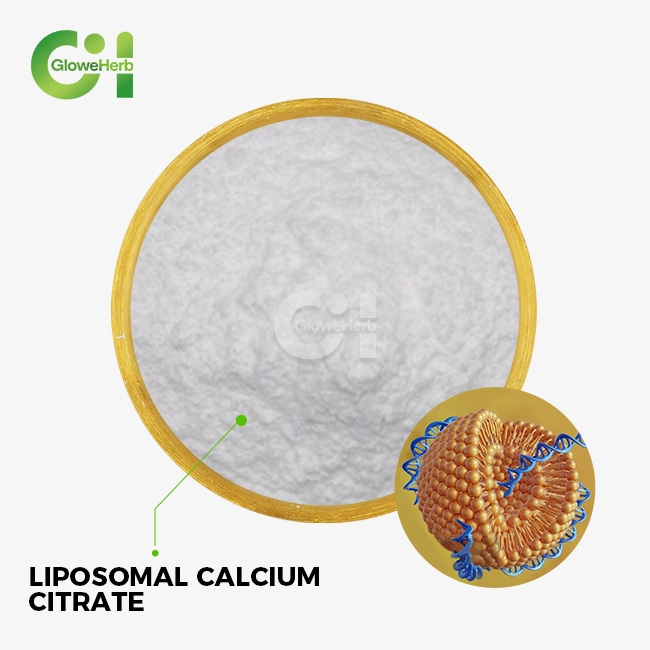
The Science Behind Liposomal Encapsulation
Urolithin A does not dissolve very well in water, which implies that the body cannot absorb as much of it from traditional supplements. This is addressed directly by liposome encapsulation. The molecule, encased in extremely tiny bubbles of phospholipids, functions like the natural dietary fats, which are absorbed into the lymphatic system, passing through the gut wall. Research has shown that this approach may greatly enhance cellular absorption compared to solid powder without encapsulation. So you're far more likely to get each dose to the mitochondria, where it counts the most.
Mitochondrial Support and Anti-Aging Effects
Urolithin A activates mitophagy, a process by which cells may recognize and get rid of defective mitochondria, so that new, healthy ones can be created. A 2019 study in Nature Metabolism found that Urolithin A supplements increased muscular performance and mitochondrial biomarkers in older persons. The liposomal method enables the active chemical to reach mitochondria faster and more efficiently. It supports energy metabolism, lowers muscular tiredness, and can measurably delay cellular aging.
Safety Profile and Dosage Guidance
Currently, the safe dosage range of urolithin A for healthy individuals is considered to be 250 mg to 1,000 mg daily. Liposomes do not provide any new safety concerns since the phospholipids employed in their preparation are considered generally recognized as safe (GRAS). The procurement teams should seek toxicological tests and certificates of analysis (COA) from a third party for each batch. If you’re evaluating items for the athletic or senior market, you should run those products through the standards that pertain to that region.

Core Criteria for Selecting the Right Liposomal Urolithin Supplement
Certifications and Quality Standards
One of the easiest methods to know whether a liposomal urolithin product is excellent is quality approval. Verify that the product satisfies Good Manufacturing Practices (GMPs) for medicines, is ISO certified, and, if applicable, certified USDA Organic or NSF. These criteria ensure the areas where pharmaceuticals are made have consistent safety, purity, and efficacy requirements. Suppliers with many certificates prepared to provide audit findings are far more dependable than those that only offer you a few pieces of paper.
Ingredient Composition and Potency Metrics
Various goods have various levels of Urolithin A. When you are looking at your options, make sure that you acquire standardized test results that show you how much urolithin A is in each dose, and get the particle size distribution for the liposomal preparation and encapsulation efficiency rates. Products with more control over particle size (typically between 80 and 200 nanometers) demonstrate more consistent absorption from one manufacturing batch to the next. “That consistency is very important to B2B clients who are manufacturing products with specific dosage claims.
Packaging Integrity and Shelf Life
Liposomal compositions are susceptible to degradation by light, heat, and oxidation. Packaging in amber glass or nitrogen-flushed aluminum foil bags dramatically extends the shelf life of the food, maintaining integrity throughout long-distance shipping. Request shelf life test results in writing and accelerated stability testing findings performed under various storage circumstances from suppliers. Strong packaging is not a pleasant to have; it is an essential necessity for purchasing. For overseas shipping, it might take 30+ days to arrive at the destination.
Procurement Considerations: Navigating Market Options and Supplier Selection
Sourcing Channels and Cost Structures
Liposomal urolithin can be bought by businesses from direct manufacturers, specialty ingredient wholesalers, or online marketplaces that let people trade with each other around the world. For private-label formulations, direct ties with manufacturers usually give you more control over prices, more open production data, and stronger intellectual property security. Wholesalers make things easier, but they also add a layer of profit. Negotiating tiered pricing or volume-based discount plans with a manufacturer for big orders gives you the best cost-per-unit result while still letting you keep an eye on quality.
Evaluating Supplier Trustworthiness
Before you agree to work with a supplier, check their credentials through outside sources. Ask for factory audit results, client examples from other supplement brands, and proof that your target market has followed all the rules. A supplier's operational depth can be judged by how quickly they respond to after-sales support requests, such as those for help with customs paperwork, product registration, and reformulated requests. Suppliers who send samples to a third party for testing before contracts are signed show that they are sure of the quality of their goods.
Benchmarking Price Against Quality
When comparing prices for liposomal urolithin, it's important to take into account the costs of encapsulating technology, the ability to track down raw materials, and the cost of checking each batch. Very low prices often mean that the encapsulation isn't working as well as it should or that ingredients have been switched out without being disclosed. If you buy something from a certified manufacturer in the middle-to-high price range, it's probably real liposomal production and not just mixing urolithin and lecithin, which is a common but poor substitute that doesn't give you real liposomal bioavailability.
Comparing Liposomal Urolithin with Alternatives: Making Informed Decisions
Liposomal vs. Standard Urolithin A
Standard urolithin A powder has the same active ingredient, but it doesn't have the transport benefit. When comparing uptake, liposomal urolithin A always has higher plasma concentration curves and stays in the systemic circulation for longer. For companies that sell high-end anti-aging or performance nutrition goods, the delivery method is a key differentiator that allows them to charge more for their products and back up their claims of greater effectiveness with science-based evidence.
Urolithin A vs. Nicotinamide Riboside and Resveratrol
Nicotinamide riboside (NR) and resveratrol are both well-known supplements for extending life, but they work in different ways in the body. Resveratrol turns on sirtuin proteins, while NR mainly helps make NAD+. Urolithin A works only through mitophagy induction, which is a process that neither NR nor resveratrol directly start. When buying teams are trying to make a unique product line, liposomal urolithin fits in a different category than these other options and doesn't have to compete with them directly.
Market Adoption and Brand Case Evidence
A number of U.S. supplement companies have successfully released liposomal urolithin A products aimed at people aged 45 and up, athletes, and biohackers. These releases show that consumer demand and store acceptance are both growing. When new brands came out with clearly documented encapsulation methods, third-party testing, and clear sourcing, they consistently had higher customer retention and lower return rates than standard urolithin products. This information should be shared with procurement decision-makers who are thinking about when to enter the category.
Best Practices for Integrating Liposomal Urolithin into Your Product Line
Targeting the Right Consumer Segments
Liposomal urolithin A targets three large markets: individuals who want to slow down aging, people who want to increase athletic performance, and people who want to improve metabolic health. If a company wants to enter this market, it has to make sure that the dosage, format, and the other ingredients it uses are aligned with the needs of the individuals it wants to attract. For example, a product for sports performance may include urolithin A and coenzyme Q10, but a product for promoting life may combine this with spermidine or omega-3 phospholipids to transmit a stronger mitochondrial support message.
Regulatory Compliance in the U.S. and EU
The Food and Drug Administration (FDA) in the United States regulates liposomal urolithin vitamins under 21 CFR Part 111. Urolithin A is authorized in the EU as a Novel Food under Regulation (EU) 2015/2283. Buyers need to ensure they have the appropriate documentation for their chosen supplier, such as self-GRAS statements for the U.S. market and support for a Novel Food dossier for registration in the EU. Gaps in regulatory documentation might add months to the time it takes to enter a market.
Building Long-Term Supplier Partnerships
From a commercial standpoint, you can’t simply have a transactional seller connection to have a consistent supply of liposomal urolithin. Long-term relationships with manufacturers that invest in dedicated manufacturing lines, hold buffer inventories, and aid with formulation research shield brands against supply concerns. Set up frequent batch review cycles, agree on formal quality agreements, and if you can, aim to establish multi-year price arrangements. Here are strategies you can use to develop without sourcing instability. They will defend your product pipeline.
Conclusion
When selecting the appropriate liposomal urolithin supplement for your product line, it is crucial to consider many key factors. These include the delivery technique, quality certifications, the credibility of the supplier, regulatory compliance, and the compatibility of the supplement with your recipe. The liposomal structure obviously offers advantages in terms of bioavailability and targeting mitochondria, but these advantages only become apparent when the quality of manufacturing is carefully controlled. Work with suppliers who will offer you all the papers you need, will assist you in registering with the government, and will prove that the quality of every batch is consistent. Be strict now, and it will save your brand in the long term.

FAQ
1. What is the recommended dosage of liposomal urolithin A for effective results?
Between 250 mg and 1000 mg of urolithin A per day have been used in clinical studies. The liposomal format may work well at the lower end of this range because it absorbs better, but you should get formulation-specific advice from the maker.
2. Can liposomal urolithin A interact with other supplement ingredients?
Most people can handle Urolithin A well. Common co-ingredients like coenzyme Q10, omega-3s, or NAD+ precursors have not been shown to combine in a way that is clinically important. But when making mixed goods, you should always ask your provider for info on compatibility.
3. How do I verify that a supplier's liposomal urolithin is genuinely liposomal?
Ask for particle size measurement reports (dynamic light scattering data), tests to see how well the particles are encapsulated, and transmission electron microscopy pictures if they are available. These tests show that the structure is really nanoscale liposomes and not just a mix of lecithin and urolithin.
4. What certifications should a reliable liposomal urolithin manufacturer hold?
Look for GMP certification, ISO 9001 certification, and third-party COAs for every run at the very least. For suppliers with U.S. clients, they should also show that their facilities are registered with the FDA.
Partner With BioSpark for Your Liposomal Urolithin Supply
BioSpark (Xi'an) Biotechnology Co., Ltd. is a maker of pharma-grade liposomal urolithin. They offer full OEM/ODM production services, from finding raw materials to delivering finished products. Whether you need small pilot batches or large commercial runs, our team is there to help with quality control and regulatory compliance at every step. To get samples and bulk pricing, email us at leao@biosparkcn.com.
References
1. Andreux, P. A., et al. — "The mitophagy activator urolithin A is safe and induces a molecular signature of improved mitochondrial and cellular health in humans." Nature Metabolism, 2019.
2. Singh, A., et al. — "Urolithin A improves muscle strength, exercise performance, and biomarkers of mitochondrial health in older adults." JAMA Network Open, 2022.
3. Ryu, D., et al. — "Urolithin A induces mitophagy and prolongs lifespan in C. elegans and increases muscle function in rodents." Nature Medicine, 2016.
4. Gregoriadis, G. — "Liposome technology: Entrapment of drugs and other materials." CRC Press, 2006.
5. Biesalski, H. K., & Tinz, J. — "Multivitamin/mineral supplements: Rationale and safety." Nutrition, 2017.
6. European Food Safety Authority (EFSA) — "Safety of urolithin A as a novel food pursuant to Regulation (EU) 2015/2283." EFSA Journal, 2022.

Send Inquiry
Related Industry Knowledge
- Purslane Saponins for B2B: Quality and Sourcing Guide
- Why Choose Organic Spinach Juice Powder for Green Nutrition?
- Why Do Nutritionists Call Maqui Berry Powder the Purple Powerhouse?
- How Does Liquorice Extract Powder Brighten Skin Naturally?
- Why Is Yacon Root Extract Popular in Weight Management Supplements?
- What Makes Ghanaian Seed Extract a Powerful Antioxidant?
- What Are the Key Properties of Logwood Extract Dye?
- Natural Artichoke Extract: Science-Backed Health Benefits
- Rosa Roxburghii Extract for Functional Nutrition Trends
- Konjac Flour Extract for High iber Functional Foods
