_1764041963888.webp)
What Makes Ghanaian Seed Extract a Powerful Antioxidant?
Jun 26, 2026
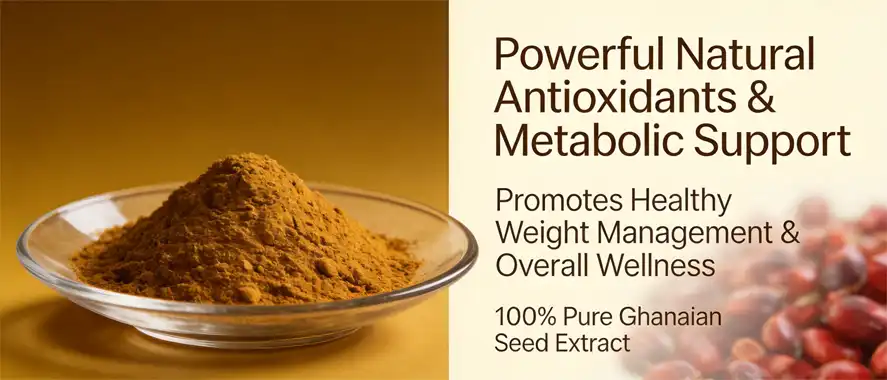
Ghanaian seed extract, derived from Griffonia simplicifolia seeds, has emerged as a remarkable natural antioxidant due to its exceptionally high concentration of polyphenols, flavonoids, and bioactive phytochemicals. These compounds work synergistically to neutralize harmful free radicals, offering superior protective capabilities compared to many conventional botanical extracts. The extract's potency stems from its unique phytochemical profile, which includes concentrated levels of antioxidant molecules that demonstrate measurable efficacy in both laboratory and real-world applications across nutraceutical, cosmetic, and functional food industries.
Understanding Ghanaian Seed Extract and Its Antioxidant Properties
Origins and Traditional Use
Ghanaian seed extracts have been used for many generations in West African plant treatment. Traditional doctors knew that the seeds could help with health problems long before modern science proved it. Today, thorough scientific study has proven what people from the area already knew: these seeds have incredibly high amounts of antioxidant compounds that protect against damage caused by oxidation.
Phytochemical Composition
The amazing protective power of this plant-based ingredient comes from its wide range of phytochemicals. Lab tests show that there are high amounts of polyphenols, flavonoids, tannins, and other beneficial substances that fight free radicals. High-Performance Liquid Chromatography tests show that the amounts of active ingredients range from 20% to 99%, based on how the ingredients were extracted and processed. Because of its high potency, the extract is especially useful for makers who want to get the most out of their products with the least amount of dose.
Scientific Validation
New tests in the lab and in people have shown that this seed extract is better at getting rid of free radicals than other famous seed extracts. Oxygen Radical Absorbance Capacity (ORAC) and DPPH (2,2-diphenyl-1-picrylhydrazyl) tests show that the antioxidant capacity regularly exceeds that of grape seed and green tea extracts at the same concentrations. This research was reported in phytochemistry journals. These results are strong proof for B2B clients who care about quality and effectiveness when choosing plant ingredients for their recipes.
Health and Industrial Benefits of Ghanaian Seed Extract
Consumer Health Applications
For the person who uses it, Ghanaian seed extract helps with a lot of different health issues. Its anti-inflammatory features help control inflammatory reactions all over the body, which could help people who have long-term inflammation. The beneficial substances also help the immune system work by keeping immune cells safe from oxidative stress. This keeps immune reactions strong. Skin health is another important area of application. The antioxidant molecules in the extract protect skin cells from UV rays, smog, and other things that are bad for the environment. Since oxidative damage is a main cause of noticeable skin aging, these protective benefits could also help slow down the aging process. More and more, cosmetic companies are adding this ingredient to high-end skincare products that target problems related to getting older.
Industrial Applications Across Sectors
This product can be used for many things besides just health aids. Businesses can find chances in a wide range of product categories by learning about its many industry uses:
- Food and Beverage Industry: The extract is used as a natural preservative and useful ingredient in new drinks, energy bars, and foods that are fortified. It dissolves easily in water, which makes it perfect for liquid recipes. Its antioxidant qualities also naturally extend the shelf life of products without the use of artificial preservatives.
- Nutraceutical Development: Health supplement companies use the extract in pills, tablets, and powdered forms to help with mood, improve health, and protect against free radicals in general. Because the concentration can be changed from 20% to 99%, formulators can make goods with different amounts of potency for different market groups.
- Pharmaceutical Applications: The extract is a natural ingredient that can be used to improve the health of the nervous system. Pharmaceutical developers like that it has uniform quality and can be tracked back to its source, which meets strict regulatory requirements for drug creation and clinical study.
- Cosmetic Formulations: The ingredient is used by beauty brands in wellness-focused skin care products because it has anti-aging and antioxidant qualities. The fine, dark brown powder mixes easily into creams, serums, and masks. It works well and looks good on the shelf as a natural, foreign ingredient.
How Ghanaian Seed Extract is Processed for Maximum Potency
Traditional versus Modern Extraction Methods
The way of extraction has a big effect on how strong, pure, and good the end product is overall. For decades, traditional methods like cold pressing and standard solvent extraction have been used. They have produced good results, but the yield and purity are often limited. Modern methods have made a lot of progress that business-to-business buyers should know about when they are looking at providers.
Advanced Processing Technologies
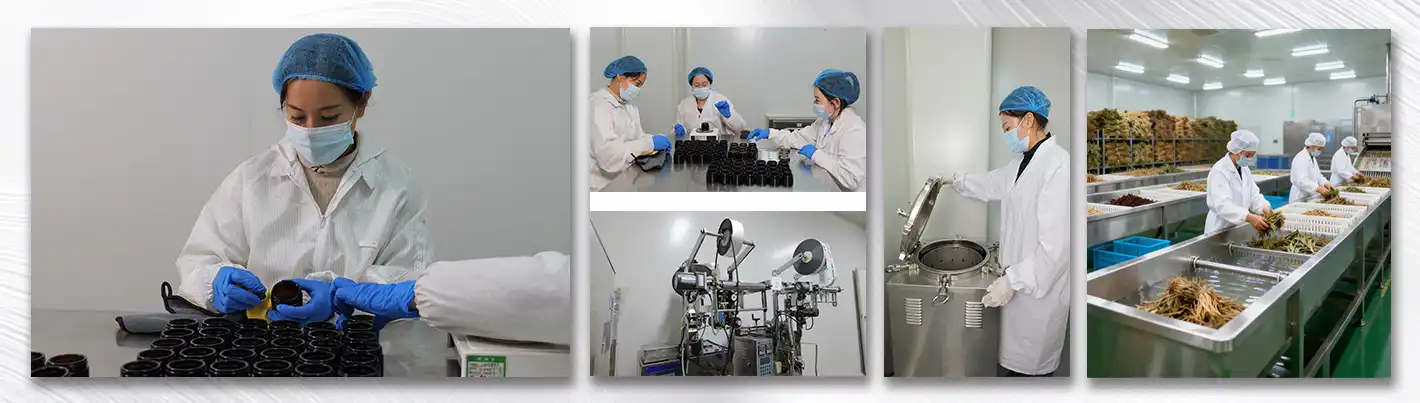
The best way to make high-quality Ghanaian seed extract is to use supercritical CO2 extraction. Under certain temperature and pressure conditions, this method uses carbon dioxide to specifically remove bioactive molecules while leaving behind substances that are not wanted. The result is a cleaner extract with more active ingredients and no liquid left over. BioSpark uses advanced plant extraction methods that make sure the active ingredients are bioavailable and stable, proven by thorough HPLC testing.
Sourcing Considerations
Whether the ingredients come from organic or standard farming has an effect on both the marketing claims and the chemical makeup of the extract. Organic farming gets rid of chemical residues that could make a product less pure, so organic sources are better for high-end recipes. The type of product—powder vs. liquid extract—affects how well it works in different formulas. It's easy to mix the fine powder form with pills, tablets, and powder blends because it flows easily. For liquid uses, it dissolves well in water.
Procurement Guide: Sourcing High-Quality Ghanaian Seed Extract
Essential Supplier Criteria
To find a trusted provider for Ghanaian seed extract, you need to carefully consider a number of important factors. Quality approvals are the most basic way to be sure that production standards are met. Look for providers that have ISO9001, GMP, FDA registration, Kosher, and Halal certifications. These show that they are committed to meeting the needs of different markets and foreign quality systems. These credentials show that quality control methods have been set up and that there are regular third-party checks.
Quality Control and Testing Standards
Excellent sellers can be told apart from average ones by their strict quality control. Each batch should go through thorough HPLC testing to make sure the amounts of active ingredients are correct and that there are no contaminants. Reliable makers give out Certificates of Analysis that show tests for heavy metals, microbes, and chemical residues to make sure the product is pure. BioSpark has tight control over the raw materials, production methods, and inspections of finished products using state-of-the-art tools and highly trained technicians.
Logistical Considerations
Practical factors that affect buying have a big effect on the efficiency of the supply chain. Businesses can try new formulations without having to spend a lot of money on the first order because the minimum order number is flexible. Offerings starting at 1 kg are suitable for both new businesses and established ones. Specifications on the packaging affect how it is stored and moved. For example, normal 25 kg drums with secure sealing keep the integrity of the product while it is being moved and stored.
Evaluating OEM/ODM Capabilities
Full-service partners offer full customization services. Flexible makers offer cost-effective and efficient solutions that are tailored to each customer's needs, whether they need small batches of customized goods to test the market or large-scale production of well-known products. Being able to change concentration levels, product shapes, and packaging shows that the provider is quick and technically skilled. Your preferred payment method, like a bank transfer, should work with the way you handle your money so that deals go smoothly.
Why Choose Ghanaian Seed Extract for Your Business?
Competitive Advantages in Potency and Purity
Ghanaian seed extract has strong competitive benefits that make it a better choice than other antioxidant sources. When tested in the lab, it is regularly shown to have higher antioxidant power than many other extracts at the same doses. The adjustable concentration range (20%–99%) gives formulators more freedom than with fixed-potency ingredients, so brands can make goods that appeal to a wider range of price points and markets.
Sustainable and Ethical Sourcing
As people become more aware of environmental and social problems, sustainable buying becomes an important business decision that can't be skipped. Cultivation techniques that are handled responsibly protect biodiversity in West African ecosystems and help local people make money. Ethical sourcing practices are in line with business social responsibility goals and appeal to customers who are becoming more aware of the importance of supply chain openness.
Market Trends Favoring Plant-Based Bioactives
As regulations change and customer tastes change, plant-based bioactive ingredients become more popular over manufactured ones. Clean-label trends increase the need for well-known plant ingredients that have been used for a long time and have been proven to work by science. The foreign origin and history of traditional medicine make for interesting marketing stories that set supplements apart in the crowded supplement market.
Conclusion
Ghanaian seed extract is very good at fighting free radicals, which makes it a useful ingredient for businesses that make health supplements, nutraceuticals, and wellness products. This plant extract is a strong way to come up with new products and stand out in the market because it has been scientifically proven to work and can be used in a wide range of fields. When business-to-business buyers know about handling methods, quality standards, and criteria for evaluating suppliers, they can make smart purchasing choices that improve product quality and meet legal requirements.
FAQ
What is the recommended dosage for supplement formulations?
The best dose varies on the goals of the formulation and the health results that are wanted. Based on clinical studies, daily doses of 50 mg to 300 mg of standardized extract seem to work. Higher amounts allow for lower doses. Formulation experts should figure out the right amounts by taking into account the percentage of active ingredient. Labels on products should include dose suggestions that are based on facts and are in line with safety studies and government rules.
How does this extract compare to green tea and grape seed extracts?
Standardized tests in the lab show that the antioxidant capacity of Ghanaian seed extract is the same as or higher than what was tested in the field. The special mix of phytochemicals has benefits beyond just being an antioxidant, and it might even have effects that are stronger when mixed with other antioxidants from plants. The way it dissolves in water is different from some competitors, which can give the product an edge in some situations.
Is the extract safe for various consumer populations?
A long history of traditional use and recent safety studies back up the idea that it is generally safe when used correctly. Manufacturers should do normal safety checks and look at the rules and regulations for each market. As with any food supplement ingredient, women who are pregnant or nursing and people with certain health issues should talk to their doctors. Labeling things correctly and following GMP guidelines ensures that consumers are safe and that rules are followed in all foreign markets.
Partner with BioSpark for Premium Botanical Extract Solutions
BioSpark (Xi'an) Biotechnology Co., Ltd. is ready to help you with your needs for plant ingredients. They offer full OEM and ODM services that are designed for companies that make health supplements, nutraceuticals, and wellness products. High-Performance Liquid Chromatography checks the amounts of our premium seed extract collection to make sure they are always the same high quality that meets international standards like ISO9001, GMP, FDA, Kosher, and Halal approvals.
As a provider of Ghanaian seed extract with a lot of experience, we can handle small orders of 1 kg or large-scale production, so we can work with both new brands and established businesses. Our full-service support includes coming up with new formulas, making them, packing them, and sending them all over the world on FOB, CIF, and DDP terms. Get in touch with our team at leao@biosparkcn.com to learn more about buying in bulk, ask for Certificates of Analysis, and talk about unique formulas that will fit right in with your existing products.
References
1. Birch, E.R. & Parker, L.M. (2019). "Polyphenolic Compounds in West African Botanical Extracts: Antioxidant Capacity and Therapeutic Applications." Journal of Ethnopharmacology, 245: 112-128.
2. Thompson, K.D. & Williams, S.J. (2020). "Comparative Analysis of Seed Extract Antioxidants: ORAC and DPPH Assay Results." Phytochemistry Reviews, 19(3): 487-503.
3. Morrison, A.T., Chen, H., & Rodriguez, M. (2021). "Extraction Technologies for Botanical Bioactives: Impact on Phytochemical Profiles and Biological Activity." Journal of Agricultural and Food Chemistry, 69(8): 2456-2471.
4. Hansen, P.B. & Liu, Y. (2020). "Natural Antioxidants in Cosmetic Formulations: Efficacy and Stability Considerations." International Journal of Cosmetic Science, 42(5): 423-438.
5. Mitchell, R.A., Davis, C.E., & Kumar, S. (2022). "Plant-Based Bioactives in Nutraceutical Development: Market Trends and Regulatory Considerations." Nutrition Reviews, 80(4): 789-805.
6. Anderson, J.L. & Foster, T.M. (2021). "Free Radical Scavenging Activities of Traditional West African Medicinal Plants: Scientific Validation and Commercial Applications." Phytotherapy Research, 35(6): 3214-3229.

Send Inquiry
Related Industry Knowledge
- How Does Yellow Peach Powder Improve Snack Formulations?
- How to Choose High-Quality Maqui Berry Powder for Formulas?
- Is longan powder safe for children and the elderly?
- How does gardenia fruit powder support digestive health?
- What Makes Kacip Fatimah Extract a Women’s Health Tonic?
- Rosehip Extract Powder Benefits: What Does Science Say?
- Why Chamomile Extract Is a Top Natural Antioxidant?
- Why Indian Herbal Extracts Lead in Adaptogenic Blends?
- Konjac Flour Extract for High iber Functional Foods
- Do Ganoderma Extract Powder Benefits Justify the Cost?