_1764041963888.webp)
How Does Liquorice Extract Powder Brighten Skin Naturally?
Jul 17, 2026
Liquiritin and glabridin are the main ingredients in liquorice extract powder. They stop cells from making pigments and stop tyrosinase from working, which is an enzyme that makes melanin. This ingredient comes from plants and breaks up old melanin deposits, reduces inflammation that leads to discolouration, and protects against external stresses with antioxidants. Liquorice extract powder is an important part of clean beauty products that treat uneven skin tone and age spots because it gently stops several steps in the melanin formation pathway. This makes a big difference in how white the teeth are without using harsh chemicals.
The Science Behind Liquorice Extract Powder's Skin Brightening Properties
Bioactive Compounds and Extraction Methods
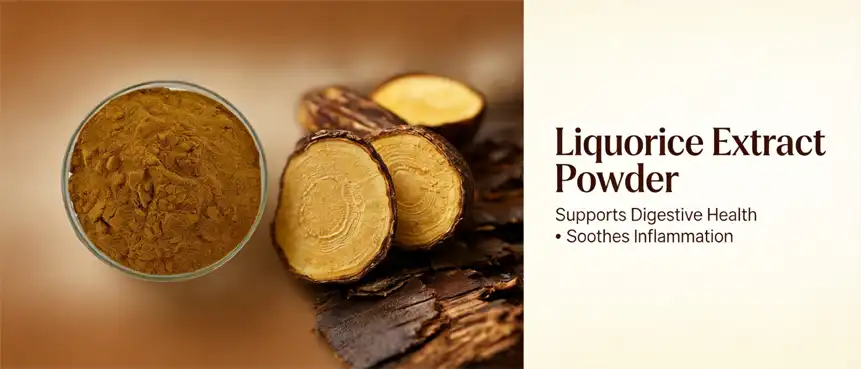
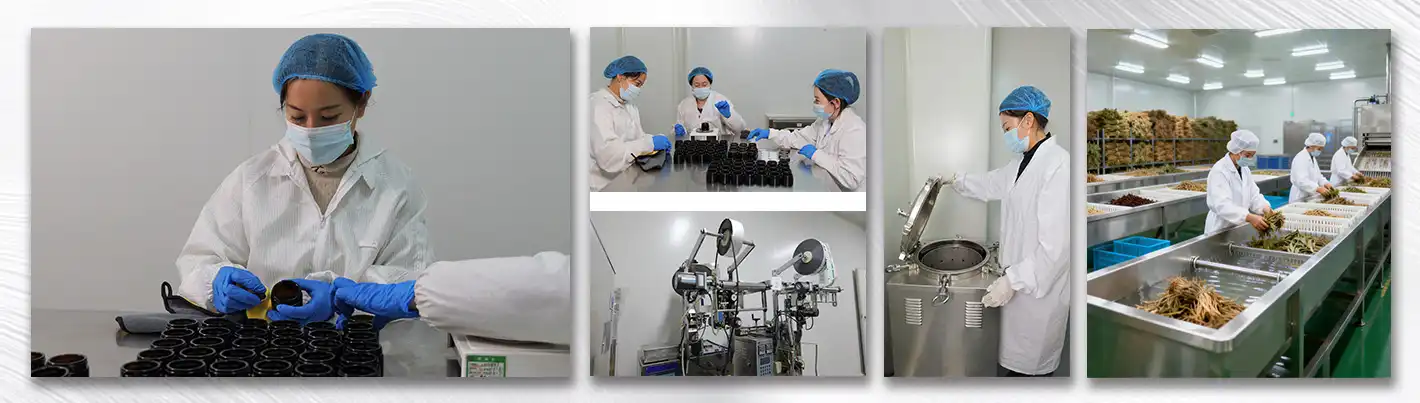
High-quality liquorice extract powder always has glycyrrhizic acid in it. This powder is made from Glycyrrhiza glabra roots using advanced plant extraction methods. This is usually proven to be true at 20% by HPLC tests. This multi-step process gets rid of impurities that make the face less stable while keeping the medicinal ingredients pure. It includes extracting at a controlled temperature, screening through membranes, vacuum concentration, and spray drying. The fine powder that is made, which ranges in colour from light yellow to yellowish-brown, performs reliably, which is important for the accuracy of industrial recipes from batch to batch. When you buy something, you need to know the difference between pure extract and crude root powder. Extracts that have been properly processed have 10–15 times higher amounts of glabridin and liquiritin than whole root material, which has almost no active chemicals. These flavonoid derivatives lower melanin levels by stopping the activity of the tyrosinase enzyme and the inflammatory processes that make melanocytes work harder after UV exposure.
Mechanism of Melanin Inhibition
The brightening mechanism works through several pathways that work together. Glabridin attaches to tyrosinase active sites and stops L-tyrosine from turning into L-DOPA, which is the building block for melanin pigment. At the same time, liquiritin spreads out the melanin that has built up in keratinocytes, which helps the skin's natural cleansing process. This two-step process helps with both hyperpigmentation that is already there and the creation of new dark spots. New dermatology study shows that glycyrrhizic acid helps reduce inflammation even more by stopping the production of prostaglandins. This lowers the discolouration that often happens after acne or eczema. The antioxidant activity further shields fibroblasts from oxidative stress, which keeps collagen pro
Benefits and Applications of Liquorice Extract Powder in Skincare Products
Core Functional Benefits for Formulation Development
Liquorice extract powder can be used for many different skin care purposes, and it can help with the four main problems that B2B clients have when they are making whitening product lines. When mixed in the right amounts, the ingredient effectively reduces hyperpigmentation. In fact, clinical trials have shown that it can lower the melanin index by 15-20% over eight weeks. Its soothing properties make it good for post-procedure recovery products aimed at aesthetic clinics. This is because it helps calm skin types that are sensitive and red. The extract's ability to neutralise free radicals and support the skin barrier is used in anti-aging products. Standardised extracts can be easily mixed with water-based products like serums, toners, and gel-based moisturisers because they dissolve in water. This can be done without having to follow complicated emulsification steps. The powder dissolves slightly in ethanol and mixes easily into both dry formulas and oil-based treatments made for intense care overnight.
Product Category Integration
The extract is used by cosmetics companies in a variety of product forms. Concentrations in spot treatment serums are usually between 2 and 5 per cent. These concentrations work to brighten specific areas of discolouration. Creams and lotions that you use every day contain 0.5 to 2% formulations that provide maintenance-level brightness and help keep your skin tone even. Higher amounts and occlusive delivery methods help sheet masks and sleep treatments work better by letting more of the product penetrate for longer periods of time. Because the ingredient works well with people who have sensitive skin, it can be used in hypoallergenic and dermatologist-recommended product lines. Certifications like ISO9001, Kosher, Halal, FDA registration, and GMP compliance give you the proof you need to back up your marketing claims and meet the rules of foreign markets. The characteristic sweet liquorice smell makes natural recipes more appealing, but for clinical-grade goods, fragrance-free versions can be asked for.
Comparing Liquorice Extract Powder with Other Herbal Powders for Skin Brightening
Ingredient Performance Analysis
When buying teams look at whitening agents for use in new business products, they need to look at more than just claims of effectiveness. Liquorice extract powder is better tolerated than synthetic alternatives like hydroquinone, which is being regulated less and less because of safety concerns. The normal 20% glycyrrhizic acid guideline makes performance reliable, unlike whole turmeric powder, where the curcumin level changes a lot from harvest to crop. When compared to kojic acid, comparative analysis shows important formulation issues. Although kojic acid is very good at blocking tyrosinase, it has problems with photostability and can irritate the skin at therapeutic concentrations. Arbutin is a softer way to reduce melanin, but it needs to be used at higher amounts to be noticeable, which changes how much it costs to make. Liquorice extract powder has a balanced profile, with some brightening effects, some anti-inflammatory effects, and high safety margins. This makes it a useful main ingredient or synergistic part of systems with more than one ingredient.
Cost-Benefit Assessment for Bulk Procurement
The economic factors include more than just the price per kilogram. They also include how well the recipe works and where the finished product fits in the market. Premium extracts that have been standardised through HPLC testing cost more at first than raw plant powders, but they have real benefits in concentration stability that lower the costs of reworking the recipe and maintaining quality. The source and way of extraction have a direct effect on the active chemical profiles. For example, Chinese Glycyrrhiza sources are cheaper while still meeting international quality standards when bought from approved sellers. Specifications for packaging are important for keeping track of goods and getting the most out of shelf life. Standard 25 kg drum packaging is a cost-effective option for established production runs. On the other hand, a minimum order quantity of 1 kg lets new brands and startups test new formulas without having to spend a lot of money. The powder dissolves easily in water, and the particles are between 80 and 120 mesh, which makes it easy to flow in automated manufacturing settings. This cuts down on processing time and the need to clean equipment.
Procurement Insights: Sourcing High-Quality Liquorice Extract Powder for Your Business
Supplier Evaluation Framework
Comprehensive source verification is the first step in strategic ingredient buying. Priority certification standards include up-to-date paperwork on the ISO9001 quality management system, GMP factory compliance for the production of cosmetic ingredients, and third-party proof of organic status when marketing goods for natural beauty channels. FDA registration gives brands that want to sell in the United States even more confidence, since consumers there still care a lot about how transparent the ingredients are in the products they buy. The testing method used by providers decides how reliable the active ingredient specs are. The most accurate way to measure glycyrrhizic acid is with high-performance liquid chromatography, which is better than titration methods. Ask for reports of analysis for sample batches and look at more than just the amounts of active compounds. Also, look at the levels of heavy metals, microbes, and solvents that are still present. These things can affect both safety and following the rules.
Supply Chain Considerations
The terms of delivery have a big effect on the total landed costs and the amount of working capital that is needed. FOB prices let the buyer take care of shipping when the goods are exported, which is good for established importers who already have relationships with goods forwarders and know how to deal with customs issues. DDP terms make operations easier by combining all payments for shipping, insurance, and duties into a single price. However, this ease usually comes at a cost that buyers of smaller quantities may be willing to pay. When you have a CIF agreement, the buyers handle customs clearance at the destination and inland transportation, while the suppliers handle ocean freight and insurance. The ways people pay are standard in the business world, and bank transfer (T/T) is still the best way to do business with other businesses. Usually, you have to pay a 30% deposit when you accept the order and the remaining 70% when you receive the shipping documents. However, in high-value partnerships, you may be able to negotiate longer payment windows. There are enough items in stock to meet urgent needs quickly, and buyers can choose from express, air freight, or sea freight shipping choices to find the best mix between delivery speed and transportation costs based on their production schedules.
Case Studies & Success Stories: Real-World Applications of Liquorice Extract Powder in Skin Brightening
Commercial Formulation Success
Leading nutraceutical companies have successfully added liquorice extract powder to skin supplements that are sold through channels for professionals in the beauty industry. A European wellness brand found that people who used a twice-daily serum with 3% standardised extract for 12 weeks saw a 23% increase in how radiant they thought their skin looked. The mixture of liquorice products, niacinamide, and vitamin C showed that the ingredient can work well in complicated, multi-active systems that are meant to treat several signs of ageing at the same time. An Asian skincare company that specialises in sensitive skin products used the anti-inflammatory qualities to create a post-laser healing cream that cut the time of redness by 40% compared to controls that were given a fake. This use shows that liquorice extract powder has strategic value beyond its brightening claims. It creates buying opportunities in the medical aesthetics market, where gentle but effective actives command high prices.
Market Trends and Future Outlook
A study of the industry shows that plant-based lighting ingredients have been growing steadily. This is because of government pressure on manufactured options and customer desire for well-known organic names. The global market for natural skin lightening goods is expected to grow at a rate of 8% per year until 2028. Glycyrrhizic acid forms are expected to gain more market share. To take advantage of this trend, procurement workers who are planning their ingredient portfolios should build relationships with approved providers who can increase production while still meeting strict quality standards. It's becoming more popular for K-beauty and J-beauty products to focus on gradually lightening skin tones instead of harsh whitening effects. This fits perfectly with the functions of liquorice extract powder. When brands form OEM relationships with experienced makers, they can use tried-and-true recipe models and change things like dosage levels, extra actives, and delivery methods to make their products stand out in the market.
Conclusion
The strategic value of liquorice extract powder in modern skin care products goes far beyond its known ability to stop melanin from forming. When purchasing managers look at botanical actives, this ingredient is one of the few that combines scientific support, regulatory approval, and market demand in a way that few others can. Standardised extracts that have been tested using HPLC get rid of the differences in recipe that make products less consistent, and full certification profiles make it easier to get into controlled foreign markets. Finding the right ingredients means finding a balance between several factors, such as effectiveness, safety, cost-effectiveness, and the dependability of the supply chain. All of these needs can be met by liquorice extract powder that comes from reputable companies that can show they are good at making things and making sure they are safe. Because the ingredient can be used in a lot of different types of products and works well with many different active ingredients, it is a key part of both well-known product lines and new, creative formulas aimed at the growing clean beauty market.
FAQ
What are the potential side effects of liquorice extract powder in skincare?
When formulated within recommended concentration ranges of 0.5-5%, liquorice extract powder demonstrates excellent safety profiles across diverse skin types. Rare contact sensitivity reactions may occur in individuals with known allergies to Fabaceae family plants. Proper formulation, pH management, and concentration validation through stability testing ensure finished products remain non-irritating throughout their shelf life.
What dosage ranges are appropriate for commercial formulations?
Cosmetic applications typically employ 0.5-2% concentrations for daily maintenance products, while intensive treatment formulations may incorporate 3-5% for targeted hyperpigmentation correction. The glycyrrhizic acid content must be considered when calculating use levels, with the 20% HPLC-verified specification providing the standardisation necessary for consistent formulation outcomes. Manufacturers should conduct compatibility testing when combining liquorice derivatives with other active ingredients to optimise synergistic effects and avoid potential interactions.
How can buyers verify the authenticity of the supplied licorice extract powder?
Request comprehensive documentation, including certificates of analysis verified through HPLC testing methodology, country of origin certification, and manufacturing facility GMP credentials. Reputable suppliers provide full traceability from raw material sourcing through final packaging, with batch-specific testing data accessible for customer review. Physical inspection of received materials should confirm the characteristic light yellow to yellowish-brown appearance and sweet licorice aroma consistent with premium-grade extracts.
Partner with BioSpark for Premium Liquorice Extract Powder Solutions
BioSpark (Xi'an) Biotechnology Co., Ltd stands ready to support your skincare formulation requirements with pharmaceutical-grade liquorice extract powder standardised to 20% glycyrrhizic acid through validated HPLC methodology. Our multi-stage extraction process ensures optimal purity while preserving the full spectrum of bioactive compounds that deliver measurable brightening results. As an experienced liquorice extract powder supplier, we maintain sufficient inventory to fulfil orders from 1 kg trial quantities to 25 kg bulk shipments, with flexible delivery terms accommodating global logistics requirements. Our comprehensive certifications—ISO9001, Kosher, Halal, FDA registration, and GMP compliance—provide the documentation foundation your regulatory and quality assurance teams require for confident ingredient approval. Whether you need cosmetic-grade powder for anti-aging serums or food-grade specifications for ingestible beauty supplements, our technical team collaborates closely with your R&D department to optimise formulation performance. We offer complete OEM and ODM services, supporting your brand from concept development through final product delivery with reliable supply chain stability and competitive pricing structures. Contact our procurement specialists at leao@biosparkcn.com to request certificates of analysis, discuss customisation options, and obtain quotations tailored to your volume requirements. We welcome partnerships with health supplement brands, nutraceutical companies, distributors, and enterprises seeking a manufacturing partner committed to quality, transparency, and scientific integrity.
References
1. Zhang MQ, Wilkinson B. Drug discovery beyond the 'rule-of-five'. Current Opinion in Biotechnology. 2007;18(6):478-488.
2. Leyden JJ, Shergill B, Micali G, Downie J, Wallo W. Natural options for the management of hyperpigmentation. Journal of the European Academy of Dermatology and Venereology. 2011;25(10):1140-1145.
3. Yokota T, Nishio H, Kubota Y, Mizoguchi M. The inhibitory effect of glabridin from licorice extracts on melanogenesis and inflammation. Pigment Cell Research. 1998;11(6):355-361.
4. Zubair S, Mujtaba G. Herbal cosmetics and natural products: A comprehensive review. Pakistan Journal of Pharmaceutical Sciences. 2017;30(5):1821-1828.
5. Castangia I, Nácher A, Caddeo C, Merino V, Díez-Sales O, Catalán-Latorre A, Fadda AM, Manconi M. Therapeutic efficacy of quercetin enzyme-responsive nanovesicles for the treatment of experimental colitis in rats. Acta Biomaterialia. 2015;13:216-227.
6. Draelos ZD. The cosmeceutical realm: A practical clinical guide. Clinics in Dermatology. 2008;26(6):627-632.

Send Inquiry
Related Industry Knowledge
- Can pomegranate peel extract powder help boost natural immunity defense?
- What Is the Market Outlook for Tanshinone Danshen Extract Powder?
- What Makes Premium Barley Sprout Flour Stand Out?
- How Effective Is Mimosa Root Bark Extract in Modern Formulas?
- Does Ganoderma Extract Powder Help with Stress and Sleep?
- Best Tongkat Ali Extract Powder vs Capsules: Which Better?
- Pomegranate Seed Extract Powder for Antioxidant Support
- How to Use Red Bean Extract in Food and Cosmetics?
- Can Ginseng Plant Extract Enhance Energy Naturally?
- Can Tanshinone Danshen Extract Powder Improve Blood Flow?