_1764041963888.webp)
Why Is Yacon Root Extract Popular in Weight Management Supplements?
Jun 29, 2026
Because it blends natural sweetness with potent prebiotic activity, Yacon Root Extract has quickly become a popular ingredient in weight loss supplements. This plant product, which is high in fructooligosaccharides (FOS), helps keep the bacteria in your gut healthy and supports metabolic balance and fullness. This plant-based answer, on the other hand, meets the need of consumers for "clean label" ingredients that work and give measured results without sacrificing safety or effectiveness.
Understanding Yacon Root Extract and Its Unique Properties
Origins and Processing of This Andean Botanical
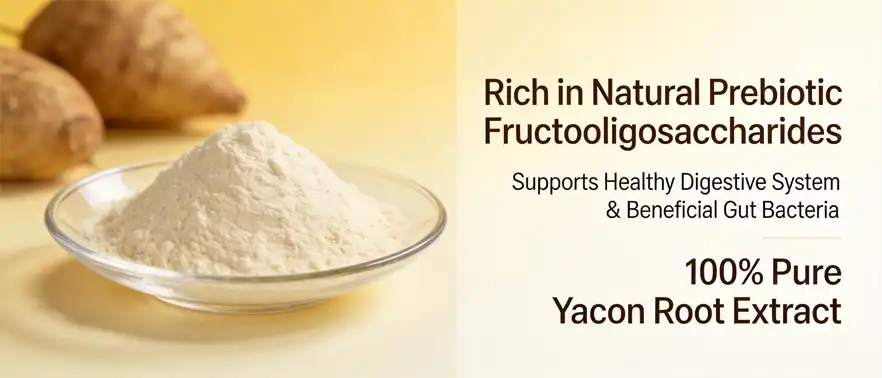
Yacon Root Extract originates from a tuberous plant called Smallanthus sonchifolius that grows in the mountains of South America's Andes. People in the area have loved this root vegetable for hundreds of years and have called it the "divine fruit" because it is so healthy. Modern ways of extracting plants now keep the bioactive chemicals locked inside these roots, turning them into standard ingredients that can be used to make supplements for sale.
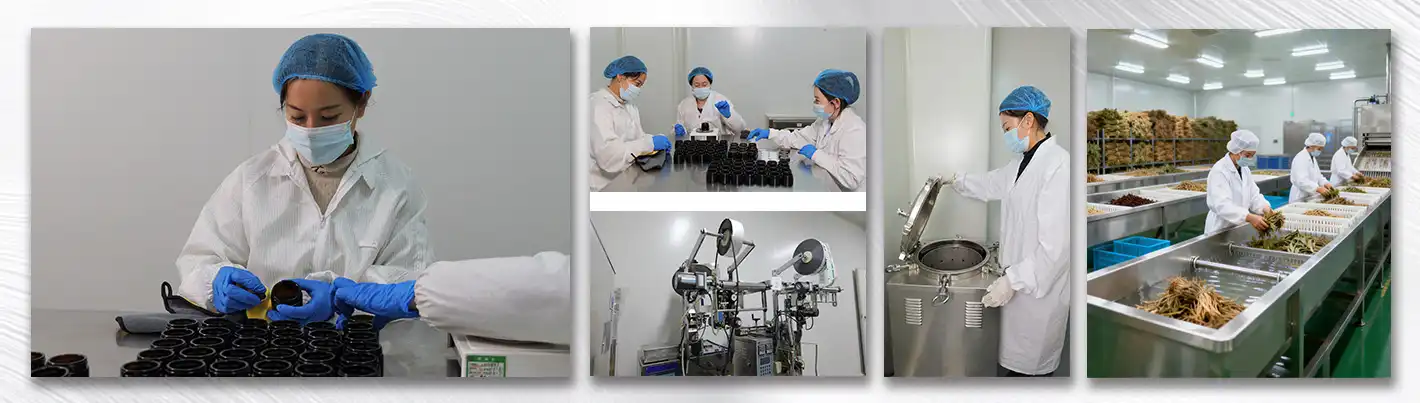
BioSpark gets yacon roots from pure areas in the Andes and uses cutting-edge plant extraction methods to process them. Our fine, brownish-yellow powder has the sweet smell of the original root while also being soluble in water, which makes preparation work easier. Before getting ISO9001, Kosher, Halal, FDA, and GMP approvals, each batch is tested using Thin-Layer Chromatography (TLC) to make sure it is consistent and pure.
Nutritional Composition and Bioactive Compounds
The unique makeup of the Yacon Root Extract gives it its useful properties. Fructooligosaccharides, which are the main active ingredient, make up about 40 to 70% of the extract by weight. These prebiotic fibers don't break down in the upper digestive system, so they get to the gut whole and feed only good bacteria there. Polyphenols (2–8%) act as antioxidants, and water-soluble carbohydrates (10–25%) add to their health-benefiting effects.
This special mix has about 1.3 to 1.5 kcal/g, which is a lot less than regular sweets. The FOS content provides a mild sweetness that is about 30–50% as strong as sugar. This lets formulators lower the number of calories without affecting the taste. The Yacon Root Extract stays stable under mild temperature processing conditions. However, the FOS chains can be broken down by very high acidity and long-term heat exposure.
Comparative Advantages Over Alternative Prebiotics
The level of polymerization in Yacon Root Extract is lower than that in chicory root inulin. This structure difference makes fermentation happen faster in the proximal colon and gives the product a sweeter taste. This makes it very useful for weight management products where flavor acceptance is key to compliance. When compared to stevia, which is very sweet but doesn't help with gut health, Yacon Root Extract is both a natural sweetener and a gut health booster.
The fact that the extract mixes quickly in water but not so much in ethanol is liked by the manufacturers. This solubility trait works well for many uses, from making healthy drinks to making capsules. The powder is a brownish-yellow color and doesn't need any special tools or process changes to work with current production lines.
Why Yacon Root Extract Is Effective for Weight Management
Prebiotic Mechanisms Supporting Metabolic Health
Yacon Root Extract's fructooligosaccharides, which are prebiotics, are directly responsible for helping people lose weight. When FOS gets to the gut, good bacteria, mostly Bifidobacterium and Lactobacillus species, turn the fibers into short-chain fatty acids. Butyrate, acetate, and propionate are chemicals that are made during fermentation. These chemicals affect energy balance and fat metabolism in several different ways.
Studies show that these short-chain fatty acids turn on signaling pathways that make cells more sensitive to insulin and improve how they use glucose. The bifidogenic effect, which means selectively increasing the growth of Bifidobacterium, is linked to better biochemical markers in clinical studies. This change in microbes helps keep the gut healthy, which may lower systemic inflammation, which is linked to fat and metabolic syndrome.
The product has effects that go beyond its basic prebiotic function. Studies have shown that regular drinking is linked to lower body weight, a smaller waist, and better body mass index measures. These results seem to be connected to both the metabolic effects of short-chain fatty acids and the effect of the Yacon Root Extract on hormones that control hunger.
Satiety Enhancement and Appetite Control
Yacon Root Extract changes the signals that tell your body it's hungry in more than one way. Gut peptides, such as glucagon-like peptide-1 (GLP-1) and peptide YY (PYY), are released when FOS ferments. These chemicals tell the brain that it is full, which could make you eat fewer calories throughout the day. People who use products with this plant extract often say they feel fuller for longer.
Because the Yacon Root Extract is low in glycemic index, it stops the blood sugar jumps and crashes that make you hungry. Formulations with Yacon Root Extract help keep energy levels steady by adding sweetness without letting glucose be absorbed quickly. This security is especially helpful for people who are trying to control their weight while also living a busy life or who are having problems with their blood sugar.
Blood Sugar Regulation and Metabolic Balance
It looks like the product might help keep blood sugar levels healthy in a number of ways. The FOS presence slows down the uptake of carbs from other foods, which lowers blood sugar levels after a meal. Polyphenol chemicals in the Yacon Root Extract may make insulin receptors more sensitive, which makes it easier for cells to take in glucose.
Clinical findings show that adding this ingredient to your daily practice is linked to lower hemoglobin A1c percentages and better fasting glucose levels over time. These results make Yacon Root Extract especially useful for making products that are safe for diabetics, which will appeal to a large group of people who want natural ways to help their metabolism.
Comparative Analysis: Yacon Root Extract Versus Other Natural Ingredients
Evaluating Sweetening and Prebiotic Capacity
When you compare Yacon Root Extract directly to other natural products, you can see clear benefits. Stevia is very sweet, but it doesn't work as a prebiotic, so formulators have to add other fiber sources. While moringa powder has a high nutrient density, it doesn't have much prebiotic activity and has a strong taste that can take over recipes.
Chicory root inulin has some of the same prebiotic qualities as psyllium husk, but it is less sweet per gram, so you usually need to add more sugar. Chicory inulin ferments more slowly than Yacon Root Extract because it has a higher degree of polymerization. This could mean that it doesn't make you feel full as quickly. These real differences affect formulation choices based on what the target customer wants and what health results are wanted.
The extract's two functions make ingredient lists shorter, which is a big help when making clean-label products. Manufacturers don't have to mix different sweeteners and prebiotics; they can do both with a single plant ingredient. This makes the formulation less complicated, cuts down on production costs, and makes signs that are easier for customers to understand and support marketing messaging.
Organic Versus Conventional Sourcing Considerations
When it comes to organic certification, procurement managers have to make smart choices. The price of organic Yacon Root Extract is higher, but it gives you access to niche markets that are willing to pay more for organic status. In price-sensitive markets, conventional extracts offer the same functional benefits at lower prices, which helps competitive pricing strategies.
Quality stability is the most important thing, no matter if the product is pure or not. Reliable sellers follow strict farming rules and handling processes after harvesting to make sure that all batches have the same makeup. BioSpark's extraction methods keep bioactive substances safe, no matter if the raw materials are organic or not. Each batch meets the same high-quality standards, which are confirmed by TLC tests.
Powder Versus Liquid Form Selection
Form selection is usually based on the needs of the application. Powder forms are more stable on shelves, easier to store, and have a more concentrated makeup that cuts down on shipping amounts. Because Yacon Root Extract powder absorbs water, it needs to be made in a dry environment (below 40% relative humidity) so that it doesn't clump. However, normal supplement factories can easily handle these conditions.
In drinking uses, liquid extracts dissolve right away, but they need to be carefully stored and take up more space. As you can see, powder shapes are very flexible and can be used to make tablets, capsules, drink mixes, and useful foods. Good powder extracts dissolve easily in water, which lets them be quickly reconstituted when liquid uses call for it.
How to Source High-Quality Yacon Root Extract for Your Business
Certification and Quality Verification Requirements
A full review of the certifications is the first step in making sourcing choices. ISO9001 certification shows that quality is managed in a planned way, and GMP certification shows that good manufacturing methods for supplement production are followed. Kosher and Halal approvals make it easier for people with certain religious dietary needs to buy goods.
FDA registration shows that a provider is committed to following the rules and making sure that the location is ready for inspections. All of these qualifications show how mature a supplier's operations are and how committed they are to quality. BioSpark keeps all of these certifications up to date, which gives procurement managers the clear paperwork they need for regulatory filings and due diligence processes in target markets.
In addition to certificates, you should ask for precise specs that show the ranges of FOS content, moisture levels, ash content, and microbial limits. Good providers give Certificates of Analysis for each batch, which show that the test results met the standards. The usual way to test Yacon Root Extract to make sure it is what it says it is and what its relative makeup is is called thin-layer chromatography.
Evaluating Supplier Reliability and Scalability
For partnerships to last, suppliers need to be able to handle both present sales and growth in the future. Look at how much can be produced, how the material is managed, and how resilient the supply chain is. When suppliers keep enough stock on hand, they can deliver quickly, which helps you stick to your production plans and avoid costly delays.
BioSpark's production machinery is flexible enough to handle requests ranging from as little as 1 kg to large amounts measured in metric tons. Our standard for 25 kg drum packaging works well for industrial production while still being easy to handle. Different logistics needs and foreign trade rules can be met with flexible shipping terms like FOB, CIF, CFR, EXW, DAP, and DDP.
Clear lines of communication are very important when building relationships. Suppliers who are responsive answer technical questions, advise on recipe, and quickly address concerns. We help business customers by managing their accounts personally, making sure that your team gets the expert help they need to build and launch new products and grow.
OEM and ODM Partnership Opportunities
Brands that don't have their own production facilities can benefit from private label and contract manufacturing services. When you make an OEM deal, you can sell goods under your own brand name while using someone else's manufacturing skills. ODM services go even further by helping with recipe development, which shortens the time it takes for new product ideas to hit the market.
BioSpark provides full OEM/ODM services, including formulating, making prototypes, testing for stability, designing packaging, and manufacturing on a large scale. Our team works with your product development experts to come up with unique recipes that help you reach your market positioning goals. With this partnership method, getting raw materials is turned into strategic product creation.
We can handle different dosage types, such as pills, tablets, powders, and liquids. Small custom runs for testing the market are possible, as well as large-scale business production to support national sales. Our quality processes make sure that the same high standards are met at all output levels, whether we're making 100 units or 100,000.
Safe Usage Guidelines and Potential Side Effects
Recommended Dosage Levels for Supplement Formulations
In clinical studies, people usually get between 3 and 10 grams of FOS every day from Yacon Root Extract sources. Formulations that help people lose weight usually have between 5 and 8 grams per dose, which is a good balance between effectiveness and digestive comfort. By starting with smaller doses and slowly raising them, people can get used to the prebiotic benefits, which lowers the risk of stomach problems during the adjustment period.
The formulation background is very important. When you mix Yacon Root Extract with other fiber sources or prebiotics, you need to think about the overall amount of fiber in the food so you don't eat too much and get stomach problems. Because 40–70% of the extract is FOS, 10 grams of extract gives you about 4–7 grams of active prebiotic chemicals.
Labels for products should make it clear how to use them and how much to serve. Being clear about the FOS content helps both customers and healthcare professionals make smart choices about how to include it in their overall diets. In competitive markets, these actions help build trust and protect a product's image.
Understanding Digestive Adaptation Responses
When you first eat prebiotic carbohydrates, your digestive system may react temporarily with slight bloating, gas, or changes in your bowel habits. Most of the time, these effects are caused by changes in the bacteria population that are good, not bad. After one to two weeks of regular use, most people adapt because the bacteria in their guts get used to the prebiotic base.
These adaptation reactions are lessened by suggesting slow dosage increases. The gut system can get used to the full dose slowly by starting with half the recommended serving size for the first week. This method increases obedience and lowers the number of people who stop using a product too soon because of temporary pain.
People who already have stomach problems or whose systems are very sensitive to food may sometimes become sensitive to it. Standard product labels should include the right warnings and suggestions for people with underlying health problems to talk to their doctors. People will be safe with these smart tips, which also show good product management.
Regulatory Compliance Across International Markets
In different parts of the world, plant vitamins are regulated by different sets of rules. In North America, Yacon Root Extract is sold under the DSHEA rules, which say it is an ingredient in food supplements. Depending on how the product is positioned and what health claims are made, European markets use either Novel Foods regulations or standard use routes.
Keeping up with how regulations change saves market entry and stops costly mistakes in compliance. Working with providers who know what the target market needs makes legal planning go more quickly. BioSpark has regulatory knowledge about the world's biggest markets and can provide the paperwork and test results needed for regulatory entries to go smoothly.
New studies keep adding to the body of knowledge that supports the use of Yacon Root Extract. New extraction methods that are being worked on offer higher amounts of bioactive compounds and better standardization. These improvements are likely to make it easier to use new products and make health claims more reliable for future generations.
Conclusion
This Andean plant is becoming more popular in weight loss products because it has a unique mix of prebiotic properties, metabolic support, and a clean label appeal. Unlike ingredients that only do one thing, Yacon Root Extract targets several customer concerns at once: controlling hunger, gut health, blood sugar control, and natural composition. More and more clinical data is showing that these benefits are real, which makes the scientific basis for product promises stronger.
To make a good product, you need to work with dependable sourcing partners that can guarantee quality, follow rules, and offer expert help. Manufacturers who want to stand out in the weight control market find a strategic edge by using this botanical ingredient that has been proven scientifically. When proven effectiveness, clean label positioning, and customer acceptance come together, they create great market possibilities for brands that are ready to meet rising demand.
FAQ
Does yacon extract maintain efficacy throughout product shelf life?
The Yacon Root Extract is very stable as long as it is made and kept correctly. The amount of FOS stays the same for 24 months in normal settings where wetness levels are kept in check. Good providers give stable data to back up shelf-life claims, which lets you confidently set an expiration date.
How does this ingredient compare cost-effectively against chicory inulin?
Prices depend on how much you order and whether or not the product is organically certified. Chicory inulin may be cheaper per kilogram, but Yacon Root Extract is usually a better deal for money because it is sweeter and more effective at making bifidobacteria. Formulation studies help figure out which ingredient is best for a certain product positioning.
Can yacon extract combine safely with probiotic strains in synbiotic formulations?
The product works really well with probiotic bacteria, especially Lactobacillus and Bifidobacterium types. The prebiotic FOS helps probiotics stay alive while they are being stored and improves colonization after they have been eaten. Because of this, the extract is perfect for advanced gut health and weight management products that use both bacteria and prebiotic substrates.
Partner with a Trusted Yacon Root Extract Supplier
BioSpark gives you safe access to high-quality botanical ingredients that are backed by a wide range of quality standards and flexible production options. Our Yacon Root Extract is certified by ISO9001, GMP, Kosher, Halal, and the FDA to meet foreign standards. This gives you the proof of compliance that you need for your regulatory applications. We keep enough in stock to offer fast shipping choices by express, air freight, or sea freight, no matter if you need a small batch of prototypes or a lot of them for commercial production.
We do more than just give ingredients; we also offer full OEM/ODM services that help with unique formulation creation, stability testing, and production of finished products. Our technical team works with your product development experts to make unique supplement formulas that are best for the success of your target market. Contact us at leao@biosparkcn.com to talk about your unique needs, get product samples, or look into ways to work together to help you get into the market faster.
References
1. Gibson, G. R., et al. (2017). Dietary Modulation of the Human Gut Microbiota: Updating the Concept of Prebiotics. Nutrition Research Reviews, 30(1), 3-15.
2. Genta, S., et al. (2009). Yacon Syrup: Beneficial Effects on Obesity and Insulin Resistance in Humans. Clinical Nutrition, 28(2), 182-187.
3. Caetano, B. F., et al. (2016). Yacon (Smallanthus sonchifolius) as a Food Supplement: Health-Promoting Benefits of Fructooligosaccharides. Nutrients, 8(7), 436.
4. Roberfroid, M., et al. (2010). Prebiotic Effects: Metabolic and Health Benefits. British Journal of Nutrition, 104(S2), S1-S63.
5. Manrique, I., et al. (2013). Yacon Fact Sheet. International Potato Center Technical Report Series.
6. Valentová, K., & Ulrichová, J. (2003). Smallanthus sonchifolius and Lepidium meyenii—Prospective Andean Crops for the Prevention of Chronic Diseases. Biomedical Papers, 147(2), 119-130.

Send Inquiry
Related Industry Knowledge
- Is Kidney Bean Flour the Next Trend in Healthy Baking?
- Why Do Brands Prefer Natural Blueberry Extract Powder Today?
- Could Natural Blueberry Extract Powder Support Eye Health Products?
- Need Stable Liquorice Extract Powder for Food Applications?
- Why Is Maqui Berry Powder Trending in Superfood Supplements?
- Can Konjac Flour Extract Replace Cornstarch in Cooking?
- Inositol Pearl Extract vs Pearl Powder: What’s the Difference?
- What Makes the Best Tongkat Ali Extract Powder Stand Out?
- Why Chamomile Extract Is a Top Natural Antioxidant?
- Ghanaian Seed Extract Benefits: Natural 5-HTP for Mood & Wellness