_1764041963888.webp)
How Does Wolfberry Polysaccharide Promote Daily Wellness?
Oct 01, 2026
Wolfberry polysaccharide, or Lycium Barbarum Polysaccharides (LBP) in scientific terms, supports everyday well-being by working directly on the immune cells, antioxidant pathways, and metabolic regulators of the body. It is a water-soluble glycoconjugate complex with molecular weights varying from 10 to 2,300 kDa and is extracted from the dried fruit of Lycium barbarum L. A standardized extract of wolfberry polysaccharides provides a stable level of bioactive markers, unlike fresh goji berries that vary with the seasons and conditions of agriculture. Research has shown its involvement in immunomodulation, decreasing oxidative stress, and controlling blood glucose levels; hence is a functional element that merits significant consideration in the wellness business.
Understanding Wolfberry Polysaccharide: The Science Behind Daily Wellness
What Is Wolfberry Polysaccharide?
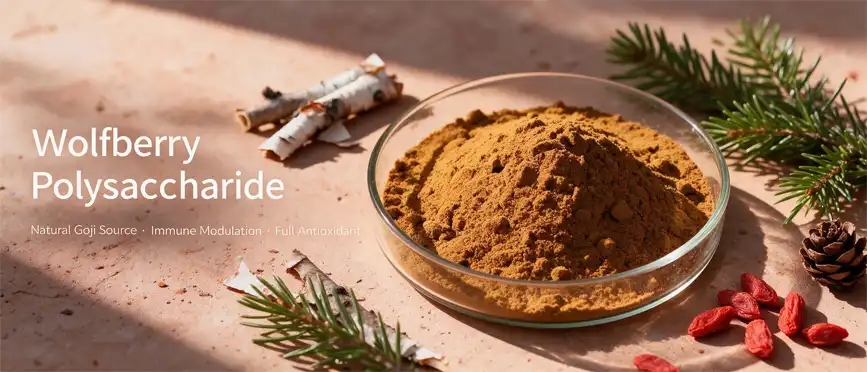
Wolfberry polysaccharide is a bioactive proteoglycan complex isolated from the fruit of the plant Lycium barbarum. Inside, fine, water-absorbing brownish-yellow to brownish-red powder of acidic heteropolysaccharides and polypeptides with numerous branches. Fake LBP is made of maltodextrin or starch and looks like the genuine stuff. Real LBP has just three sugars: arabinose, galactose, and rhamnose. The polysaccharide content of good-quality industrial grades is determined to be 30% to 50% by the UV-Vis/phenol-sulfuric acid technique. More than 95% of the particles are under 80 mesh.
How Does the Extraction Process Work?
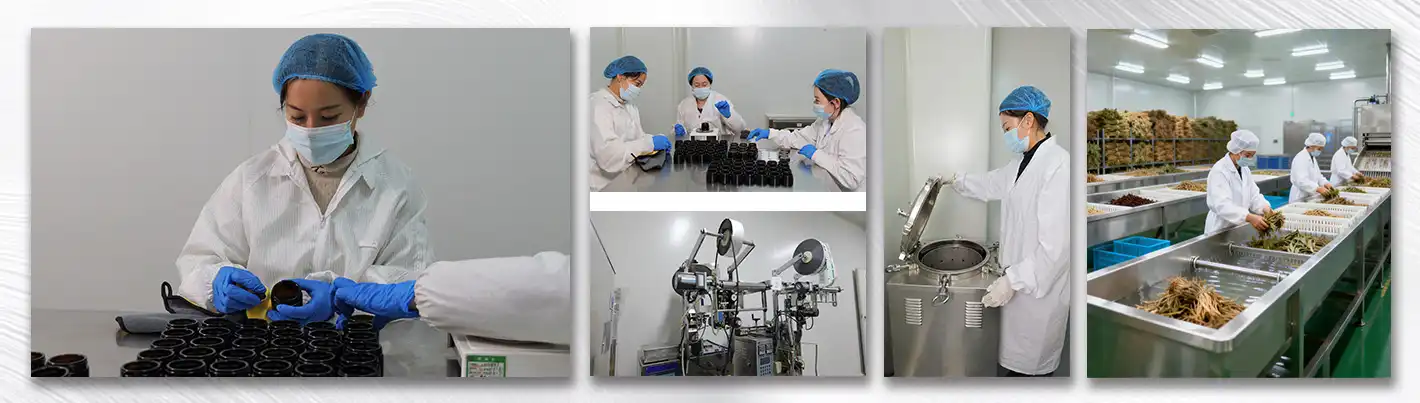
The wolfberry polysaccharide is prepared by the water extraction of the fruit, followed by the addition of alcohol, membrane filtration, and spray drying. This mechanism increases the glycoconjugates that break down in water and makes them drug-like. The product that was developed is stable in water and heat conditions. If the pH is 3.5 to 4.5, it may be mixed with clear or slightly hazy liquids without settling. It doesn't become gritty or separate out, so you may use it directly to prepare beverages and herbal supplements.
Key Active Components Beyond the Polysaccharide
LBP is compatible with other things. Wolfberry polysaccharide products are rich in zeaxanthin dipalmitate, a pigment localized in the macular portion of the eye. They also include betaine, which protects the liver, antioxidants, vitamin C, vitamin E, zinc, and selenium. A proper blend of nutrients will have these additional substances, which act with the polysaccharide portion to help protect the eyes and kidneys.
Key Benefits of Wolfberry Polysaccharide for Daily Wellness
Immune System Modulation
It has been established in animal studies that wolfberry polysaccharide stimulates natural killer cells, macrophages, and T-lymphocytes. Research published in the journal Food & Function in 2019 indicated that participants who had very high levels of interleukin-2 and immunoglobulin G used LBP supplements. The wolfberry polysaccharide helps boost the immune systems of those over 40, people who are under stress at work, and those who have just recovered from an illness.
Antioxidant Activity and Cellular Protection
Wolfberry polysaccharide reduces the level of malondialdehyde (MDA) and stimulates the activity of superoxide dismutase (SOD) to eliminate free radicals. Both of these indicators are often utilized in clinical research to evaluate oxidative stress. LBP has a branching structure of heteropolysaccharide; thus, it may eliminate more radicals than astragalus polysaccharide. That makes goji berry extract a good candidate for anti-aging vitamin lines and cosmeceutical serums that need stick-together antioxidants.
Metabolic and Cardiovascular Support
A 2015 study published in the Journal of Ethnopharmacology indicated that feeding LBP tablets to rats with type 2 diabetes increased their fasting blood glucose levels and their sensitivity to insulin. Wolfberry polysaccharide seems to inhibit α-glucosidase activity, therefore reducing the absorption of carbs in the body. That opens up new avenues for the nutraceutical market to develop supplements for heart health, weight reduction, and metabolic health. Customer demand in the U.S. is growing fast in all of these sectors.
Selecting the Best Wolfberry Polysaccharide for Your Business Needs
Organic vs. Non-Organic: What Matters for B2B Buyers
Wolfberry polysaccharide with organic certification is more expensive, but it can be sold in places with clean labels and a focus on health. As long as the conditions for separation stay the same, the bioavailability of polysaccharides from organic and non-organic sources is about the same. Companies that make goods for OEMs often need USDA or EU Organic approval in order to sell to markets in the EU or California. When a buyer certifies a seller, they should make sure that the certification covers both the place where the goods are made and where the raw materials come from.
Powder vs. Capsule Format: Choosing the Right Product Form
When creating drinks, pills, capsules, and skin care items, Wolfberry polysaccharide powder expands your choices. It naturally soaks up water, so it needs to be ground into small pieces before it can be high-speed tableted. This keeps it from capping or sticking during production. If you want to sell medicines directly to customers, encapsulated LBP is the best choice because it is easy to use and gives accurate doses. Original equipment manufacturers (OEMs) and wholesalers save money and have more freedom to make changes to the product when they buy wolfberry polysaccharide powder in bulk. These are both very important in the private-label supplement market, which is very competitive.
Quality Markers to Verify Before Sourcing
Before buying a lot of wolfberry polysaccharide from a company, buyers should make sure they can prove four quality issues:
Here are the most important signs that something is real that every buyer should look for:
- Polysaccharide content certificate: Minimum 30% confirmed by UV-Vis/phenol-sulfuric acid assay, not simple total carbohydrate tests.
- Molecular weight distribution report: Authenticates the glycoconjugate profile and rules out starch adulteration.
- Heavy metal and pesticide residue panel: Essential for FDA and EU market compliance.
- GMP facility certification and third-party COA: Confirms production-environment integrity and batch-to-batch consistency.
Make sure that companies that make wolfberry polysaccharide give you these four papers. This will protect your supply chain from changes in quality that could lead to legal risk down the road.
Procurement Guide: Buying Wolfberry Polysaccharide in Bulk
Pricing Models and Minimum Order Quantities
The price of large amounts of wolfberry polysaccharide depends on the purchase quantity, whether it is organic or regular, and its concentration (30-50%). If you wish to test wolfberry polysaccharide from a famous supplier, the minimum order quantity (MOQ) is 25 kg. Prices start to drop after 100 kilograms. Also, purchasers should speak about fixed pricing contracts that pledge to provide them for 6 to 12 months to protect themselves from fluctuations in the cost of raw materials as the Ningxia harvest cycles.
Supply Chain Transparency and Risk Management
If you find someone you trust selling wolfberry polysaccharide, they can tell you precisely where the fruit is coming from and where the extract is being manufactured. When you purchase anything, get documents that can trace each shipment to the precise date and location where it was collected. The quality of the cargo is not only checked by internal quality control but also confirmed by third-party testing at certified labs.
Private Labeling and Customization Options
Many supplement businesses wanting to break into the LBP industry choose private-label wolfberry polysaccharide products to bring their goods to market quicker. If you select a reputable OEM/ODM partner, they should be able to provide you with unique extract concentrations, capsule sizes, combined formulas with zeaxanthin or betaine, and packaging with your logo on it. This maintains the company's originality and reduces internal R&D expenses. Before entering into a partnership with a manufacturer on a project, brands should confirm that the manufacturer has expertise in producing health items with more than one ingredient.
Future Trends and Market Opportunities in Wolfberry Polysaccharide
Expanding Applications in Skincare and Functional Foods
Cosmetic manufacturers utilize wolfberry polysaccharides in oil-in-water emulsions because they may generate a film that retains water. Stability data show that LBP is still functional in these blends if the correct chelating agents are applied to prevent the running of the color. It is used in functional foods, such as protein bars, RTD drinks, and senior nutrition products, since customers want ingredients that are simple to comprehend and have science behind them.
Regulatory Developments Affecting Global Trade
The US Food and Drug Administration (FDA) has approved wolfberry polysaccharide as a food supplement ingredient. The extract may also fall within the scope of EU Novel Food rules, depending on the concentration and claims made about its application. Buyers entering new markets should collaborate with suppliers that understand how to handle the restrictions that come with those markets. This will ensure compliance doesn’t take forever. Increasingly, progressive LBP suppliers distinguish themselves by having paperwork such as safety dossiers and spec sheets at the ready.
Competitive Advantage Through Certification and Innovation
With increasing awareness of the source of food by consumers and shops, brands that can be authorized and well-documented wolfberry polysaccharide will have a long-term economic advantage. By working with suppliers that engage in clinical research collaborations and maintain up-to-date safety data, you can safeguard your market in more ways than simply price competition.
Conclusion
Wolfberry polysaccharide is one of the most studied plant-based bioactives in the supplement and nutraceutical industry. There are studies released out there that demonstrate it is helpful for the immune system, metabolism, and vitamins.
FAQ
1. What is the recommended daily dosage of wolfberry polysaccharide?
Published human studies typically use 150–300 mg of standardized LBP extract daily. The correct dose depends on polysaccharide concentration, target health outcome, and the specific product format. Always consult the supplier's technical data sheet and consult a registered dietitian for formulation guidance.
2. Is wolfberry polysaccharide safe to combine with other supplements?
LBP is generally regarded as safe with a well-established tolerance profile across clinical trials. However, it may interact with anticoagulant medications such as warfarin. Formulators targeting immune or metabolic health should review ingredient interaction data before combining LBP with pharmaceutical-grade botanicals.
3. How do I verify that a wolfberry polysaccharide supplier is authentic?
Request a third-party Certificate of Analysis (COA), GMP facility certification, polysaccharide content test results, and molecular weight distribution data. Authentic wolfberry polysaccharide extract shows a specific monosaccharide ratio that cannot be replicated by maltodextrin fillers.
4. What product formats does wolfberry polysaccharide come in?
Wolfberry polysaccharide is available as bulk powder (30%–50% concentration), granules for tableting, and finished capsules. The powder format suits OEM manufacturing across beverages, tablets, and topical formulas. Capsules suit direct retail applications.
5. Can wolfberry polysaccharide be used in cosmetic formulations?
Yes. LBP functions as a film-forming humectant and antioxidant in oil-in-water emulsions. It is stable in topical applications when formulated with appropriate chelating agents and remains active across standard shelf-life periods.
Partner with BioSpark for Premium Wolfberry Polysaccharide Supply
Every day, 150–300 mg of pure LBP extract is used in published studies on people. It depends on the type of wolfberry polysaccharide, the health goal, and the way the product is sold to determine the right amount. Always look at the provider's technical data sheet and get help with formulation from a trained dietitian. You can get a sample or a custom price right now by emailing leao@biosparkcn.com.
References
1. Amagase, H., & Farnsworth, N. R. (2011). A review of botanical characteristics, phytochemistry, clinical relevance in efficacy and safety of Lycium barbarum fruit. Food Research International.
2. Tang, W. M., et al. (2012). Neuroprotective effects of Lycium barbarum polysaccharide on retinal ganglion cells in diabetic rats. Cell Biology International.
3. Cheng, J., et al. (2015). Effect of Lycium barbarum polysaccharides on blood glucose and inflammation in type 2 diabetic rats. Journal of Ethnopharmacology.
4. Li, X. M., et al. (2007). Antitumor activity of Lycium barbarum polysaccharides and the immunological mechanism. Journal of Medicinal Food.
5. Zhao, R., et al. (2019). Lycium barbarum polysaccharides modulate gut microbiota and immune response in aging mice. Food & Function.
6. Niu, A. J., et al. (2008). Protective effect of Lycium barbarum polysaccharides on oxidative damage of hippocampal neurons. Neurochemical Research.

Send Inquiry
Related Industry Knowledge
- Which Banana Juice Powder Specifications Matter Most to Buyers?
- Why Is Banana Juice Powder Popular in Functional Beverages?
- Hawthorn Fruit Powder Benefits: A Buyer’s Quality Checklist
- Blackberry Juice Powder OEM Guide for Custom Formulation
- How Does Kidney Bean Flour Support Gluten-Free Nutrition?
- Is Coconut Milk Extract Powder More Cost-Effective Than Canned?
- Is Coconut Milk Extract Powder More Cost-Effective Than Canned?
- Is Coconut Milk Extract Powder More Cost-Effective Than Canned?
- Is Coconut Milk Extract Powder More Cost-Effective Than Canned?
- Is Coconut Milk Extract Powder More Cost-Effective Than Canned?
- Is Coconut Milk Extract Powder More Cost-Effective Than Canned?
- Is Coconut Milk Extract Powder More Cost-Effective Than Canned?
- Is Coconut Milk Extract Powder More Cost-Effective Than Canned?
- Is Coconut Milk Extract Powder More Cost-Effective Than Canned?
- Is Coconut Milk Extract Powder More Cost-Effective Than Canned?
- High-Quality Barley Sprout Powder for Food Innovation
- Want Reliable Holy Berry Powder Manufacturer for Bulk Orders?
- How does gardenia fruit powder support digestive health?
- Can Oyster Shell Extract Powder Improve Immune Function?
