_1764041963888.webp)
How Does Kidney Bean Flour Support Gluten-Free Nutrition?
Aug 09, 2026
Kidney bean flour delivers exceptional nutritional support for gluten-free diets by providing plant-based protein, complex carbohydrates, and substantial dietary fiber—elements often lacking in conventional gluten-free products. This legume-based flour naturally contains no gluten proteins, making it safe for celiac disease management while offering superior protein density compared to rice or corn alternatives. Its low glycemic index and rich micronutrient profile address common deficiencies in gluten-free eating patterns, supporting sustained energy, digestive wellness, and metabolic health. When incorporated into formulations, this flour bridges nutritional gaps that challenge both consumers and manufacturers in the gluten-free market.
Understanding Kidney Bean Flour and Its Nutritional Profile
What Makes Kidney Bean Flour Unique Among Legume Flours
Kidney bean flour is not the same as black bean flour, chickpea flour, or lentil flour. Instead, it is used in different ways. This fine powder comes from improved plant-based methods used to get the oil out of dried kidney beans. The Kjeldahl method says that it has about 65% protein by weight. There are the right amounts of fiber, complex carbohydrates, and other macronutrients. This makes the food a good thing for people who are making new things.
During the production process, beneficial chemicals like flavonoids and resistant starch, as well as important minerals like iron, magnesium, and potassium, are kept safe. A lot of gluten-free flours made from grains are mostly carbs and not much else. On the other hand, this bean flour is full of good things for your health. It is very pure because extremely cold water is used to extract it, and it goes through many stages of filtration. Its off-white to white color and distinctive bean smell make this clear.
Protein Quality and Amino Acid Profile
They have all eight amino acids that your body needs and are a plant-based source of protein. This is why they are better than wheat grains for you. Because it has amino acids, the flour is great for vegan and vegetarian cooking where the type of protein is just as important as the amount. This and other protein sources can be used to make full protein structures. You can use these in health products and to swap out meals.
If you handle it the right way, the protein part is still very accessible and easy to digest. BioSpark makes things by keeping an eye on the temperature while the cells are being extracted. This keeps the proteins pure and gets rid of any parts that aren't good for you that could make them harder to absorb. Being careful with the food makes sure that it has as much nutrition as possible when it's done.
Natural Gluten-Free Certification and Celiac Safety
Some people are sensitive to gluten, but legumes don't have those proteins. That's why Kidney bean flour is naturally safe for those who are sensitive. It has a lot of certifications, such as ISO9001, Kosher, Halal, FDA, and GMP approval. In some places, these are proof that those who buy from businesses can do business. These labels show that the item not only doesn't have gluten but also goes through strict quality checks at every stage of production.
HPLC analysis is used as part of the testing process to see if the sample is pure and to look for signs of contamination. There is a strict quality check on every batch before it is put into 25 kg drums that won't let water in. This keeps the food fresh while it's being stored and shipped. Using this method to look for gluten-free goods is a smart way to make sure they meet high quality standards.
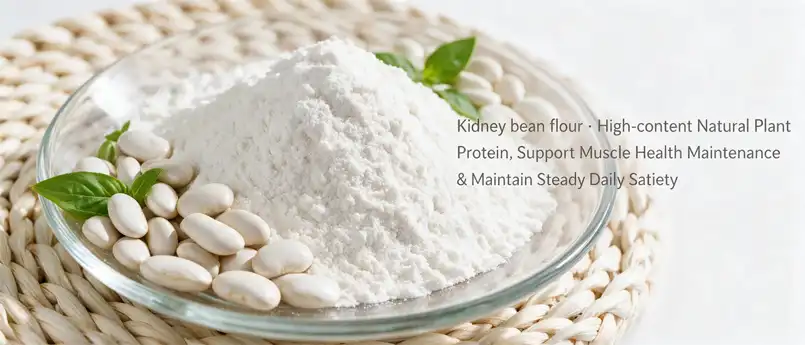
How Kidney Bean Flour Enhances Gluten-Free Nutrition in Food Production
Addressing Protein Deficiencies in Gluten-Free Diets
Some flours don't have as much protein as wheat flour, which means that people who don't eat wheat often don't get enough protein. When Kidney bean flour is added to recipes, the protein level goes up right away. This means that businesses can make goods that help people stay healthy, build muscle, and feel full. Each piece of gluten-free bread made with rice flour might only have two to three grams of protein. On the other hand, breads made with bean flour might have at least six to eight grams of protein.
This protein boost is great for people who want more than just basic nutrition, like in meal replacement shakes, protein bars, and nutritional drinks. More and more people are interested in it as a healthy alternative to soy and dairy proteins because it comes from plants. This can help people who make things make their items stand out in places where there are lots of other options.
Fiber Content and Digestive Health Benefits
Fiber is another important nutrient that is missing from a lot of gluten-free foods. There are some gluten-free flours that don't have as much fiber as whole wheat flours. This can make it hard to control your blood sugar and keep your gut system healthy. Both soluble and insoluble fiber are naturally present in Kidney bean flour, which helps keep your gut healthy by encouraging the growth of good bacteria.
In its own way, the tough starch part helps your intestines. This kind of fiber also breaks down in the gut to make short-chain fatty acids. Because of this, the barrier in the gut can do its job better, and the swelling that comes with having a gluten intolerance may go down. This fiber profile is a great way for businesses that make healthy foods to sell to people who care about their health, according to science.
Functional Properties in Gluten-Free Baking Applications
Kidney bean flour is good for you and makes gluten-free baked goods look and feel better. Since food can soak up water, it stays wet longer. This keeps gluten-free foods from drying out too quickly. Protein and sugar help make structure, which is good because gluten doesn't stretch.
When mixed with other gluten-free flours, like rice flour or tapioca starch, it tastes better, has a better texture, and stays together better. To get the results they want, people who make baked goods can change the amounts. For instance, they can use higher percentages for breads that are thicker and have more protein and lower percentages for sweets and cakes that are soft. The nutrient can be used in a lot of different goods because of this.
Comparing Kidney Bean Flour with Other Gluten-Free Flour Alternatives
Nutritional Advantages Over Chickpea and Lentil Flours
Kidney bean flour has more protein and fiber per gram than chickpea flour, which is often used in gluten-free recipes. Our kidney bean protein extract has up to 65% protein because it is made in a special way. Chickpea flour, on the other hand, only has 20% to 22% protein. Because of this difference, makers can still get the protein they need even if they use lower amounts of it. This doesn't make the food taste or look any different.
Other types of flour are also good for you, and lentil flour is too. But it tastes and works in different ways. Some people think that the stronger earthy taste of lentil flour makes it less useful sometimes. Kidney bean flour doesn't have a strong flavor, so it can be used in both sweet and sour dishes without taking away from the flavor. It's now easier to come up with recipes.
Cost Considerations and Supply Chain Reliability
People have to think about how much something costs and how easy it is to get before they buy it. How do market prices for bean flour change? The weather, food growth, and changes in demand around the world all have an effect. Compared to specialty flours that can only be grown in certain places, Kidney bean flour from China's well-known farming areas is consistently made and doesn't cost much.
If you pay FOB, CIF, CFR, EXW, DAP, or DDP, we can get it to you quickly because we keep a lot of stock in our plant. If you need to ship something internationally, we can do it all for you. There are different order sizes, from 1 kg to 25 kg drums, so you can make a lot of them or test a new product. You can try new recipes and keep up with your supply needs. This is helpful for both new businesses and big names.
Allergen Profile and Consumer Acceptance
Kidney bean flour is less likely to cause allergic reactions in people who are sensitive than soy flour. This is great for companies that want to make products that can be used in places with strict allergy rules, like hospitals and schools. People are even more likely to choose well-known legumes over ones that have been processed a lot because of clean label trends.
Customers always like the results when Kidney bean flour is added to recipes in the right way, as shown by taste testing. It's no longer possible to smell the beans in baked goods; they should still taste good. When you make a gluten-free product taste and feel better, people tend to rate it higher overall than regular gluten-free forms. People are less likely to buy and more likely to buy again because of this.
Procurement Insights: Sourcing Quality Kidney Bean Flour for B2B Needs
Essential Supplier Certifications and Quality Standards
Retailers who can show full quality management systems should be given more weight by people who buy from other retailers. BioSpark has ISO9001 certification for the whole process of making things, from getting the ingredients to finishing them. The Kosher and Halal labels we give to our clients help them get more customers from faith groups. We make sure we follow the rules for making medicines by being registered with the FDA and following GMP.
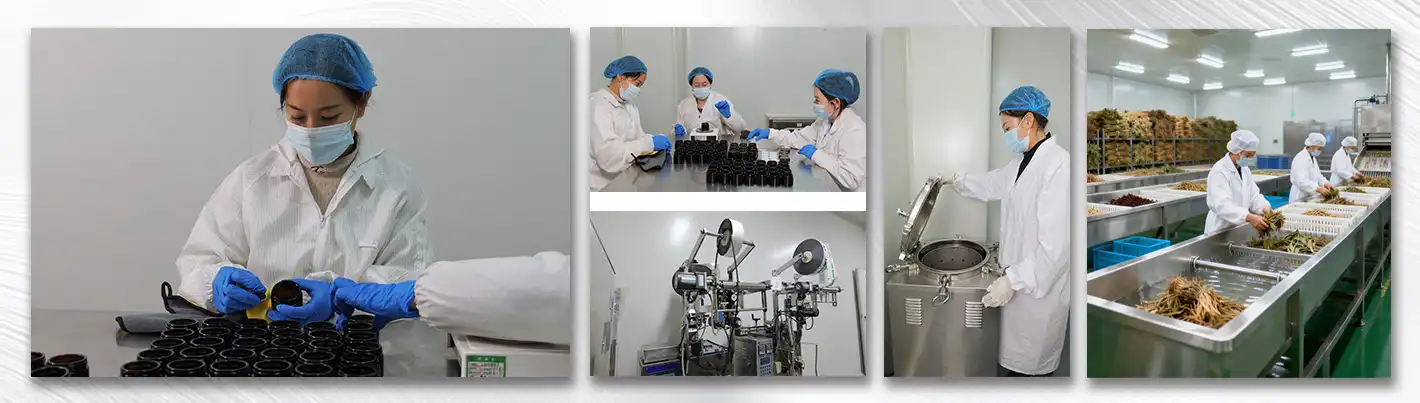
You can keep track of each package with paperwork that comes with it, so you can see the whole supply chain. The Kidney bean flour seeds we get are good and come from farmers we trust. We check them before they are cooked. Spray drying and multistage filtering are both done in rooms that are kept at a certain temperature and have tracking systems that keep an eye on important factors all the time. This makes audit trails that are very specific and meet customer needs.
Strategic Bulk Purchasing and Inventory Management
To keep costs low when markets for things change, it's important to choose what to buy wisely. Rates can be locked in before they go up every year for people who sign contracts ahead of time. This helps people who want to start their own businesses. You can try the first recipe with an order of 1 kg, which is our smallest size. When making a lot of something, getting 25 kg drums in bulk lowers the cost per unit.
We suggest having a certain amount of stock on hand just in case. This is because of wait times and production plans. Our shipping status shows that we have enough in stock to ship right away. You can choose between fast air freight and sea freight based on your needs and goals. Transferring money through a bank (T/T) speeds up the process and cuts down on the number of deal times that could slow down production.
OEM and ODM Partnership Opportunities
A lot of big brands use OEM and ODM services to make new goods go more quickly and for less money. BioSpark can help you with everything from coming up with advice to designing packages and filling out government forms. Our company's technical team helps customers find the best Kidney bean flour inclusion rates, taking price, taste, and health goals into account.
Customers who need certain amounts of protein, particle sizes, or testing methods can get specs that are made just for them. For each recipe, we change how we make things, and we don't tell anyone about it while we're researching and making it. Many food, supplement, and vitamin brands have been able to get into the gluten-free market with their own unique products thanks to this way of working together.
Practical Applications and Recipe Development with Kidney Bean Flour
Optimizing Gluten-Free Baking Formulations
To bake without gluten, you need to use care to mix the flours so that they feel and look like gluten. When combined with carbohydrates like potato, tapioca, or arrowroot, which give the food weight and softness, Kidney bean flour performs admirably. Mix 25% to 30% bean flour, 50% to 60% starch, and 10 to 20% gluten-free flours like sorghum or rice. This is a popular way to start.
When you add flours that have more protein, you need to change how much water you use. Kidney bean flour needs more liquid in recipes than other gluten-free flour blends because it can soak up water. Most of the time, you need 10 to 15 percent more liquid. When cakes sit before they are baked, they turn out better. This gives the starches and proteins time to fully soak up water and make the best shape. Cooks can use these tips to make breads, muffins, and cookies that have more volume, a better crumb structure, and can keep more moisture.
Developing Functional Beverages and Meal Replacements
Our kidney bean protein extract is great for making drinks because it's simple to mix with water. It doesn't make chalky solutions when mixed with water like hard grain flours do. Instead, it mixes quickly, which makes drinking more fun. This is a very important thing to keep in mind if you want people to enjoy your protein shakes, smoothie powders, and other quick healthy drinks.
When you're making a meal, you might want to think about how to balance the nutrition with the need to hide the flavors. Kidney bean flour doesn't have a strong flavor by itself, so it goes well with maple, vanilla, chocolate, or fruit flavors. In order to keep the mixture mixed, emulsifiers and stabilizers are used. This means that you don't have to shake it very hard before eating it. With these tech choices, food companies can make foods that stay fresh longer, live up to their health claims, and suit customers' tastes.
Expanding into Vegan and Specialty Nutrition Markets
There are more and more people who want to eat only plants, which is good for foods that have protein from beans. Kidney bean flour can be used to make plant-based meat substitutes, dairy-free cheese alternatives, and baked goods that don't need eggs. In place of meat, it helps other foods stay together because it can bind them together, and its bland taste lets other foods shine.
The expert nutrition apps have a lot of different kinds of nutrition information, such as foods that are good for diabetics, sports nutrition, and health supplements for seniors. It can help people with diabetes keep their blood sugar in check because it has a low glycemic index. This kind of energy lasts for a long time thanks to complex carbs and resistant starch. Protein that is easy for the body to break down helps people over 65 keep their muscles healthy and eat better overall. Kidney bean flour is useful in many places because it can be used in many ways.
Conclusion
Kidney bean flour is an excellent gluten-free food additive that can help people who are low on protein and fiber. There are also times when it can make other ingredients work better. Because it is naturally gluten-free, high in protein, and can be used in many ways, it is very important for companies that make foods for people who care about their health. When you strategically buy from authorized sources, you can be sure of quality, legal compliance, and being able to find out where a product came from. These things must be present for a good to sell well. More and more people want Gluten-Free, healthy foods that are easy to read. Some great things about this bean-based flour will help your brand stand out in the market and make it more valuable.
FAQ
1. What protein content can I expect from kidney bean flour?
Based on the normal Kjeldahl method and HPLC tests, we learned that 65% of the weight of our kidney bean protein concentrate is protein. This has a lot more protein than most bean flours, which only have 20% to 25%. Because it has a lot of protein, you can use less of it in meals and still get the protein you need. If you choose something with less concentration, this doesn't change the texture or taste as much.
2. How does kidney bean flour compare to whey protein in gluten-free products?
Your body can use whey protein right away, and it has all the amino acids it needs. Kidney bean flour, on the other hand, has protein from plants, making it good for vegans and those who are allergic to dairy. Mixed whey proteins don't have all the benefits that this one does. It has fiber, resistant starch, and complex carbs. Which one to use will depend on what the customer wants (animal-based or plant-based) and how the gluten-free product is pushed in the market.
3. What storage conditions preserve kidney bean flour quality?
It's best to keep things that can't be opened in a dark, dry place away from light. Our 25 kg drums that don't let water in keep the goods safe for the normal amount of time. It might get clumpy or moldy if you put it somewhere with a lot of airflow. If you store flour the right way, it stays healthy and useful for a long time. This keeps output running smoothly.
4. Can kidney bean flour replace all-purpose flour in gluten-free recipes?
Kidney bean flour doesn't have the same building blocks as gluten, so when you use it instead of gluten, the results are worse. To make gluten-free baking work, you need to mix bean flour with other gluten-free flours and starches. 25–30% Kidney bean flour is used in most recipes, and flavorings are added to make them taste better. Our customers get expert help from us to make mixes that work best for certain jobs. They can be sure that their businesses will do well.
Partner with BioSpark for Premium Kidney Bean Flour Solutions
Kidney bean flour from BioSpark (Xi'an) Biotechnology is of the highest quality and has a lot of technical know-how to help make gluten-free items. The Kjeldahl method and HPLC analysis tests show that our 65% protein concentrate always works in a lot of different situations, from functional foods to functional supplements. That's why we give your company the ISO9001, Kosher, Halal, FDA, and GMP licenses it needs to sell its goods all over the world.
Because we are an experienced Kidney bean flour seller, we can handle orders ranging from 1 kg for testing to large production quantities. We can also ship your order in a number of ways and charge fair shipping rates. You can make recipes that help you reach your health goals and make your business stand out with our OEM and ODM services. Get in touch with us right away at leao@biosparkcn.com to find out how our plant-based protein solutions can help you make your products better and make more money in the gluten-free food market, which is growing.
References
1. Thompson, T., Dennis, M., Higgins, L.A., Lee, A.R., & Sharrett, M.K. (2005). Gluten-free diet survey: Are Americans with coeliac disease consuming recommended amounts of fibre, iron, calcium and grain foods? Journal of Human Nutrition and Dietetics, 18(3), 163-169.
2. Messina, M.J. (1999). Legumes and soybeans: Overview of their nutritional profiles and health effects. American Journal of Clinical Nutrition, 70(3), 439-450.
3. Foschia, M., Peressini, D., Sensidoni, A., & Brennan, C.S. (2013). The effects of dietary fibre addition on the quality of common cereal products. Journal of Cereal Science, 58(2), 216-227.
4. Ramdath, D.D., Padhi, E.M., Sarfaraz, S., Renwick, S., & Duncan, A.M. (2017). Beyond the cholesterol-lowering effect of soy protein: A review of the effects of dietary soy and its constituents on risk factors for cardiovascular disease. Nutrients, 9(4), 324.
5. Boye, J., Zare, F., & Pletch, A. (2010). Pulse proteins: Processing, characterization, functional properties and applications in food and feed. Food Research International, 43(2), 414-431.
6. Arendt, E.K., & Zannini, E. (2013). Cereal Grains for the Food and Beverage Industries. Woodhead Publishing Series in Food Science, Technology and Nutrition, Cambridge, UK.

Send Inquiry
Related Industry Knowledge
- How Is Egg yolk fruit powder made and processed?
- Can Yacon Root Extract Help Control Blood Sugar Levels Naturally?
- How to use papaya leaf extract powder for the best health results?
- What Are the Key Benefits of Spinach Juice Powder?
- What Are the Uses of Egg Yolk Fruit Powder in Foods?
- What are the benefits of freeze-dried longan powder?
- What Makes Kacip Fatimah Extract a Women’s Health Tonic?
- Best Tongkat Ali Extract Powder vs Capsules: Which Better?
- Natural Artichoke Extract: Top Benefits for Modern Wellness
- Can Cistanche Extract Powder Improve Circulation Naturally?