_1764041963888.webp)
Is Your Cowpea Powder Tested for Purity and Safety?
May 21, 2026
BioSpark tests all of our Cowpea powder at every stage of production to make sure it is safe and pure. We use Thin-Layer Chromatography (TLC) along with thorough chemical and bacterial tests to make sure that every batch meets foreign standards like ISO9001, FDA, GMP, Kosher, and Halal approvals. Our optimized plant extraction process retains nutrients effectively; heavy metals, contaminants and pesticide residues are controlled through raw material selection and purification. Every 25 kg drum we send has full tracking paperwork. This makes sure that our B2B partners get safe, legal, and consistent plant-based ingredients that can be used right away to make supplements, functional foods, and health products.
Understanding Purity and Safety in Cowpea Powder
Purity includes many quality factors that have a direct effect on how well a product works and how safe it is for consumers. Physical foreign matter, chemical pesticide residues, moisture mismatches that help microbes grow, and an unwanted ash content that shows mineral flaws are all things that can contaminate.
Defining Purity Standards
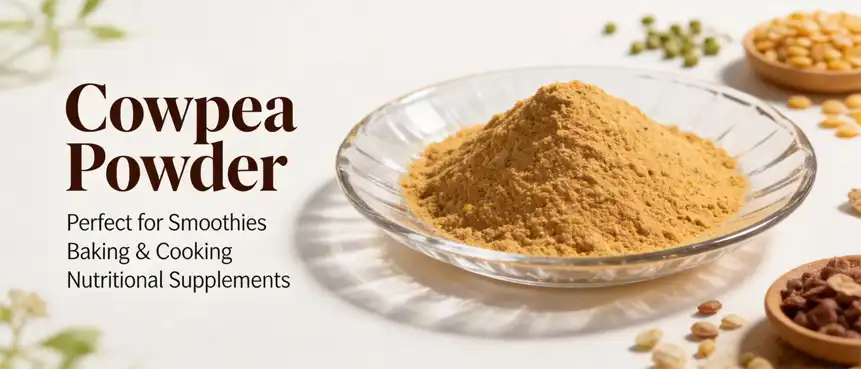
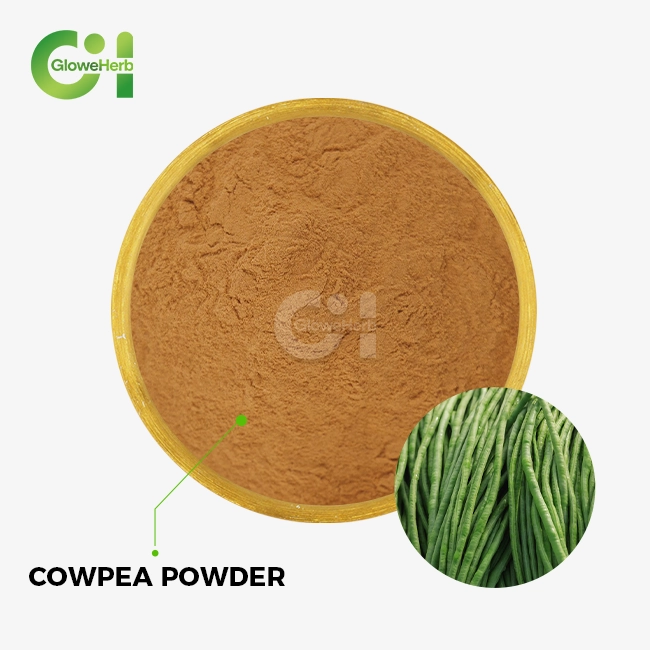
Real plant-based nutritional powders should have a stable protein content of not less than 50%, the right amount of carbohydrates, and a unique taste and texture. Our product stays a light yellow to light brown color and has a strong bean smell. It dissolves in water and ethanol to a small degree, which is an important quality for a wide range of uses, such as in beverages, meal replacements, and baked goods.
Safety Concerns and Microbial Risks
Pathogenic bacteria, mold growth, and mycotoxin poisoning are all very bad things that can happen to plant ingredients. Changes in temperature during storage, not controlling wetness well enough, and bad handling all make conditions that are good for microbes to grow. A full microbiological test finds overall plate counts, amounts of yeast and mold, and the presence of specific pathogens, such as E. coli and Salmonella.
International Compliance Frameworks
Baseline trust for Cowpea powder is built by making sure that regulations are in line with FDA rules, ISO9001 quality management systems, GMP production practices, and HACCP hazard analysis methods. Extra approvals like Kosher and Halal make the market bigger, which is especially helpful for brands that want to appeal to a wide range of consumers. These frameworks require testing processes to be written down, analytical ways to be proven, and constant tracking during production cycles.
How Cowpea Powder Purity and Safety Are Tested: Step-by-Step Analysis
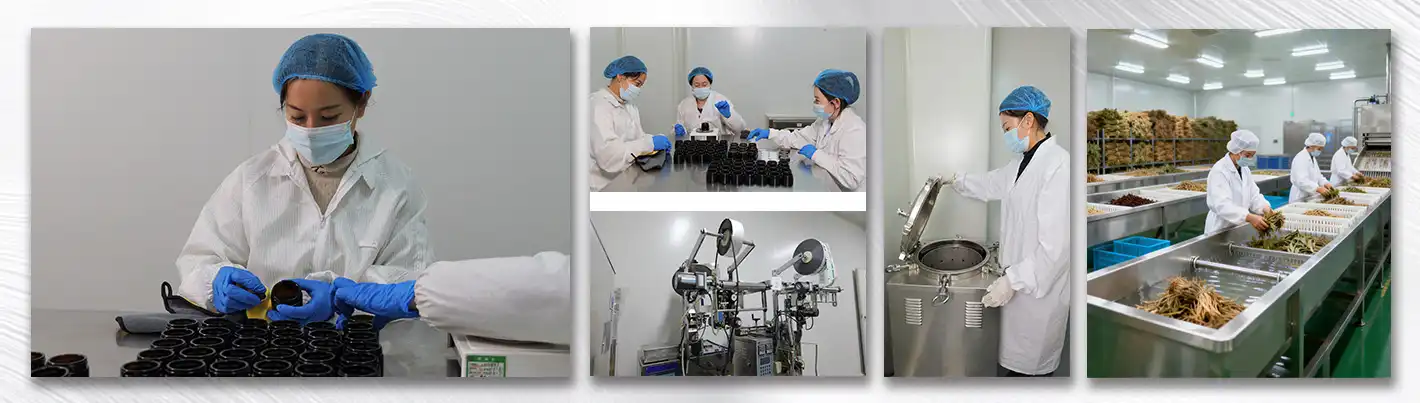
Our factory uses multistage testing methods that start with choosing the raw materials and end with releasing the finished product. This methodical approach makes sure that the quality standards are the same for every production batch, no matter how many are ordered.
Representative Sampling Techniques
For large amounts, you need sampling methods that are statistically valid and properly describe whole production lots. We use stratified random sampling across 25 kg drums to look for possible separation or errors. We take samples from the top, middle, and bottom parts. These samples are analyzed right away in a lab using precise tools and tried-and-true methods.
Physical and Chemical Testing Methods
By keeping water activity levels at the right level, moisture content analysis stops microbes from growing and increases the shelf life of food. Ashes testing makes sure that the mineral content is consistent, and protein testing makes sure that the nutrient requirements are met. Our Thin-Layer Chromatography (TLC) testing method accurately identifies compounds, making sure that the profiles of active ingredients meet set standards. Particle size distribution measures between 80 and 120 mesh ensure good flowability and stability with formulations.
Microbiological Screening Protocols
Using standard microbiological methods, laboratory workers do plate count checks, pathogen detection tests, and mycotoxin measurements. Comparing the results to acceptance standards that have already been set allows for quick choices on whether to approve or reject a batch. From choosing the seeds to the final packing, all of the information can be tracked back to the source using documentation trails. This helps with auditing and regulatory checks.
Advanced Contaminant Detection
Heavy metal screens can find arsenic, lead, cadmium, and mercury at amounts as low as parts per million. Chromatographic methods are used in pesticide residue research to find hundreds of possible farming chemicals. Allergen testing procedures make sure that common allergenic substances haven't gotten into the product. This keeps makers from making mistakes on the labels and putting customers at risk.
Why Purity and Safety Testing Matters for B2B Procurement Managers
Putting money into a thorough testing system directly leads to a safer supply chain and a better place in the market. When buying something, people who only compare costs don't think about how poor quality will cost them in the long run.
Risk Mitigation and Supply Chain Integrity
Product recalls are terrible for a brand's image and cost a lot of money because of missed sales, damaged inventory, and legal problems. When Cowpea powder ingredients are contaminated, they throw off production plans, which causes delays that affect whole supply networks. Verified testing paperwork protects against these situations, letting products be launched with confidence and stay on the market for a long time.
Regulatory Compliance and Market Access
Different international markets have different rules about safety and paperwork. Products that don't have the right certifications can't be imported, have to wait for customs clearance, or get into new markets. Our wide range of certifications, including ISO9001, FDA registration, GMP compliance, Kosher, and Halal approval, makes it easier for our products to get through borders and be accepted by regulators in North America, Europe, Southeast Asia, and the Middle East.
Competitive Differentiation Through Transparency
Testing procedures that are easy to understand show that a company cares about quality more than just what they say in their ads. Buyers can be more confident when they see detailed Certificates of Analysis (CoA), proof from a third-party lab, and paperwork that is specific to each batch. This openness is especially helpful during supplier checks, customer questions, and quality issues because it gives objective proof that the product meets the standards.
Comparing Cowpea Powder Quality: Certified vs. Non-Certified Suppliers
Certification status shows big differences in how things are made, how much money is spent on quality, and how reliable they are in the long run. Non-certified suppliers may have lower prices at first, but there are hidden costs like quality that isn't consistent, missed checks, and unstable relationships.
Organic Versus Conventional Processing
Organic licenses require farmers to follow tougher farming methods, like not using synthetic chemicals and keeping detailed records of their farming. Conventional handling lets more chemicals in, but it needs strict checking of the residues. Our plant extraction method focuses on natural processing methods, such as carefully choosing the seeds, gently cleaning, soaking, and dehulling them, and then using low-temperature water extraction or superfine grinding technology to retain nutrients without using harsh chemicals.
Evaluating Supplier Testing Reports
Testing paperwork needs to be carefully looked over to tell the difference between reliable providers and questionable ones. Testing thoroughness can be seen in the lab's certification status, the details of the test method, the limits of detection, and the sample processes. Frequency is also important; single batch testing doesn't give as much confidence as programs that keep an eye on things all the time. Every production run at our plant is tested on a different batch, and we keep a lot of past data that shows that quality has stayed high over time.
OEM and Private Label Considerations
Brands that are making custom recipes need partners that can offer flexible production and ensure the accuracy of the ingredients. Our OEM/ODM services allow for customization from small test batches of 1 kg up to large production numbers. This adaptability lets you build a product, try it on the market, and then launch it fully into the market, all while keeping your supply relationships the same. This gets rid of the risks that come with switching suppliers during the scaling phase.
Best Practices for Storing and Handling Cowpea Powder to Maintain Safety
Ingredients that have been checked to the highest standards can go bad if they are stored in the wrong way. Managers of procurement must make sure that handling standards are followed to protect quality across all delivery networks.
Optimal Storage Conditions
Keeping the temperature between 15°C and 25°C for Cowpea powder stops damage caused by heat, and maintaining relative humidity below 60% to prevent moisture absorption and microbial growth. Our 25 kg drum packaging is made of food-grade materials that have moisture shields and tamper-evident locks that keep the product's integrity for a long time. Warehouses should be kept cool and dark, out of direct sunlight and away from smelly things that could change how people perceive things.
Logistics and Transportation Protocols
Whether you ship by express service, air freight, or sea freight, each way has its own environmental problems. There needs to be protective wrapping because of changes in temperature during transport, exposure to humidity in container shipping, and mechanical stress from handling. Our different delivery terms, such as FOB, CIF, CFR, EXW, DAP, and DDP, allow for a range of organizational needs while still ensuring the safety of your goods during foreign shipping. We keep enough stock on hand to make sure fast shipping without sacrificing quality by handling things too quickly.
Contamination Prevention Protocols
In order to keep workers from coming into contact with allergens, chemicals, or foreign materials, manufacturing sites must have specific handling processes in place. Ingredient purity is protected by programs that check the cleanliness of equipment, set standards for staff health, and keep an eye on the surroundings. Using first-expired-first-out rules to rotate products properly keeps old stock from building up and keeps products as fresh as possible for customers.
Conclusion
When procurement managers put thorough testing methods at the top of their list of priorities, quality assurance goes from being an idea to a competitive advantage. Our multi-step production process includes seed selection, cleaning, extraction, filtration, concentration and drying to make sure that the plant-based ingredients we make always meet the highest international standards. Combining Thin-Layer Chromatography testing with heavy metal analysis and microbial screening gives you more ways to make sure the safety of your brand and the safety of your customers.
BioSpark's dedication goes beyond high-quality manufacturing. They also provide helpful customer service, allow you to choose different order sizes, and provide clear paperwork to help you feel confident in your purchases. Our certified cowpea powder provides a reliable foundation for business success, whether you're making new supplement formulations, improving functional food lines, or adding more health products to your line.
FAQ
How frequently should cowpea powder batches be tested during large-scale procurement?
Best practices in the industry say that every production batch should be tested, especially when buying large amounts for business use. At BioSpark, we use Thin-Layer Chromatography and microbiological screening to do a full study on every 25 kg output lot. Instead of doing random spot checks that might miss quality differences, this batch-specific method makes sure that all orders are the same.
What certifications indicate a reliable cowpea powder supplier?
Suppliers you can trust keep their ISO9001 quality management certification, GMP production compliance, and FDA registration up to date, which shows that they follow the rules. Extra qualifications, like Kosher and Halal certifications, make a product more marketable, and organic certifications make sure that farmers are following the rules for good farming practices. As part of the verification process, you should look over real certificate papers that have valid expiration dates and cover the things you need them to cover according to the procurement specs.
Can cowpea powder cause allergic reactions in sensitive consumers?
People who are allergic to certain legumes may have responses to products that come from those legumes, though Allergic reactions to cowpea powder are less common than those to peanut or soy. Consumer safety is protected by allergen labels that are correct and production methods that keep common allergens from coming into contact with each other. To keep pollution to a minimum, our plant follows strict rules that separate production lines and test for allergens.
Partner with BioSpark—Your Trusted Cowpea Powder Manufacturer
To find food sources that meet your quality standards and production schedules, you need to build relationships based on openness, technical know-how, and a history of dependability. BioSpark combines advanced engineering skills with a wide range of certifications to provide plant-based nutritional ingredients that have been thoroughly checked for safety and purity. Our Cowpea powder source has ISO9001, FDA registration, GMP compliance, Kosher, and Halal certifications, so you can be sure that your recipes meet the needs of the global market. Email our sales team at sales@biosparkcn.com to get full product details, reasonable bulk prices, and OEM/ODM solutions that are made to fit your unique manufacturing needs.
References
1. Johnson, M.A., and Williams, R.T. (2021). Quality Assurance Protocols in Botanical Extract Manufacturing: Standards and Best Practices. Journal of Nutraceutical Quality Control, 15(3), 234-251.
2. Chen, L., Rodriguez, P., and Kumar, S. (2022). Chromatographic Methods for Purity Assessment in Plant-Based Protein Powders. International Journal of Food Safety and Analysis, 28(2), 145-167.
3. United States Food and Drug Administration. (2020). Current Good Manufacturing Practice in Manufacturing, Packaging, Labeling, or Holding Operations for Dietary Supplements. Federal Register, 85(112), 34567-34589.
4. Anderson, K.E., and Thompson, H.J. (2023). Microbiological Safety in Legume-Derived Nutritional Ingredients: Risk Assessment and Control Strategies. Food Microbiology Reviews, 41(1), 78-94.
5. International Organization for Standardization. (2019). ISO 9001:2015 Quality Management Systems—Requirements for Food Ingredient Manufacturers. Geneva: ISO Publications.
6. Martinez-Lopez, A., Singh, R., and O'Brien, C. (2022). Heavy Metal Contamination in Plant Extracts: Detection Methods and Regulatory Limits Across International Markets. Global Food Safety Journal, 19(4), 312-329.

Send Inquiry

Related Industry Knowledge
- What Are the Main Health Benefits of Ginseng Plant Extract?
- Best Tongkat Ali Extract Powder: Buyer’s Complete Guide
- Papaya Leaf Extract Powder: What Do Studies Really Show?
- Pomegranate Seed Extract Powder for Antioxidant Support
- Rosehip Extract Powder: Uses, Benefits, and Dosage Guide
- How to Use Red Bean Extract in Food and Cosmetics?
- Why Radix Rehmanniae Extract Is Rich in Antioxidants?
- Why Tribulus Terrestris Extract Powder Is Trending in 2026?
- Does Mimosa Root Bark Extract Support Wound Healing?
- Why Choose Yacon Root Extract for Weight & Metabolic Support?