_1764041963888.webp)
Kidney Bean Flour vs Wheat Flour: Which Performs Better?
Jun 24, 2026
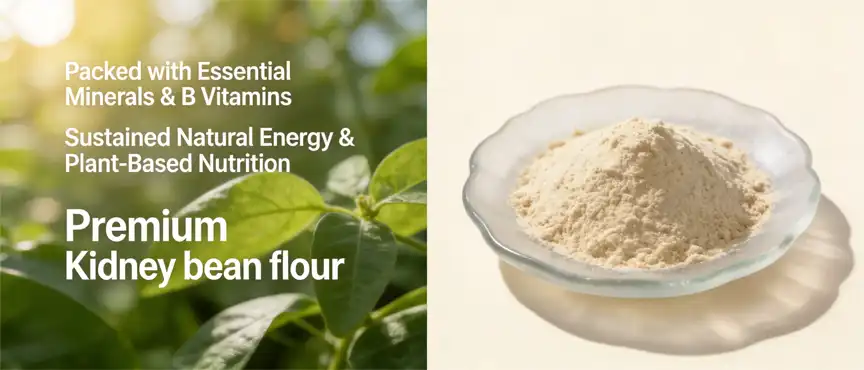
Kidney bean flour often does a better job of managing allergies, having a higher nutritional value, and being used as an ingredient in functional foods and health products than normal wheat flour. Kidney bean flour is made from kidney beans that have been peeled using modern methods for extracting plant proteins. 65% protein and 0% gluten, which is great for brands that want to reach people who are trying to lose weight, keep their blood sugar in check, or become more health-conscious. Kidney bean flour satisfies the growing demand for plant-based protein sources with clean labels while maintaining the product's functionality and compliance with all applicable regulations. This is not the same as wheat flour, which needs gluten to stay together but doesn't go with celiac-friendly foods.
Understanding Kidney Bean Flour and Wheat Flour
The main things that set these two nutrients apart are where they come from in plants and how they are made. The way these are different affects how well they work in other food products.
Origin and Production Methods
The Phaseolus vorigaris seed is used to make Kidney bean flour. To make it, cold water is used to get rid of the healthy chemicals in the seeds, and then the mixture is cleaned several times. There is a natural alpha-amylase inhibitor in kidney bean protein by BioSpark. It is called phaseolamin. This is done with special ways of extracting plants. Phaseolamin can be used to make foods that keep carbs in check. Carefully picking the seeds is the first thing to do. After the hulls are taken off, the seeds are ground up, and the drying is done. This turns into a fine powder that is off-white to white and smells like beans. For wheat flour, on the other hand, wheat seeds are broken up into pieces of different sizes by a machine. Wheat flour is the most well-known product in the world. It comes in different types, such as all-purpose, whole wheat, and special. It's easy to grow and process, which is why. This makes baking easier by adding gluten proteins like gliadin and glutenin. But it also makes people worry about allergens, which makes it harder to sell.
Key Compositional Differences
Kidney bean flour is not the same as wheat flour because of the way its molecules are arranged. Kidney bean flour includes important amino acids, fiber, folate, thiamin, and iron in addition to having about 65% protein. This food is good for you, so people who care about their health can use it to make functional drinks, protein shakes, and meal alternatives. When wheat flour is raw, it has about 10 to 15% protein, most of which is gluten. They have more carbs and less fiber than whole grains. A network of gluten is made while the bread soaks. This network makes the dough stretchy and helps it keep its air while it bakes. Kidney bean flour, which doesn't have gluten, can't do these things. When people know about these changes in structure, they can better match the qualities of ingredients with what goods need. This is true whether they are making gluten-free snack bars, plant-based meat substitutes, or regular baked goods that need the good things that wheat gives them.
Nutritional and Functional Comparison
When choosing flour ingredients, product development teams have to think about how healthy the flour is and how well it does its job. This is especially true when they are making recipes for niche food markets.
Protein Quality and Digestibility
Kidney bean flour has more protein than wheat flour, which makes it a great base for making protein-rich foods. BioSpark is able to get 65% protein because of the way they remove the protein. There is a lot of nutrition in this, and it can be used in meals to help people lose weight, sports nutrition pills, and food for older people. Chems like phaseolamin are helpful and can be found in the protein part. They may stop alpha-amylase enzymes from doing their job. It could be harder for the body to take in carbs, which could help people who want to lose weight. While wheat protein can be used in food, it is not as good for you as protein made from beans because it lacks some amino acids. We need a little gluten to make dough, but it's not very good for you and leaves out a lot of people who have celiac disease, are sensitive to gluten, or are allergic to wheat. About 1% to 6% of the people in the world have these diseases.
Fiber Content and Micronutrients
Fiber in Kidney bean flour keeps your digestive system healthy by keeping the germs in your gut in balance and making you feel full, which is great for weight loss and making foods that are good for you. There are both water-soluble and insoluble parts of this fiber that help your poops move. Having it every day might also help keep your cholesterol in check. Kidney bean flour also contains a lot of minerals like iron and calcium, as well as B vitamins like folate and thiamin. These things not only make things healthy, but they also don't add a lot of extra stuff. This makes it easy to read chemical lists and helps sell clean labels.
Functional Performance in Formulations
When you bake things the old-fashioned way, you need dough that can stretch. Gluten in wheat flour makes that happen. It helps keep gas inside and gives bread, cakes, and baked snacks their shape. People who don't eat gluten still can't get this useful edge when baking normal foods. When the good things about wheat aren't as important or can be made up for by changing the recipe, Kidney bean flour works better. Kidney bean flour adds nutrition to protein shake mixes, drinking systems, and shaped snacks without making the foods less stable. Kidney bean flour can be combined with other helpful ingredients to create foods that are both healthy and delicious in a variety of ways. To keep prices low, this lets companies make goods that stand out. According to tests, Kidney bean flour dissolves in water. So it can be used for more than just baking. It's simple to add to quick drinks and protein foods that can be mixed back together.
Procurement and Supply Chain Factors
An awful lot of rules decide what kinds of materials are available and how much they cost. These rules are very important to understand if you want to choose the right place to buy your ingredients.
Sourcing Channels and Availability
There is always wheat flour available because there are many places to get it all over the world and supply lines are well set up. There are many suppliers, from small mills in your area to large companies in other countries. When you can trade goods, prices are easier to understand. Kidney bean flour is hard to find and can only be bought from a few companies. There are a lot more, though, since plant-based food is becoming more common. BioSpark always has enough in stock to quickly fill orders. As little as 1 kg is used to test the product, and as much as 25 kg drums are used to make a lot of them. This way of planning can be used for both new job plans and plans that have already been made for production. Our plant in China gets its materials from farms close by and is ISO9001, GMP, Kosher, Halal, and FDA approved to meet high-quality standards around the world. There are different ways to ship things, and they are called FOB, CIF, CFR, EXW, DAP, and DDP. Express, air freight, or sea freight can be used, depending on how quickly and how much needs to be sent.
Price Considerations and Value Analysis
Kidney bean flour is more expensive than regular wheat flour, but its value will be determined by how much protein it contains and how well it functions. It has four to six times as much protein per gram as regular wheat flour, which only has five percent protein. If people knew how much protein was used, the things that are used in high-protein foods might cost less. Kidney bean flour has a more stable price than other plant goods that need to be processed in a lot of steps. It can be safer to buy one-of-a-kind items if you buy from sellers you know and trust and who offer clear prices and quality guarantees.
Quality Control and Testing Standards
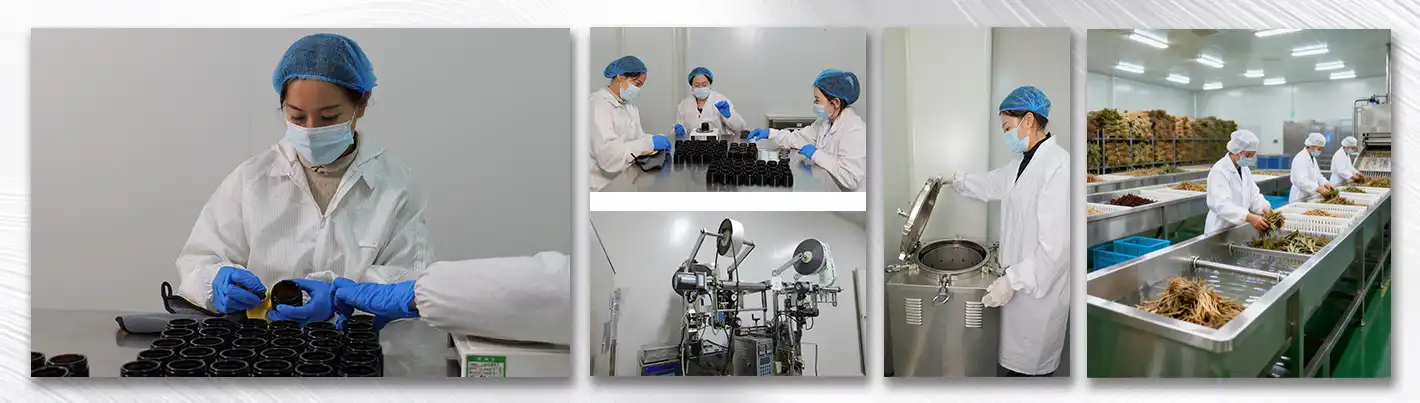
High-Performance Liquid Chromatography (HPLC) is used by BioSpark to check the specs of Kidney bean flour. This makes sure that the protein content stays the same and no additional substances are added. Some of the things that are looked at during batch tests are heavy metals, chemical residues, wetness levels, and microbial factors. It is used to keep track of all the data that has been analyzed. There are exact numbers that all regulatory bodies around the world agree on when the Kjeldahl method is used to check the amount of protein in something. This helps make sure that the things that are said on labels and in ads are true. This strict testing method goes above and beyond what is needed to make sure it is safe. This is because the protein amount in regular wheat flour can change a lot from batch to batch and source to source.
Storage and Logistics Requirements
All along the supply chain, the ingredients' quality is kept high by being stored in the right way. Kidney bean flour needs to be kept somewhere cool, dry, and with a relative humidity of less than 60% so that it doesn't soak up water and stay a powder. The 25 kg drums keep the goods dry and make it easy to move them around the building. It can last up to 24 months if you store it the right way, which is about the same amount of time as wheat flour. But to keep the organoleptic quality, you should still watch out for changes that happen quickly in the fatty part. The beans should still have a nice, mild smell. The quality should be checked again if there are any bad smells.BioSpark usually needs five to seven business days to send full items to big shops via fast delivery. The wait time is longer for large things sent by sea. Just-in-time stocking works because it lets you act quickly. It also keeps a safety stock on hand to keep output going.
Application Suitability and Industry Use Cases
When you match the qualities of ingredients to what they're supposed to do, the end product works better and sells better. This can be done by giving careful thought to practical needs and buyer placement.
Gluten-Free and Allergen-Friendly Products
Kidney bean flour is no longer gluten-containing, which creates a lot of market possibilities in the specialized nutrition sector. Kidney bean flour, which doesn't have wheat in it, is better than rice or corn flour, which are often used in gluten-free foods. It's possible to get enough protein and fiber when you don't eat gluten. This helps make the diet facts more complete. You can use these things to make gluten-free protein bars, bake mixes, pancake and waffle mixes, and plant-based protein breadings. Some people are allergic to beans, but not many. Wheat, on the other hand, is. For natural goods shops, this makes it easier to show products in a way that speaks to more people.
Weight Management and Metabolic Health Products
The amount of phaseolamin that is naturally found in Kidney bean flour is good for you and gives you basic nutrients. As alpha-amylase is blocked, this chemical may make it harder for the body to break down and take in carbs from food. Putting it in snacks, drinks, and food options might help people lose weight. More and more people care about their health and don't want to use drugs, so they look for natural ways to cut back on carbs that don't make them feel high. Tests have been done on people to see what phaseolamin does to their blood sugar levels after a meal. It could be used to make foods that are good for people with diabetes. Bioactive substances and protein content can be used by brands that make special recipes for metabolic health to make things that are different and can be sold from a range of health points of view.
Plant-Based and Vegan Formulations
Rapid growth is seen in the market for plant-based foods. Kidney bean flour is well-liked because it is a clean source of protein and because it has a neutral flavor that is simple to season. Vegan options to meat, plant-based dairy choices, and protein-rich snacks for vegetarians and flexitarians are all things that can be made with them. The goods at BioSpark are all Kosher and Halal, and none of them come from animals. This makes it easy to get in touch with lots of people who have different health and spiritual needs. This gives the brand more freedom because they don't have to look for different materials for each line of goods.
Specialized Nutrition Applications
There are many uses for Kidney bean flour. In addition to following the rules, it is also put into baby formula, used in nutrition pills for older people who need easy-to-digest protein sources, and in sports nutrition products. Fiber is good for people of all ages because it keeps your gut system healthy and makes you feel full. Amino acids keep muscles strong and help them heal. For the first time, plant-based protein sources are being used to feed pets. They are added to animal proteins to make pet food better for the environment without making it less healthy. Kidney bean flour can be used to make food for dogs and cats as long as it is made properly. It tastes good and is easy to digest.
Decision-Making Framework for B2B Buyers
It's important to carefully consider a lot of factors to make sure that the key items chosen are in line with business goals, market wants, and real skills.
Defining Product Positioning and Target Markets
It makes sense to choose the parts when you know exactly where you want your product to go. People who care about how something tastes and feels might be more likely to buy a certain brand if it is made with wheat flour. Kidney bean flour, on the other hand, works better with health and fitness brands that stress things like weight control, protein content, or being gluten-free. People are willing to try new tastes or textures if they think it will be good for their health. These things change the choices that are made about the method. Bean-based foods like hummus, bean pasta, and legume chips are becoming more and more popular. Kidney bean flour is being used in more and more recipes.
Evaluating Nutritional Target Achievement
Set clear health goals for them to help us figure out which ingredients work best for making certain things. Products that need at least 20 grams of protein per dose should use Kidney bean flour or other high-protein sources instead of flours that are lower in protein and have extra protein isolates added to them. All of the items might cost less because of this. It also backs up the daily value percentage claims without adding any extra nutrients. It is against the law to make health claims about things like protein content ("high protein," "excellent source of protein") and fiber content. Kidney bean flour is high in nutrients, making it simple to meet claim levels while still maintaining appropriate serving sizes and caloric profiles.
Assessing Supply Chain Reliability
If you want to buy something, people don't just look at the price. BioSpark has registered with the FDA to sell its products in the U.S. market. It also has ISO9001 certification for quality management and GMP certification for good production practices. All of these keep things the same and make sure rules are followed. These rules make it less likely that you'll buy from unqualified buyers whose products aren't of good quality and don't have all the paperwork they need, which could cause production problems or legal issues. You can slowly grow production from the time you make a product until you put it on the market with flexible minimum order amounts. This way, you don't have to keep too much stock or cash on hand. The OEM/ODM services at BioSpark make it easy to make new goods by helping you get them ready, giving you unique packaging, and letting you put your own label on them. They help you enter a market more quickly and keep the costs of growth low.
Cost-Benefit Analysis and Total Cost of Ownership
It is not enough to just see how much a certain item costs per kg. You should also think about how useful it is, how much it makes, how much it loses, and how much the result is worth. You need more than one thing (like base flour, protein isolate, and fiber source) in some recipes for them to be as healthy. The high nutritional value of Kidney bean flour may reduce the overall cost of the formula. Prices may go up to make up for the changes in the costs of the materials because clean labels, claims that the product is safe for people with allergies, and health benefits are good for marketing. Business-to-business buyers should carefully plan out the costs of the finished product, including how much it will cost to sell, pack, and ship. This will help them get a good idea of how choosing the right parts will affect earnings.
Risk Management Through Testing and Verification
Before you decide to buy a lot of something, smart buyers try samples and make small production runs. As long as you buy at least 1 kg, BioSpark makes it easy to make and test things without spending a lot of money. R&D teams can check the specs, see if the recipes work well together, and taste-test without having to worry about losing a lot of money. When it comes to important things like protein content, germ safety, and heavy metal numbers, tests that are checked by a third party give you more peace of mind. When you choose a service, setting up testing methods makes them accountable and provides proof for quality checks and rules.
Conclusion
In terms of nutrition, protein level, allergy control, and placement for general health, Kidney bean flour is superior to wheat flour. In the markets for health products and special foods, all of these qualities are becoming more and more important. You can still use wheat flour for making jobs that need gluten, but Kidney bean flour is becoming more popular with health-conscious shoppers, gluten-free groups, and people who want to eat more plant-based foods. There are a lot of things that procurement workers have to think about when they pick goods. These include the total cost of ownership, nutritional goals, market placement, and how stable the supply chain is. You can buy BioSpark's quality Kidney bean flour in a number of different ways and with a protein content of 65%. As customer tastes change, it's a good place to start when making new items that follow government rules.
FAQ
Is kidney bean flour completely gluten-free and safe for celiac consumers?
Due to the absence of gluten proteins from wheat, barley, or rye, Kidney bean flour is naturally gluten-free. Our Kidney bean flour is great for making gluten-free goods because BioSpark's processing facilities follow strict rules to keep food from getting contaminated. Because it doesn't have gluten, it's a great choice for companies that make food for people who are allergic to gluten. But each maker should make sure that the ways they keep allergens out are in line with what their own approval says.
Can kidney bean flour completely replace wheat flour in baking applications?
Because it doesn't have gluten, which is what gives baked goods their shape, direct 1:1 replacement doesn't work well. Kidney bean flour works well when mixed with other helpful ingredients (20–40% of the total amount of ingredients), such as xanthan gum, psyllium husk, or gluten-free flours that work well with it. This method is good because it adds nutrition and gets the taste just right. It lets you make new things without giving up the good things about baking.
What storage conditions maintain kidney bean flour quality for bulk purchasing?
To store something, the temperature must be below 25°C and the humidity must be less than 60%. It's very easy to keep water out of BioSpark's 25 kg drum packaging as long as you seal it properly between uses. If stored properly, Kidney bean flour can last for 18 to 24 months. This helps makers keep track of their medium-sized stock. Regular quality control checks are done to see if the ingredients stay whole while they are being kept. This is done by looking, smelling, and testing the ingredients.
Partner with BioSpark for Premium Kidney Bean Flour Supply
BioSpark (Xi'an) Biotechnology is ready to be your reliable source for Kidney bean flour. They offer consistent quality and full support for your product creation projects. Kidney bean flour with 65% protein is of high nutritional value and has undergone stringent quality control. It is certified by ISO9001, GMP, Kosher, Halal, and FDA, which makes it easy to follow rules in markets around the world. You can buy pieces of up to 1 kg or a lot of it to make things. This lets you grow your business, whether you're making snacks without gluten, drinks made from plants, or products to help people lose weight. Please email leao@biosparkcn.com right away to get scientific information, arrange for samples to be sent out, or to talk about OEM/ODM customization options that are made to fit your recipe needs and market goals.
References
1. Messina, M.J. (2016). Legumes and soybeans: overview of their nutritional profiles and health effects. American Journal of Clinical Nutrition, 70(3), 439-450.
2. Barrett, M.L. & Udani, J.K. (2011). A proprietary alpha-amylase inhibitor from white kidney bean (Phaseolus vulgaris): A review of clinical studies on weight loss and glycemic control. Nutrition Journal, 10(24), 1-11.
3. Celleno, L., Tolaini, M.V., D'Amore, A., Perricone, N.V., & Preuss, H.G. (2007). A dietary supplement containing standardized Phaseolus vulgaris extract influences body composition of overweight men and women. International Journal of Medical Sciences, 4(1), 45-52.
4. Helmstädter, A. (2010). Beans and diabetes: Phaseolus vulgaris preparations as antihyperglycemic agents. Journal of Medicinal Food, 13(2), 251-254.
5. Thompson, L.U. & Serraino, M.R. (2018). Functional legume flours: Nutritional, functional properties and applications in food product development. Food Science and Technology International, 24(5), 371-385.
6. Ramdath, D.D., Padhi, E., Hawke, A., Sivaramalingam, T., & Tsao, R. (2017). The glycemic index of pigmented potatoes is related to their polyphenol content. Food & Function, 8(2), 909-916.

Send Inquiry

Related Industry Knowledge
- Organic Ginseng Fruit Powder for Functional Food Innovation
- Could Natural Blueberry Extract Powder Support Eye Health Products?
- Can Tribulus Terrestris Extract Powder Improve Muscle Growth?
- Gotu Kola Extract Powder: Benefits for Stress and Anxiety?
- Garcinia Cambogia Extract: How Effective Is It for Fat Loss?
- What to Look for in White Willow Bark Extract Powder?
- Top Benefits of Red Bean Extract in Dietary Supplements
- Apple Peel Extract Powder Benefits for Skin & Health
- Yacon Root Extract Benefits: Prebiotic Gut & Digestive Support
- Can Yacon Root Extract Help Support Blood Sugar Control?