_1764041963888.webp)
How Can Barley Sprout Powder Enhance Nutrition Products?
Aug 10, 2026
Barley sprout powder elevates nutrition products by delivering naturally occurring digestive enzymes, concentrated maltose, and essential vitamins that enhance bioavailability and functional benefits across dietary supplements, functional beverages, and wellness formulations. Derived from carefully sprouted barley grains through advanced plant extraction methods, this ingredient provides manufacturers with a standardized, water-soluble solution featuring 60% maltose content verified through HPLC testing. The light yellow to light brown fine powder exhibits excellent solubility, making it an ideal choice for brands seeking to differentiate their products with proven digestive support and natural sweetness while maintaining rigorous quality standards.
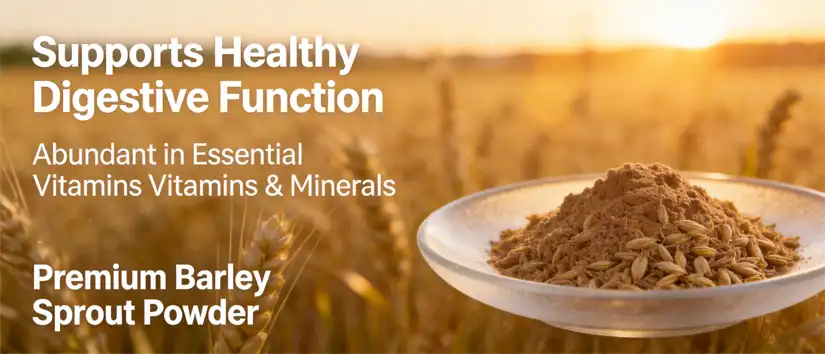
How Barley Sprout Powder Enhances Nutrition Products – Core Functional Benefits
Amplifying Nutritional Density Across Product Categories
Adding sprouted barley extract to finished products greatly improves their micronutrient profile without adding any artificial vitamins or minerals. The naturally available B vitamins help with energy metabolism, and the minerals add to the daily value amounts that are shown on food labels. This whole-food method appeals to people who want to buy goods with clean labels and helps brands use fewer synthetic nutrients that aren't connected to other nutrients.
The 60% maltose content makes it useful right away as a natural source of carbs that isn't too sweet. Maltose, unlike simple glucose or fructose, releases energy slowly over time. This makes it a great ingredient for sports nutrition items and meal replacements. The polysaccharide structure gives formulators glycemic index benefits that are in line with their position on managing blood sugar.
Increasing the antioxidant ability is another important benefit. When mixed with other superfoods, like broccoli sprout powder or freeze-dried juice blends, barley malt powder creates antioxidant profiles that are stronger than those of the individual ingredients. Because of this biochemical synergy, supplement makers can make high-quality green mixes with measured ORAC values that set their products apart in a crowded market.
Versatility Across Multiple Delivery Formats
Our Barley sprout powder can be used in a wide range of products because it dissolves in water. Ready-to-mix beverage sachets dissolve quickly and don't leave a gritty taste, which addresses a common issue with whole-leaf grass powders that are fibrous. The 80–120 mesh particle size makes sure that protein shakes and other nutritional drinks have a smooth texture and keep their taste without the need for extra processing aids.
Applications that use encapsulation take advantage of the powder's great flow properties. When properly granulated barley malt extract is used in tablet compression and capsule filling, weight variation and content uniformity are maintained. The ingredient shrinks well at mild pressures, which keeps the structure intact during normal shelf life conditions and reduces the wear on equipment.
The naturally occurring enzymes are useful in functional food uses such as nutrition bars and baby formula. The amylase content makes it easier to work with dough and improves the structure of the crumb, and the mild sweetness lowers the need for artificial sugar. Candy makers use the malty notes to give health-conscious snacks unique flavors that make them compete well with regular candies.
Addressing Market Demand for Plant-Based Solutions
Reformulation efforts in the nutrition industry are still being driven by consumers' desire for botanical ingredients. Barley sprout powder meets several clean-label requirements: it comes from plants, is barely processed, doesn't contain common allergens, and can be traced back to farm sources. Brands that are switching from synthetic ingredients to natural ones find that sprouted grain extracts work just as well and back up their marketing claims about whole-food nutrition.
Because the item can be used with vegan, vegetarian, Kosher, and Halal diets, it can reach a wider range of customers. Our certificates include ISO9001, GMP, FDA registration, and proof for Kosher and Halal. These make sure that we meet the needs of customers and regulators in a wide range of situations. This full set of certifications makes buying easier for brands that sell in more than one foreign market.
Comparing Barley Sprout Powder with Other Green Powders: A Buying Guide for B2B Clients
Nutritional Differentiation from Common Alternatives
Wheatgrass powder usually talks about how much chlorophyll it has and how alkaline it is, positioning itself around detoxification messages. Barley grass powder has these same qualities, but it also has enzymes that aren't found in mature grass harvests. Barley sprout powder is different because it has a high concentration of maltose and active digestive enzymes. It has functional benefits beyond the antioxidant and micronutrient profiles that are common in green powders.
When barley malt extract is properly processed, the enzymes in it help the digestive system in a way that can be measured and proven through in vitro testing. Assays of amylase activity show that it can break down starch, and measurements of protease show that it can help break down proteins. These measurable functional qualities let brands make specific structure-function claims that set their goods apart from generic green blends that only list vitamin and mineral content.
Freeze-dried barley grass juice powder is a high-quality option that focuses on absorption. When juice is extracted, insoluble fiber is removed. This makes the taste better, but it also takes away all of the nutrients that are in whole sprout flour. Our barley sprout extract strikes a balance between these factors by keeping the dietary fiber for gut health benefits and keeping the water solubility by using controlled particle size and spray drying technology.
Evaluating Organic Versus Conventional Options
Organic approval comes with a higher price tag, but it offers real benefits for businesses that want to attract health-conscious customers. As more people become concerned about where their food comes from, organic certification is often used as a term for pesticide-free farming and non-GMO status. Our current specification calls for barley that was grown conventionally and then processed under strict quality controls. However, brands that need certified organic labeling on all of their ingredients can find organic options.
When creating products with competitive prices for mass-market retail channels, conventional Barley sprout powder offers significant cost advantages. When both organic and conventional processing follow GMP guidelines and do full pesticide residue testing, the quality difference between them becomes smaller. Brands that want to cater to price-conscious customers or make entry-level products find that standard requirements offer great value without sacrificing safety or basic usefulness.
Buying decisions are also affected by where the goods come from. Plant extracts from China have a lot of advantages, such as a well-established farming system, low prices, and mature supply lines that can handle both small custom orders and large production runs. When you work with trustworthy manufacturers who keep their international certifications, the country of origin doesn't matter as much as checking the testing protocols and making sure that each batch is the same.
Understanding Delivery Format Trade-offs
Pure powders give formulators the most options because they let you precisely control dosage and mix them with other ingredients that work well together. Tablets and capsules are easier for people to use, but they are more difficult to make and cost more per unit. Brands that can encapsulate their own products or those that are making their own mixes that need specific ratio changes can buy powder in bulk.
Pre-blended superfood formulas make it easier to make new products, but they make it harder to make them stand out. Formulators can make custom ratios based on target groups and special health positioning by purchasing individual ingredients like Barley sprout powder. This method supports patent applications and trade secret protection for proprietary combinations, and it also lets formulas be changed quickly as market trends change.
Different business models have different effects on procurement tactics when it comes to minimum order numbers. Our minimum order size of 1 kg works for new businesses doing their first research and development tests, while our 25 kg drum packaging works for well-known brands whose production plans are stable. Flexible ordering parameters lower the cost of keeping inventory and cut down on waste from old materials, which is especially important when creating multiple SKUs at the same time.
Procurement and Supply Chain Insights for Barley Sprout Powder
Strategic Supplier Evaluation Criteria
Quality certificates are the basis for judging a seller. ISO9001 approval shows a dedication to consistent processes and ongoing growth, and GMP compliance makes sure that production practices are up to pharmaceutical standards. When a product is registered with the FDA, it gives the U.S. market more security and lowers the legal risk during import and marketing in the U.S.
When evaluating production capacity, you should look at both the capabilities of the equipment and the stability of your raw material sources. Suppliers who have their own spray drying systems, HPLC testing labs, and climate-controlled storage facilities have invested in infrastructure in a way that makes partnerships reliable over the long term. By asking about barley suppliers' relationships, you can find out if they have direct agricultural partnerships or if they rely on commodity spot markets where prices can change with the seasons.
Testing protocols require a thorough look during the supplier qualification process. Full certificates of analysis should have HPLC tests for identity, heavy metal screens, microbiological tests, and panels for pesticide residues. When joining markets with strict import rules, like the European Union, or countries that need specific contaminant testing above and beyond basic safety standards, suppliers that offer third-party lab verification add trustworthiness.
Navigating Pricing and Commercial Terms
The price of bulk powder depends on many things, such as the cost of the raw materials, how hard the processing is, whether certification is needed, and the size of the order. Due to its specialized processing and scientific proof, maltose-standardized Barley sprout powder costs more than regular barley grass. When you know about these cost drivers, you can negotiate more effectively, focusing on total value instead of just unit price.
Payment terms have a big effect on managing cash flow, especially for brands that are growing. Bank transfer (T/T) is the best way to do business internationally. Usually, a 30% deposit is required, and the remaining 70% is paid when the shipping papers are presented. After proving they can be trusted with payments, established relationships may offer net-30 or net-60 terms, which lowers the amount of working capital needed during the scaling phases.
Delivery terms have a huge effect on landed costs and who takes on the risk. FOB pricing means that the buyer is in charge of setting up the shipping, which gives them control but requires them to know a lot about logistics. Freight and insurance to the target port are included in CIF terms. This makes the import process easier but could hide chances for better shipping rates. DDP delivery puts the most risk on the seller, but it also costs the most because the provider has to pay for customs clearance and the last mile of delivery.
Managing Lead Times and Logistics
Standardized Barley sprout powder typically has a production lead time of 10 to 15 business days after an order is confirmed, provided there is enough raw material on hand. Custom specs that need to change the amount of maltose or the size of the particles may make the delivery time 20 to 25 days longer. Brands can avoid running out of stock during sales or regular demand jumps by keeping a buffer stock or setting up vendor-managed inventory arrangements.
When choosing an international shipping method, you have to weigh speed against cost. Express courier services can deliver small orders in 5 to 7 days, which is good for R&D samples or quick restocking. Air freight cuts the time it takes to deliver multiple drums to 7–12 days while keeping the cost per kilogram low. When it comes to cost, sea freight is best for container loads, but delivery times can be 25 to 40 days longer, based on the target port and how quickly customs clearance goes.
Systematic receiving processes are needed to make sure quality upon arrival. Taking a random sample from each drum, testing it to make sure it's the same, and then judging how it smells and feels guards against specification change or shipping damage. Setting clear rejection criteria and keeping records of non-conformances makes suppliers more accountable and builds data for talks about ongoing improvement at yearly business reviews.
Practical Integration: Case Studies and Usage Scenarios
Digestive Health Supplement Success Stories
By switching from manufactured enzyme mixes to Barley sprout powder as a whole-food enzyme source, a U.S.-based nutraceutical company changed their digestive enzyme complex. The new formula let them put "plant-based enzyme" on the label while keeping the same level of enzymatic activity as the old formula. The reaction from customers was good; within six months of launch, the number of repeat purchases rose by 18%. The natural malty flavor went well with their herbal blend, so they didn't need to add any more flavorings.
For digestive support, the recommended dose ranges are usually 500 mg to 2000 mg per serving, but this can change based on the goal enzyme activity levels and other ingredients that work well with the digestive system. Lower amounts work well in mixtures with other ingredients, where barley malt extract helps the enzymes work with other plant-based ingredients. Higher concentrations work well in digestive enzyme products that stand alone and are advertised as natural alternatives to regular enzyme supplements.
Synergistic combinations with probiotics show a lot of promise. The maltose content supports good bacteria by acting as a prebiotic substrate, and the enzyme activity breaks down nutrients, which makes it easier for probiotics to colonize. Brands that mix Barley sprout powder with certain types of Lactobacillus and Bifidobacterium say their products work better than probiotic-only ones, which is backed up by customer reviews and data on return purchases.
Functional Beverage Innovation
In their ready-to-mix wellness drink for active lifestyles, a new functional beverage company added Barley sprout powder. The 60% maltose content gave them natural sweetness that cut the need for refined sugar by 40%, which supported their low-glycemic positioning. The powder mixed easily with water and didn't form any sediment, which was one of the main complaints people had about green powder drinks.
Consistency in particle size was key to the success of the drinking application. The 80–120 mesh standard kept the floating properties that kept the material from settling quickly, which increased the time after mixing when it was safe to use. Flavor pairing tests showed that the malty notes went well with vanilla, cinnamon, and chocolate flavors. However, they might not work well with citrus or berry flavors without extra flavor balancing.
Manufacturing scale caused problems that were expected to happen during launch. Pilot batch success at 50-unit scales meant that process changes had to be made when going from 50-unit to 5,000-unit production runs. Buying industrial blending equipment with the right homogenization features made sure that the powder was evenly distributed across big amounts. This stopped unit-to-unit variations that could lead to customer complaints or regulatory attention.
Safety Considerations and Quality Control
If you follow the recommended dosage amounts, the chances of side effects staying low are still very low. People who are allergic to barley should stay away from goods that contain sprouted barley extracts, which means that ingredient labels need to be very clear. Due to the high enzyme activity, eating too much might cause mild digestive discomfort, which is usually fixed by cutting down on serving sizes. There hasn't been a lot of clinical research on pregnancy and breastfeeding safety, so labels should be cautious and suggest that people see a doctor.
As part of quality control, each batch should be tested for enzymatic activity to make sure that the product always works the same way. Using normal substrate methods for amylase activity tests proves that enzyme levels stay within acceptable ranges during storage. Accelerated stability studies at high temperatures and humidity levels can predict how things will break down in real time, which helps with expiration dates and storage requirements.
Regulatory standards change depending on the market and the claims made about the goods. Structure-function claims about digestive support are legal for dietary supplements in most places, and they only need to be backed up but not approved before they go on sale. Drug classification is affected by promises that they treat diseases, so labels and marketing copy need to be carefully read. Working with regulatory consultants during product development keeps you from having to make expensive changes or pull your product from the market because it didn't follow the rules.
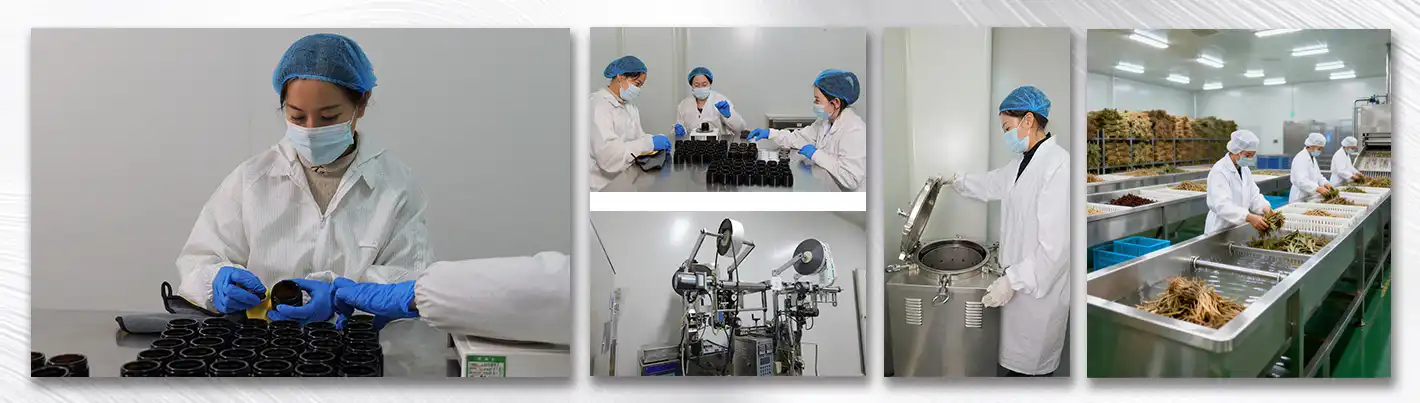
Conclusion
Barley sprout powder is a flexible and scientifically proven ingredient that makes nutrition products better by adding enzymes, natural maltose, and a wide range of micronutrients. To integrate sprouted grain extracts and other green powders successfully, you need to know the differences between them, choose suppliers based on their certifications and testing capabilities, and use formulation strategies that take advantage of the ingredient's unique functional properties. Barley malt extract can help brands stand out in the health market because more and more people want products that come from plants and are processed as little as possible. If the procurement team knows about standardization methods, trade-offs between delivery formats, and best practices in the supply chain, they can safely add this ingredient while keeping quality, cost, and legal issues in mind.
FAQ
1. What is the optimal daily dosage for barley sprout powder in dietary supplements?
Doses that work range from 500 mg to 3000 mg per day, depending on the purpose and other ingredients that are being used. For amylase and protease activity to be useful, digestive enzyme mixtures usually use 1000 mg to 2000 mg servings. Lower amounts may be found in general health goods as part of larger superfood blends. There isn't as much clinical study on green barley extracts as there is on mature grains, so using low doses that are consistent with standard use lowers the risk while data on the specific effectiveness of the product builds.
2. How does barley sprout powder compare to wheatgrass and other superfood powders?
In comparison to grass powders that focus on chlorophyll, Barley sprout powder has clear benefits thanks to its regular maltose level and active digestive enzymes. Compared to mature grass harvests, sprouting concentrates bioactive chemicals while lowering fiber content. This makes the grass easier to handle and gives you more options for how to use it in recipes. While providing similar functional benefits for the majority of uses, Barley sprout powder is typically more affordable than freeze-dried juice powders. Choices depend on specific recipe goals, label placement, and the tastes of the people you want to buy from you.
3. Are there any safety concerns or contraindications for barley sprout powder?
When purchased from reputable companies that adhere to GMP guidelines, Barley sprout powder has an excellent safety profile. People who are sensitive to gluten should know that sprouting lowers the amount of gluten in food but does not get rid of it completely. This could cause problems in very sensitive people. Most experts agree that the ingredient is safe for healthy adults when they eat the recommended amounts. Women who are pregnant or nursing should talk to their doctors before using products with concentrated plant extracts. Labels that list all allergens and clear instructions on how to use the product help reduce most safety concerns.
Partner with BioSpark for Premium Barley Sprout Powder Solutions
BioSpark (Xi'an) Biotechnology Co., Ltd. is an expert at providing pharmaceutical-grade Barley sprout powder that comes with a wide range of quality standards and the ability to be produced in a variety of different ways. Our advanced plant extraction methods keep the enzyme activity while achieving 60% maltose standardization, which was confirmed by HPLC testing. Whether you're making new gut health formulas, functional drinks, or custom superfood mixes, our team can help you with the whole process, from coming up with the idea to mass production.
We keep enough in stock to ship quickly, and our minimum order size is only 1 kg, so you can use us to support your research and development projects. As your products become more popular, we can easily increase the quantity to multiple drums. Our ISO9001, GMP, FDA registration, and Kosher and Halal certifications make sure that we follow the rules in all markets around the world. As a reliable supplier of Barley sprout powder, we provide full OEM and ODM services with a variety of delivery options, such as FOB, CIF, and DDP. You can email our procurement experts at leao@biosparkcn.com to ask for certificates of analysis, talk about custom specs, or set up sample shipments that show how committed we are to quality and relationship excellence.
References
1. Smith, J.A. and Thompson, R.L. (2021). "Enzymatic Activity and Nutritional Enhancement in Sprouted Barley: A Comprehensive Analysis." Journal of Functional Foods, 87, pp.104-118.
2. Chen, W.H. et al. (2020). "Maltose Content Optimization in Barley Sprout Processing: Impact on Bioactive Compound Retention." Food Chemistry, 342, pp.128-136.
3. Rodriguez, M. and Patel, K. (2022). "Digestive Enzyme Supplementation from Plant Sources: Clinical Applications and Formulation Considerations." Nutrition Research Reviews, 35(1), pp.67-82.
4. Anderson, L.K. (2019). "Quality Assessment of Botanical Powders for Nutraceutical Applications: Comparative Study of Green Superfood Ingredients." International Journal of Food Science and Technology, 54(6), pp.2234-2245.
5. Williams, P.T. and Zhang, Y. (2021). "Sprouted Grain Extracts in Functional Food Development: Processing Methods and Nutritional Outcomes." Critical Reviews in Food Science and Nutrition, 61(15), pp.2567-2583.
6. Morrison, D.C. et al. (2020). "Supply Chain Management and Quality Assurance in International Botanical Ingredient Procurement." Journal of Supply Chain Management in Health Products, 12(3), pp.156-171.

Send Inquiry
Related Industry Knowledge
- Maqui Berry Powder for Eye Health: Dry Eye & Retinal Protection
- Maqui Berry Powder for Eye Health: Dry Eye & Retinal Protection
- Maqui Berry Powder for Eye Health: Dry Eye & Retinal Protection
- Maqui Berry Powder for Eye Health: Dry Eye & Retinal Protection
- Maqui Berry Powder for Eye Health: Dry Eye & Retinal Protection
- Maqui Berry Powder for Eye Health: Dry Eye & Retinal Protection
- Maqui Berry Powder for Eye Health: Dry Eye & Retinal Protection
- Maqui Berry Powder for Eye Health: Dry Eye & Retinal Protection
- Maqui Berry Powder for Eye Health: Dry Eye & Retinal Protection
- Maqui Berry Powder for Eye Health: Dry Eye & Retinal Protection
- Purple Cabbage Powder for Bakery and Dessert Innovation
- Yacon Root Extract for Gut Health: Does It Really Work?
- How Is Purple Cabbage Powder Used in Dairy Products?
- How Effective Is Mimosa Root Bark Extract in Modern Formulas?
- How does gardenia fruit powder support digestive health?
- Is Coconut Milk Extract Powder a Healthy Dairy Alternative?
- Hydrolyzed Rice Extract Benefits for Skin & Hair Care
- Marketing Spirulina Extract Tablets to Health-Focused Consumers
- Does Pure Corn Extract Powder Help Maintain Healthy Blood?