_1764041963888.webp)
How Does Barley Sprout Flour Support Healthy Baking Trends?
Jun 20, 2026
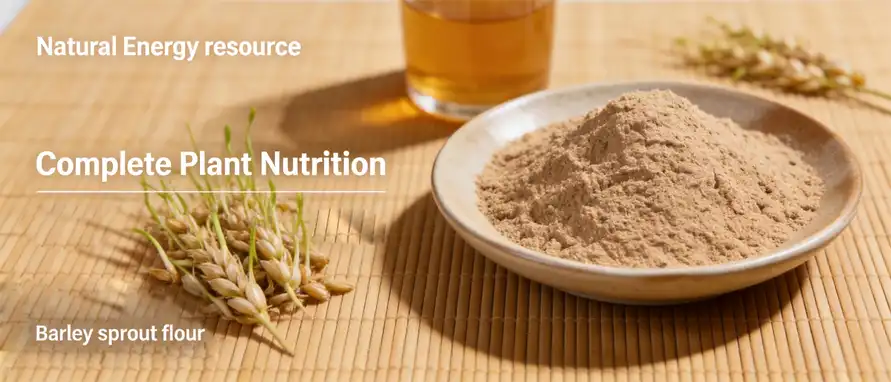
Barley sprout flour is a natural, nutrient-dense option that supports healthy baking trends by adding bioactive compounds, enzymes, and important minerals to baked goods. This nutrient has a 60% maltose content, is easier to digest, and has a sweet malty smell. It is made through controlled germination and modern plant extraction methods. Barley sprout flour is different from regular wheat flour because it meets the need for clean-label goods while still having great solubility, texture improvement, and scaling in a wide range of baking uses.
Understanding Barley Sprout Flour and Its Nutritional Advantages
What Makes Barley Sprout Flour Different from Traditional Barley Products
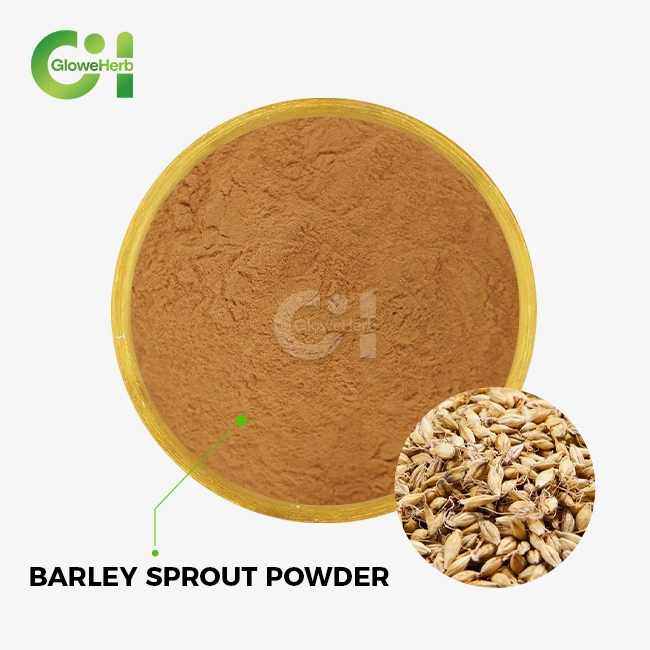
Due to its special manufacturing process, Barley sprout flour differs from regular barley flour and barley grass powder. We start with non-GMO barley grains that have been carefully chosen and are germinated in a controlled way. Enzymes naturally break down complicated grains into simpler sugars like maltose while the sprouts are growing. The grains are air-dried and ground into a fine powder with particle sizes between 80 and 120 mesh after they reach the best stage of sprouting. This process keeps enzymes working and focuses nutrients that don't do anything in grains that haven't been sprouted.
Key Nutritional Components and Health Benefits
As a result of growth, the nutrients are greatly increased. High-Performance Liquid Chromatography (HPLC) tests show that 60% of our Barley sprout flour is maltose, providing purity and stability. This fine, light-yellow to light-brown powder is full of minerals like iron, magnesium, and selenium, as well as a lot of B vitamins, such as B1, B2, B6, and folate. The chlorophyll helps the body get rid of toxins, and the fiber in the plant helps keep the digestive system healthy. Researchers have found that germinated barley products have higher antioxidant levels than their non-sprouted peers. This means that they protect against oxidative stress. Enzymatic activity helps break down proteins and starches during absorption, which makes nutrition easier for the body to use.
Quality Standards and Gluten Considerations
Procurement managers need to be aware that Barley sprout flour has gluten in it, so it needs to be carefully checked for uses that need to avoid allergens. But the sprouting process breaks down some gluten proteins ahead of time, which might make them easier to process. BioSpark has strict quality control measures in place, such as ISO9001, Kosher, Halal, FDA, and GMP safety certifications. Every batch goes through a lot of tests using HPLC techniques to make sure that the amounts of active ingredients are exactly what they are supposed to be. You can track where the raw materials come from all the way through to the finished packaging in 25 kg drums. This gives you the transparency you need for large-scale manufacturing processes.
Why Barley Sprout Flour is a Game-Changer in Healthy Baking Trends
Addressing Gaps in Traditional Baking Ingredients
Traditional wheat flour and unmalted barley flour don't have the useful bioactive substances that people today who care about their health are looking for. These standard choices give you energy and a basic structure, but they don't have as many nutrients or enzymes as other options. Barley sprout flour fills in this gap by adding diastatic qualities that help dough ferment naturally. The maltose amount makes the dough easier to ferment by making the yeast work faster and making the rise better. This gives the bread a better texture, a better color, and a hint of sweetness without adding refined sugars. The enzymes in sprouted barley powder keep working while the dough is being made, breaking down any leftover carbs into simpler carbohydrates. By controlling the preservation of moisture, this process helps improve the structure of the crumb and extend the shelf life. When Barley sprout flour is used at replacement rates of 5 to 15% of the total flour weight, bakery original equipment manufacturers have noted measurable gains in product consistency.
Clean-Label Appeal and Market Positioning
A lot of stores in North America and Europe will only sell products that have clean labels. With only one ingredient and no added chemicals, pesticides, or enzymes, Barley sprout flour fits right into this trend. "Sprouted grains" is a claim that sticks out to people who want to buy whole food products, and brands can use it on their packages. In markets with a lot of competition, this positioning makes product lines stand out, which supports higher price strategies and brand loyalty. Our Barley sprout flour works well as a natural sweetener and flavor boost, so you don't have to use as much extra sugar and the food still tastes great. The distinctive sweet malty smell gives bread, rolls, cookies, and sandwiches more depth, creating sensory appeal that sets them apart at the point of sale. This makes the products stand out, which is good for distributors and sellers because stores are giving more shelf space to new, healthy products.
Supporting ROI Through Product Diversification
Product makers can carefully grow their portfolios by introducing Barley sprout flour. Formulations can be made to appeal to specific groups of people, such as those who are interested in gut health, weight loss, or controlling their blood sugar. A new study on germinated oats backs up the claims that the fiber and polyphenols are good for your metabolism. Bakery brands that use these perks have seen higher trial rates and repeat sales, which has a direct effect on their return on investment. One operational benefit is that the dough is easier to work with and doesn't need as many fake dough additives. Barley sprout flour dissolves easily in water, so it can be used in current mixing systems without having to change the equipment. Manufacturers make sure that each batch is the same, which cuts down on waste and makes production plans more efficient.
Comparative Insights for Procurement Managers: Barley Sprout Flour vs Other Flours
Nutritional Profile Analysis
There are a number of clear benefits to using Barley sprout flour instead of regular wheat flour. After being processed, wheat flour usually has 10 to 14 percent protein and very little enzyme activity. Barley sprout flour has about the same amount of protein as regular flour, plus it has useful enzymes, 60% maltose, and a lot more minerals. When compared to barley that hasn't sprouted, sprouted barley has 20–40% more vitamin B. Antioxidant substances like phenolic acids and flavonoids also show a big rise. Barley sprout flour is better for building things in baking than barley grass powder, which is made from young shoots. While barley grass powder works great in drinks, it doesn't have the right texture to add to dough systems. Barley sprout flour is a more cost-effective choice for procurement teams looking for ingredients that can be used in a variety of products.
Evaluating Organic Variants and Supplier Reliability
Growing demand for approved sustainable ingredients is met by organic Barley sprout flour. Verified non-GMO seeds, pesticide-free farming, and controlled processing conditions are all part of the organic approval process. Because of higher input costs and approval fees, price premiums are usually between 15% and 25% higher than regular choices. Procurement managers have to weigh these costs against the benefits of market positioning and how much people are willing to pay. When judging a supplier, you should look at a number of important factors. We suggest that you look at the production capacity, including the lowest and highest order amounts. At BioSpark, we can handle orders ranging from tests weighing 1 kg to shipments of many tons in bulk. This means that we can help both new businesses and companies that have been around for a while. Delivery terms like FOB, CIF, CFR, EXW, DAP, and DDP give you choices that work with different supply chain setups. Payment options are flexible, and bank transfer (T/T) is our chosen way. This makes sure that transactions go smoothly.
Certification and Consistency Benchmarks
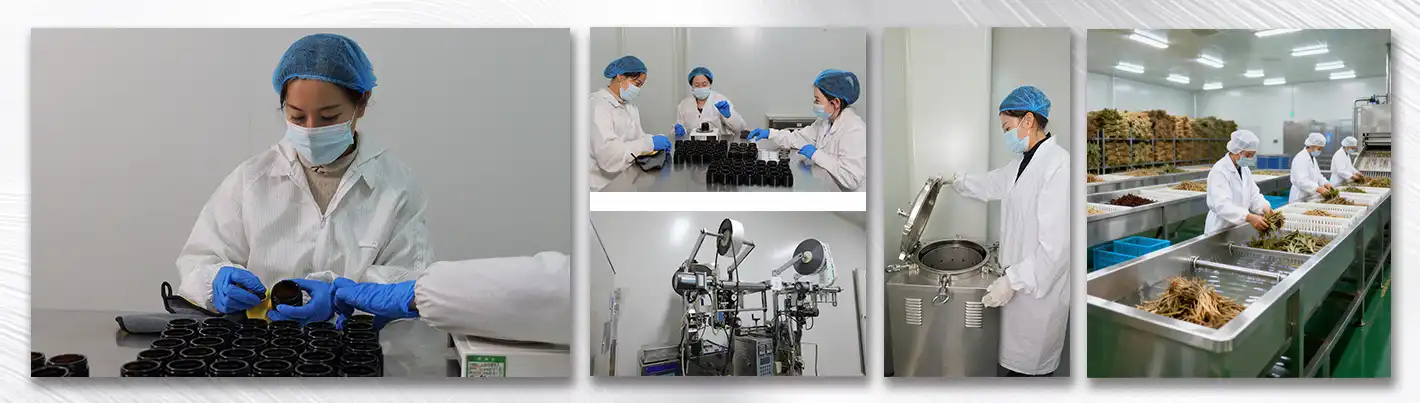
Authentic sellers of Barley sprout flour keep detailed records. Getting ISO9001 approval shows that you are dedicated to quality management systems, and getting FDA registration makes sure that you follow U.S. food safety rules. Kosher and Halal approvals make it easier for more goods to reach customers, especially those with religious dietary needs. For consistency from batch to batch, testing methods must be proven to work. HPLC research confirms the amount of maltose and enzyme activity. With every package, suppliers should include a Certificate of Analysis (CoA) that lists the results of the microbe counts, heavy metal screening, and pesticide residue tests.The top producers of Barley sprout flour make investments in cutting-edge technologies for extraction and drying. Our way of extracting plants uses multi-use tanks for gentle water extraction, then precise filtration with centrifugation, plate filtration, and membrane separation systems. Heat-sensitive enzymes are kept safe by low-temperature vacuum concentration, and even particle distribution is achieved by high-temperature spray drying. This controlled processing keeps the enzymes alive and makes sure they have the solubility properties that are needed for the product to work consistently.
How to Incorporate Barley Sprout Flour in Your Product Line: Practical Applications
Optimal Substitution Strategies and Formulation Guidelines
Understanding replacement amounts is the first step in successfully integrating Barley sprout flour into commercial baking recipes. Without greatly changing the texture or rise qualities, replacing 5–10% of the total flour weight with Barley sprout flour increases nutritional value. This cautious method works well for bread, dinner rolls, and hamburger buns, where keeping the familiar textures and tastes is important. Higher exchange rates of 15 to 20 percent work well in specialty foods that are sold for their health benefits, like multigrain breads or baked goods with added protein. Because of the enzymatic action, the mix needs to be changed. During fermentation, diastatic enzymes change carbs into sugars, which could shorten the time it takes to proof. During the first few test runs, bakers should keep a close eye on how the dough develops and shorten fermentation times by 10 to 15 percent to avoid over-proofing. The higher maltose content makes the crust brown faster through Maillard reactions. This could mean that the oven temperature needs to be lowered by 5–10°C to stop too much color development.
Recipe Adaptations for Large-Scale Production
Commercial bakeries can use recipe models that work reliably at larger sizes. Barley sprout flour could be used in place of 8–10% of the wheat flour in a basic enriched bread recipe. The humidity levels would need to be adjusted up by 2–3% to account for the flour's ability to hold water. Most of the time, mixing times don't change, but keeping an eye on the end dough temperature makes sure that everything stays the same. The typical sweet malty smell gets stronger when it's baked, and it goes well with doughs that have been sweetened with milk, butter, or eggs. For cookie and cake uses, there is more recipe freedom. Without changing the spread or structure, adding 15 to 20 percent Barley sprout flour to cookie recipes makes them chewier and more nutritious. The natural sweetness cuts down on the need for artificial sugar by about 10%, which backs up claims that the product has less sugar. Better moisture retention helps cake recipes last longer on the shelf and stay soft while being shipped. Barley sprout flour works great in smoothie powders, meal replacement drinks, and healthy snacks, as well as in standard baking. The mild taste and ability to dissolve in water make it perfect for these uses. The quick dispersibility is liked by beverage makers, and the binding qualities and subtle sweetness are liked by nutrition bar makers.
Procurement Logistics and Compliance Considerations
Buying in bulk has a direct effect on how cost-effective and resilient the supply chain is. We suggest making buying deals every three or six months to keep prices stable and make sure you have enough product. Our ability to keep enough stock on hand and send quickly supports just-in-time production, which reduces the need for storage space. Express, air freight, and sea freight are all shipping choices that can be used for both urgent restocking needs and regular restocking rounds. International rules about food safety are still very important. U.S. standards are met by our Barley sprout flour. FDA rules, EU rules, and different area standards apply to all global markets. There are health certificates, phytosanitary certificates, and CoAs in documentation packages that are designed to meet customs processing requirements. We offer full technical support to OEM and ODM partners, which includes recipe optimization advice, data from stability tests, and regulatory advice for label claims. There are methods in place that connect each 25 kg drum to a unique production batch, growing region, and harvest date. This openness is very important during audits and lets people act quickly if there are quality issues. Purchasing teams feel better knowing that the integrity of the supply chain has not been affected anywhere in the delivery network.
Future Outlook: Barley Sprout Flour as a Strategic Ingredient in the Health-Driven Baking Market
Market Expansion Potential in North America and Europe
People in mature markets are becoming more and more aware of the health benefits of sprouted grains. In recent years, sales of sprouting grain goods in North America have grown by about 18% per year, and they have grown in a similar way in Europe. This progress opens up big chances for companies that supply ingredients and make products that can meet demand. Compared to sprouted wheat, Barley sprout flour is a relatively untapped market area that offers early users a competitive edge. More and more, regulations favor clean-label products that are good for your health. Since the FDA agrees that whole grains can lower the risk of chronic diseases, it makes sense that sprouting grain products would also do the same. Even though European Novel Food laws are strict, they realize that traditional sprouting methods are well-known ways to prepare foods, which makes it easier to get into the market. Long-term market security and growth forecasts are supported by these good regulatory conditions.
Innovation Opportunities for OEM and ODM Partners
Barley sprout flour is so adaptable that it can be used to make new products in many different industries besides baking. Digestive health products that contain this ingredient use its fiber and enzyme qualities to back up claims that they are good for gut health. The better absorption of vitamins and minerals helps nutritional recipes for baby food, meal replacements, and senior nutrition. With a focus on metabolic health and long-lasting energy, beverage makers make functional drinks that combine Barley sprout flour with matching herbs.BioSpark's OEM and ODM partnerships give customers access to recipe knowledge and a range of production options. We can handle small batch changes as well as large-scale orders, which fits product development processes from proving the idea to putting the product on the market. Co-development chances let brands make their own formulas, giving them a competitive edge by using unique mixtures of ingredients and processing methods. These partnerships often turn into exclusive supply agreements that make sure quality is always high, and supplies don't run out.
Building Strategic Supplier Partnerships
To be successful in the health products business over the long term, you need to build ties with your suppliers based on shared goals for growth. Strategies for buying things should focus on forming relationships with companies that show they care about sustainability, constant growth, and providing good customer service. BioSpark puts a lot of emphasis on ongoing contact. We do this by giving you market information, technology updates, and help with working together to solve problems. Partners will be able to stay competitive as long as we keep investing in new extraction methods and quality processes. Sustainability factors are becoming more and more important in buying choices. Growing barley usually needs fewer inputs than growing wheat or corn, which helps with goals for environmental responsibility. Sprouting methods make good use of water, and waste materials are often reused or turned into animal feed, which cuts down on trash. Suppliers who keep track of sustainable measures through lifecycle studies and carbon footprint analyses give companies that support corporate responsibility efforts useful marketing material. Barley sprout flour is a key ingredient for forward-thinking brands and producers because consumers are more aware of their health, regulations are getting better, and technology is getting better. As the category grows older, companies that build strong ties with suppliers and learn how to make new products will have a bigger part of the market.
Conclusion
Barley sprout flour is a great way for health supplement brands, nutraceutical companies, and baking makers to make their products stand out by using clean-label, nutrient-dense ingredients. Controlled sprouting and improved plant extraction methods produce 60% maltose, active enzymes, and higher levels of vitamins and minerals, meeting the demand for useful foods from consumers. The nutritional benefits, formulation methods, and seller assessment criteria described in this study are useful information for procurement managers. As the popularity of healthy baking grows in North America and Europe, it is important to work with qualified, trustworthy producers to keep the supply chain stable and stay competitive in this growing field.
FAQ
What distinguishes barley sprout flour from traditional barley flour?
Milled mature, dried barley grains that have not sprouted are used to make traditional barley flour. Barley sprout flour goes through controlled sprouting, which turns starches into sugars and raises vitamin levels. This process makes the flour easier to stomach and higher in nutrients. It also gives the flour a sweet, malty smell that you can't get from flour that hasn't been sprouted.
Does barley sprout flour contain gluten?
Due to the gluten content of barley, Barley sprout flour also contains gluten. The sprouting process breaks down some gluten proteins some, but not all of them. Companies that make foods for people who are celiac or can't handle gluten should not use this ingredient. The flour can be used in a wide range of foods and may be easier for gluten-sensitive people to digest than unsprouted barley.
How should procurement teams source bulk quantities?
Teams in charge of buying things should give more weight to sellers who have a lot of certifications, like ISO9001, FDA registration, Kosher, Halal, and GMP compliance. Check out the minimum order sizes, shipping times, and payment options. Ask for Certificates of Analysis that show HPLC testing for maltose level and safety against microbes. Set up tools that will allow packages to be tracked back to specific production batches. Before committing to bigger orders, you might want to try out 1 kg samples to make sure they work with current recipes and manufacturing methods.
Partner with BioSpark: Your Trusted Barley Sprout Flour Supplier for Innovative Product Development
For health supplement brands, nutraceutical businesses, and baking OEM/ODM partners looking for dependable manufacturing support, BioSpark (Xi'an) Biotechnology Co., Ltd. provides premium Barley sprout flour. Our 60% maltose standard, which was confirmed by HPLC testing, makes sure that all of your product formulas work the same way. With ISO9001, FDA, Kosher, Halal, and GMP certifications, we give your buying teams the quality guarantee and traceability they need. Get in touch with our knowledgeable staff at leao@biosparkcn.com to talk about unique bulk buying options, technical recipe help, and affordable prices for orders as low as 1 kg. Visit www.biosparkcn.com to look at our full line of useful ingredients that will help your health products stand out in the global market.
References
1. Hübner, F. & Arendt, E.K. (2013). "Germination of Cereal Grains as a Way to Improve the Nutritional Value: A Review." Critical Reviews in Food Science and Nutrition, 53(8), 853-861.
2. Nelson, K., Stojanovska, L., Vasiljevic, T. & Mathai, M. (2013). "Germinated Grains: A Superior Whole Grain Functional Food?" Canadian Journal of Physiology and Pharmacology, 91(6), 429-441.
3. Benincasa, P., Falcinelli, B., Lutts, S., Stagnari, F. & Galieni, A. (2019). "Sprouted Grains: A Comprehensive Review." Nutrients, 11(2), 421.
4. Sharma, S. & Gupta, J.P. (2019). "Enzymes in Malted Cereals: Their Significance in Food Processing." Journal of Food Science and Technology, 56(5), 2325-2333.
5. Yang, F., Basu, T.K. & Ooraikul, B. (2001). "Studies on Germination Conditions and Antioxidant Contents of Wheat Grain." International Journal of Food Sciences and Nutrition, 52(4), 319-330.
6. Koehler, P., Hartmann, G., Wieser, H. & Rychlik, M. (2007). "Changes of Folates, Dietary Fiber, and Proteins in Wheat as Affected by Germination." Journal of Agricultural and Food Chemistry, 55(12), 4678-4683.

Send Inquiry



Related Industry Knowledge
- What Are the Key Benefits of Spinach Juice Powder?
- Why Choose Natural Blueberry Extract Powder for Supplements?
- Is Natural Blueberry Extract Powder Rich in Anthocyanins?
- Looking for Trusted American Ginseng Extract Powder Exporters?
- What Are the Key Properties of Logwood Extract Dye?
- Rhizoma Chuanxiong Extract for Migraine Relief Solutions
- Tangerine Peel Extract Applications in the Food Industry
- Does Hydrolyzed Rice Extract Enhance Product Absorption?
- Ganoderma Extract Powder: Natural Antioxidant Powerhouse
- Why Choose Yacon Root Extract for Weight & Metabolic Support?