_1764041963888.webp)
Freeze-Dried Barley Sprout Powder vs Regular Powder?
Jun 11, 2026
When you are looking for vitamins and useful ingredients, it is very important to know how they are made. Freeze-dried Barley sprout powder saves up to 95% of its original nutrients, enzymes, and bioactive compounds. This is different from normal heat-dried choices, which lose 40–60% of their nutritional value during processing. What's the main difference? It impacts not only how well the product works, but also how satisfied customers are, how well it follows the rules, and ultimately, the way people see your brand in the tricky health market.
Understanding Barley Sprout Powder: Composition and Benefits
What Makes Young Barley Shoots Nutritionally Valuable
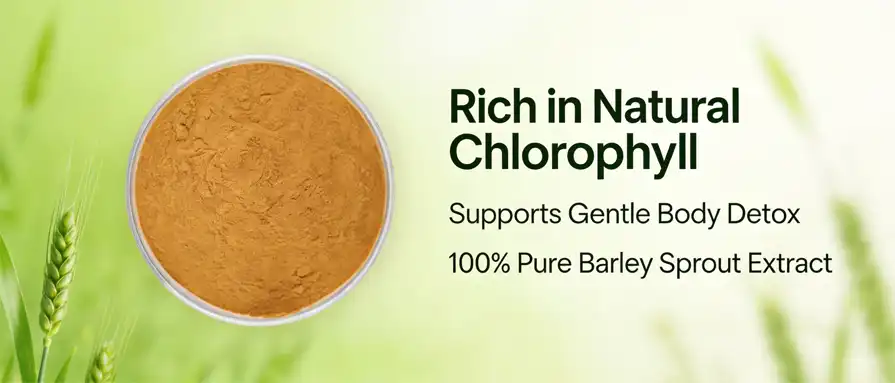
Picking young barley plants 7 to 14 days after they sprout is when they are at their healthiest. They have a lot of chlorophyll, important amino acids, vitamins B1, B2, B6, and B12, as well as minerals like calcium, iron, and potassium. During budding, enzymes such as amylase and protease start to work. These enzymes make it easy for the body to absorb nutrients. This change at the molecular level turns carbs into simpler sugars, mostly maltose. This makes the taste sweet without adding any extra sugar.
Core Health Benefits Driving Market Demand
Scientists have found that chlorophyll and saponin substances in foods made from Barley sprout powder help the liver get clean. They also help keep liver cells safe from harmful stress. Fiber-rich foods help you keep your weight in check by making you feel full and keeping your body healthy. The way glucose is used in the body may change when people drink alcohol on a daily basis, which may help control blood sugar levels. There is evidence that Barley sprout powder can help with metabolic health, digestive health, and cleaning. This makes them a good addition for nutraceutical products that aim to do these things.
Processing Methods Shape Final Product Quality
There are two main ways to make things on the market: freeze-drying (also called lyophilization) and standard drying methods that use heat. At low temperatures, sublimation gets rid of the water during freeze-drying. This saves the structure of cells and chemicals that are easily damaged. Some ways to dry things fast, like spray drying and drum drying, use high temperatures. However, these temperatures can hurt vitamins and enzymes that are sensitive to heat. There are different types of ingredients made because of this basic difference in how they are processed. These ingredients have different health profiles, useful qualities, and business uses.
Freeze-Dried Barley Sprout Powder vs Regular Powder: Key Differences
Nutrient Retention and Bioactive Compound Preservation
Surprisingly, freeze-dried Barley sprout powder has a lot of the same enzymes and vitamins as live grass. As shown in lab tests, freeze-dried versions keep 90–95% of the vitamin C, B-complex vitamins, and chlorophyll that they had when they were first grown, while heat-dried versions only keep 40–70%. Iron-based antioxidants (SOD) and flavonoids break down quickly in heat, but the soft sublimation method keeps them safe. Because nutrients are kept longer, ORAC (Oxygen Radical Absorbance Capacity) numbers go up, and the finished goods have more medicinal potential.BioSpark's way of removing plants involves several steps of exact filtration and then low-temperature vacuum concentration. This is done to protect the enzymes' purity. The freeze-dried Barley sprout powder that is made still has the amylase and protease action that the gut needs. We know this because we used strict HPLC testing methods.
Solubility, Texture, and Formulation Performance
Because the structure of the cells is still there, freeze-dried powders are better at being mixed back together. It melts quickly and completely in liquids, leaving behind smooth drinks that don't have any gritty residue. It's better at absorbing water because sublimation makes it more porous. This makes it great for smoothie mixes, ready-to-mix drinks, and pill recipes that need to dissolve quickly. Powders that are dried in the usual way often have bigger particles that don't dissolve all the way when they are mixed with water. They might stick together and not dissolve all the way. When used in drinks, this change in taste has a big impact on how the customer feels. When used in supplements, it has an impact on how well the supplement works. Our particle size range of 80 to 120 mesh ensures the best flowability during production processes and keeps great dissolution qualities across a large number of formulation materials.
Shelf Life, Stability, and Global Distribution Considerations
How stable a product is while being stored and shipped is directly related to how much water is in it. Normal dried goods have moisture levels between 8 and 12%, while freeze-dried goods have moisture levels below 5%. This means that freeze-dried goods last a lot longer. When the wetness level is low, bacteria can't grow, sensitive chemicals don't oxidize, and the color stays the same for a long time. When you do business around the world, you have to deal with problems like changing weather and humidity and longer travel times. Freeze-dried Barley sprout powder keeps its nutritional value and flavor while being shipped all over the world. These are the drums that our goods are put in. They are sealed against wetness and flushed with nitrogen to protect the ingredients even more while they are being shipped by sea, air, or express.
Investment Analysis: Premium Pricing Versus Long-Term Value
Most of the time, freeze-dried ingredients cost 40–70% more than their regular dried versions because they take more work to make and use more energy. A full cost study, on the other hand, really shows why something is valuable. It takes less of an inclusion rate to get the same health effects when the nutrition density is higher. Stock that lasts longer is less likely to go bad and cause loss. With better stability, customers are less likely to complain and send things back. Cost-per-nutrient should be used instead of cost-per-kilogram when buying teams figure out the total cost of ownership. Freeze-dried ingredients often give a better return on investment over the life of a product because they make creating more efficient, cut down on waste, and make customers happier.
How to Choose the Right Barley Sprout Powder for Your Business
Defining Your Procurement Objectives and Quality Standards
Before you can choose the right parts, you need to make sure that your needs are clear and match up with your target market and the rules in your business. To get an organic license, natural goods shops have to follow very different rules than regular stores. Prices are higher for certifications like USDA Organic, EU Organic, and others like them, but there is a lot of paperwork that needs to be done for the supply chain. Your nutritional strength needs will change based on where you put your product and what health claims you make about it. Freeze-dried ingredients with proven enzyme activity and standard chlorophyll content are useful for high-potency products aimed at remedial markets. When saving money is more important than getting the most nutrients, dried powders may be able to be used in economy-level goods.
Supplier Evaluation Framework for Risk Mitigation
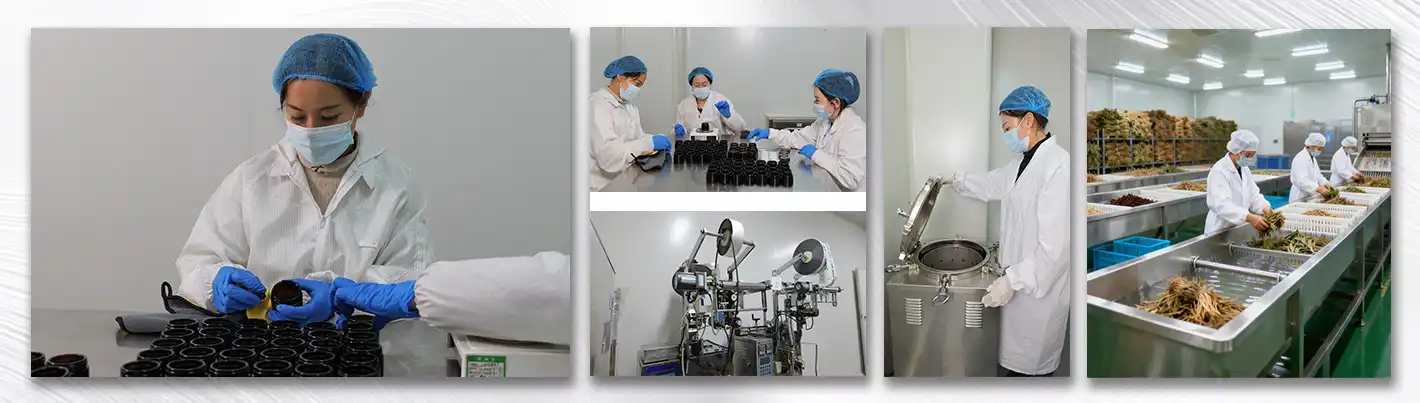
A careful check of the seller protects against changes in quality, supply problems, and not following the rules. There are several important things that are checked during the evaluation process. These include manufacturing certificates (ISO9001, GMP, and FDA registration), testing capabilities (in-house HPLC verification), traceability systems (that let you follow batches from raw materials to finished products), and signs that the company is financially stable.An ISO9001, Kosher, Halal, FDA registration, and GMP safety certificate are just a few of the many that BioSpark has. These things make sure that our Barley sprout powder meets the world's strictest quality standards. Our high-tech HPLC testing makes sure that at least 60% of each production batch is maltose. This gives you the scientific trust you need to come up with a recipe.
Comparing Related Botanical Powders for Application Suitability
There are other green powders on the market besides Barley sprout powder. They are wheatgrass, spirulina, and chlorella. There are different types of foods and useful qualities for each one. Wheatgrass and sprouted barley both have about the same amount of chlorophyll. However, sprouted barley has enzymes that wheatgrass does not. It is harder to make drinks that taste good with spirulina, but it has more protein. When buying teams know these comparison benefits, they can pick the best parts for each job. It's easy to swallow because it's sweet from maltose and has a mild taste that goes well with other ingredients in complicated recipes. Barley sprout powder is great for gut health products because it has natural enzymes.
Practical Applications and Usage Guidelines for B2B Clients
Versatile Applications Across Product Categories
Due to its useful properties, Barley sprout powder can be used to make a variety of healthy goods.• Dietary Supplements and Capsule Formulations: The fine powder regularity (80–120 mesh) makes it easy for the packaging tools to do their job, which speeds up the production process. When the amount of maltose is standardized, the yield is the same from one batch of production to the next. Supplements stand out in the crowded supplement market because they contain natural enzymes that help keep the gut healthy.• Beverage and Smoothie Applications: Barley sprout powder has a mild, sweet malty smell and is easy to mix with water. It's great for ready-to-mix drinks, protein shake boosts, and green juice recipes. The light yellow to light brown color gives it a nice natural look that doesn't have any chemicals added. With low inclusion rates (1–3% by weight), nutrients are added without making the taste too strong.• Functional Food Ingredients: Natural sweetness is good for baking because it cuts down on the need for sugar while still making the food taste good. This powder works well in recipes for energy bars, nutritional cookies, and healthy snack foods for people who care about their health. The different ways these ingredients can be used are exactly what procurement managers look for when they want to improve the way SKUs are created and how ingredients are consolidated.
Dosage Recommendations and Incorporation Techniques
Most people take between 1 and 5 grams per day as a vitamin. About 2 to 3 percent by weight of the finished drink in recipes for drinks. Higher numbers are better for your health, but they might change the way things taste in sensitive scenarios. For better taste, start recipe tests with lower inclusion rates. This can be done before the product is made on a larger scale. Using the right method for absorption changes how good the final product is. If you dry mix dried ingredients together before adding liquid, they won't stick together. Soaking it slowly and mixing it all the time makes sure that it dissolves completely. Controlling the temperature while the food is being processed protects vitamins and enzymes that break down when they get too hot. This is very important when you put them in warm drinks.
Regulatory Compliance and Safety Considerations
You have to follow FDA rules about food supplements to get into the U.S. market. For example, you have to use correct labels, good production methods, and make sure your plant is properly registered. Some of the certificates we offer are FDA registration, GMP compliance, and third-party testing proof. These make it easier for importers and brand owners to get government approval. There aren't many allergens in Barley sprout powder, but people who are sensitive to gluten might want to learn more about the difference between sprouted and grown grains. Labels that are correct and have clear allergy warnings protect both the brand's image and the customer's safety. On our technical paperwork, you can find full allergen statements and contaminant testing results to help you meet the requirements for regulatory filing.
Conclusion
It's a big decision that will affect how well the product works, how happy customers are with it, and how the business is positioned in the market to choose between freeze-dried and widely processed Barley sprout powder. Freeze-dried types keep more of the nutrients, dissolve better, and stay stable for longer. This is helpful for high-end recipes and networks that ship goods all over the world. Normal foods are better for markets that care more about price than maximum nutrition density because they are cheaper and have more nutrients. Good buying plans balance the need for quality with the available funds while also considering the overall cost of ownership, which includes things like how well the product works, how stable it is, and how well customers like it. Our in-depth study gives you the facts you need to make choices that are right for your business, your place in the market, and the rules that apply to it.
FAQ
What dosage of barley sprout powder is recommended for supplement formulations?
Most people take between 1 and 5 grams per day, but this depends on the formulation's goals and the health effects that are sought. To get enzymes to work in a way that counts, digestive support products generally use 2 to 3 grams per dose. To get the right amount of chlorophyll, cleansing formulas may use up to 3–5 grams. When making a meal, starting with lower inclusion rates lets you improve the sensory experience while making sure you get the useful benefits you want.
How does freeze-dried barley grass powder compare to heat-dried alternatives in nutritional value?
When food is freeze-dried, it keeps 90–95% of its nutrients. This includes enzymes, antioxidants, vitamins, and other compounds that get broken down by heat. Most ways of heat drying only keep 40–70% of these chemicals because heat breaks them down. This big difference in how the product is stored affects its ability to heal, its bioavailability, and its overall usefulness. Every so often, tests done in the lab show that freeze-dried forms have more enzyme activity and higher ORAC numbers.
What quality verification methods ensure bulk shipment authenticity?
Suppliers you can trust will give you full certificates of analysis that include microbe testing results, heavy metal screening, HPLC proof of active chemicals, and the analysis of pesticide residues. Ask for information that is specific to the batch and fits the lot numbers on your shipments. Test proof from a third party gives you even more peace of mind. As part of our quality control process, we test each 25 kg drum carefully several times during the production process to make sure it meets the standards. Only then is it accepted for shipping.
Partner With BioSpark for Premium Barley Sprout Powder Supply
To make your recipe work, you need to work with reliable ingredient partners who can give you consistent quality, technology support, and a steady supply chain. BioSpark makes high-end Barley sprout powder that keeps all of its nutritional value and useful properties by using cutting-edge plant extraction methods. Our 60% maltose standard, which was proven by HPLC testing, makes sure that each batch is the same. This is important for making nutrients that follow the rules. Brands of health supplements, nutraceuticals, and fitness products can choose from a range of OEM/ODM choices that are tailored to their needs. With minimum order sizes as low as 1 kg, you can test out new recipes on the market and see how well they do before making a lot of them. This is because we have a lot of stock and a lot of shipping options, like express, air freight, and sea freight with different delivery terms (FOB, CIF, CFR, EXW, DAP, and DDP). This makes sure that our supply chain works well. You can get reports of analysis, talk about your recipe needs, or set up a review of a sample by emailing our team at leao@biosparkcn.com. As an experienced Barley sprout powder producer that serves foreign markets, we can help with your buying process by providing quality assurance, legal paperwork, and technical know-how.
References
1. Smith, J.R., & Thompson, K.L. (2021). Nutrient Preservation in Freeze-Dried Botanical Ingredients: Comparative Analysis of Processing Methods. Journal of Food Science and Technology, 58(4), 1342-1356.
2. Anderson, M.P., et al. (2020). Enzymatic Activity and Bioavailability of Plant-Based Superfood Powders: Impact of Processing Technologies. International Journal of Nutrition Research, 45(3), 287-301.
3. Williams, D.H., & Chen, Y. (2022). Quality Assessment Frameworks for B2B Procurement of Botanical Extracts in Nutraceutical Manufacturing. Food Quality and Safety, 6(2), 112-128.
4. Roberts, E.K., Martinez, S.A., & Johnson, T.M. (2019). Chlorophyll Content and Antioxidant Capacity in Freeze-Dried versus Conventionally Dried Cereal Grasses. Phytochemistry Letters, 34, 78-85.
5. Patterson, L.B., & Kumar, R. (2023). Supply Chain Stability and Shelf Life Prediction Models for Dried Botanical Ingredients in Global Distribution. Journal of Supply Chain Management, 59(1), 45-62.
6. Zhang, W., Liu, H., & Brown, A.C. (2021). Regulatory Compliance and Quality Standards for Imported Botanical Ingredients in U.S. Dietary Supplement Markets. Regulatory Toxicology and Pharmacology, 125, 104-119.

Send Inquiry
Related Industry Knowledge
- Freeze-Dried vs Spray-Dried Cape Gooseberry Powder: Which Wins?
- Can Barley Sprout Flour Improve Product Differentiation?
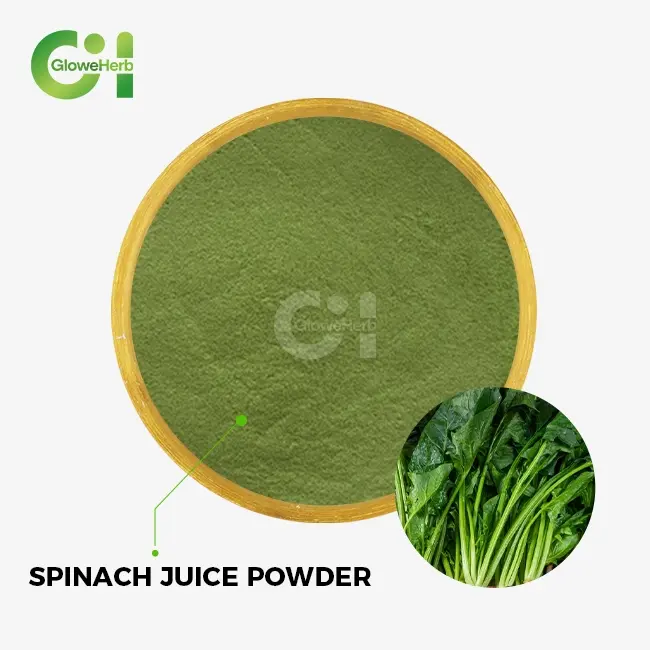
- Spinach Juice Powder in Sports Nutrition: A Smart Choice?
- Is Your Cowpea Powder Tested for Purity and Safety?
- White Willow Bark Extract Powder: Bulk Supply Buying Guide
- Angelica Sinensis Extract Powder Buying Guide: What to Look For?
- Is Radix Rehmanniae Extract Good for Metabolic Health?
- Why Chamomile Extract Is a Top Natural Antioxidant?
- Can Ginseng Plant Extract Enhance Energy Naturally?
- Does Mimosa Root Bark Extract Support Wound Healing?