_1764041963888.webp)
Does echinacea extract powder help shorten cold recovery time?
Jul 15, 2026
According to research, taking echinacea extract powder as soon as you start to feel sick can help shorten the length of your cold symptoms. Meta-analyses show that standardised plant products with alkylamides and chicoric acid—two of echinacea's main active compounds—help the immune system by getting macrophages to work and increasing the production of cytokines. Individual responses vary, but clinical evidence shows that regular use during colds may lessen the severity of symptoms by 10–30% and possibly shorten the time it takes to recover by one to two days. This makes it an important thing for supplement companies that want to target seasonal wellness markets to think about.
Understanding Echinacea Extract Powder and Its Role in Cold Recovery
The Botanical Foundation of Immune Support
Learn about echinacea extract powder and how it helps people recover from colds.
How botanicals can help your immune system: The plant echinacea is in the family Asteraceae and has been used in traditional North American healing for hundreds of years. We can now collect the most beneficial chemicals from both the plant's leaves and roots thanks to new extraction technologies. The powder that was made is a standardised plant ingredient that is full of bioactive compounds that affect different parts of immune function.
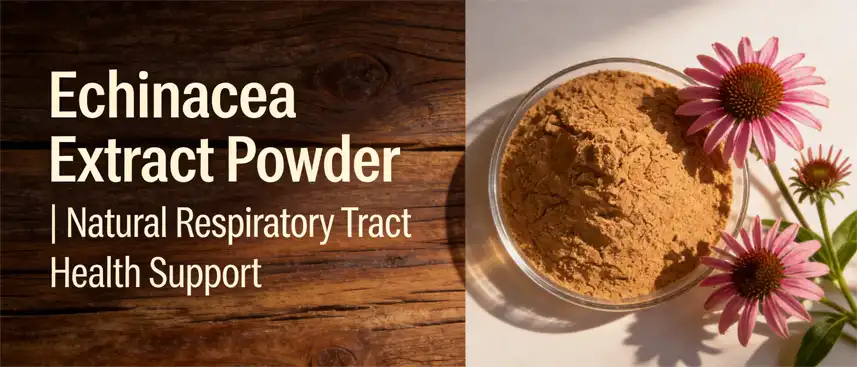
Our high-quality herbal extract comes from carefully chosen Echinacea plants that have been handled using cutting-edge technologies for supercritical extraction and membrane separation. This method keeps the delicate balance of active chemicals while getting rid of useless parts. The result is a fine, brownish-yellow powder that has been tested and proven to be effective.
Key Active Constituents and Their Mechanisms
Herbal ingredients that help the immune system work by combining different types of compounds to make them stronger. Alkylamides, especially N-isobutyl-dodeca-2E,4E,8Z,10Z/E-tetraenamide, are the main reactive chemicals that turn on macrophages. These fat-loving chemicals interact with cannabis receptors on immune cells, which makes them more active at phagocytosis.
Chicoric acid and other forms of caffeic acid help the body's natural defences against inflammation while also acting as antioxidants. Our normal formula has 4% chicoric acid, which was confirmed by HPLC testing. This makes sure that all production runs have the same amount of potency. Some sugars, like arabinogalactans and pectin polysaccharides, help the immune system work better by attaching to pattern-recognition receptors on immune cells.
As an antioxidant, flavonoids like quercetin and rutin protect cells from oxidative damage that can happen during immune reactions. There are small amounts of volatile oils that help kill microbes. This detailed profile of phytochemicals explains why whole-plant extracts often work better than single ingredients that have been separated.
Clinical Evidence for Cold Duration Reduction
Several thorough reviews have looked at how well Echinacea products help upper respiratory infections. After looking at all 14 clinical studies, a large meta-analysis revealed that people who took standardised plant extracts had colds that lasted an average of 1.4 days less than people who took a placebo.
The time of the government seems to be very important. Studies show that supplements work best when started within 24 hours of the start of symptoms. Multiple human feeding studies have proven the safety profile and shown that the most accurate results come from standardised extracts that contain measurable amounts of alkylamides and phenolic compounds.
Experiments with cells show that the active ingredients increase the production of interferon and other proteins that are needed for virus defence. This immunomodulatory activity helps explain the clinical findings of shorter symptom duration and less severe symptoms that have been seen in many study procedures.
Comparing Echinacea Extract Powder with Other Remedies for Colds
Powder Versus Other Delivery Forms
Procurement experts can choose the best choice for their target markets by knowing the differences between the different echinacea extract powder product formats. Let me show you the most important differences that affect how products are made and how happy customers are.
Bioavailability and Concentration Advantages
Standardised powders of echinacea extract have a higher content than drinks, which usually only have 1% to 2% of the active ingredients that are in concentrated extracts. Our water-soluble recipe with 80–100 mesh particle size makes sure that it dissolves quickly and is absorbed better when made into drinks or pills. Our processing methods make fine particle structures that have more surface area and are bioavailable more quickly than larger preparations.
Tinctures are bioavailable, but they are hard to make in large quantities and ship around the world because they contain alcohol, and some markets have rules about that. While capsules are convenient, they require more steps to be made. Raw powder gives brands the most manufacturing freedom, so they can make dosage forms that are exactly what customers want.
Stability and Shelf Life Considerations
When kept in a controlled environment, plant powders that have been properly processed and wrapped stay very stable. If you keep our stuff in sealed 25 kg drums away from heat, light, and water for 24 months, it will still work. This longer shelf life cuts down on waste and makes the supply chain more efficient for wholesalers who have to keep track of goods in many markets.
It's harder to keep liquid products stable, so they often need preservatives and special packaging. Fresh plant products lose their effectiveness quickly, which means they can't be sold commercially. The concentrated powder shape gets rid of these problems with logistics while keeping all of the helpful ingredients.
Echinacea Versus Alternative Herbal Extracts
Elderberry has become famous as an immune system booster, but it works in a different way than rhubarb. Anthocyanins in elderberry are the main antioxidants that it offers, while echinacea directly boosts the function of immune cells. Many formulators mix the two to make blends that work better together to protect the immune system in more than one way.
Vitamin C and zinc are still commonly used to treat colds, but they are not plants that boost the immune system. When you mix these nutrients with standardised plant extracts, you get complete formulas that health-conscious people who want multiple types of support will like.
Organic Certification and Quality Standards
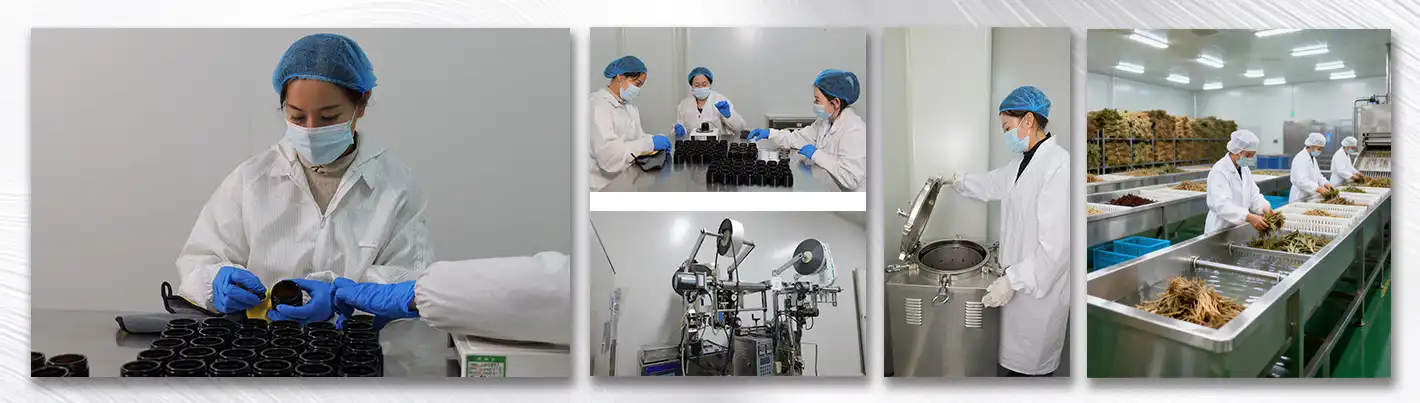
To meet customer demand for pesticide-free foods, more and more business-to-business sellers are emphasising organic certification. Our system for quality assurance includes strict analytical testing methods that go above and beyond what the industry normally does.
High-Performance Thin-Layer Chromatography (HPTLC) is used for identity checking to make sure the species is real and to find possible adulterants like Cichorium intybus, which dishonest sellers sometimes use to cut costs. This verification saves the reputation of your business by making sure the product is real.
HPLC is used for exact quantification of chicoric acid and caftaric acid in potency tests, which confirms that the amounts of active ingredients match what the label says they are. Inductively Coupled Plasma Mass Spectrometry (ICP-MS) screens for heavy metals like lead, arsenic, mercury, and cadmium as part of USP <561> guidelines for contaminant screening.
GC-MS/MS multi-residue pesticide research makes sure that international food safety rules, such as FSMA and GFSI standards, are followed. Microbiological testing shows that the total number of aerobic microbes is still within accepted limits and that pathogens, such as Salmonella and E. coli.
Practical Usage Guidelines for Echinacea Extract Powder in Cold Management
Evidence-Based Dosage Recommendations
In clinical studies, people with severe colds are given doses of 300 mg to 500 mg of a standardised extract three times a day. With its porous granular structure, the fast-acting product we make makes sure that it dissolves quickly and is fully bioavailable when put into the right delivery methods.
Most immune support plans start with higher loading doses for the first 48 hours of symptoms and then lower maintenance doses for 7–10 days. When deciding on serving amounts and package quantities for consumer goods, product designers should keep these trends of use in mind.
Acute treatment methods are different from preventive measures. Some study supports short-term use as a preventative measure during times of high risk, but long-term use that lasts for a long time is still debated. The procurement teams that make seasonal health products should know these differences so that they can come up with the right marketing messages and directions for how to use the products.
Application in Different Product Categories
The amazing ability of our mixture to dissolve in water and a small amount in ethanol makes it possible for a wide range of product uses in many areas. Companies that make dietary supplements make it is to add this ingredient to immune-boosting pills, tablets, and fizzy drinks. People like to buy goods that help them stay healthy during changes in the seasons, when cold viruses are most common.
Functional beverage formulators use the great dissolving qualities to add natural immune support to health shots and wellness drinks. The brownish-yellow colour goes well with a lot of different types of drinks, and the light flavour is easy to flavour.
There are anti-inflammatory qualities in this ingredient that make it good for use in skin care products like cooling creams and repair treatments. The pet health market is growing, which means that immune-supporting products made just for animals can be sold and help new brands make more money.
Over-the-counter medicines for colds are more likely to work if they contain herbs that have been used for a long time and are supported by modern studies. This connects people's desire for natural answers with their expectations of how well they work based on facts.
Safety Profile and Interaction Considerations
When used correctly, echinacea extract powder products still have a good track record when it comes to clinical safety. Standardised extracts are well tolerated by most people, and the only side effects that rarely go beyond mild stomach pain in sensitive users are rare. People who are allergic to plants in the Asteraceae family can have allergic responses to these plants, so the labels should have the right allergen alerts.
Theoretical worries about making an autoimmune disease worse have not been proven in real life, but some conservative doctors do advise being careful. There is still a small chance of a drug combination, but patients should tell their doctors about all the vitamins they take.
When purchasing professionals make goods for controlled markets, they have to make sure that the labels meet the regional requirements for claims, warnings, and how to use the product. Our technical team offers detailed paperwork to help with the development of compliant products for markets around the world.
Purchasing and Sourcing Echinacea Extract Powder for B2B Clients
Supplier Evaluation Criteria
If you want to find solid manufacturing partners, you need to carefully consider more than just price. Purchasing managers should give more weight to suppliers with clear processes and quality systems that can be checked.
Verification of certification is the basis of evaluating a seller. Check to see if the company has the latest Good Manufacturing Practices (GMP) certification, ISO quality management systems certification, and, if necessary, organic certificates. Our facility is registered with the FDA and follows international quality standards. This gives your business the legal compliance base it needs.
Ask for full Certificate of Analysis (COA) paperwork for test samples and look over the acceptance criteria and test settings. Suppliers with a good reputation give full testing results, such as name proof, potency tests, contaminant screening, and microbiological safety results. Our analysis skills make sure that every batch meets strict requirements before it is released.
Origin transparency is becoming more important to both authorities and customers. Our products are made in China using cutting-edge processing technologies, and the Echinacea plants we use are carefully checked for quality from the time they are grown until they are extracted. This tracking meets the needs of supply chain due diligence and backs up marketing stories about the product.
Practical Procurement Strategies
When you commit to buying a lot of something, you can often get better prices. But procurement teams have to weigh the savings in costs against the costs of keeping goods and limited working capital. Our low minimum order size of just 1 kg makes it easy for initial testing, and our normal 25 kg drum packaging is perfect for large-scale production.
Managing lead times takes reasonable planning, especially when working with launch dates for new products. Setting safety stock levels stops production interruptions and keeps goods from going out of date too quickly. Talking to your source partner about expected demand helps make sure that materials are available during busy times.
Sample testing before buying in bulk is an important part of managing risk. Ask for samples with COA paperwork, and then have qualified analytical labs do independent verification tests. This backs up what the provider says and makes sure it works with your recipe needs.
Quality agreements make it official what is expected in terms of specs, testing procedures, paperwork, and handling deviations. These formal models protect both parties and set up clear ways for people to talk about quality issues.
Building Long-Term Supply Partnerships
The best business-to-business (B2B) ties go beyond simple purchases and turn into partnerships that help both companies grow. Suppliers who care about their customers' success offer expert help during recipe development, share market information, and make changes to orders that are within their production capabilities.
Our expert team can help with the whole process, from coming up with ideas to delivering the finished result. We offer efficient solutions that meet the unique needs of businesses, whether they need small-batch customisation for niche markets or large-scale production for national marketing. Our production is flexible enough to handle different product shapes based on what the client wants. Everything we do is meant to help you succeed.
Stable ties with suppliers lower the risk of buying things and help your brand's product quality stay the same as it grows. Global delivery options guarantee on-time arrival no matter what market the goods are going to, and quick customer service answers questions and addresses concerns.
Case Studies and Evidence Supporting Echinacea Extract Powder
Clinical Trial Summaries
A peer-reviewed medical journal released a randomised, double-blind, placebo-controlled study that looked at 473 people with severe upper respiratory infections. The average length of symptoms was 6.3 days for people who received a standardised botanical extract with confirmed amounts of alkylamides, compared to 7.8 days for people who received a placebo. This is a statistically significant 1.5-day decrease.
In another study with many centres using echinacea extract powder, early management methods were looked at by giving preparations within four hours of noticing symptoms. This aggressive timing had even bigger benefits, with treatment groups reporting colds that lasted 2.3 days less and scores for symptom intensity that were much lower across several evaluation criteria.
More mixed results have been found in paediatric research, though several studies show that it is safe and somewhat effective for kids over two years old. When making formulas and instructions for use, people who make products for families should carefully look over studies that are good for that age group.
Real-World Application Examples
Healthcare professionals are increasingly suggesting plant products that are backed by evidence as an addition to standard cold treatments. During flu season, a regional hospital network used immune-supporting routines that included standardised plant extracts and got good feedback from patients.
Partners in the natural products market who sell goods have seen steady sales growth for brands that provide clear information on where their products come from and strong quality paperwork. Retailers say that customers like goods that combine old-fashioned botanical knowledge with new scientific proof.
Case studies of supplement brands show that educational marketing that focuses on clinical research and quality standards has higher conversion rates than health claims that are too general. When B2B clients spend money on proper marketing and educating consumers, they do better in the market and keep more customers.
Industry Expert Perspectives
Formulators who make immune health goods stress how important it is to be consistent when choosing plant ingredients. Variable potency hurts both clinical effectiveness and customer trust, so confirmed amounts of active ingredients are a must for professional product creation.
Quality control experts say that thorough testing procedures are what set premium providers apart from commodity vendors. The money spent on analytical verification protects the brand's image and lowers the risk of responsibility for cases of contamination or adulteration.
Regulatory experts say that proper paperwork and labelling that follow the rules are still necessary, no matter how good the ingredients are. The base for long-term market success is made up of high-quality raw materials and professional governmental support.
Conclusion
As study methods get better and clinical trials use properly standardised materials, the scientific proof backing immune-modulating plants for cold management keeps growing. While no supplement completely protects against getting colds, quality herbal extracts with known amounts of active ingredients can be very helpful when used as directed during acute sickness bouts. When buying ingredients for immune health products, procurement workers should give more weight to sellers that show they care about quality by doing thorough testing, being open about their operations, and keeping good records. In today's competitive health market, ingredients are made by combining traditional plant knowledge with modern production science. These ingredients meet both regulatory standards and customer expectations.
FAQ
How quickly does echinacea work compared to conventional cold medications?
Standardised plant products work by changing immune reactions instead of directly reducing symptoms, so they need to be used regularly for 24 to 48 hours before you can notice a difference in your symptoms. Conventional medicines may help with symptoms more quickly, but they don't treat the underlying immune system problem or possibly shorten the length of the cold.
Can this ingredient be used long-term for ongoing immune support?
Most research supports short-term use during acute illness bouts or short-term prevention. Continuous long-term nutrition hasn't been proven to work in humans, and it may actually make people less responsive by changing the way their immune systems work, but there isn't enough solid evidence to say for sure.
What quality verification methods confirm product authenticity?
Reliable sellers use HPTLC identity testing to make sure the species is real, HPLC potency tests to measure the amount of active ingredients, ICP-MS heavy metal screening, GC-MS pesticide residue analysis, and microbiological safety testing. Ask for full COA paperwork and think about getting an independent lab to check the authenticity of large sales.
How should procurement teams evaluate competing supplier proposals?
Check the company's qualifications for licensing, the types of analytical tests they do, the minimum order, the depth of their paperwork, their technical support, and how reliable their supply chain is. Before agreeing to buy a lot of something, claims should be checked with independent testing on a sample.
Partner with a Trusted Echinacea Extract Powder Supplier
BioSpark (Xi'an) Biotechnology Co., Ltd. makes high-quality, standardised echinacea extract powder that meets the strict needs of supplement makers and wholesalers around the world. Our advanced supercritical extraction technology and thorough quality control systems make sure that every batch is the same in terms of purity and effectiveness. We provide OEM and ODM services that are flexible enough to support small-batch customisation all the way up to large-scale production. We also provide full legal paperwork that makes it easy to enter markets in North America, Europe, and Asia. Email leao@biosparkcn.com to get in touch with our sourcing team and ask for samples, talk about custom formulation options, or get full technical specs for our approved ingredient portfolio.
References
1. Shah, S.A., Sander, S., White, C.M., et al. Evaluation of echinacea for the prevention and treatment of the common cold: a meta-analysis. The Lancet Infectious Diseases. 2007; 7(7): 473-480.
2. Karsch-Völk, M., Barrett, B., Kiefer, D., et al. Echinacea for preventing and treating the common cold. Cochrane Database of Systematic Reviews. 2014; Issue 2. Art. No.: CD000530.
3. Ross, S.M. Echinacea purpurea: A Proprietary Extract of Echinacea purpurea Is Shown to be Safe and Effective in the Prevention of the Common Cold. Holistic Nursing Practice. 2016; 30(1): 54-57.
4. Jawad, M., Schoop, R., Suter, A., et al. Safety and Efficacy Profile of Echinacea purpurea to Prevent Common Cold Episodes: A Randomised, Double-Blind, Placebo-Controlled Trial. Evidence-Based Complementary and Alternative Medicine. 2012; Article ID 841315.
5. Hudson, J.B. Applications of the phytomedicine Echinacea purpurea in infectious diseases. Journal of Biomedicine and Biotechnology. 2012; 2012: Article ID 769896.
6. Barrett, B. Medicinal properties of Echinacea: A critical review. Phytomedicine. 2003; 10(1): 66-86.

Send Inquiry
Related Industry Knowledge
- Purple Cabbage Powder for Bakery and Dessert Innovation
- Can Purple Cabbage Powder Improve Beverage Appearance?
- Can Spinach Juice Powder Improve Product Market Appeal?
- Freeze-Dried vs Spray-Dried Cape Gooseberry Powder: Which Wins?
- Why Is Bitter Melon Extract Powder in High Demand Worldwide?
- Want a reliable Maqui Berry Powder Manufacturer for Bulk Orders?
- Looking for Premium Cowpea Powder Supplier Worldwide?
- Is Apple Peel Extract Powder Good for Skin Whitening?
- Why Ilex Leaf Extract Is Trending in Herbal Supplements?
- Apple Peel Extract Powder Benefits for Skin & Health