_1764041963888.webp)
Can Purple Cabbage Powder Improve Beverage Appearance?
Jun 19, 2026
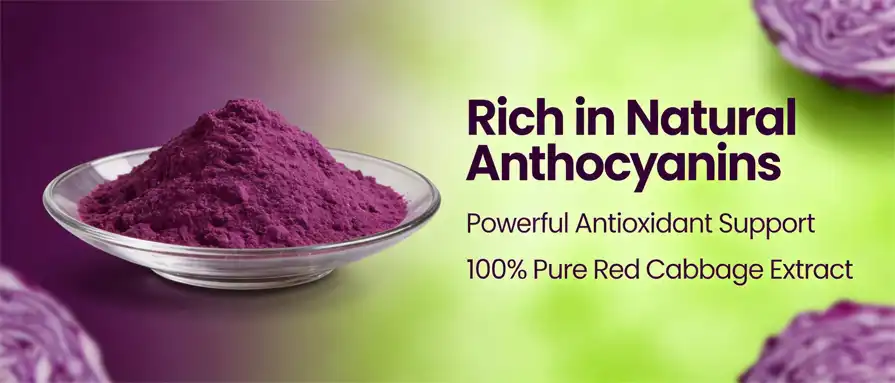
Purple cabbage powder definitely makes drinks look better because it adds bright, pH-sensitive natural color that runs from deep purple tones to bright pink and blue. This plant-based colorant has a lot of anthocyanins, which are the pigments that give berries and red wine their strong colors. These pigments make the color stand out and also have health benefits. This ingredient, which is natural instead of synthetic dyes, helps beverage companies meet customer demand for "clean-label" goods while also creating the "Instagrammable" look that drives modern beverage sales.
Understanding Purple Cabbage Powder and Its Visual Properties
Making this natural colorant is the first step in understanding how it works scientifically. Modern methods for extracting plants concentrate the anthocyanin-rich parts of fresh purple cabbage into a fine powder that is dark purple to purplish-black. Thin-Layer Chromatography (TLC) tests show that BioSpark's extraction process keeps a 10:1 concentration ratio. This makes sure that every batch has the same level of strength and color performance. This standard guideline makes sure that makers can count on getting consistent results when they make drinks.
The Chemistry Behind the Color
Flavonoids that change color based on pH levels are called anthocyanins. When they are in acidic conditions (pH 3–4), they turn bright red and pink. They change to purple tones when the pH level is normal, which is around pH 7. They change to blue and green shades when the pH level is between 8 and 10. Because it is so flexible, beverage makers can use a single ingredient to make a wide range of visual effects. This is something that manmade colorants can't do as well.
Comparing Natural Colorants
As natural colorants, beetroot powder and spirulina have become more common. However, anthocyanin-rich products have their own benefits. Beetroot tends to turn colors that are dark and brownish. It also has a strong vegetable flavor that can mess up the taste of drinks. While spirulina adds blue-green tones, it also adds grassy, seaweed-like notes. Our vegetable-based extract keeps its fresh smell without overpowering the intended flavor profile. This makes it perfect for fruit-based drinks, health drinks, and functional formulas where taste integrity is important. Because this ingredient dissolves easily in water, it works well in drinking systems. This powder mixes easily in water, unlike oil-based colorants that need emulsifiers. This makes production easier and cuts down on the need for extra stabilizers.
How Purple Cabbage Powder Can Enhance Beverage Appearance
On store shelves, where visual differences are what make people buy, beverage companies have to deal with a lot of competition. Consumer studies regularly show that color affects how people taste things and their decision to buy them. This is especially true for health-conscious beverages, where bright colors indicate high nutritional density.
Application Across Beverage Categories
Smoothies that are already made are greatly improved by the deep purple colors that show vitamin content. Protein shakes sell better when they aren't just beige or dark brown. They become more appealing when they come in fun colors. Functional health shots use strong color richness to show how effective and potent they are. Even classic drinks like lemonades and iced teas can be rethought with new color combinations that stand out and make people want to try them. Anthocyanins can react with pH, which makes it possible to make drinks that change color when mixed. When mixed with acidic juices or alkaline waters, dry drink mixes can change color. This makes for an interesting experience for customers that leads to content for social media and word-of-mouth marketing.
Texture and Mouthfeel Considerations
In addition to its visual effect, this fine powder gives drinks a slight body without making them gritty or causing settling problems that can happen with some plant-based ingredients. The particle size and solubility make sure that produced goods have a smooth solution. When it's made right, customers get clean taste delivery without any textural distractions. Companies that make high-speed bottling lines like it when plant extracts are properly handled so that they stay stable during filling. Our product goes through a lot of tests to make sure it works well in production settings, such as cold-filling and moderate-temperature processing.
Nutritional Fortification as a Secondary Benefit
The main benefit is that it makes you look better, but the anthocyanin substance also has antioxidant action that can be measured. Researchers who wrote papers in food science journals have shown that these compounds can remove radicals from the body. These compounds still work in finished drinks. This dual purpose—aesthetic appeal plus nutritional benefit—supports marketing claims and allows for higher prices in competitive markets.
Procurement Insights: Selecting and Sourcing Purple Cabbage Powder for Beverage Manufacturing
When looking for botanical products, people who work in B2B buying have to think about a lot of things, including purple cabbage powder. Differences in quality between providers can have a big effect on the consistency of production and the image of a business. Knowing the important selection factors helps protect investments and makes sure that the supply chain will work reliably in the long run.
Quality Standards and Certifications
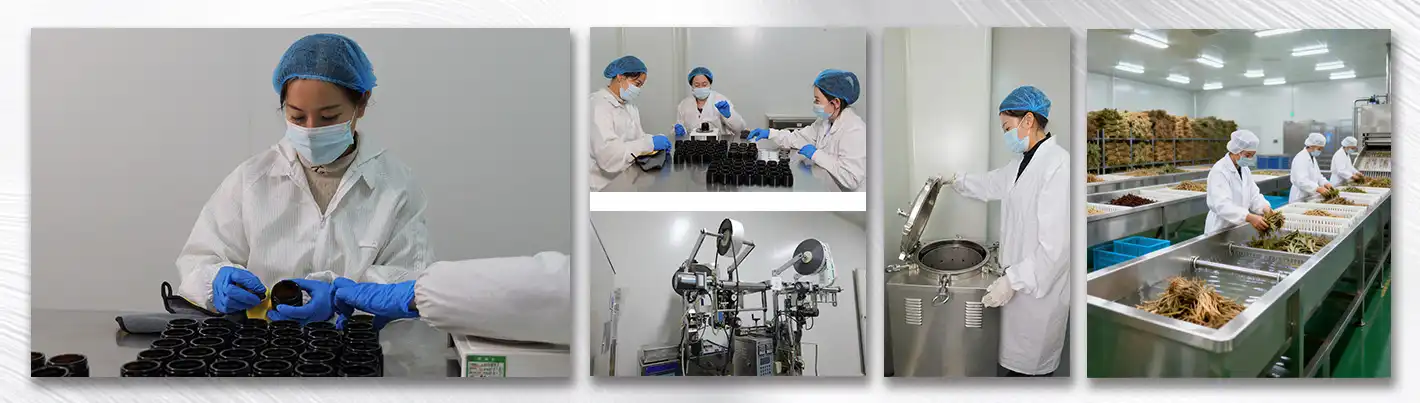
The world regulatory situation calls for a lot of paperwork. Our product has been certified as ISO9001, Kosher, Halal, FDA, and GMP, so it meets the needs of major export markets in North America, Europe, the Middle East, and Southeast Asia. These certificates are more than just pieces of paper; they show that quality control was used throughout the growing, extracting, testing, and packing processes.TLC testing of specifications gives objective proof of the concentration of the active ingredient. This method finds and measures the amount of anthocyanin present, making sure that every 25 kg drum meets the stated requirements. International food safety guidelines say that third-party testing is the best way to make sure of purity and check for heavy metals, contaminants, and bacteria loads.
Evaluating Supplier Capabilities
Reliable partners show freedom in how much they can do for you. We can handle both small-scale tests of new products and large-scale production runs because the minimum order size is only 1 kg. This scalability is very important for both new businesses trying to understand how the market responds and well-known brands releasing limited runs or regional versions. Production delays that can mess up store distribution schedules can be avoided by making sure there is enough stock and quick shipping times. Beyond just supplying ingredients, OEM and ODM can do a lot more. Full-process support includes help with formulation, advice on stability tests, and packing options that are tailored to the needs of each market. Tech teams with a lot of experience can help with application problems, finding the best dosage rates, and answering regulatory questions that come up during product registration.
Pricing and Contract Negotiation
Strategies for setting wholesale prices should find a mix between quality control and lowering costs. While commodity-grade botanical powders may offer lower starting prices, uneven color performance and contamination risks create hidden costs through production waste and customer complaints. Buying verified, approved ingredients from well-known sources lowers the total cost of ownership over the duration of the product. Different shipping methods and tastes can be met by using different delivery terms, such as FOB, CIF, CFR, EXW, DAP, and DDP. Knowing about these choices helps buying teams get the best deals on shipping costs and customs clearance. There are several shipping options, such as fast air freight and sea freight, so customers can choose the one that best fits their needs and budget. For foreign sales, the rules of bank transfers keep the transaction safe.
Applications and Recipe Ideas for Purple Cabbage Powder in Beverages
To turn an ingredient's promise into commercial success, you need realistic formulation advice. Real-world examples show how beverage companies have used this natural colorant to set their products apart from the competition and attract customers.
Formulation Strategies for Maximum Visual Impact
Depending on the color strength you want and the base of your drink, the recommended dose rates for purple cabbage powder are usually between 0.1% and 0.5%. To get bright, see-through colors in clear juice systems, you need lower concentrations. On the other hand, for dark dairy or plant-based milk drinks, you need higher concentrations. During product creation, testing across different pH ranges finds the best acid-alkaline balance for achieving the desired hue. Stability testing in business keeping shows that the color will stay the same over time. Anthocyanins can break down in long-term heat and light exposure, but the right mixture with antioxidant co-factors and the right packaging can keep the color vibrant for longer. Light-sensitive drinks are kept safe in amber or opaque bottles, and expensive goods keep their best visual quality when they are shipped chilled.
Case Studies from Commercial Production
A healthy beverage brand in North America changed the recipe for its line of antioxidant drinks and used this natural colorant instead of artificial FD&C colorants. Consumer tests showed that the "natural" and "clean" perceptions of the ingredient deck made people 34% more likely to buy. The new recipe backed up marketing claims about plant-based health without changing the striking look that had helped people recognize the brand. An Asian bubble tea chain used the powder in their famous milk tea recipes to make limited-edition seasonal drinks that got a lot of attention on social media. The pH change between the anthocyanins and the tea tannins created unique color effects that customers took pictures of and shared, which was organic marketing reach worth many times the cost of the ingredients.
Handling Best Practices for Production Environments
To keep the quality of the ingredients high from getting them to production, they need to be handled in a certain way. Anthocyanin stays stable when stored in cool, dry places out of direct sunlight. Sealed packaging keeps moisture from absorbing, which could make the powder less fluid and increase the risk of microbial contamination. Our 25 kg drum packaging is easy for businesses to use and keeps food fresh through multiple production runs. Techniques for dispersion affect the quality of the result. Adding the powder to the main batch drums before mixing it with small amounts of liquid first makes sure that it is spread out evenly and stops it from sticking. When high-shear mixing is done for the right amount of time, the mixture becomes fully hydrated without adding too much air, which could change the level of fizz in sparkling drinks.
Conclusion
Depending on the color strength you want and the base of your drink, the recommended dose rates for purple cabbage powder are usually between 0.1% and 0.5%. To get bright, see-through colors in clear juice systems, you need lower concentrations. On the other hand, for dark dairy or plant-based milk drinks, you need higher concentrations. During product creation, testing across different pH ranges finds the best acid-alkaline balance for achieving the desired hue. Stability testing in business keeping shows that the color will stay the same over time. Anthocyanins can break down in long-term heat and light exposure, but the right mixture with antioxidant co-factors and the right packaging can keep the color vibrant for longer. Light-sensitive drinks are kept safe in amber or opaque bottles, and expensive goods keep their best visual quality when they are shipped chilled.
FAQ
Does Purple Cabbage Powder Maintain Color During Pasteurization?
The pH level, time, and temperature of contact all affect how stable anthocyanin is. When the pH of the liquid stays below 4.5, moderate pasteurization processes (72°C for 15 seconds) usually keep 85 to 95% of the original color strength. Degradation speeds up when temperatures are higher or contact times are longer. We suggest that you do stability tests on a bench that are similar to the conditions of your production. Our expert team can give you advice on ways to protect yourself, such as using antioxidants and adjusting the pH to the right level.
Can This Ingredient Work in Carbonated Beverages?
Carbonation compatibility has been shown to work in several business settings. Because it dissolves easily in water and has small particles, it doesn't settle to the bottom as some plant additives do. Keeping the pH level acidic (which is common in fizzy soft drinks) actually makes colors brighter and more stable. Adding to carbonation processes follows standard procedures and doesn't need any special equipment changes.
What Certifications Support International Market Access?
The regulations in all of the big areas are met by our wide range of certifications. Documentation from ISO9001 shows that the quality control system is being followed. Kosher and Halal licenses make it easier to sell in places where people follow strict religious rules. FDA registration lets you sell your products in the U.S. market, and GMP approval makes sure that your manufacturing processes meet standards for pharmaceuticals. Full paperwork kits help with the processes of clearing customs and registering products all over the world.
Partner with BioSpark for Premium Purple Cabbage Powder Supply
BioSpark gives you reliable, approved ingredients that make your drinks taste better and meet the highest international standards. Our anthocyanin-rich veggie extract goes through strict TLC tests to make sure it has the 10:1 concentration ratio you need for consistent color performance from batch to batch. As a Purple cabbage powder producer with a lot of experience, we offer full OEM/ODM support from formulation advice to final delivery, and our minimum order size is as low as 1 kg. Email our purchasing team at leao@biosparkcn.com to get samples, talk about unique requirements, or get discount prices for your next production run.
References
1. Khoo, H. E., Azlan, A., Tang, S. T., & Lim, S. M. (2017). Anthocyanidins and anthocyanins: colored pigments as food, pharmaceutical ingredients, and the potential health benefits. Food & Nutrition Research, 61(1), 1361779.
2. Castañeda-Ovando, A., Pacheco-Hernández, M. L., Páez-Hernández, M. E., Rodríguez, J. A., & Galán-Vidal, C. A. (2009). Chemical studies of anthocyanins: A review. Food Chemistry, 113(4), 859-871.
3. Sigurdson, G. T., Tang, P., & Giusti, M. M. (2017). Natural colorants: food colorants from natural sources. Annual Review of Food Science and Technology, 8, 261-280.
4. Wrolstad, R. E., & Culver, C. A. (2012). Alternatives to those artificial FD&C food colorants. Annual Review of Food Science and Technology, 3, 59-77.
5. Rodriguez-Amaya, D. B. (2016). Natural food pigments and colorants. Current Opinion in Food Science, 7, 20-26.
6. Sui, X., Dong, X., & Zhou, W. (2014). Combined effect of pH and high temperature on the stability and antioxidant capacity of two anthocyanins in aqueous solution. Food Chemistry, 163, 163-170.

Send Inquiry
Related Industry Knowledge
- What Are the Uses of Egg Yolk Fruit Powder in Foods?
- Is Natural Blueberry Extract Powder Rich in Anthocyanins?
- Searching for High-Purity Holy Berry Powder in Stock?
- Could Cowpea Powder Enhance Protein-Rich Product Lines?
- Does Garcinia Cambogia Extract Suppress Appetite Naturally?
- What Is Papaya Leaf Extract Powder and How Does It Work?
- Rosa Roxburghii Extract for Functional Nutrition Trends
- Can Mimosa Root Bark Extract Calm Irritated Skin?
- Can Fulvic Acid Powder Improve Gut Health Naturally?
- Does Pure Corn Extract Powder Help Maintain Healthy Blood?