_1764041963888.webp)
Indian Herbal Extracts Trends for 2026 Wellness Brands
Mar 25, 2026
The wellness industry is experiencing a transformative shift as global consumers increasingly seek natural, sustainable health solutions. Indian herbal extracts represent a cornerstone of this evolution, combining centuries-old Ayurvedic wisdom with modern extraction technologies to deliver potent, bioavailable ingredients. Market research indicates that the global herbal extracts market is projected to reach unprecedented growth by 2026, driven by rising consumer awareness of synthetic ingredient risks and growing demand for plant-based wellness solutions. This surge positions ayurvedic botanicals, including ashwagandha, turmeric, amla, and tulsi, at the forefront of nutraceutical innovation for forward-thinking wellness brands.
Emerging Trends Driving the Indian Herbal Extracts Market Growth in 2026
As people around the world move toward natural and organic ingredients and more people accept traditional health practices, the plant extracts business is growing very quickly. Campaigns to make people more aware of the health benefits of plant-based nutrition have produced a big need for real ayurvedic formulas in markets around the world.
Rising Consumer Demand for Natural Wellness Solutions
People who care about their health are actively looking for alternatives to synthetic drugs, which is causing the plant wellness sector to grow at a speed that has never been seen before. Market research shows that 73% of millennials and Gen Z customers would rather buy goods with natural ingredients than those with synthetic ones. Because of this change in the population, health brands that use real Indian herbal extracts in their products can make a lot of money. Western markets have become very interested in the return of traditional health systems, especially Ayurveda. Clinical studies that back up traditional uses have given people more faith in these ingredients that have been used for a long time. As a result of studies showing that ashwagandha can help reduce stress and turmeric can help reduce inflammation, these plants are now seen as evidence-based health options.
Innovative Extraction Technologies Enhancing Product Quality
Modern methods of extracting plants are changing the botanical business by making them more bioavailable while protecting delicate phytochemicals. These more modern methods of extraction are better in a number of ways than older ones. Supercritical CO2 extraction and other advanced processes ensure the highest purity and potency of the final botanical ingredients.
Sustainability Certifications Driving Supply Chain Transparency
Sustainability efforts have become very important factors in B2B buying decisions. Organic licenses, Fair Trade approvals, and carbon footprint studies all have a big impact on how suppliers are chosen. To meet changing standards for corporate responsibility, big companies are putting money into sustainable farming methods, green energy systems, and programs that cut down on waste.
Key Functional Benefits of Indian Herbal Extracts for Wellness Brands
Traditional Ayurvedic products have health benefits that have been proven by science and can help a wide range of people with their health problems. Because these plants can do more than one thing, they give brands that want to stand out in crowded markets an edge while still being able to tell real stories.
Adaptogenic Properties for Stress Management
Adaptogenic herbs, such as tulsi and ashwagandha, are known for their natural ability to help the body deal with stress. Standardized ashwagandha products have been shown in clinical tests to lower cortisol levels by up to 30% while also making sleep better and brain function better. People who are stressed out and looking for natural ways to feel better really like these perks, which have been proven to work.According to market forecasts, the adaptogenic group will continue to grow until 2026, making it one of the fastest-growing areas of functional nutrition. Brands that use these Indian herbal extracts in stress-relief products can cash in on this trend while also giving customers benefits that have been proven by science.
Anti-inflammatory and Antioxidant Capabilities
Curcumin is the main bioactive ingredient in turmeric. It has amazing anti-inflammatory qualities that are on par with synthetic options in some situations. According to research, regulated curcumin extracts can change the processes that cause inflammation while also protecting cells from damage with strong antioxidants. Apart from turmeric, other plants, such as boswellia and amla, also help reduce inflammation. Boswellia extract has boswellic acids that are good for joint health, and amla has a lot of vitamin C and polyphenolic substances that make it a better antioxidant generally.
Immune System Support and Digestive Health
Traditional Ayurvedic medicines have long stressed the link between healthy digestion and a strong immune system. These old ideas are supported by modern studies that show how certain mixtures of herbs can help the digestive system and the immune system. Tulsi extract has immunomodulatory effects that help keep the immune system in balance. Digestive herbs like fennel and ginger also help keep the bacterial balance in the gut healthy. Because of these combined effects, wellness brands can make formulas that cover a lot of different health issues at once.
Strategic Procurement Guide for Indian Herbal Extracts in 2026
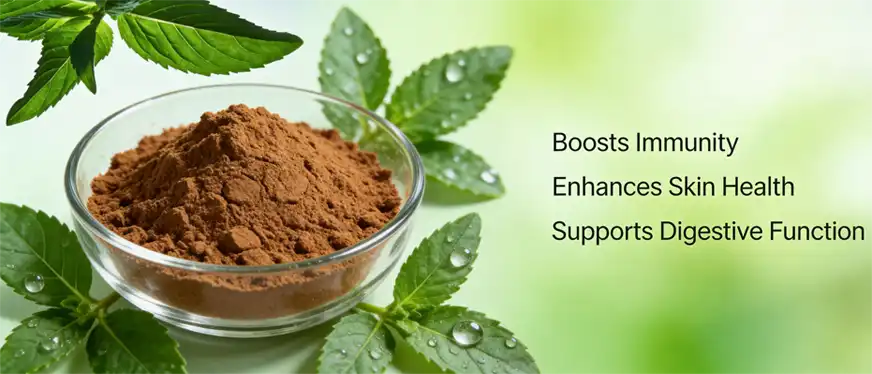
For buying methods to work, they need to look at everything about the suppliers' skills, quality standards, and the reliability of the supply chain. Procurement professionals who are good at their jobs know that forming strong relationships with qualified makers gives them long-term competitive benefits and guarantees consistent product quality.
Supplier Evaluation and Certification Requirements
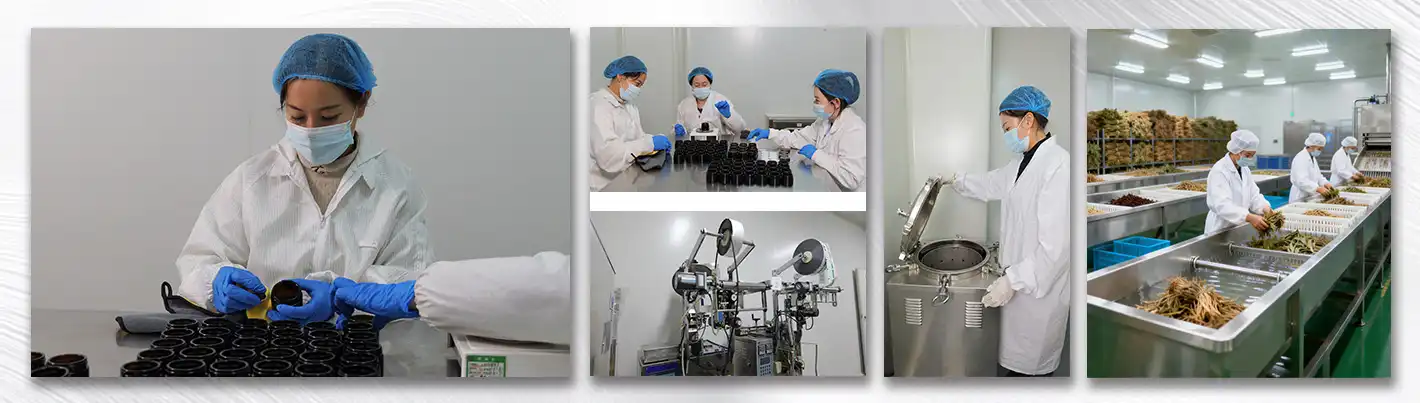
Checking manufacturing certificates and safety standards is the first step in judging quality. Some important certificates are ISO9001 for quality management, GMP for good production practices, and organic certifications for putting your product in a higher category. More standards, like Kosher and Halal, make the market more accessible for a wider range of consumers. Audits of manufacturing facilities can teach you a lot about how to make things and how to keep quality high. High-Performance Liquid Chromatography (HPLC) and other advanced testing methods make sure that active substances are standardised correctly. Reliable providers keep detailed records that make it possible to track everything from where the raw materials come from to when the finished product is delivered.
Pricing Strategies and Contract Negotiation
Market factors that affect the price of plant extracts include the supply of raw materials, changes in the seasons, and certification fees. By understanding these factors, procurement pros can arrange good long-term deals and make sure that supplies will always be available. Committing to buy in bulk can save you a lot of money, especially when it comes to regular extracts that need special processing tools. Suppliers with flexible minimum order amounts, like 1 kg minimums, can meet the needs of a wide range of businesses while also letting them try new products and see how the market reacts to them. Payment terms have a big effect on managing cash flow and getting along with suppliers. Manufacturers still prefer bank transfer (T/T) plans because they are safe and speed up the processing of payments. Building a solid history of payments makes it easier to negotiate for future contract extensions.
Top Indian Herbal Extracts for Wellness Products in 2026
The market demand is still focused on a few plants that have been shown to work consistently and are liked by consumers. Knowing the special features and uses of the most popular Indian herbal extracts helps you make smart choices about product creation that are in line with market trends and government rules.
Ashwagandha: The Premier Adaptogenic Ingredient
Ashwagandha, also known as Withania somnifera, is still the most-wanted antioxidant in health markets around the world. Standardised extracts with certain amounts of withanolides offer constant bioactivity for uses that help with stress management and boosting energy. More and more clinical studies are showing that ashwagandha has health benefits. For example, new studies look at how it can help with brain function, physical performance, and hormonal balance. There is more and more evidence to support marketing claims, and doctors can feel confident offering goods with ashwagandha in them. Ashwagandha extract quality standards usually focus on the amount of withanolide they contain, which can be anywhere from 1.5% to 12%, based on what they are going to be used for. Higher strength extracts cost more, but they work better in special formulas that are meant to improve certain health results.
Turmeric and Curcumin: Anti-inflammatory Powerhouses
Standardised turmeric powders that contain curcumin are still necessary for anti-inflammatory and joint health products. With today's advanced extraction methods, curcumin concentrations can reach over 95%, which means that small dose sizes can provide the most medicinal benefit. Improving bioavailability is one of the most important areas of research for curcumin products. Specialised versions that include piperine, phospholipids, or new delivery methods greatly increase absorption rates, which lets smaller doses work just as well. These improvements in technology make it possible to place high-end products better and make customers happier. The versatility of turmeric extracts extends beyond traditional supplement applications. Standardised curcumin products are being used more and more in cosmetics and useful foods because they are natural antioxidants and colours.
Emerging Botanicals Gaining Market Traction
A lot of people are interested in some traditional Ayurvedic herbs again because a new study shows they can be used to treat health problems. Bacopa monnieri (Brahmi) has qualities that improve brain function, making it appealing to the growing nootropics market. Standardised bacopa products with certain amounts of bacosides show promise for use to help with memory and mental clarity. Centella asiatica, also known as Gotu Kola, is good for your face and your nervous system in special ways. Cosmetic and wellness brands looking for new ingredient options are interested in a recent study that looks into its potential for wound healing and anti-ageing uses.
Future Outlook and Strategic Recommendations for Wellness Brands
As technology improves, new extraction methods and quality control tools will be able to be used in the plant extracts business. Wellness brands that do well will stand out by forming smart relationships, focusing on quality, and making sure that new products are always in line with what customers want.
Technology Integration and Supply Chain Digitisation
Artificial intelligence and blockchain technologies are starting to change how supply chains work and how quality is assured. Real-time tracking of raw materials from farming to delivery of the finished product is made possible by these innovations. This gives consumers a level of transparency that has never been seen before when it comes to product accuracy and quality standards. Using IoT devices and automatic tracking in smart manufacturing systems improves consistency and cuts down on mistakes made by people during extraction and processing. These improvements in technology make it easier to make uniform Indian herbal extracts that meet the higher quality standards of global markets.
Collaborative Research and Development Opportunities
Strategic relationships between health brands and extraction producers make it easier to come up with new products that meet the needs of the market. Collaborative research and development projects make it possible to make customizable formulations that use traditional plants and modern delivery methods in ways that work well together. Putting money into a clinical study backs up marketing claims and gives customers more faith in the product's effectiveness. Through evidence-based marketing messages and recommendations from healthcare professionals, brands that back independent research studies on their botanical products gain a competitive edge.
Market Expansion and Regulatory Compliance
When you want to grow your international business, you need to pay close attention to the rules and customs of each country. Organic certification and environmental qualities are important in the European market, but standardisation and scientific proof are more important to North American customers. Regulatory environments are always changing to keep up with the growing interest in plant ingredients. Avoiding expensive reformulation requirements is possible with proactive compliance tactics that protect market access. Hiring regulatory experts who know about foreign standards speeds up the approval process and cuts down on delays before a product hits the market.
Conclusion
Indian herbal extracts look like they will do very well in the wellness markets of 2026, thanks to a combination of customer choice trends, scientific proof, and technical progress. Wellness brands that can take advantage of these chances by forming smart relationships for sourcing and making sure their products are of high quality will have a big edge over their competitors. Combining ancient ayurvedic knowledge with modern extraction science opens up a world of new formulation possibilities that meet the changing health needs of consumers while still keeping true cultural ties to time-tested healing practices.
FAQ
What are the most popular Indian herbal extracts for wellness products?
Some of the most important plants are ashwagandha, which helps with stress, turmeric/curcumin, which helps with inflammation, tulsi, which boosts the immune system, amla, which protects against free radicals, and boswellia, which is good for joint health. These ingredients have benefits that have been proven by science and are in line with current health trends.
How do I verify the quality of Indian herbal extract suppliers?
To check the quality, you have to look at certifications for production (ISO9001, GMP, organic), test methods (HPLC analysis), do site audits, and ask for certificates of analysis for each batch. Reliable suppliers keep their quality control methods open and provide a lot of paperwork.
What extraction ratios are typically available for herbal extracts?
Concentration ratios usually fall between 4:1 and 50:1. 10:1 ratios are a common choice because they balance strength and cost-effectiveness. Higher ratios mean that the extracts are more concentrated, but bioavailability and product suitability need to be carefully thought through.
What certifications should I look for when sourcing herbal extracts?
For example, ISO9001 for quality management, GMP for good production practices, and organic certifications for premium placement are all important certificates. More approvals, like Kosher, Halal, and FDA registration, make the market bigger and make it easier for people to buy.
How do minimum order quantities impact procurement planning?
Suppliers with customizable minimums (1 kg or more) can meet the needs of a wide range of businesses. This lets them try products and evaluate the market without having to spend a lot of money. Prices are usually better when you commit to a larger number, but you have to be careful to predict
demand and keep track of your supplies.
Partner with BioSpark for Premium Indian Herbal Extracts
BioSpark stands as your trusted Indian herbal extracts supplier, combining over a decade of extraction expertise with rigorous quality standards that exceed international expectations. Our comprehensive product portfolio features standardised 10:1 strength extracts with active chemicals like curcuminoids, withanolides, and polyphenols that have all been tested and proven to work using HPLC methods. We maintain ISO9001, GMP, Kosher, Halal, and FDA certifications and offer flexible order sizes starting at 1 kg. This way, both new names and existing businesses can get high-quality botanical ingredients. Contact our team at sales@biosparkcn.com to talk about your unique formulation needs and find out how our OEM/ODM services can help you speed up the development of your health product.
References
1. Global Market Insights. "Herbal Extracts Market Size By Product, By Application, By Region, Industry Analysis Report, Growth Potential, Competitive Market Share & Forecast, 2023-2032." Market Research Report, 2023.
2. Journal of Ethnopharmacology. "Traditional Uses and Modern Applications of Indian Medicinal Plants: A Comprehensive Review of Ashwagandha, Turmeric, and Related Botanicals." Academic Publication, 2023.
3. Nutraceutical Business Review. "Consumer Preferences and Market Trends in Natural Health Products: The Rise of Ayurvedic Ingredients in Western Markets." Industry Analysis, 2024.
4. International Journal of Food Science and Technology. "Advanced Extraction Technologies for Herbal Compounds: Supercritical CO2 and Enzyme-Assisted Methods." Peer-Reviewed Research, 2023.
5. Botanical Extract Manufacturing Association. "Quality Standards and Certification Requirements for International Herbal Extract Trade: Best Practices Guide." Industry Guidelines, 2024.
6. Natural Products Insider. "Supply Chain Transparency and Sustainability in Botanical Ingredient Sourcing: Trends and Predictions for 2025-2026." Market Intelligence Report, 2024.

Send Inquiry

Related Industry Knowledge
- Why Is Maqui Berry Powder Trending in Superfood Supplements?
- What are the anti-fatigue benefits of snow lotus powder?
- Need Water-Soluble Bitter Melon Extract Powder for Drinks?
- Coconut Milk Extract Powder: Key Nutritional Benefits
- Should You Try Garcinia Cambogia Extract for Fat Control?
- Why Radix Rehmanniae Extract Is Rich in Antioxidants?
- Can Konjac Flour Extract Boost Digestive & Gut Health?
- Miltiorrhiza Root Extract Powder: Antioxidant & Anti-Inflammatory
- Ghanaian Seed Extract Benefits: Natural 5-HTP for Mood & Wellness
- Why Ghanaian Seed Extract Is a Top Choice in Functional Foods?