_1764041963888.webp)
Could Liquorice Extract Powder Improve Your Product Formula?
Jun 01, 2026
Liquorice extract powder can make your product formulas much better in several situations. This flexible plant ingredient comes from the roots of the Glycyrrhiza glabra plant. It provides consistent amounts of glycyrrhizic acid and beneficial flavonoids that solve important manufacturing problems. Liquorice extract standardised to 20% glycyrrhizic acid through HPLC testing has been measured to have benefits, whether you need a natural way to sweeten something without adding calories, a good way to hide the taste of bitter active ingredients, or strong anti-inflammatory qualities for cosmetics. Product makers and sourcing professionals depend on this ingredient more and more to meet the needs of clean labels while still keeping the ingredient's functional effectiveness in food, cosmetics, and nutraceuticals.
Introduction
Choosing the right plant ingredients for your product can make or break how well it does in the market. BioSpark (Xi'an) Biotechnology Co., Ltd. has seen how high-quality liquorice extract powder changes the recipes of health supplement brands, nutrition companies, and wellness product makers all over North America. The global market for plant extracts keeps growing because people want natural ingredients that have been proven to work in supplements and skin care items.
Our main goal is to give botanical solutions that are based on science to manufacturers, original equipment makers (OEMs), and wholesalers. This piece talks about how adding high-quality liquorice extract powder—specifically, our 20% glycyrrhizic acid standardised extract tested via HPLC—can make a product safer, more effective, and more competitive in the market. We will talk about strategic criteria for evaluating ingredients and recipe issues that will help you with your main problems, such as dependable sources, strict quality control, meeting international standards, adaptable production capacity, and steady delivery around the world.
Understanding Liquorice Extract Powder and Its Benefits
Origins and Composition
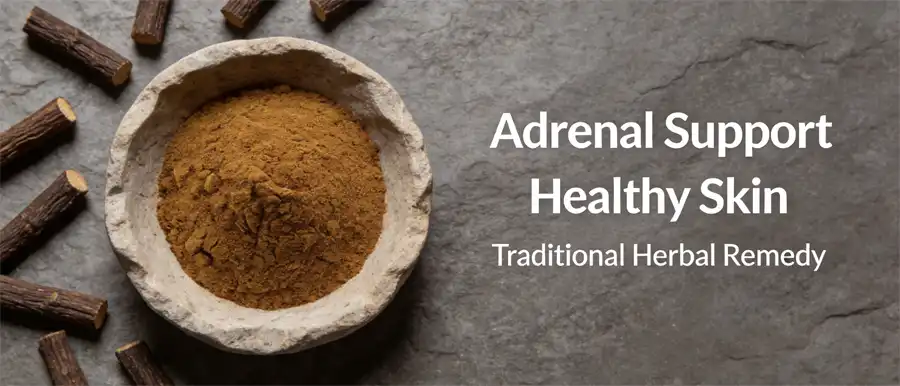
Glycyrrhiza glabra and Glycyrrhiza uralensis roots are carefully chosen to make liquorice extract powder. In contrast to raw root powder, this concentrated extract goes through several steps of processing, such as temperature-controlled extraction, membrane filtration, vacuum concentration, and spray drying. This new method for extracting plants makes a fine powder that is light yellow to yellowish-brown and has particle sizes between 80 and 120 mesh. This powder is very easy to flow through industrial processes.
The main difference is the amount of medicinal substances present. High-Performance Liquid Chromatography shows that our extract has 20% glycyrrhizic acid, which is a level of uniformity that raw plants can't match. This standardisation solves a major problem in procurement: differences between batches that make it harder to keep formulas stable and follow the rules.
Key Bioactive Compounds
Triterpenoid saponins, especially glycyrrhizin, which is very sweet—about 50–200 times sweeter than sucrose—are what give it its therapeutic and useful qualities. This substance has corticoid-like effects that make it useful for anti-inflammatory formulas that don't use manufactured ingredients. Flavonoids, such as glabridin and liquiritin, help improve the skin and protect it from damage.
Knowing about these bioactives helps people who make products use certain benefits. Glycyrrhizic acid protects the mucosa, which is important for stomach health and vitamins. Glabridin, on the other hand, stops tyrosinase activity, which is important for cosmetic uses that aim to lighten skin. Because it is water-soluble (slightly soluble in ethanol), it can be used in a variety of transportation methods.
Practical Applications Across Industries
Liquorice extract powder is used in cough syrups, stomach medicines, and influenza medicines by the pharmaceutical industry. Because the natural substance can hide bitter APIs, patients are more likely to take their medicine as prescribed, which is good for therapy. Clinical tests have shown that it helps keep the lungs healthy and the stomach comfortable.
Liquorice products are highly valued by cosmetic formulators because they soothe sensitive skin and help fight allergies. When this plant ingredient is added to skin care products, the skin's barrier function improves and redness goes down. Even when exposed to UV light, the antioxidant profile keeps products from oxidising.
Nutraceuticals are used to make digestive health goods, formulas that boost the immune system, and vitamins that protect the liver. The extract stays stable in low-pH stomach conditions and can handle high-shear encapsulation processes, which solves a common problem in production. More and more people who care about clean labels are looking for these organically derived functional ingredients in their health goods.
How to Effectively Incorporate Liquorice Extract Powder into Your Product Formula
Recommended Dosages and Best Practices
To incorporate effectively, you need to know the rates for each application. For skin-brightening serums and anti-inflammatory creams, cosmetic formulas usually use a dose of 0.5 to 2%. Because the extract is stable in complex emulsion systems, formulators can mix it with active ingredients that are sensitive to breakdown without worrying about what will happen.
Depending on their therapeutic goals, nutraceutical goods usually have between 100 and 500 mg per dose. For mucoprotective effects to happen, digestive health supplements may need higher amounts. On the other hand, respiratory support solutions work best with lower doses mixed with other botanicals. Our expert team gives composition advice that is specific to different types of products and the rules that govern them.
Natural sweetening works best at amounts between 0.01% and 0.1% in food and drinks, covering up the metallic aftertastes of high-intensity fake sweeteners. The extract can withstand UHT processing without losing its effectiveness in shelf-stable goods.
Technical Considerations for Stability
For formulation suitability, you need to pay attention to pH ranges, temperature sensitivity, and how ingredients interact with each other. The liquorice extract powder is very stable between pH 4 and 8, so it can be used in most cosmetics and supplements. But situations that are very alkaline may break down the glycyrrhizic acid substance, which makes it less effective.
The mixing procedure affects the quality of the end product. Gradual diffusion in the water phase with mild stirring keeps the mixture from sticking and makes sure it is spread out evenly. When mixed with lipophilic actives, mixing them first in water-miscible solutions makes the absorption better. Managing the temperature during processing keeps the bioactive integrity. For example, keeping temperatures below 70°C during the final mixing steps saves flavonoids that are easily damaged.
The way something is stored affects its long-term security. The extract stays effective when kept in sealed containers out of direct sunlight and water. Our 25 kg drum package, which is properly sealed, keeps the product safe while it's shipped around the world by express, air freight, or sea freight.
Safety Profiles and Regulatory Compliance
Safety concerns centre on the amount of glycyrrhizin present and the possible mineralocorticoid effects of high doses. Products that are meant to be used every day should take total input into account, but topical uses don't pose as many systemic absorption issues. Our ISO9001, Kosher, Halal, FDA, and GMP certifications show that we are committed to production standards that keep customers safe.
Regulatory environments are different in each market. Labelling and quality paperwork must be done correctly for food supplements sold in North America, as directed by the FDA. Novel Foods rules and safety ratings of makeup ingredients must be followed in order to sell in Europe. Our quality assurance paperwork helps you meet the standards for regulatory submissions in all areas.
Comparative research on liquorice extract powder shows which options are better than others. Synthetic glycyrrhizin doesn't have the same flavonoid makeup as natural products, which could make it less effective overall. Liquid extracts need to be preserved and have less concentrated actives per unit volume, which makes them more expensive to ship and harder to mix. The powder form is more stable on the shelf and more accurate when dosing.
Selecting the Right Liquorice Extract Powder Supplier: A B2B Buying Guide
Critical Evaluation Criteria
Analytical testing is the first step in quality assurance. Reliable sellers give a Certificate of Analysis for every batch that shows the amount of glycyrrhizic acid in the product by using HPLC, microbial testing, heavy metal screening, and pesticide residue analysis. BioSpark's testing methods go above and beyond what is required by the business. This makes sure that every package meets your needs.
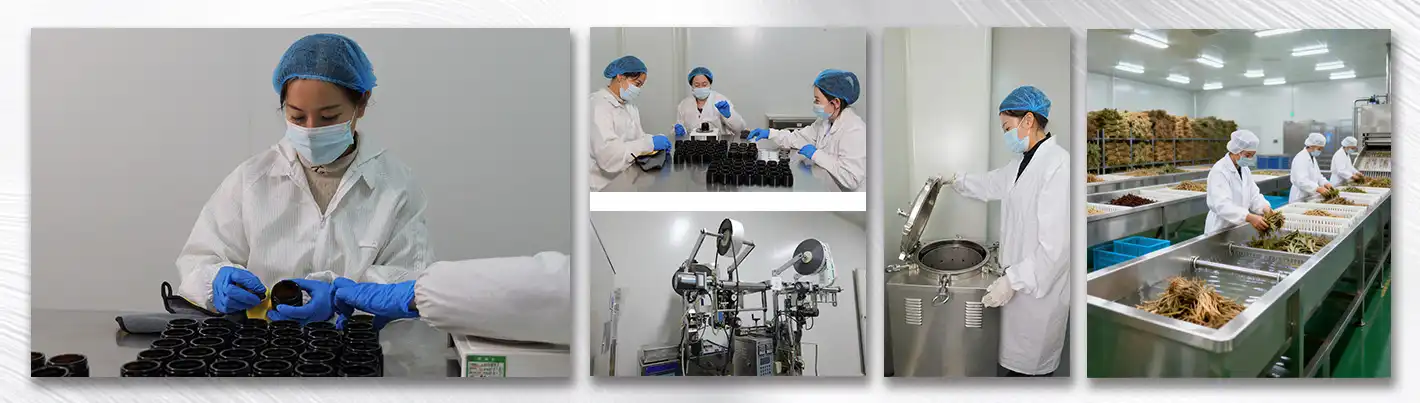
Production guidelines show what a seller can do. GMP-certified sites show that they have process controls that keep output uniform and stop contamination. Through temperature-controlled separation, membrane filtration, and spray-drying, we make sure that each batch has the same particle sizes and bioactive concentrations.
Traceability tools keep the good name of your brand safe. Full records of where the raw materials come from, where they are grown, how they are processed, and how they are packaged at the end make the supply chain clear. This is very important when dealing with customer questions or government checks.
Manufacturers vs. Wholesalers
Knowing the different kinds of suppliers makes buying tactics work better. Companies like BioSpark are in charge of the whole production process, from choosing the raw materials to extracting them and packing them at the end. This vertical merger makes sure that the quality is always the same and lets you get OEM and ODM services that are specifically made for your brand.
Wholesalers and wholesalers help you get into new markets, but they add layers to the supply chain that can make it harder to keep an eye on quality. When looking at possible partners, check to see if they have direct links with manufacturers and can provide full paperwork traceability.
Growing brands need to be able to make things in a variety of ways. Our low minimum order number of just 1 kg makes it easy for new businesses to try new products and come up with new recipes. On the other hand, our large inventory and standard 25 kg packaging make it easy for established businesses to place large orders. FOB, CIF, CFR, EXW, DAP, and DDP are all flexible delivery terms that let procurement teams find the best transportation prices based on their ability to import.
Pricing and Logistics Considerations
There are more benefits to buying in bulk than just lower unit prices. When packages are combined, the cost of freight per kilogram is lower, and customs processing is easier. Chinese makers may prefer different payment terms, such as bank transfer (T/T), from Western payment norms. This means that buying teams need to make the right financial arrangements.
Logistics for global shipping need partners they can trust. Our history of fast and safe delivery in North America, Europe, and other markets comes from working with freight forwarders for a long time and making sure all the paperwork is in order. Express shipping is best for urgent needs, air freight is the best mix of speed and cost, and sea freight is the best way to save money on big orders.
Production plans are kept safe by the dependability of the supply chain. Formulation delays that affect product launch dates can be avoided if there is enough stock on hand. When reviewing suppliers, look at how they handle supplies and how they can find alternative sources of this important ingredient in case of an emergency.

Case Studies: Successful Formulation Improvements Using Liquorice Extract Powder
Cosmetics: Skin Brightening Innovation
A North American skin care brand changed the recipe of their brightening product by adding 1.5% of liquorice extract powder, glabridin-rich extract. In the past, recipes used synthetic options that made customers worry about the safety of the ingredients. The botanical option had the same effect as blocking tyrosinase and met the standards for clean beauty placement.
Based on comments from customers, it was clear that they were happier. After eight weeks of twice-daily use, clinical tests showed a 23% decrease in discolouration that could be seen. The formulation's high stability profile got rid of problems with batch inconsistency that had caused customers to complain and send back products.
Differentiating in the market led to more sales. The brand used "botanical-powered" marketing that connected with people who were looking for natural cosmetics. As clean ingredient profiles became more in line with category trends, retailers became more open to selling the brand through outlets other than direct-to-consumer.
Digestive Health: Enhanced Efficacy
Using our standardised material, a nutraceutical business changed the recipe of their gastrointestinal support product by making the liquorice extract powder concentration 400 mg per pill. In the past, different versions used raw root powder with different amounts of glycyrrhizic acid, which led to inconsistent effectiveness and made it hard for customers to figure out how much to take.
Consumer polls showed that there were measurable benefits. Because the bioactives were delivered more concentrated, users said they felt better 34% faster than with the old recipe. The standardised extract was more bioavailable in gastric environments, which improved treatment results while keeping safety ratings that were shown through tracking of adverse events.
Data on how well a product worked backed up marketing claims. The brand was able to back up its structure-function claim with clinical tests that showed changes in digestive comfort rates that were statistically significant. This positioning, based on facts made ties with retailers stronger and backed strategies for charging higher prices.
Conclusion
Adding premium liquorice extract powder to your products can help you reach several strategic goals: meeting customer desire for natural ingredients, making sure your products always work well, and staying in line with regulations in all global markets. The consistent 20% glycyrrhizic acid level, confirmed by HPLC testing, gets rid of worries about variation while providing measured useful benefits in food, nutrition, and cosmetics.
To integrate things well, you need to carefully choose your suppliers, use the right preparation methods, and keep detailed quality records. The case studies show that companies that invest in better botanical products can get real market benefits, such as happier customers and a better chance to stand out from other brands. The things you buy have a direct effect on how well the products work, how consistently they are made, and, in the end, how well they do in the market in competitive health areas.
FAQ
Is liquorice extract powder safe for all product applications?
When used in the suggested concentration ranges, the plant extract has great safety ratings. Cosmetics that are put on the skin don't cause too many problems, but mouth supplement formulas should think about how much glycyrrhizin is being taken in over time. The products are safe because they meet worldwide safety standards like FDA, ISO9001, and GMP. Labelling and dose rules that are followed correctly protect end users of all types of products.
How does this extract compare to other herbal ingredients?
Liquorice extract powder has special qualities that are hard to find in a single plant source. It can naturally sweeten food, reduce inflammation, and hide flavours. The fact that it is water-soluble makes formulation easier than with many plant products that need complicated solubilization. It is 50–200 times sweeter than sugar, which makes it better than most plant sweeteners in some ways.
What certifications should I verify for bulk purchases?
Some important certificates are GMP for industrial standards, ISO9001 for quality management systems, and Kosher/Halal for certain market needs. FDA approval shows that the product meets the rules for U.S. markets. Before you finalise your buy orders, make sure you get batch-specific Certificates of Analysis that show the results of HPLC testing, microbial limits, heavy metals screening, and pesticide residue analysis.
Partner with BioSpark for Premium Liquorice Extract Powder
BioSpark (Xi'an) Biotechnology Co., Ltd gives your business the steady quality and dependable supply chain it needs. As a well-known company that makes liquorice extract powder and offers full OEM/ODM services, we can help you with every step of the product creation process, from helping you come up with the first recipe to delivering your finished product all over the world.
Our glycyrrhiza extract is certified by the FDA, ISO9001, GMP, Kosher, and Halal, which means it meets the highest international standards. The normal 20% glycyrrhizic acid content, which was confirmed by HPLC testing, makes sure that the stability from batch to batch, which protects the purity of your formulation. We have enough in stock and can send quickly by express, air, or sea freight, so your production stays on schedule, whether you need a small sample of 1 kg or a big order of 25 kg drums.
Are you ready to improve the way your products work? You can email our technology team at leao@biosparkcn.com to get more information, set up sample shipping, or talk about special formulation support. We offer full-service help that turns finding ingredients from a problem to be solved into a strategic benefit.
References
1. Asl, M.N., and Hosseinzadeh, H. (2008). "Review of Pharmacological Effects of Glycyrrhiza sp. and its Bioactive Compounds." Phytotherapy Research, Volume 22, Issue 6, Pages 709-724.
2. Pastorino, G., et al. (2018). "Liquorice (Glycyrrhiza glabra): A Phytochemical and Pharmacological Review." Phytotherapy Research, Volume 32, Issue 12, Pages 2323-2339.
3. Simmler, C., et al. (2013). "Phytochemistry and Biological Properties of Glabridin." Fitoterapia, Volume 90, Pages 160-184.
4. Makino, T., and Nakamura, T. (2019). "Effects of Glycyrrhizin and Its Metabolites on Cortisol Metabolism in Human Hepatocytes." Journal of Pharmaceutical Sciences, Volume 108, Issue 8, Pages 2591-2597.
5. Zhang, L., and Yang, Y. (2015). "Multiple Biological Activities of Natural Sweetener Glycyrrhizin and its Derivatives." Food Chemistry, Volume 175, Pages 499-506.
6. FDA Guidance Document. (2020). "Dietary Supplements: New Dietary Ingredient Notifications and Related Issues." U.S. Food and Drug Administration, Centre for Food Safety and Applied Nutrition.

Send Inquiry
Related Industry Knowledge
- Why Choose Natural Blueberry Extract Powder for Supplements?
- Need Bulk Maqui Berry Powder with Fast Global Shipping?
- How Effective Is Mimosa Root Bark Extract in Modern Formulas?
- Can Hydrolyzed Rice Extract Reduce Skin Dullness Effectively?
- What Makes Kacip Fatimah Extract a Women’s Health Tonic?
- How Effective Is Rosehip Extract Powder for Inflammation?
- Can Natural Artichoke Extract Improve Bile Production?
- White Willow Bark Extract Powder: Benefits for Pain Relief?
- How Ginseng Plant Extract Boosts Immune Function?
- Is Miltiorrhiza Root Extract Powder Effective for Metabolism?