_1764041963888.webp)
Can Yacon Root Extract Help Control Blood Sugar Levels Naturally?
Jul 09, 2026
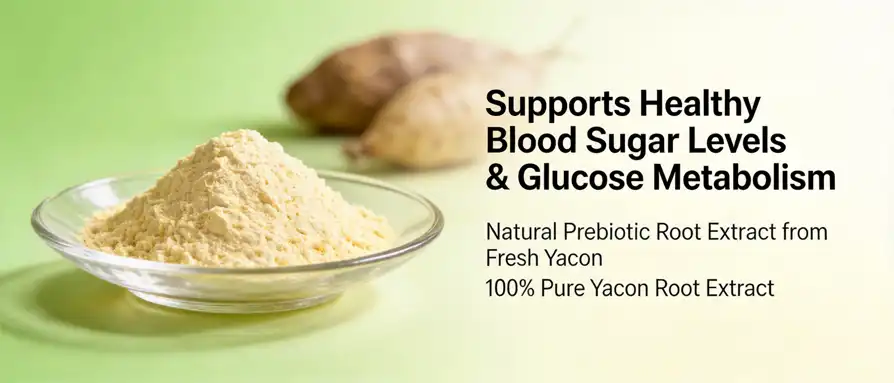
Yacon Root Extract can support natural blood sugar control through its unique composition of fructooligosaccharides (FOS) and prebiotic fibers. Derived from Smallanthus sonchifolius, this botanical ingredient influences glucose metabolism by promoting beneficial gut bacteria, enhancing insulin sensitivity, and minimizing postprandial glucose spikes. With 40-70% FOS content, it provides a low-glycemic sweetener alternative that supports metabolic wellness without causing rapid blood sugar elevation, making it particularly valuable for formulations targeting glycemic management and weight control.
Understanding Yacon Root Extract and Its Nutritional Profile
Yacon Root Extract is a useful ingredient because there is a growing need for natural ways to control blood sugar. This herbal concentrate comes from the tuberous roots of Smallanthus sonchifolius, an annual plant that grows in the Andean mountains. It has gotten a lot of attention in the nutraceutical industry because of its unique nutritional makeup and metabolic benefits.
Rich Source of Prebiotic Fructooligosaccharides
This plant product stands out because it has an incredibly high percentage of fructooligosaccharides. Human enzymes don't break down these soluble fibers very much, so they make it through the digestive system whole to the colon. In that place, they only feed good bacteria, mostly Bifidobacterium and Lactobacillus types. This bifidogenic effect helps keep the gut bacteria in balance, which a new study suggests is linked to better glucose metabolism and insulin sensitivity. Formulations that contain FOS usually have between 40 and 70% by weight of this substance. At clinically relevant amounts, it provides useful prebiotic support.
Antioxidant and Polyphenol Content
In addition to its prebiotic qualities, the extract has antioxidants at levels of 2 to 8 percent, as well as water-soluble polysaccharides that make up 10 to 25 percent of the whole. These antioxidants fight metabolic reactive stress, which can lead to insulin resistance and other problems in people with diabetes. When prebiotic fibers and antioxidants work together, they form a complete metabolic wellness method that protects cells and keeps the gut healthy at the same time.
Low Glycemic Impact and Caloric Density
This ingredient in Yacon Root Extract is much lower in glycemic index than most sweets and has a caloric density of about 1.3 to 1.5 kcal/g. It gives food a mild sweetness (30–50% of sucrose's strength) without causing major insulin responses. When making goods for people who are watching their blood sugar levels or trying to lose weight, this trait is especially helpful. The fine brownish-yellow powder is made using advanced plant extraction methods and was confirmed by Thin-Layer Chromatography (TLC). It dissolves easily in water, which helps make drinks, liquid supplements, and quick nutritional goods.
Procurement professionals evaluating raw materials for dietary supplements or functional foods should recognize these nutritional properties as foundational to product efficacy. When sourcing botanical extracts for blood sugar management formulations, the concentration and standardization of active substances have a direct effect on both the results for customers and the trustworthiness of the brand.
How Yacon Root Extract Works to Support Blood Sugar Regulation
B2B buyers can better understand why this plant ingredient has become popular in evidence-based product development if they know how glucose control works. The potential to control blood sugar works in a number of ways that work together.
Gut Microbiota Modulation and Insulin Sensitivity
Beneficial bacteria in the gut grow faster because of the prebiotic FOS components. The oligosaccharides are broken down by these bacteria, which makes short-chain fatty acids (SCFAs) like butyrate, propionate, and acetate. Clinical studies show that SCFAs make insulin work better by changing how glucose is made in the liver and making it easier for the body to take in glucose from the blood. This triangle of the gut, liver, and muscles is a basic way that changes in food can affect the balance of glucose in the body.
Reduced Glucose Absorption and Postprandial Response
Because it has soluble fiber, it slows down the emptying of the stomach and the breakdown of carbohydrates. This means that glucose enters the system more slowly. This more even intake pattern stops the sharp rises in blood sugar that come after eating refined carbohydrates. This makes the energy source more stable and lowers the need for insulin. Taking Yacon-derived products for 90 to 120 days has been shown in several clinical studies to significantly lower fasting blood glucose levels and HbA1c markers in subjects.
Oxidative Stress Reduction in Metabolic Tissues
The polyphenolic substances are antioxidants that protect the beta cells in the pancreas, which are structures that make insulin and are easily damaged by oxidative stress in metabolic diseases. These bioactive substances help the pancreas stay healthy over time by keeping beta cells working and lowering inflammation signaling pathways. Getting rid of oxidative stress is also good for the vascular endothelium, which helps with one of the main problems that comes with having chronic hyperglycemia.
Weight Management Synergy
In addition to having direct effects on blood sugar, the protein helps people control their weight, which is a key part of controlling blood sugar. The FOS content makes you feel full, lowers the intake of calories, and changes hormones that control your hunger. Case studies with people who had metabolic syndrome showed that yacon-based treatments led to meaningful reductions in body weight and waist size, along with improvements in insulin resistance markers.
These processes have been proven by science to work, which backs up product claims and helps brands target the growing group of people who are interested in natural metabolic health solutions. When looking at ingredient providers, business-to-business buyers should give more weight to partners that offer clear proof of active compound concentrations and third-party confirmation of claims of effectiveness.
Comparing Yacon Root Extract with Other Natural Sweeteners and Supplements
Strategic ingredient selection requires understanding how different plant options work in different recipe conditions and market positioning situations.
Functional Differentiation from Stevia and Monk Fruit
Stevia and monk fruit products are both very sweet without any calories, thanks to steviol glycosides and mogrosides, but they don't have the prebiotic and metabolic benefits that come from Yacon. As well as being slightly sweet, it helps keep your gut healthy, which makes it a good choice for wellness recipes that need more than just sugar replacement. This difference lets brands set their goods apart by making claims about their multiple uses instead of just fighting for sweetness.
Advantages Over Inulin and Chicory Root Fiber
Inulin and chicory root are both well-known prebiotic ingredients. However, the yacon-derived alternative has a smaller degree of polymerization (DP), which means it ferments more quickly and may be better tolerated at the same amounts. The shorter-chain FOS structure adds sweetness and prebiotic action, while inulin doesn't add much taste. This sweetness advantage means that you don't need to add as many extra sweeteners when making functional drinks or sweetened vitamins. This makes the ingredient lists simpler and helps with the clean-label positioning.
Powder Versus Liquid Extract Considerations
Compared to liquid extracts, the usual brownish-yellow fine powder version is better at staying stable on the shelf, easier to work with during production, and cheaper to ship. As long as the wetness level stays below 5%, powder forms don't let microbes grow and keep their FOS levels stable over normal storing times. The high water solubility (ease of melting in water-based systems) makes it easy to mix with different materials without using any special tools. These useful factors affect the total cost of ownership, which goes beyond the original price per kilogram.
Organic Certification and Market Segmentation
Because both organic and conventional types are available, producers can choose ingredients that fit the tastes and budgets of their target market. Organic certifications mean that products cost more, but they also give you access to certain marketing outlets and customer groups that prefer certified-organic goods. For mass-market formulas where organic claims don't offer much of a competitive edge, conventional choices are cheaper. By understanding these market factors, you can make decisions about buying that protect margins and align categories in the best way possible.
When purchasing, professionals look at different seller offers, they should ask for comparative stability data, solubility standards, and application advice to make sure they choose the best format for the manufacturing process and the needs of the finished product.
Procurement Guide for Yacon Root Extract Products in Bulk
Yacon Root Extract quality assurance, legal compliance, supply chain dependability, and cost optimization must all be balanced for sourcing strategies to work well. This is important for staying competitive while protecting the integrity of the product.
Supplier Credential Verification
Quality approvals make it possible to work with suppliers with confidence. ISO9001 certification shows that quality management methods are organized, and GMP compliance shows that production standards for pharmaceuticals are met. Kosher and Halal licenses make it easier for certain types of customers to buy things. Registration with the FDA gives sellers who want to sell to people in North America more confidence. BioSpark (Xi'an) Biotechnology Co., Ltd keeps these extensive certifications up to date. They give procurement workers quality qualifications that can be checked and make regulatory submissions easier in several places.
Origin Traceability and Testing Protocols
Transparency about the country of birth is important for both following the rules and knowing what the standard will be like. Botanical extracts from China benefit from the country's well-established farming infrastructure and extraction know-how, as long as the sellers can prove that their raw materials can be tracked and that each batch is tested thoroughly. Thin-Layer Chromatography (TLC) is the usual way to check the amount of FOS and find possible false ingredients. To make sure that products meet international food safety standards, ask for Certificates of Analysis (CoA) that show that they have been tested for microbe contamination (Total Plate Count < 1,000 CFU/g), heavy metal contamination (Lead < 1.0 mg/kg, Arsenic < 1.0 mg/kg), and pesticide residue.
Format Selection and Minimum Order Quantities
Flexible minimum order quantities—as little as 1 kg for evaluation samples—let customers test a product thoroughly before committing to large-scale purchases. Standard storage in 25 kg drums protects materials best and makes handling easier. Knowing the different types of delivery terms (FOB, CIF, CFR, EXW, DAP, and DDP) helps you figure out the exact landing cost and divide the risk between the buyer and the seller. Express, air freight, and sea freight are some of the shipping choices that give you options based on how quickly you need the goods, how much you need to ship, and your budget.
OEM/ODM Partnership Opportunities
In addition to providing ingredients, full OEM/ODM skills allow products to stand out and allow companies to enter new markets more quickly. It's easier to get finished goods on the market when partners offer formulation support, custom mixing, encapsulation, and private labeling services. This full-process support is especially helpful for new businesses and wholesalers that don't have their own production facilities. When looking at possible partnerships, you should check the technical skills across all intended dosage forms, such as tablets, capsules, powders, and liquids. You should also find out how intellectual property protections for specific formulas are handled.
Supply chain continuity is ensured by having enough merchandise, reliable transportation, and open payment terms (Bank Transfer/T/T preferred). This is an important thing to think about when you want to build relationships with people who will buy from you again and again. Purchasing plans that stress how stable and quick suppliers are protect against problems that could delay production or make products unavailable.
Safety, Dosage Recommendations, and Potential Side Effects
While making goods with botanical chemicals for metabolic health uses, following the rules and making sure customers are safe are always the top priorities.
Recommended Dosage Parameters
For glucose benefits, clinical studies usually use amounts between 0.14 and 0.29 grams of FOS per kilogram of body weight per day, which is about 10 to 20 grams of extract for a normal adult. Formulation plans should aim for this range based on evidence, taking into account how the product will be used (single doses vs. split doses) and how it will be consumed (concentrated capsules vs. functional foods). Too much fermentation can cause stomach pain if you eat too much, so it's important for consumer goods to have clear directions on how to use them.
Documented Side Effects and Precautions
In most cases, the effects are mild stomach problems like gas, bloating, or loose stools, especially when starting to take supplements or taking too much for their own body to handle. These effects usually get less strong over time as the gut bacteria get used to eating more prebiotics. Gradual dose increase helps keep the change time as pain-free as possible.
People with diabetes who are taking medicines should talk to their doctors before adding botanical products that may affect blood sugar levels. Because of the combined effects, drug changes may be needed to stop hypoglycemic bouts. Product labels should include the right kinds of warnings about how the product might combine with other medicines and suggestions for how to talk to a doctor.
International Regulatory Considerations
To navigate different legal systems for Yacon Root Extract, you need to know what the rules are in each area. In the US, plant ingredients are considered food supplements under DSHEA, which means they have to follow Current Good Manufacturing Practices (cGMP) and make accurate claims about their structure and function. The European Food Safety Authority (EFSA) sets strict rules for new food tests and ensures that health claims are backed up by strong clinical proof. Other areas, like Southeast Asia, the Middle East, and Latin America, have different rules about how to register products, get them into the country, and name them.
Suppliers who offer full legal support make it easier to launch products that are compliant in multiple countries. To speed up internal reviews and reports to the government, ask for paperwork packages that include standard specs, safety data sheets, allergen statements, and regulatory status summaries.
Quality Control and Batch Consistency
Strong quality control procedures make sure that the product works the same way on all production runs. Suppliers should test each batch separately, keep representative samples, and give accurate data on the shelf life of their products when stored in certain ways. Because powder extracts absorb water, it's important to keep the humidity low (<40% RH) while they're being stored and handled so that they don't clump and keep their flowability when they're being encapsulated or tableted.
These safety and legal concerns protect both the well-being of consumers and the image of brands, which are important for the health supplement industry to grow in the long term.
Conclusion
Yacon Root Extract is a botanical ingredient that has been backed by science and meets the large market desire for natural ways to control blood sugar. Its special mix of prebiotic fructooligosaccharides, antioxidant polyphenols, and low-glycemic sweetness gives product makers a lot of options. Metabolic health claims can be backed up by the processes that support insulin sensitivity, gut microbiota balance, and reduced oxidative stress. When procurement professionals choose providers, they should give more weight to partners that show they have all the necessary quality standards, clear testing methods, the ability to handle a wide range of orders, and full OEM/ODM support. When brands make strategic buying choices that take these things into account, they set themselves up for competitive success while still meeting the quality standards that customers expect and that are required by law in global markets.
FAQ
Is Yacon Root Extract Safe for Long-Term Blood Sugar Management?
There is clinical proof that the safety profile is good for long-term use when taken in the suggested dosage ranges. Studies that lasted 120 days found long-lasting benefits with no major side effects, though some mild gut changes may happen at first. Because it comes from natural plants and has a history of being safe, it can be used as a supplement on a regular basis as part of a complete metabolic health plan.
How Does This Ingredient Compare to Pharmaceutical Diabetes Medications?
Botanical products are not medicines for people who already have diabetes; instead, they are food supplements that help keep glucose regulation healthy. Medication lowers glucose levels in a focused and measurable way to help people with diabetes, but plant-based ingredients offer preventative support and lifestyle integration for people who want natural ways to improve their metabolic health. These tactics work hand-in-hand instead of against each other, and they are often used together under medical guidance.
What Certifications Should I Verify When Sourcing in Bulk?
Some of the most important licenses are ISO9001 for quality management systems, GMP for manufacturing standards, and related food safety registrations like FDA recognition. When going after high-end customers, organic approval is important. Kosher and Halal approvals make products easier for customers to find. Ask for up-to-date papers and check the registration numbers with the authorities that issued them to make sure they are real and still valid.
Partner with BioSpark for Premium Yacon Root Extract Supply
BioSpark (Xi'an) Biotechnology Co., Ltd is ready to help you create new products by providing pharmaceutical-grade botanical materials and a full quality guarantee. As a well-known provider of Yacon Root Extract, we keep enough in stock to ship right away via express, air freight, or sea freight, depending on your needs. Our improved plant extraction methods keep the natural FOS content (40–70%) and bioactive substances that give your products the metabolic benefits they need.
No matter what stage of growth a business is in—whether they need review samples starting at 1 kg or large orders packed in standard 25 kg drums—we have flexible purchasing choices that can help them. We offer full OEM/ODM services, including recipe advice, custom mixing, encapsulation, and private labeling. This means that we can take care of everything from the idea to delivering the finished product. Our certificates, such as ISO9001, Kosher, Halal, FDA, and GMP, make it easier for you to follow the rules in foreign markets.
Email our expert team at leao@biosparkcn.com to talk about your unique application needs, ask for Certificates of Analysis, or get price quotes for buying in bulk. We provide consistent quality, a reliable supply chain, and a technical relationship that turns buying ingredients from something that needs to be done into a strategic competitive edge. You can look at our full line of plant extracts and nutritional ingredients for the health supplement business around the world at www.biosparkcn.com.

References
1. Genta, S., Cabrera, W., Habib, N., Pons, J., Carillo, I. M., Grau, A., & Sánchez, S. (2009). Yacon syrup: beneficial effects on obesity and insulin resistance in humans. Clinical Nutrition, 28(2), 182-187.
2. Valentová, K., & Ulrichová, J. (2003). Smallanthus sonchifolius and Lepidium meyenii–prospective Andean crops for the prevention of chronic diseases. Biomedical Papers, 147(2), 119-130.
3. Habib, N. C., Honoré, S. M., Genta, S. B., & Sánchez, S. S. (2011). Hypolipidemic effect of Smallanthus sonchifolius (yacon) roots on diabetic rats: biochemical approach. Chemico-Biological Interactions, 194(1), 31-39.
4. Scheid, M. M., Moreno, Y. M., Maraschin, M., & Moratelli, H. B. (2014). Effect of yacon flour on glycemic control and metabolic parameters in diabetic and healthy rats. Nutrición Hospitalaria, 30(2), 436-442.
5. Caetano, B. F., de Moura, N. A., Almeida, A. P., Dias, M. C., Sivieri, K., & Barbisan, L. F. (2016). Yacon flour and Bifidobacterium longum modulate bone health in rats. Journal of Medicinal Food, 19(3), 257-262.
6. Geyer, M., Manrique, I., Degen, L., & Beglinger, C. (2008). Effect of yacon on appetite, glycemic control and lipid metabolism in overweight adults: a randomized controlled pilot trial. European Journal of Clinical Nutrition, 62(8), 1037-1043.

Send Inquiry
Related Industry Knowledge
- Why Do Health Experts Recommend Broccoli Extract Powder?
- Why Is Broccoli Extract Powder Rich in Sulforaphane?
- What Is the Science Behind Fulvic Acid Powder Benefits?
- Can Broad Bean Powder Support High-Fiber Formulations?
- How to Choose High-Quality Cowpea Powder for Manufacturing?
- Can loquat powder be used for respiratory health?
- Can Red Bean Extract Help Detox the Body?
- Does Pomegranate Peel Extract Powder Reduce Inflammation?
- Rosa Roxburghii Extract for Energy and Anti-Fatigue
- Yacon Root Extract Benefits: Prebiotic Gut & Digestive Support