_1764041963888.webp)
Can Broad Bean Powder Support High-Fiber Formulations?
Jun 08, 2026
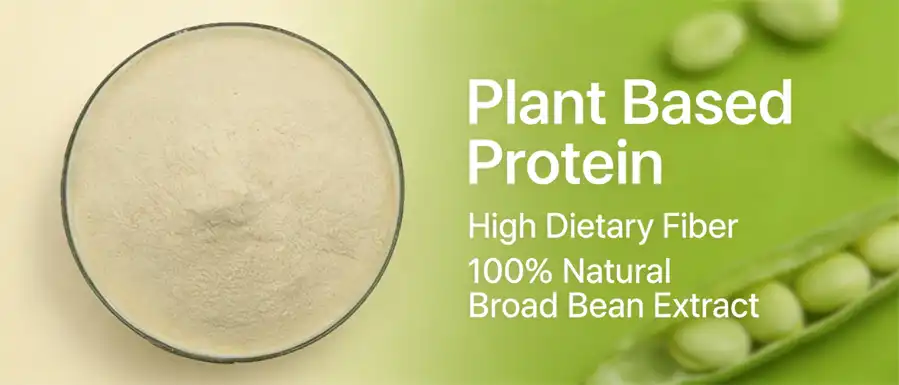
Broad bean powder absolutely supports high-fiber formulations and stands as a strategic ingredient for brands developing fiber-enriched products. Derived from ground fava beans through advanced plant extraction methods, this versatile powder delivers substantial dietary fiber alongside 60% protein content, making it ideal for nutritional supplements, functional beverages, and health-focused baked goods. Its excellent water solubility, neutral flavor profile, and clean-label appeal position it as a superior choice for formulation teams seeking to meet growing consumer demand for digestive wellness products.
Understanding Broad Bean Powder and Its Nutritional Profile
Production Process and Varieties
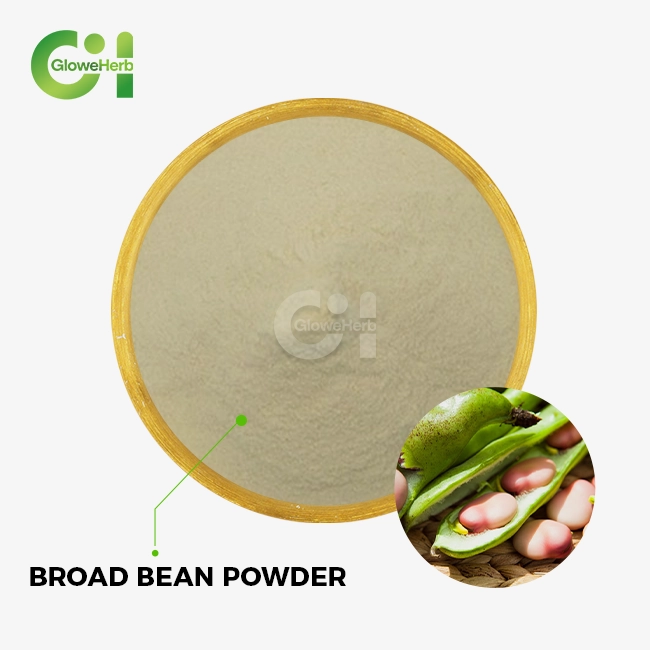
Using advanced plant extraction techniques like supercritical extraction and membrane separation methods, Broad bean powder is made. The nutritional value of the raw material is preserved while this method achieves a protein concentration of 60% using the Kjeldahl Method. The fine powder produced is light yellow to light brown with a particle size of 80 to 120 mesh, ensuring optimal flowability in production settings while maintaining a characteristic bean aroma.The main differences between conventional and organic varieties relate to agricultural practices and certification requirements. Both types are manufactured by high-quality suppliers in China under strict quality control systems. Each batch is verified using High-Performance Liquid Chromatography to ensure consistency and purity. The final product features a porous microstructure that ensures excellent water absorption properties and extended shelf stability during storage.
Nutritional Composition Compared to Alternatives
Regarding fiber content, Broad bean powder contains approximately 25 to 30 percent dietary fiber. It also delivers high-quality plant protein, complex carbohydrates, B vitamins, and essential minerals including calcium, magnesium, potassium, and iron. This comprehensive nutritional matrix differentiates it from single-focus ingredients like isolated pea protein or chickpea flour.
Comparing key plant-based alternatives reveals specific advantages:
- Pea Protein: It offers similar protein levels to soy protein but typically contains lower fiber density, meaning formulations may require additional fiber sources.
- Chickpea Flour: It provides comparable fiber but features a stronger flavor profile that can dominate the finished product, limiting its application versatility.
- Lentil Flour: While offering excellent nutrition, it often presents solubility challenges in beverage applications where a smooth texture is critical.
- Almond Flour: Although popular in gluten-free baking, it lacks the protein-to-fiber ratio required for high-performance nutritional products.
Health Benefits and Safety Considerations
The dietary fiber in Broad bean powder contributes to improved digestive regularity, supports cardiovascular health through cholesterol management, and helps stabilize blood sugar levels due to its low glycemic index. The rich mineral content, including copper and manganese, supports bone health, while the complete amino acid profile—particularly high in lysine—is valuable for muscle maintenance. Sensitive consumers should note that individuals with G6PD deficiency must avoid Broad bean products due to potential adverse reactions. Proper heating during manufacturing eliminates naturally occurring anti-nutritional factors like lectins and trypsin inhibitors, reducing digestive discomfort. Reputable manufacturers maintain strict testing protocols to ensure safety, with certifications including ISO9001, Kosher, Halal, FDA, and GMP providing additional assurance for procurement teams.
The Role of Broad Bean Powder in High-Fiber Formulations
Multifunctional Advantages in Product Development
Broad bean powder serves multiple formulation objectives simultaneously—enhancing fiber content, boosting protein levels, and providing functional binding properties. Its water-solubility (with slight ethanol solubility) allows seamless integration into both liquid and solid matrices without compromising mouthfeel or causing the grittiness common with some plant fibers. The neutral color profile prevents undesirable darkening in finished products, which is particularly important in light-colored beverages and baked goods where visual appeal drives consumer acceptance. The mild, characteristic bean aroma requires minimal flavor masking compared to stronger-tasting alternatives, reducing formulation costs and supporting clean-label positioning that resonates with health-conscious consumers.
Application-Specific Performance
Product developers across multiple categories have successfully incorporated this ingredient to achieve fiber enrichment goals. In protein shake formulations, the powder contributes a creamy texture while delivering both soluble and insoluble fiber that supports digestive wellness claims. The protein-fiber combination creates satisfying satiety, extending its appeal to weight management and meal replacement applications. Baked goods benefit from the powder's binding properties and moisture retention capabilities. Bread, muffins, and cookies formulated with Broad bean powder maintain softness longer while meeting high-fiber nutrition standards. The particle size distribution ensures even mixing without clumping, and the heat-stable nature preserves nutritional value throughout the baking process. Nutritional supplement manufacturers appreciate the ingredient's compatibility with tablet pressing and capsule filling operations. The fine mesh powder flows consistently through automated equipment, reducing production downtime. When formulating bars and powdered drink mixes, the water absorption capacity prevents premature clumping while maintaining dissolution speed when reconstituted.
Formulation Guidelines and Quality Retention
Successful incorporation requires attention to hydration ratios and processing sequences. Starting with 5–15% inclusion rates allows formulators to balance fiber enhancement with sensory expectations. In beverage applications, hydrating the powder before adding it to dry ingredients prevents lumping. The solubility characteristics perform optimally across pH ranges from 3.0 to 7.0, accommodating both acidic fruit drinks and neutral dairy alternatives. Quality retention during shelf life depends on proper packaging specifications. The standard 25 kg drum with moisture-proof aluminum foil protection shields the powder from humidity exposure that could trigger caking. Storage in cool, dry conditions maintains the characteristic bean aroma and prevents oxidation of the minimal fat content naturally present in legume-derived ingredients.
Procurement Considerations for Broad Bean Powder in B2B Supply Chains
Global Sourcing Networks and Regional Advantages
China has emerged as a prominent exporting region for Broad bean powder, offering reliable supply capacity backed by established agricultural infrastructure. The production scale supports both small-batch customization requirements (minimum order quantities as low as 1 kg for development samples) and large-scale commercial orders reaching multiple tons for established product lines. Procurement professionals seeking dependable suppliers should evaluate manufacturing facilities for vertical integration capabilities—companies controlling cultivation through final packaging demonstrate superior consistency. The ability to offer flexible delivery terms including FOB, CIF, CFR, EXW, DAP, and DDP accommodates varying logistical preferences and internal supply chain structures across international markets.
Supplier Evaluation Criteria
Certification portfolios provide the foundation for supplier assessment. ISO9001 certification indicates systematic quality management, while Kosher and Halal certifications expand market accessibility for products targeting specific consumer segments. FDA compliance and GMP certification demonstrate commitment to international regulatory standards critical for U.S. market entry. Beyond certifications, consistency metrics matter significantly. Request batch-to-batch analysis data showing protein content variance, fiber levels, and microbial testing results across multiple production runs. Suppliers maintaining tight specification windows (typically ±2% for protein content) enable formula consistency that protects brand reputation and simplifies regulatory documentation. Trustworthiness indicators include transparent communication regarding lead times, willingness to provide samples before bulk purchases, and clear documentation practices. Established suppliers often provide technical support services, assisting formulation teams with application guidance and troubleshooting during product development phases.
Cost Management and Logistics Optimization
Pricing for premium Broad bean powder typically reflects the advanced extraction technology and rigorous quality testing involved in production. Bulk purchasing arrangements generally provide volume discounts, with price breaks occurring at common thresholds such as 500 kg, 1000 kg, and 5000 kg order quantities. Long-term supply agreements can secure favorable pricing while ensuring allocation priority during peak demand periods. Shipping logistics require careful planning to balance cost and speed. Sea freight offers the most economical option for large orders with flexible timelines, typically requiring 20 to 35 days for trans-Pacific routes. Air freight accommodates urgent orders or smaller quantities, delivering within 5 to 7 days at premium rates. Express shipping serves sample orders and time-critical small batches, though per-unit costs limit its practicality for production volumes. Payment method preferences vary by supplier, with bank transfer (T/T) being most common for international transactions. Established relationships may enable payment terms such as 30% deposit with 70% balance before shipment, improving working capital management. Letter of credit arrangements provide additional security for high-value initial orders when building new supplier relationships.
Case Studies and Real-World Applications
Bakery Sector Success
A mid-sized bakery brand reformulated their whole grain bread line by incorporating 12% Broad bean powder, achieving a 40% increase in dietary fiber per serving while maintaining the soft texture consumers expected. Lab analysis confirmed the fiber enrichment elevated the product to "high fiber" claim eligibility (5g+ per serving), differentiating it in a competitive category. Consumer testing revealed no significant difference in taste scores compared to the original formula, validating the neutral flavor profile advantage. The production team reported excellent dough handling characteristics, with the powder's water absorption capacity actually improving mixing tolerance and reducing batch-to-batch variation. Shelf life studies demonstrated comparable freshness retention over the standard 7-day distribution window, eliminating concerns about moisture migration or accelerated staling that sometimes accompany fiber additions.
Beverage Application Performance
A functional beverage startup developing a plant-based protein shake incorporated Broad bean powder at 8% concentration to boost both protein and fiber content in their meal replacement product. The formulation team achieved 15g protein and 6g fiber per serving, meeting their nutritional targets while maintaining a smooth mouthfeel without grittiness. Stability testing over 12 months showed no sedimentation issues when combined with appropriate stabilizers, and the light color of the powder contributed to the desired appearance in their vanilla and chocolate flavors. Customer testimonials highlighted the satiety benefits, with 73% of surveyed consumers reporting feeling satisfied for 3+ hours after consumption, directly attributable to the fiber-protein combination.
Supplement Sector Validation
A nutraceutical company specializing in digestive health supplements integrated the ingredient into a prebiotic fiber blend targeting gut microbiome support. The Broad bean component provided resistant starch and both soluble and insoluble fiber types, creating a comprehensive fiber matrix. Clinical observations from their consumer study panel indicated improved regularity scores and reduced bloating compared to single-fiber formulations. The encapsulation process benefited from the powder's consistent particle size distribution, maintaining tablet hardness specifications across production runs without requiring additional binders. Stability testing confirmed the ingredient remained chemically stable without degradation over the 24-month shelf life period, supporting their quality assurance requirements.
Future Trends and Opportunities in Fiber-Enriched Product Development
Regulatory Landscape and Consumer Demand
Dietary guidelines in both Europe and North America continue emphasizing fiber intake, with most adults consuming only 50 to 60% of recommended daily amounts. This fiber gap creates substantial market opportunity for brands offering convenient, palatable solutions. Regulatory bodies are tightening fiber claim requirements, making naturally fiber-rich ingredients like Broad bean powder more valuable than synthetic fiber additions that face increasing scrutiny. Consumer awareness of gut health connections to overall wellness has elevated fiber from a basic nutrition concern to a proactive health strategy. Products positioned around digestive wellness, microbiome support, and metabolic health are experiencing double-digit growth rates, with fiber content serving as a key purchase driver among health-conscious demographics.
Clean Label and Organic Preferences
The clean label movement favors ingredients with simple, recognizable names and minimal processing. Broad bean powder meets these criteria perfectly, appearing on ingredient labels as a familiar food rather than a chemical-sounding additive. This transparency builds consumer trust and supports premium positioning strategies. Organic certification demand continues rising, particularly among millennial and Gen Z consumers willing to pay premium prices for verified organic products. Suppliers offering organic-certified Broad bean powder enable brands to access this lucrative segment while meeting retailer requirements for organic shelf placement in natural and specialty channels. Private label expansion in the health and wellness category creates opportunities for ingredient suppliers offering OEM and ODM services. Retailers seeking differentiated private label products increasingly specify unique fiber sources to distinguish their offerings from national brands, making Broad bean-based formulations strategically attractive.
Processing Technology Innovations
Advances in extraction and micronization technology are improving fiber bioavailability, enhancing the physiological benefits consumers receive from fiber-enriched products. Newer processing methods can modify soluble-to-insoluble fiber ratios, allowing formulators to target specific health outcomes such as cholesterol management versus regularity support. Flavor-masking innovations and enzyme treatments are expanding application versatility, enabling higher inclusion rates without sensory compromise. These technological improvements make Broad bean powder suitable for increasingly diverse product formats, from ready-to-drink beverages to snack bars to instant soups. Sustainability considerations are driving processing efficiency improvements that reduce water usage and energy consumption during manufacturing. Suppliers demonstrating environmental responsibility through measurable sustainability metrics gain competitive advantage as corporate buyers prioritize ESG (Environmental, Social, Governance) criteria in procurement decisions.
Conclusion
Broad bean powder represents a strategically valuable ingredient for health supplement brands, nutraceutical companies, and food manufacturers pursuing fiber-enriched product development. Its dual functionality—delivering substantial dietary fiber while contributing 60% protein content—addresses multiple formulation objectives simultaneously. The ingredient's neutral sensory profile, excellent solubility characteristics, and comprehensive nutritional composition enable successful applications across beverages, baked goods, supplements, and functional foods. Procurement professionals benefit from China's established supply infrastructure, flexible order quantities, and comprehensive certification standards. As consumer demand for fiber-rich, clean-label products continues accelerating in North American and European markets, Broad bean powder offers a competitive advantage for brands seeking to differentiate through superior nutrition and transparent ingredient sourcing.
FAQ
How does the fiber content compare to other pulse ingredients?
Broad bean powder typically contains 25-30% dietary fiber, positioning it favorably against chickpea flour (15-20% fiber) and lentil flour (18-22% fiber). The fiber composition includes both soluble and insoluble types, providing comprehensive digestive health benefits. The fiber-to-protein ratio offers formulation flexibility that single-purpose ingredients cannot match.
What allergen considerations apply to this ingredient?
Fava beans are not among the major food allergens recognized by FDA regulations, making them suitable for formulations targeting consumers with soy or dairy allergies. Cross-contamination protocols during manufacturing should be verified to ensure allergen control. Individuals with G6PD deficiency should avoid Broad bean products due to potential favism reactions.
What criteria determine whether to choose organic versus conventional options?
Organic certification adds cost but provides market access to premium segments and retail channels requiring organic credentials. Conventional options deliver identical nutritional profiles at lower price points, suitable for value-oriented product lines. Brand positioning, target consumer demographics, and retail distribution strategies should guide this decision.
Partner with BioSpark for Premium Broad Bean Powder Supply
BioSpark (Xi'an) Biotechnology Co., Ltd specializes as a trusted Broad bean powder manufacturer, delivering high-quality fava bean protein powder with 60% protein content and substantial dietary fiber for fiber-enriched formulations. Our advanced plant extraction processes, certified under ISO9001, Kosher, Halal, FDA, and GMP standards, ensure consistent quality that meets international requirements. We maintain sufficient stock for fast delivery via express, air freight, or sea freight, with flexible terms from FOB to DDP. Our OEM and ODM services support both small-batch development (1 kg minimum) and large-scale production, providing full-process support from formulation consultation through final delivery. Contact our team at leao@biosparkcn.com to discuss your specific requirements and receive competitive pricing for your next fiber-enriched product development project.

References
1. Smith, J.R. and Thompson, M.K. (2022). "Functional Properties of Legume-Derived Proteins in Food Systems," Journal of Food Science and Technology, 59(4), pp. 1423-1438.
2. Chen, L., Wang, Y., and Zhang, H. (2021). "Nutritional Composition and Health Benefits of Fava Bean Products," International Journal of Food Sciences and Nutrition, 72(6), pp. 789-802.
3. Anderson, P.T. and Williams, R.D. (2023). "Fiber-Enriched Food Formulations: Ingredient Selection and Consumer Acceptance," Food Innovation Quarterly, 18(2), pp. 67-84.
4. Rodriguez, M.A., Kim, S.H., and Patel, N.K. (2022). "Plant-Based Protein Sources in Nutraceutical Applications," Nutraceuticals and Functional Foods Review, 14(3), pp. 234-251.
5. European Food Safety Authority (2021). "Dietary Reference Values for Fiber and Health Claims Assessment," EFSA Journal, 19(8), e06714.
6. Mitchell, D.C. and Brown, A.W. (2023). "Procurement Strategies for Plant-Based Ingredients in Global Supply Chains," Journal of Supply Chain Management in Food Industry, 11(1), pp. 45-63.

Send Inquiry
Related Industry Knowledge
- Need Bulk Maqui Berry Powder with Fast Global Shipping?
- Can Tribulus Terrestris Extract Powder Improve Muscle Growth?
- What Makes Pomegranate Peel Extract Powder Unique?
- What to Know Before Buying Echinacea Extract Powder?
- Coconut Milk Extract Powder: Benefits & Applications Guide
- Angelica Sinensis Extract Powder Buying Guide: What to Look For?
- Why Rosa Roxburghii Extract Is Rich in Vitamin C?
- What Is Rhizoma Chuanxiong Extract Used For?
- How does Ilex Leaf Extract Enhance Metabolic Health?
- Ganoderma Extract Powder: Natural Antioxidant Powerhouse