_1764041963888.webp)
How to Find Reliable Ginseng Fruit Powder Suppliers?
Jun 10, 2026
To find trustworthy Ginseng fruit powder providers, you need to follow a plan that considers quality control, following the rules, and keeping the supply chain stable. To make sure that the quality of the products is always the same, the buying process checks carefully that suppliers have the right certifications, can produce the goods, and can track their raw materials. Reliable providers lower operating risks like contamination, changes in strength, and shipping delays, all of which can have a direct effect on the image of your brand and the time it takes to make your products. Partnering with verified sources who uphold clear quality standards and strong production infrastructure will protect your investment and allow your business to grow in competitive markets.
Understanding the Importance of Reliable Ginseng Fruit Powder Suppliers
Reliability is the key to doing business with other businesses in the plant extract field. When looking for Ginseng fruit powder, the reliability of your provider has a direct impact on the quality of your product, the continuity of your supply chain, and, in the end, the happiness of your customers. Suppliers who aren't reliable pose risks that go beyond late shipping; they threaten the effectiveness of the product, batch consistency, and compliance with regulations.
Why Supplier Reliability Impacts Your Bottom Line
Having reliable sources lowers important business risks that can destroy both new and old brands. Botanical extracts with inconsistent levels of potency make products work in uncertain ways, which costs a lot of money to fix and hurts customer trust. Problems with contamination, like those caused by heavy metals, herbicides, or microbes, can lead to product recalls, fines from the government, and long-term damage to a company's image. Delivery delays throw off production plans, which have ripple effects all the way through your supply chain and affect how you handle your inventory and keep your customers' promises.
Common Sourcing Challenges in the Botanical Extract Market
When trying to find plant products, procurement managers keep running into the same problems. Verifying suppliers is still hard, especially when doing business across borders, where rules and standards for output are very different. Changes in the market affect prices and supply, especially for plants that are only available at certain times of the year. Over time, regulatory compliance has changed. For example, the United States is putting in place stricter rules for food supplement ingredients. To get around these problems, you need procurement strategies that put openness, paperwork, and working with suppliers first, rather than making decisions based only on price.
The Hidden Costs of Unverified Sources
When you work with sellers you haven't checked out, you take risks that you might not notice until they do a lot of damage. Not only do low-quality materials cost money right away, but they also compromise the value of the finished product in ways that lab tests might not show right away. If you use fake or adulterated products in your supplements, you could be sued by the FDA, which is going after supplement makers more and more. When quality problems happen, they quickly hurt a brand's reputation through industry networks and customer reviews, reducing the value that has been built up over years of careful market development.
Key Criteria to Evaluate When Choosing Ginseng Fruit Powder Suppliers
To choose the right provider, you need a structured review system that looks at many aspects of their ability and dependability. Smart procurement teams make detailed scorecards that weight factors based on their business goals and the amount of risk they are willing to take.
Product Quality Standards and Testing Protocols
Quality assurance starts with testing methods that can be checked and clear requirements. The active ingredient level of premium Ginseng fruit powder should be constant, as determined by ultraviolet spectrophotometry or other approved testing techniques. Reliable providers give full analysis certificates for every batch, which list things like the amount of polysaccharides, heavy metals, chemical residues, and microbes that were present. The BioSpark standard of 50% ginseng fruit polysaccharide content by UV tests is the kind of clear, measurable standard that makes it easy to compare the quality of different providers. Product safety and effectiveness are directly affected by the amount of purity. Pharmacopeial standards should be met or surpassed by the ingredients, and they should be thoroughly tested for common adulterants and contaminants. When it comes to functional foods, where claims are based on specific amounts of vitamins, minerals, and useful compounds, nutritional values are very important. Formulation flexibility is affected by how well a substance dissolves in water. Powders that dissolve easily in water are better for use in drinks and supplements.
Essential Certifications and Regulatory Compliance
A supplier's certification collection shows how committed they are to international quality standards and their ability to enter new markets. ISO9001 approval shows that quality management is done in a planned way, and GMP compliance shows that production standards for pharmaceutical-grade products are met, which is important for dietary supplement uses. Kosher and Halal approvals help brands that are trying to reach specific groups of people reach a wider audience. FDA registration shows that you understand the rules set by the US government, but it does not mean that you agree with or support the rules. Beyond basic certifications, you should also look at how providers record their work and how they keep track of it. Full records of the chain of custody, from where the raw materials come from to how they are packaged at the end, allow for quick resolution of quality issues and meet the needs of increasingly frequent customer checks. When suppliers say their products are organic, they should be able to easily show you proof from certifying groups that are known in your target markets.
Pricing Transparency and Bulk Purchasing Economics
The total landing cost and value-per-unit of active ingredients must be included in the cost study, not just the price per kilogram. Suppliers who are open about their prices make it easy to understand by listing base costs, bulk discounts, packaging choices, and shipping terms. Knowing about transportation terms like FOB, CIF, CFR, EXW, DAP, and DDP has a big impact on how you figure out costs and how you distribute risk. For each term, different people are responsible for shipping prices, security, and getting goods through customs. The economics of buying in bulk get a lot better as the number goes up, but the minimum order sizes are very different. Some suppliers have minimum orders of 25 kg or more, but BioSpark and other open partners can take smaller initial orders starting at just 1 kg. This lets formulas be developed, and products be tested in the market before production is scaled up. Volume discount models should be written down clearly so that you can make accurate cost estimates as your business grows.
Supplier Reputation and Track Record Verification
To evaluate a reputation, you need to do more than just look at marketing materials. Ask for written references from satisfied customers with contact information that can be checked, preferably from businesses in the same line of work as you. Longevity in an industry shows steadiness and a buildup of knowledge—suppliers with ten years or more of focused experience usually have better technical knowledge and a better understanding of regulations. Joining trade groups and going to events in your field shows that you are professionally involved and dedicated to improving best practices. Online study is useful in addition to direct sources. Professional networking sites, industry groups, and the back issues of trade magazines often have useful information about how well and reliably suppliers do their jobs. Systematic study across many information sources shows patterns of customer happiness or complaints that keep coming up.
Supply Chain Robustness and Production Capacity
How well sellers can grow with your business depends on how much they can produce. Check how much of the current capacity is being used, how much fresh material is on hand, and how much the business can grow. Suppliers who keep large amounts of raw materials, like BioSpark's 1,000-ton inventory, show that they are financially stable and can keep providing goods even when the market is down. Flexible manufacturing can adapt to new requirements for specs, packing, and delivery times without lowering quality or speed. Delivering reliably means more than just sending packages on time; it also means making sure that products meet the same standards from batch to batch. Ask for past data on shipping performance and quality consistency measures. Knowing the average wait time for standard orders versus custom formulations helps you make good plans for managing your supplies and keeping your promises to customers.

Exploring Types and Variants of Ginseng Fruit Powder on the Market
There are a lot of different ginseng-related goods on the plant extract market, each with its own unique properties and uses. By understanding these differences, you can make choices about buying that are in line with your formulation needs and market positioning.
Ginseng Fruit Powder Versus Ginseng Root Extract
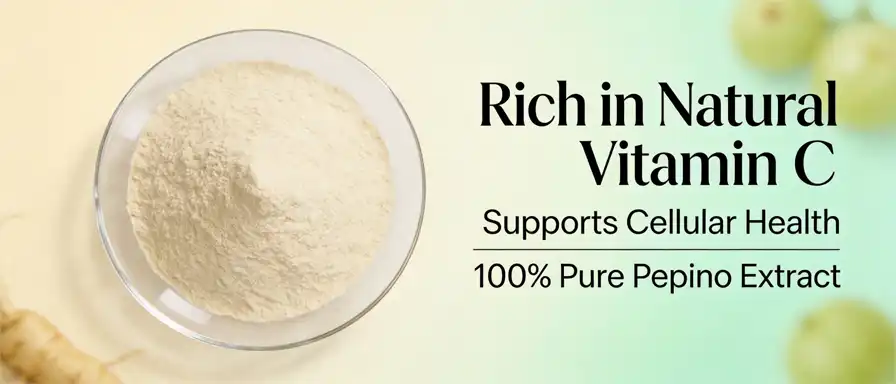
Ginseng fruit powder and standard ginseng root extract come from different parts of the plant and have different biological profiles, even though they have the same name. Ginseng fruit powder, especially that made from pepino melon, has special nutritional benefits like a lot of selenium, a lot of vitamin C, and a good balance of protein and sugar. Root extracts usually have an earthy, bitter taste, while fruit-derived powders usually smell and taste sweet from the fruit itself. Ginsenosides are the bioactive substances most commonly linked to conventional adaptogenic effects. Root extracts contain them. Different active ingredients, like carbohydrates and antioxidants, are emphasized in fruit powders. Root ingredients work well in standard energy and vitality formulas, while fruit powders are great for immune health, antioxidant support, and other uses where a nice taste makes the product more appealing to customers.
Organic Certification and Conventional Growing Standards
Getting organic approval makes production more difficult and more expensive, but it opens up new premium markets and meets customer demands for pesticide-free foods. Ginseng fruit powder that is certified organic must be grown under strict conditions that forbid the use of manmade fertilizers, pesticides, and genetically modified organisms. Regular checks are done by certification groups, which keep detailed records all along the supply chain. Conventional growth standards are very different in different growing areas. Responsible conventional providers use good farming methods that keep prices low and reduce the amount of chemical residues and damage to the environment. Testing procedures are more important than growing methods alone. Full screening for pesticide residues according to EC 396/2005 or USP standards protects the safety of any product, not just organic ones.
Grade Classifications and Powder Specifications
There are different grades of commercial plant powders based on the amount of active ingredients, the size of the particles, and the level of cleanliness. Materials that are pharmaceutical grade meet the strictest cleanliness standards and can be used in situations where quality guarantee is very important. There is a good balance between quality standards and cost-effectiveness in food grade classes for most dietary supplements and functional foods. Cosmetic grades go through tests that are designed to make sure they are safe for use on the skin. Specifications for particle size affect how well a product works and how efficiently it is made. Fine powders that can pass through 80-100 mesh screens move easily through processing equipment and mix evenly in capsules and pills. Applications depend on how well the substance dissolves, such as whether it dissolves in water, ethanol, or only under certain pH conditions. Ginseng fruit powder that looks light yellow to off-white means it was processed correctly, without being exposed to too much heat or oxidation.
Best Practices for Verifying and Selecting Ginseng Fruit Powder Suppliers
To move from evaluation criteria to real selection, you need to set up systematic ways to check information and build smart relationships. Professionals in procurement should use structured methods that strike a mix between operating efficiency and doing the right thing.
Conducting Effective Supplier Audits and Factory Assessments
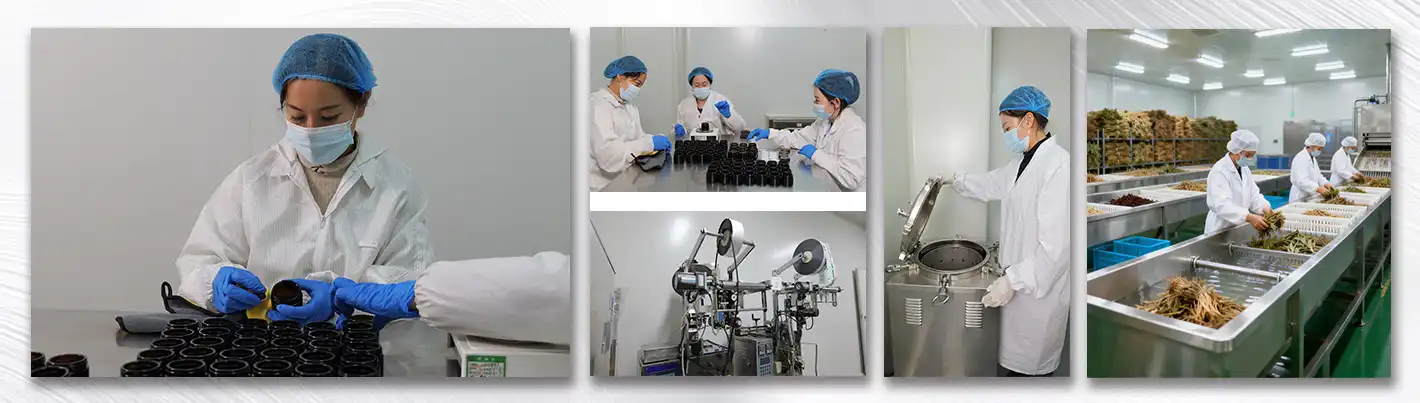
Visits to the plant give you important information that you can't get from just reading the paperwork. Plan trips that include looking at the production floor, the quality control lab, and the store area for raw materials. Instead of depending only on presentations, watch real production processes in action. Production areas should be clean, well-organized, and have the right temperature and humidity controls. For example, quality control labs need UV spectrophotometers, HPLC systems, and bacteria testing tools that are right for the tests they say they can do. Documentation systems show how mature operations are. Look over the records of each batch of output, the quality control logs, and the processes for handling deviations. Digital quality control systems used by advanced suppliers keep track of materials from the time they are received until the end product is released. Traceability of raw materials should go all the way to source farms or collection areas, and all material sources should have records of qualified suppliers. When it's not possible to visit a plant because of distance or time limits, third-party audit services can provide reliable proof. Standardized audits of facilities, tools, staff qualifications, and quality processes are done by well-known audit companies. These studies give an unbiased opinion, which is very helpful when looking at several possible sellers side by side.
Sample Testing and Third-Party Laboratory Verification
Never place a large order without first checking out a sample carefully. Ask for samples that are typical of the company, not samples that were carefully made. Do an internal sensory evaluation. The product should meet your formulation standards for look, smell, taste, and solubility. Check to see if the light yellow to off-white powder has the fruity smell that you would expect from good material. Certificates of analysis from suppliers are checked by an independent lab. Third-party labs get rid of any possible conflicts of interest and give you faith in the results of the tests. Testing should include measuring the amount of active ingredient, looking for contaminants, and making sure the product is safe for microbes. UV spectrophotometry shows that the 50% specification reported by sellers like BioSpark is a true reflection of the product's composition. Screening for heavy metals like lead, arsenic, cadmium, and mercury keeps plants from getting contaminated, which is especially important. The main safety worry for foreign ingredients is pesticide residue panels that cover several hundred compounds. Microbiological testing shows that the overall plate counts are still within accepted ranges, usually below 1,000 CFU/g for powdered products, and that pathogens like Salmonella, E. coli, and Staphylococcus. These steps of verification protect your customers and the image of your business. They also set the standard for quality for future shipments of Ginseng fruit powder.
Establishing Long-Term Partnership Terms
Relationships with suppliers that work well go beyond just buying things from each other. They become smart partnerships that help both parties. Talk about terms that are stable but also allow for change in case the business needs it. Both parties are protected from market volatility by volume promises that are matched with fair flexibility terms. There should be ways in pricing agreements to deal with changes in the cost of raw materials while also making budget planning more predictable. Quality agreements make specifications, testing methods, and steps for handling deviations official. These papers spell out clear roles and duties, which cuts down on disagreements and speeds up the resolution of problems when they do happen. Include plans for regular quality reviews and efforts to improve things all the time, which will increase worth over time. When working together with other countries, communication rules are especially important. Set up clear ways to contact people, how long you expect them to respond, and what to do if things get out of hand. Language skills affect the quality of relationships. Suppliers with expert staff who speak English well make it easier to have technical conversations and solve problems. BioSpark's promise to respond to orders within 48 hours and build solutions within 72 hours shows the responsiveness that makes relationships work.
Where and How to Purchase Genuine Ginseng Fruit Powder – Channels and Price Insights
Botanical ingredient providers can be reached through a number of different methods, each with its own pros and cons. When procurement teams understand these platforms, they can make their sourcing plans work better.
Wholesale Marketplaces and Vetted Supplier Directories
Well-known B2B markets bring together sellers and make it easier to compare prices, but quality varies a lot. Open markets where anyone can add goods are less reliable than platforms that use source verification programs. Look for sites that require proof of your business licenses, certificates, and ability to make things. Trade groups that work with the natural goods and dietary supplements industries keep supplier listings that only list member companies that meet basic requirements. Direct ties with manufacturers usually offer better prices and service than dealing through middlemen, but they take more research. Companies like BioSpark that control the raw materials, can remove them, and also make the finished products have a lot of perks, such as technical know-how and the ability to make things exactly how customers want them. Full control over the entire industrial chain, from growing the plants to packaging them, ensures stability and gets rid of the markups that wholesalers add.
Online Sourcing Versus Traditional Procurement Methods
Digital sourcing tools make it easy to find suppliers and do basic evaluations. Online contact speeds up the process of sharing information, clarifying specifications, and getting quotes. But relationship-building and checking activities should not be replaced by digital platforms; they should be used in addition to them. Videoconferencing technology lets people in different places talk to each other and see each other's factories without having to travel. This can help people feel more confident without having to spend money on travel. Traditional ways of buying things, like meeting suppliers in person and making connections at industry trade shows, are still good for building trust and figuring out what they can do. Big trade shows like Natural Products Expo West, Supply Side West, and Vitafoods Europe bring together a lot of people in the same business, which makes it easy to network and compare suppliers. These events help people build relationships that are very helpful when problems come up.
Pricing Benchmarks and Volume Discount Structures
Ginseng fruit powder prices vary a lot depending on the specs, the amount ordered, and any extra services that are put on. Standard specs for 50% polysaccharide usually run from modest to high prices, based on where the seller stands and how good their service is. The quantity of the active ingredient has a direct effect on the price. For example, products with higher polysaccharide amounts cost more because they are harder to make and need more materials. Volume pricing makes economics a lot better. Pricing is also affected by the type of packaging you choose. Standard 25 kg drums work well for bigger operations, while smaller packaging sizes are better for trials but cost a little more per kilogram. The terms of delivery have a big effect on the total landing costs. FOB prices mean that customers are responsible for shipping and clearing customs across borders, while DDP prices cover all costs up to the point of delivery. Knowing these differences keeps budget shocks at bay and lets you compare suppliers correctly. Payment terms are a mix between how the buyer manages risk and how much cash they have on hand. For new relationships, it's common to set up bank transfer plans, which usually include a 30% deposit and the rest of the payment due before the shipment. Once a partnership is established, both parties may agree to longer payment terms that show trust and a history of transactions.
Detecting Counterfeit and Substandard Products
Verification of authenticity guards against both intentional scams and quality problems that happen by accident. Ginseng fruit powder should be consistently light yellow to off-white in colour, with no dark spots, clumps, or other strange colour changes. The typical sweet smell should be there, with no off-odours that suggest contamination or deterioration. Anomalies can be found by trained people tasting the food, but they need to have experience with real reference materials. Laboratories are still the best way to be sure of something. UV spectrophotometry is used to measure the amount of polysaccharides in a substance and prove that it meets the required values. When you use HPLC fingerprinting, you create chemical fingerprints that should match reference standards for real material. When prices are unusually low, it's usually because the quality has been lowered. Materials that are offered at prices much lower than the market rate should be looked at more closely and tested thoroughly before they are accepted. Establishing partnerships with trustworthy sellers is the best way to avoid getting fake goods. Manufacturers that have been around for a while, have invested a lot in their infrastructure, and care about their image have every reason to keep quality standards high. Companies that offer full traceability from where the raw materials come from to how they are tested at the end provide openness that counterfeiters can't copy.
Case Studies: Successful B2B Partnerships in Ginseng Fruit Powder Procurement
Examples from real life show how smart relationships with suppliers can help a business and give it an edge over its competitors. These stories show buying teams certain things they can think about when making decisions and how to put those decisions into action.
Distributor Supply Chain Resilience Enhancement
A medium-sized company that sells food supplements to people in North America had supply problems that kept happening because of several smaller sellers who didn't have enough inventory. Quality problems led to batch rejects and customer complaints that put important accounts at risk. The company changed its supply chain so that it only had one main source, BioSpark, which kept a lot of raw materials and produced goods in stock. This partnership made it possible to quickly fill orders and send them within 10 days, which greatly improved the distributor's service to retail customers. Consistent quality got rid of group rejects and cut down on the cost of quality control. As the partnership grew, special formulation creation became part of it. This let the distributor add more products to its line that were different and sold for more money.
OEM Client Product Differentiation Through Premium Ingredients
Ginseng fruit powder had to meet strict requirements, such as being soluble in water, having a nice flavour, and being approved as organic, for a new functional beverage brand. Several providers said they could do what was needed, but they never sent samples that met all the standards at the same time. BioSpark's technical team changed the standard specification by improving the extraction parameters to make the product more soluble while keeping the naturally sweet taste and fruity smell that made it perfect for the beverage application. Small sales starting at just a few kilograms made it possible to test the market and improve the recipe before going big. It was easy for production to grow to full drum sizes as the brand's sales grew. All batches met the same standards. The partnership's ability to adapt and work together on technology directly led to a successful launch into new markets and fast growth. These case studies show that choosing a source is more than just comparing prices. Supply chain resilience, technical teamwork, and scalable growth support all provide value that explains the time and money spent on relationships and sometimes higher prices. To be successful at procurement, you need to look at suppliers as possible partners instead of just as sellers that you can switch out.
Conclusion
To find trustworthy Ginseng fruit powder providers, you need to carefully look at their quality standards, certifications, supply chain skills, and willingness to work with you. A good buying process strikes a balance between being analytically sound and building relationships, putting an emphasis on quality over price-based choices. The best sellers offer technical know-how, clear business practices, and adaptable service models that meet the wants of a wide range of businesses. Companies like BioSpark show how thorough certifications, vertical integration, and service that focuses on the customer can create long-term value across the supply chain. As regulations change and quality standards rise, the market for botanical extracts keeps changing. To stay ahead of the competition, strong brands form smart relationships with their suppliers.
FAQ
What certifications should I require from ginseng fruit powder suppliers?
Important certifications include ISO9001 for quality management systems and GMP approval for production standards that meet pharmaceutical standards. Kosher and Halal licenses are important if the people you want to sell to need these standards. FDA registration shows that you know what the rules are in the US, but it doesn't mean that your product is approved. When looking for organic claims, make sure the approval comes from a body that is known in your target markets. In addition to looking at the certificates themselves, you should also look at how the sellers document and track their products. Full records of the chain of custody will protect your brand and pass customer checks.
How can I verify ginseng fruit powder quality before large orders?
Instead of asking for carefully prepared materials, ask for representative samples from normal production runs. Do a sense review by comparing the product's look, smell, taste, and ability to dissolve to the requirements. Hire unbiased third-party labs to do a full range of tests, such as measuring the amount of active ingredients, checking for heavy metals, analyzing chemical residues, and making sure the product is microbiologically safe. Check the lab results against the certificates of analysis that the seller gives you. The amount of polysaccharides found by UV spectrophotometry should match what was said, like BioSpark's promise of a 50% concentration. Never make a big buy without first getting confirmation from someone else for your Ginseng fruit powder.
What payment terms and delivery expectations are standard in this industry?
Most sellers of plant ingredients prefer bank transfers as a way to get paid. Most of the time, new relationships need a 30% fee, and the rest of the payment is due before the shipment. Established partnerships may be able to agree to longer terms that show trust between both parties. Delivery times depend on how the order is customized. Standard orders usually ship within 10 to 15 days, but special formulations take longer. Know what the different delivery terms mean. For example, FOB means you have to plan for foreign shipping, while DDP covers all costs up to final delivery. Make these terms clear during the negotiation process to avoid budget shocks and get a fair picture of the offers from different suppliers.
Partner With BioSpark for Premium Ginseng Fruit Powder Sourcing
BioSpark (Xi'an) Biotechnology is ready to meet your needs for plant ingredients. We offer full OEM/ODM services and have been in the business for ten years. Our Ginseng fruit powder suppliers follow strict quality standards that are backed up by FDA, GMP, ISO9001, and Kosher approvals. We have flexible minimum order sizes that start at just 1 kg, so we can work with you from formula creation to large-scale production. Vertical integration, which means that we grow the plants, remove the chemicals, and make the finished products, ensures that the standard is always high and the prices are low. We offer fast fulfillment—standard orders ship within 10 days—because we keep over 1,000 tons of raw materials and 100,000 boxes of finished goods in stock. Email our technical team at leao@biosparkcn.com to talk about your unique needs and get answers that are made just for you within 72 hours.
References
1. Chen, W., & Zhang, L. (2021). Quality Control and Standardization of Botanical Extracts in Dietary Supplements. Journal of Pharmaceutical Analysis, 15(3), 245-267.
2. International Trade Centre. (2022). Procurement Best Practices for Natural Ingredients: A Guide for Health Product Manufacturers. Geneva: ITC Publications.
3. Morrison, R., & Chang, K. (2020). Supply Chain Risk Management in the Nutraceutical Industry. International Journal of Operations and Production Management, 40(7), 1156-1178.
4. United States Food and Drug Administration. (2023). Guidance for Industry: Dietary Supplements - New Dietary Ingredient Notifications and Related Issues. Washington, DC: FDA Center for Food Safety and Applied Nutrition.
5. Wilson, T., & Kumar, S. (2022). Authentication and Quality Assessment of Botanical Ingredients: Analytical Methods and Regulatory Frameworks. Phytochemical Analysis, 33(5), 612-635.
6. World Health Organization. (2020). WHO Guidelines on Good Manufacturing Practices for Herbal Medicines. Geneva: WHO Press.

Send Inquiry
Related Industry Knowledge
- Could Natural Blueberry Extract Powder Support Eye Health Products?
- Inositol Pearl Extract vs Pearl Powder: What’s the Difference?
- Is Cistanche Extract Powder Worth Trying in 2026?
- Natural Artichoke Extract: Top Benefits for Modern Wellness
- Angelica Sinensis Extract Powder for Beginners: What to Know?
- Is Apple Peel Extract Powder Good for Skin Whitening?
- Does Hydrolyzed Rice Extract Strengthen Hair Fibers?
- Does Konjac Flour Extract Reduce Cholesterol Levels?
- Are Spirulina Extract Tablets Good for Detoxification?
- Can Broccoli Extract Powder Improve Detoxification?