_1764041963888.webp)
Best Blackberry Juice Powder for Beverage and Supplement Brands
Aug 25, 2026
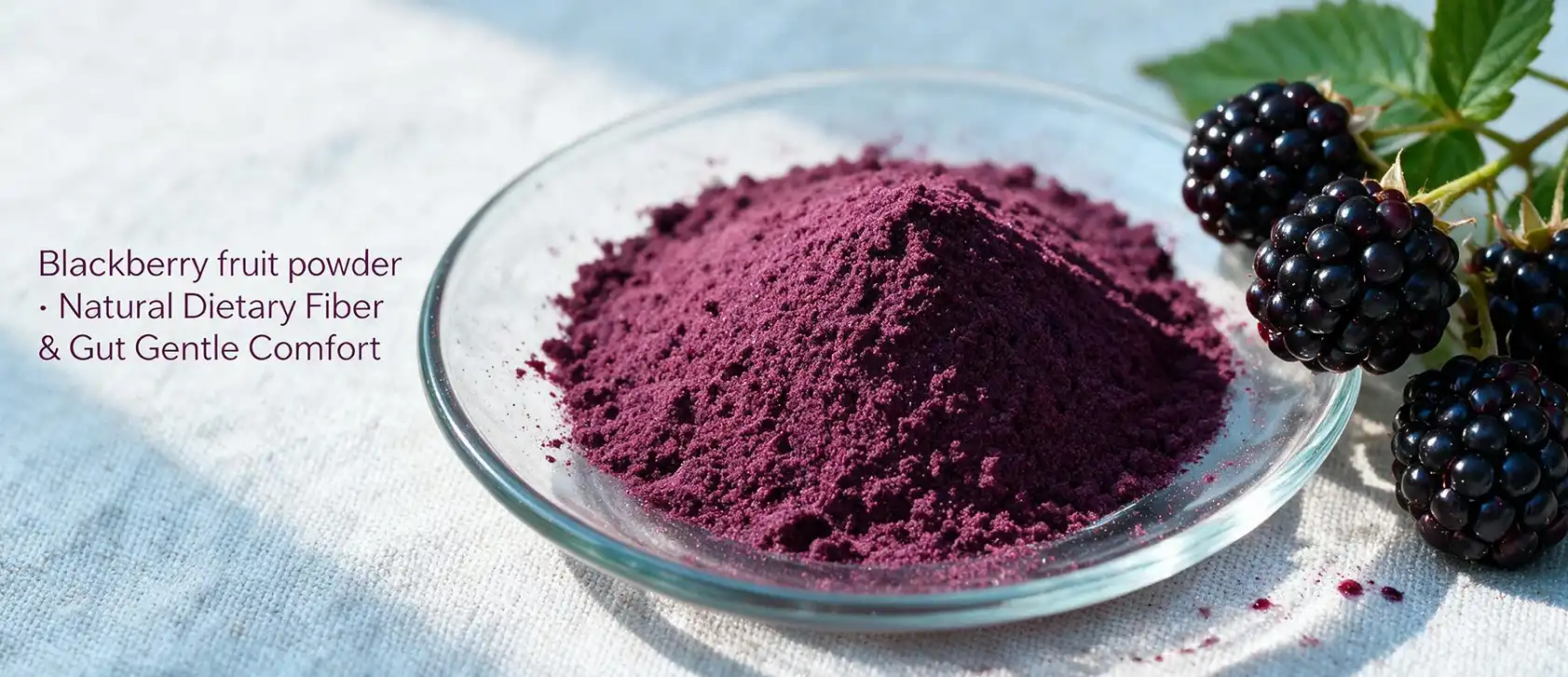
When sourcing ingredients for beverage formulation or supplement production, selecting the best blackberry juice powder becomes a strategic decision that directly impacts product quality, consumer appeal, and regulatory compliance. This specialized ingredient combines concentrated anthocyanins, natural colorant properties, and functional health benefits in a shelf-stable format. For procurement professionals in the US market navigating clean-label trends and FDA compliance requirements, understanding the technical specifications, supplier capabilities, and formulation applications of blackberry powder ensures competitive advantage while meeting increasingly sophisticated consumer expectations for natural, effective wellness products.
Understanding Blackberry Juice Powder: Composition and Benefits
Blackberry juice powder is a rich source of nutrients that comes from advanced extraction methods that keep bioactive chemicals that are normally broken down by heat processing. To make it, supercritical CO2 extraction and membrane separation technology are used together. This technology works at low temperatures to protect anthocyanins and polyphenols that are sensitive to heat.
Production Methods and Technical Specifications
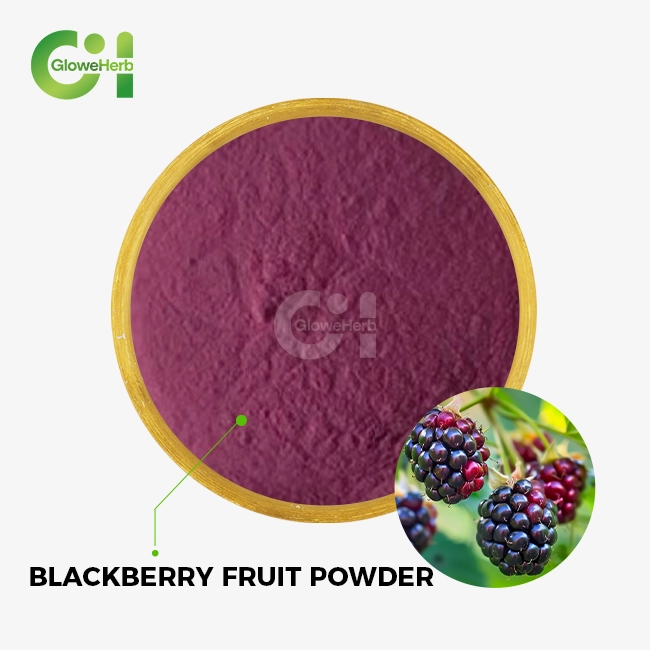
The way that premium Blackberry juice powder is made is different from other types of powder. Bioactive chemicals can be selectively separated using supercritical CO2 extraction, and anthocyanins can be concentrated to standard amounts that can be checked with HPLC. This makes a fine powder that is dark purple to purplish-black and has 10% anthocyanins. This percentage gives consistent colorant strength and antioxidant activity across formulas. Freeze-dried whole fruit powders contain insoluble fiber that can change the texture of drinks. Extracted juice powder, on the other hand, dissolves better in water while still retaining some ethanol solubility for certain uses.
Nutritional Profile and Functional Properties
This food has more than just anthocyanins. It also has bioavailable types of polyphenols, vitamin C, vitamin K, iron, zinc, selenium, and B-complex vitamins. Clinical study on bilberry and Blackberry juice powder anthocyanins backs up these claims that they support retinal health and may help reduce eye tiredness. The pH-stable colorant properties are useful for people who make drinks because they work well in both acidic and neutral systems, such as fruit drinks and protein shakes. The people who make supplements like that ORAC values show how concentrated the antioxidant capacity is. This backs up claims on the label that the supplement can protect cells and slow down the aging process.
Organic versus Conventional Considerations
People who are worried about genetic change can get non-GMO certification, and people who want to buy organic products can get organic certification. The decision affects both regulations and how the company positions itself in the market. Prop 65 in California sets strict limits on the amount of heavy metals that can be in products sold in the state. This makes supplier testing protocols very important. Certifications like ISO9001, GMP, FDA registration, Kosher, and Halal make it easier to get into markets with a wide range of customers and rules.
Key Considerations When Choosing Blackberry Juice Powder for Your Brand
To choose the best Blackberry juice powder, you need to look at more than just basic quality factors. To lower formulation risks and regulatory exposure, procurement professionals must look at purity, consistency, stability, and the supplier's skills.
Quality Metrics and Testing Standards
HPLC testing confirms the amount of anthocyanin in a sample, which is important for making sure that the color matches and that the dosage is correct from batch to batch. Suppliers you can trust give you Certificates of Analysis that show the anthocyanin profile, not just the total concentration. ICP-MS testing for heavy metals reduces the risk of contamination, especially for products aimed at California markets where Prop 65 rules require levels of lead and arsenic to be below 1 ppm. Food safety rules are followed by microbiological tests like Total Plate Count, yeast/mold screening, and pathogen verification. As long as the moisture level stays below 5%, caking and bacteria growth won't happen during the 24-month shelf life.
Comparing Powder Forms and Alternative Ingredients
Spray-dried whole fruit powder or freeze-dried berry pieces are very different from extracted juice powder. Fruit powders that are whole have fiber in them, which makes clear drinks cloudy and smooth drinks gritty. It takes more of the colorant to work well on freeze-dried pieces because they are not as concentrated. Higher anthocyanin amounts (15–25%) in controlled extracts make supplements more effective, but they may lose the wider polyphenol profile. The 10% anthocyanin level is the right amount of concentration for getting all the health benefits of the whole berry juice extraction.
Evaluating Supplier Reliability and Capabilities
Along with product specifications, a supplier's evaluation should look at the depth of their inventory, their production capacity, their ability to accommodate customizations, and their technical support. Suppliers who keep an inventory of 1,000 tons or more make sure that high-volume buyers who use just-in-time production plans can always get what they need. Advanced research and development skills are shown by microencapsulation technology that keeps anthocyanin stable during storage and processing. Low-pH systems can be a pain because colors fade. But, patented stabilization formulations for acidic beverage applications solve this problem. Protecting secret formulations with an NDA gives private-label clients and brands working on unique product marketing peace of mind.
Minimum order amounts determine how easy it is for new brands and established makers to get their products. A minimum order quantity of 1 kg makes sampling and trying small batches cheap, while drum packing for 25 kg is best for buying in bulk. Different shipping methods (rapid, air, sea) and delivery terms (FOB, CIF, DDP) can be used to meet different budget and logistics needs.
How to Use Blackberry Juice Powder in Beverages and Supplements
Blackberry juice powder has a lot of economic and practical value when it is used correctly in a variety of product forms. To get the best results, you need to know about dosage amounts, stability issues, and formulation methods.
Dosage Recommendations and Storage Protocols
For beverage uses, a concentration of 0.5 to 2% is common, depending on the color intensity and flavor profile that are wanted. Anthocyanins change from red to purple in acidic and neutral environments, so natural colorants need to be tested across the whole pH range. Eye health supplements usually have 100 to 300 mg of anthocyanins per serving, which is about 1 to 3 grams of 10% standardized powder. Formulas that support antioxidants may use bigger doses along with ingredients that work well together, like resveratrol or grape seed extract.
Keeping anthocyanin in the body is directly affected by how it is stored. Packaging that is vacuum-sealed and flushed with nitrogen protects against oxidative degradation. Once the bottle is open, keeping it in a cool, dark place with little air flow will keep it working. Microencapsulated versions are more stable during manufacturing processes that use heat or leave them exposed to light for a long time.
Formulation Strategies for Optimal Results
Because the color of anthocyanin changes with acidity, people who make drinks should test for pH stability. In pH levels that are hard to work with, buffering agents or microencapsulated forms keep the color consistent. People who make protein drinks have to check to see if anthocyanins and protein molecules can react in ways that could lead to smoke or precipitation. Compatibility problems can be fixed with clarifying agents or different processing sequences.
When supplement companies mix Blackberry juice powder with other antioxidants, they should think about how the different antioxidants might work together. Using astaxanthin and anthocyanins together fights both water-soluble and lipid-soluble oxidative stress. Adding zeaxanthin and lutein to eye health products makes them more complete by protecting the retina in more than one way.
Real-World Application Examples
Functional smoothie brands use Blackberry juice powder at a concentration of 1% to 1.5%, which gives the smoothies a bright purple color and 50 to 75 mg of anthocyanins per serving. This helps with clean labeling and lets claims like "rich in antioxidants" go forward. Stabilized Blackberry juice powder is used instead of fake Purple #1 in energy drinks because it is a natural ingredient that people can recognize and doesn't take away from the bright color people connect with performance drinks.
A new supplement brand made their eye health formula stand out by adding 25% anthocyanin blackberry extract to standard lutein and zeaxanthin. They marketed the product as the "next generation" of eye supplements, offering more polyphenol protection than previous versions. The unique placement led to higher prices, while the method of combining ingredients lowered the cost of anthocyanins per unit compared to using bilberry extracts from a single source.
Market Insights and Procurement Strategy for B2B Buyers
By understanding how markets work, how prices are set, and what factors affect the supply chain, you can make smart decisions about where to buy things that balance quality, cost, and dependability.
Current Market Trends Driving Demand
As rules on manmade colors get stricter, the market for natural colorants grows. Because the European Union is gradually banning some manufactured colorants, formulas need to be changed quickly, which increases demand for anthocyanins. People in the US prefer clean-label goods, which speeds up the voluntary switch away from fake colors even when there aren't any laws that require it. When beverage brands change the recipes for their most popular products, it opens up huge volume opportunities for suppliers who can show that their products are color stable and cost less than synthetic alternatives.
The category of eye health supplements has grown beyond lutein-only products and now includes full antioxidant blends. People who are older and worried about spending too much time in front of a screen want multi-mechanism formulations. Blackberry anthocyanins work well with standard carotenoids, which opens up new ways to make formulations. Anti-aging and "beauty from within" are two other groups that drive demand for products that are high in anthocyanins. Skin health claims are backed up by clinical research.
Pricing Analysis and Negotiation Strategies
Prices for Blackberry juice powder depend on the amount of anthocyanin, the level of approval, the size of the order, and any extra processing that adds value. When it comes to cost, standard 10% anthocyanin powder is the best choice for most uses. Higher concentrations (15–25%) come with higher prices, which are only reasonable when dosage forms need the most potency in the smallest amount of space. Organic certification raises prices by 20 to 40 percent, and it's only worth it if you're going after high-end retail channels where certification affects buying decisions.
Thru annual framework deals, volume promises let you get better prices. By agreeing to make minimum purchases every three months, you can keep prices stable and make sure you have enough supplies when seasonal availability changes. Negotiating longer payment terms (30–60 days instead of upfront payment) can help with managing cash flow, but sellers may need to see that you've been a good customer before they'll give you credit.
Logistics and Regulatory Compliance Considerations
Lead times usually run from 10 days for standard specs and ready stock to 30 days for custom formulas or processing that needs to be done in a special way. US buyers should check that the factory is registered with the FDA and following the rules for Current Good Manufacturing Practice. Customs paperwork needs to correctly list the type of product; for example, if a product is a natural colorant or a dietary ingredient, the tariff codes and import duties will be different.
DDP (Delivered Duty Paid) terms make it easier to import goods because they let the supplier handle customs clearance. However, FOB terms often offer better prices for buyers who already have logistics partners. Air freight speeds up delivery for urgent needs or small-batch sampling, while sea freight saves money for container-load volumes, even tho it takes 4 to 6 weeks to get from Asian suppliers to the United States.
Top Brands and Recommended Suppliers of Blackberry Juice Powder
Choice of supplier affects long-term product quality, ability to innovate, and supply security. By looking at more than just price, like specialized skills and the chance of forming a relationship, you can gain a competitive edge.
Criteria for Supplier Assessment
Certification files show how mature a quality system is and how well it can reach new markets. ISO9001 shows that the process is being controlled, and GMP approval talks about the special needs of making dietary supplements. Getting an FDA facility registered lets goods legally enter US markets. Kosher and Halal certifications make it easier to reach a wider range of consumers.
The technology used in manufacturing sets innovation partners apart from commodity suppliers. Supercritical CO2 extraction shows that money was spent on high-tech processing tools that keep the biological purity. Instead of just spray-drying the whole juice, membrane separation technology shows the ability to concentrate certain compounds. Proprietary stability technologies that stop acidic drinks from losing their color solve formulation problems that generic sellers can't fix.
Sampling and Testing Protocol
Before agreeing to a certain amount of production, buying teams should ask for 1 kg samples to be thoroughly tested. As part of the testing, the anthocyanin concentration should be confirmed by an independent lab using HPLC analysis. The solubility in target formulation materials should also be checked, as well as the color stability across relevant pH ranges and storage conditions. Finally, the organoleptic qualities should be confirmed to meet brand standards. When you compare current suppliers or other sources side-by-side, you can find performance differences that justify higher prices or encourage you to switch suppliers.
Building Strategic Supplier Partnerships
In transactional buying relationships, the only thing that matters is the cost per unit. Strategic relationships include working together to create new formulas, keeping each other informed about crop estimates that might affect availability, giving priority to certain brands when supplies are low, and creating custom solutions that meet the needs of each brand. When suppliers and buyers work together for a long time, they can invest in specialized processing or stocking to meet the needs of the buyer. Price stability and supply security that can't be found in spot-market purchases are provided by multi-year deals with volume guarantees.
BioSpark is a good example of a strategic supplier because it lets customers choose the anthocyanin concentrations (2–25%), works with researchers to improve color stability, has variable minimum orders starting at 1 kg, and provides full regulatory support, including label claim proof. Instead of competing only on commodity specifications, this focus on partnerships helps brands stand out by forming a strategic relationship with a Blackberry juice powder maker.
Conclusion
Anthocyanin content, color stability, source dependability, certification compliance, and cost structures are just a few of the factors to consider when sourcing the best Blackberry juice powder. Because the ingredient can be used as both a natural colorant and a functional supplement, it is useful for a wide range of product development strategies. Professionals in purchasing who know about technical specs, look at a supplier's skills beyond price, and use smart partnerships can help their brands succeed in markets that want natural, effective, and clear products more and more. As regulations against manufactured additives get stricter and people's concerns about their health change, Blackberry juice powder can help with current manufacturing problems and lay the groundwork for new products in the future.
FAQ
Is blackberry juice powder safe for all age groups?
It is safe for most people to eat Blackberry juice powder that has been processed in a food-grade facility. The ingredient comes from nature and is generally recognized as safe (GRAS) according to FDA rules, which means it can be used in a lot of different ways. Supplements should come in doses that are right for the person's age, and brands that are aimed at kids should make sure that the ingredients don't cause choking risks and are in line with juvenile nutrition standards.
How does the antioxidant content compare with fresh blackberries?
Because of the concentration process, the anthocyanin density is 10–20 times higher than in fresh fruit. Fresh blackberries have about 0.5 to 1% anthocyanins by weight, but measured Blackberry juice powder has 10% or more. But processing may lower the levels of some water-soluble vitamins, like vitamin C. However, concentrated minerals and polyphenols make up for this. Powder format also gets rid of the problems with seasonality and spoilage that come with fresh fruit.
What certifications should procurement teams prioritize?
FDA facility registration and GMP certification are necessary to get into the US market. Brands that want to sell in high-end stores should check that the products are non-GMO certified and think about getting organic certification if the higher price is worth it. Kosher and Halal certificates allow you to reach more people. Heavy metal compliance testing for California Prop 65 protects against regulatory exposure. Getting ISO9001 certification means that your quality systems are stable and can support regular production.
Partner with BioSpark for Premium Blackberry Juice Powder Supply
For beverage and supplement brands looking to gain a competitive edge through ingredient innovation, BioSpark (Xi'an) Biotechnology Co., Ltd is a reliable Blackberry juice powder supplier that provides complete solutions. Our standard 10% anthocyanin powder has stable quality that is proven by HPLC tests. It also has ISO9001, GMP, FDA, Kosher, and Halal certifications to make sure it meets the needs of all of these markets.
What makes our approach unique is that we can customize it in any way you want, from 1 kg minimum orders to production-scale volumes; we can also do rapid sampling so that formulation testing can be done within 10 days; we have our own stabilization technology that stops color loss in acidic beverage systems; and we can work with you on research and development to help you combine antioxidants that work well together. Our OEM and ODM services go beyond just supplying ingredients. They also include full product development, from the idea to branded packing, which speeds up time to market. Our technical team can help you with any problems you're having with your application, whether you need natural colorant solutions, eye health supplement formulations, or antioxidant-rich functional beverages. Email our experts at leao@biosparkcn.com to get samples, talk about unique requirements, or find out how forming a strategic relationship with a Blackberry juice powder maker can help your brand stand out and do well in the market.
References
1. Wang, S. Y., & Lin, H. S. (2020). Anthocyanins and their role in human health: A review of recent research advances. Journal of Functional Foods, 68, 103876.
2. Khoo, H. E., Azlan, A., Tang, S. T., & Lim, S. M. (2017). Anthocyanidins and anthocyanins: Colored pigments as food, pharmaceutical ingredients, and their health benefits. Food & Nutrition Research, 61(1), 1361779.
3. Pojer, E., Mattivi, F., Johnson, D., & Stockley, C. S. (2013). The case for anthocyanin consumption to promote human health: A review. Comprehensive Reviews in Food Science and Food Safety, 12(4), 483-508.
4. Giusti, M. M., & Wrolstad, R. E. (2021). Characterization and measurement of anthocyanins by UV-visible spectroscopy. Current Protocols in Food Analytical Chemistry, 00(1), F1.2.1-F1.2.13.
5. Rodriguez-Amaya, D. B. (2019). Natural food pigments and colorants. Current Opinion in Food Science, 7, 20-26.
6. Crowe-White, K. M., Evans, L. W., Kuhnle, G. G. C., Milenkovic, D., Stote, K., Wallace, T., Handu, D., & Senkus, K. E. (2022). Flavan-3-ols and cardiometabolic health: A systematic review. Advances in Nutrition, 13(6), 2070-2083.

Send Inquiry
Related Industry Knowledge
- Can papaya leaf extract powder support digestion and gut health?
- What Makes Ghanaian Seed Extract a Powerful Antioxidant?
- Freeze-Dried vs Spray-Dried Cape Gooseberry Powder: Which Wins?
- High-Quality Purple Cabbage Powder for Product Developers
- Can gardenia fruit powder be used as a natural food coloring?
- What are the anti-fatigue benefits of snow lotus powder?
- Can Tribulus Terrestris Extract Powder Improve Muscle Growth?
- Can Pomegranate Peel Extract Powder Support Weight Management?
- Angelica Sinensis Extract Powder: Premium vs Standard Extracts
- Rhizoma Chuanxiong Extract for Migraine Relief Solutions