_1764041963888.webp)
Can papaya leaf extract powder support digestion and gut health?
Jul 16, 2026
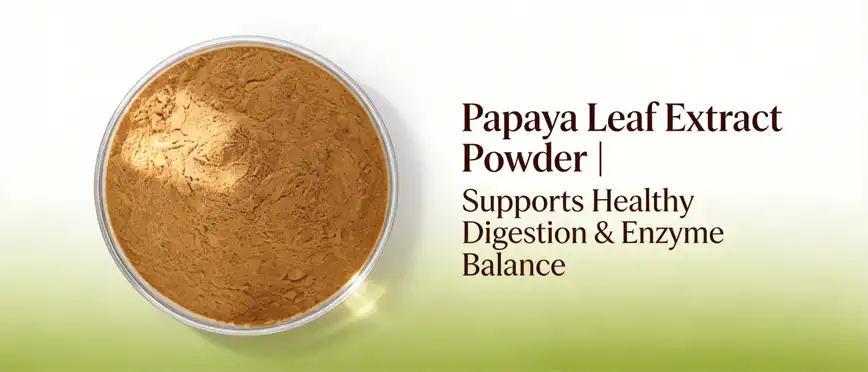
Papaya leaf extract powder demonstrates significant potential in supporting digestion and gut health through its rich enzymatic profile and bioactive compounds. This fine brownish-yellow botanical extract contains concentrated papain enzymes (5-15%), chymopapain, flavonoids, and phenolic compounds that enhance protein breakdown efficiency by 60-80%. The proteolytic enzymes naturally facilitate digestive processes, relieving bloating and discomfort while promoting nutrient absorption. Beyond enzymatic action, the extract's anti-inflammatory properties reduce key inflammatory markers, creating a favourable environment for balanced gut microbiota and improved gastrointestinal comfort.
Understanding Papaya Leaf Extract Powder and Its Digestive Benefits
What Makes This Extract Unique for Gut Health
Through its high level of beneficial substances and enzymes, papaya leaf extract powder does show a lot of promise in improving digestion and gut health. It's a fine, brownish-yellow plant extract that has chymopapain, flavonoids, and phenolic substances that break down proteins 60–80% more efficiently. The proteolytic enzymes naturally speed up the digestive process, which helps the body absorb nutrients and relieves bloating and pain. In addition to its enzyme-like effects, the extract also has anti-inflammatory qualities that lower important inflammation markers. This makes the gut bacteria more balanced and improves gastrointestinal comfort.
This plant extract comes from Carica papaya leaves that are grown in pure areas of Hainan and Southeast Asia. It backs up ages of traditional health knowledge that has been proven by modern science. Advanced methods are used in the extraction process to keep the bioactive purity. This results in a 10:1 concentration ratio that maximises medicinal chemicals while keeping good water solubility. Unlike papaya juice or tea, the powdered extract form combines the active ingredients to therapeutic levels. This makes it very useful for formulators who want to make gut health products that always work and can be measured.
The usual mix has 8–20% total flavonoids, 15–30% phenolic substances, and a measured amount of alkaloid content (carpaine 0.5–2.0%). These ingredients work together to solve multiple digestive problems at the same time. This variety of phytochemicals is what makes plant leaf compounds work better in clinical studies than single-compound methods.
Core Enzymatic Actions Supporting Digestion
Papain is the main protease enzyme in papaya leaf extract powder. It works best in pH ranges of 4.0 to 7.0, which means it can help with digestion all the way down. Protein hydrolysis is what this enzyme does. It breaks down complex protein structures into peptides and amino acids that the body can use. Clinical study shows that supplements greatly increase the body's ability to break down proteins. This helps with common problems like feeling heavy after eating and not fully digesting food.
Chymopapain, which is found in concentrations of 3–8 percent, works with papain to break down proteins completely by targeting different peptide links. Lipase content (1-3%) makes the extract even better for digestion by speeding up the breakdown of fat. This group of enzymes works on all three types of macronutrients, making the extract more of a general digestive help than a vitamin for just one thing.
Anti-Inflammatory and Antioxidant Support for Gut Integrity
Gut health includes more than just enzyme activity. It also includes the health of the mucous and the balance of inflammation. The extract has high ORAC values (10–15,000 μmol TE/g), which means it can effectively remove free radicals from the body. This keeps gut cells safe from oxidative stress, which can damage barrier function. This protective effect is helped by phenolic acids like chlorogenic acid, caffeic acid, and gallic acid.
Bioactive substances have been shown to lower inflammatory markers TNF-α and IL-6 by 50–70%, which helps with ongoing low-grade inflammation that causes digestive pain. Flavonoids like quercetin and kaempferol, which are found in large amounts in the extract, change how the immune system responds in gut-associated lymphoid tissue. This helps keep inflammation responses in check instead of getting out of hand. This anti-inflammatory effect makes conditions good for good microbes while stopping harmful ones from growing too much.
Usage Guidelines, Dosage, and Safety Considerations
Recommended Intake Levels for Digestive Support
Dosing that works relies on the dose ratios and the purpose of the use. Standard plant papaya leaf extract powder tablets at a 10:1 dosage usually work well at 300–500 mg daily for long-term digestive support. For medicinal purposes, 800-1200 mg may be split into two doses. Powder forms can be mixed with drinks at concentrations ranging from 0.5 to 2%, while encapsulated forms allow for precise doses and better compliance.
Timing has a big effect on effectiveness. Taking the powder 15 to 30 minutes before a protein-rich meal gets the most out of the enzyme benefits because papain can mix with stomach juices. Post-meal administration still works to ease rare pain, but it's not as good at preventing it. Regular daily use seems safe as long as it stays within the suggested limits, and traditional ways of using it support long-term habits of use.
Delivery Methods and Formulation Considerations
Papaya leaf extract powder is used in a variety of modern nutritional uses, including:
Capsule formats remain popular because they are easy to use and give accurate doses. Standard vegetable pills hold 400 to 500 mg per unit, and most people are told to take two capsules every day. Enteric layer might keep enzymes working even when they are exposed to stomach acid, but the naturally stable pH of the extract usually doesn't need this.
Powder blends suit useful drinks, protein supplements, and health teas. The extract has a brownish-yellow colour and a light flavour that goes well with tropical fruit flavours and green tea bases. The properties of solubility help with clear dispersion in water-based systems without too much sedimentation.
Tablet compression requires the right excipients to be used to keep enzyme activity and absorption high. Direct compression methods work well when the moisture content stays below 5%. This keeps enzymes from activating too early during storing.
Safety Profile and Interaction Awareness
A good safety record has been built up over many years of traditional use by people in Southeast Asia, as long as quality-controlled products are taken in the right amounts. At normal supplement amounts, there are no reports of major side effects. Mild changes in digestion can happen in the first few days as gut habits get back to normal. These problems usually go away on their own.
People who are allergic to latex should be careful around papaya because it has chitinases that may react with latex proteins. Even though it's not typical for pregnant or nursing women to use, they should talk to their doctors before doing so to make sure it's safe for them. Due to its fibrinolytic properties, the extract may possibly increase the effects of anticoagulants. This is why people who are taking blood-thinning medications should talk to a doctor.
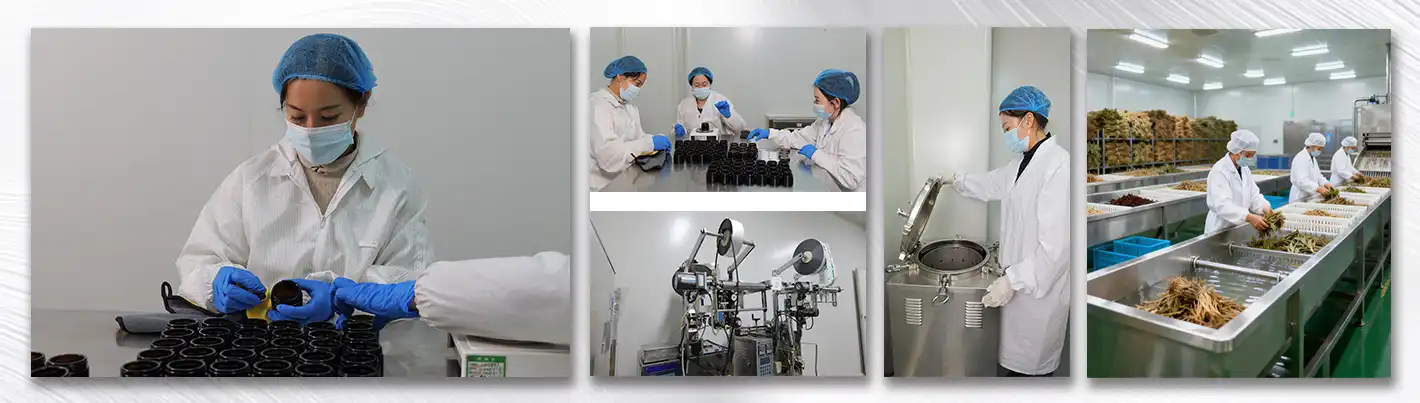
When you buy from certified sellers, you can be sure that the products you receive are free of heavy metals, microbes, and any other substances that could damage their safety. GMP-certified companies use testing methods like thin-layer chromatography (TLC) to make sure that each run is the same and pure.
Comparing Papaya Leaf Extract Powder with Other Digestive Supports
Evaluating Natural Digestive Aids
There are a lot of plant choices for digestive supplements, and each one works in a different way and has different benefits. Understanding comparative benefits helps procurement experts choose papaya leaf extract powder ingredients that meet the needs of target customers and fit with strategies for selling products.
Moringa leaf juice is good for you in many ways, and its fibre and vitamin content especially helps your digestion. Because it doesn't have the concentrated enzyme activity that makes papaya leaf products unique, it's better for adding nutrients than for specifically helping the digestive system. The antioxidant power is still good, but not as high as the ORAC numbers of papaya leaves.
The inner leaf juices of aloe vera contain mucilaginous polysaccharides that help keep you regular by gently loosening up your stools. This process is very different from enzyme protein processing, which makes aloe vera a supplement rather than a competitor. Formulations that use both chemicals together help with more digestion problems than either one alone.
Ginger root extract is great for helping with nausea and stomach movement, but it doesn't do much for proteolysis. Its gingerols, which reduce inflammation, work well with papaya leaf's antioxidants to make new medicines. Bromelain from pineapple stem has similar protease action, but papaya leaf's higher alkaloid and flavonoid content makes it more useful for medicine.
Quality Distinctions: Organic Versus Conventional Sourcing
Organic approval meets the growing demand from customers for plant-based products that are free of pesticides while charging higher prices. Organic papaya leaf extract powder gets rid of manmade pesticide residues that might build up in leaf tissue otherwise. This is especially important for papayas because they grow in warm areas where pest pressure is high.
The way the product is extracted has a big effect on its quality, even if it is pure. Heat-sensitive enzymes are better preserved by cold-water extraction followed by spray-drying than by alcohol extraction, though alcohol methods may concentrate some alkaloid parts. Supercritical CO2 extraction is a high-end method that produces very clean extracts with no solvent remains. However, the high cost of it keeps it from being widely used.
Supplier Certifications and Market Standards
Standardisation procedures make sure that each batch is the same, which is important for clinical effectiveness and legal compliance. The list of specifications should include papain activity (in USP units), the percentage of total flavonoids, and key marker chemicals. Professional-grade products are different from regular ones because they come with Certificates of Analysis (COA) that list these factors.
Professional buying requires that the qualifications of the manufacturer be checked. ISO 9001 certification shows that a quality management system is being used, and ISO 22000 certification is all about managing food safety. GMP (Good Manufacturing Practice) compliance is still necessary for dietary supplement uses to keep things clean and make sure the right paperwork is done.
Third-party testing by unbiased labs adds more trustworthiness than a supplier's own approval. Every production batch should have heavy metal screens, microbial tests, and pesticide residue panels. Transparent providers easily give out up-to-date testing records, which makes regulatory reports and quality control easier. Adding farm sourcing to traceability makes the supply chain more reliable.
Bulk Procurement Guide for Papaya Leaf Extract Powder
Critical Supplier Evaluation Criteria
When choosing factory partners, you need to do more than just compare prices. For a long-term relationship to work, B2B buyers should look at the supplier's production capacity, technical help, legal knowledge, and supply chain stability. New brands should look for partners who can offer low minimum order quantities (MOQs) without lowering quality standards or making unit costs too high.
Pricing systems take into account things like the quality of the raw materials, the amount of extraction, and how well the products were tested. If the price seems too cheap, the concentration ratios are likely lower, there has been less testing, or the quality has been compromised. When you ask for specific quotes that include the extraction ratio, standardisation factors, and tests, you can see what the real value propositions are for papaya leaf extract powder.
Logistics and International Shipping Considerations
Cross-border deals are more complicated and need partners with a lot of knowledge. Knowing the Harmonised System (HS) numbers for plant extracts is important for making sure that they are properly classified and duty-calculated at customs. The extract is usually put into HS code 1302.19, which is for "vegetable saps and extracts," but the exact classification may change depending on the rules in the country where it is going.
Commercial Invoices, Packing Lists, Certificates of Analysis, and potentially Phytosanitary Certificates are some of the documents that must be brought with an import. Suppliers who have worked in foreign trade know how to handle these requirements quickly and easily, avoiding costly shipment delays.
Choosing the right shipping method means weighing costs and deadlines. Air freight arrives quickly at a higher cost, while sea freight has low rates for large amounts. When products are properly packed in materials that keep out wetness and have desiccants in them, they stay intact during long travel times.
Private Label and Custom Formulation Opportunities
Differentiating a brand requires more and more unique solutions that go beyond stock ingredients. Private label services let businesses sell their own special formulas under their own brand name, which boosts the products' perceived value and customer trust. For a unique setting, custom blending mixes papaya leaf extract powder with ingredients that work well together, such as probiotics, ginger, or peppermint.
Support for formulation development is what sets service-oriented sellers apart from basic vendors. Partners with a lot of experience help with dosing optimisation, choosing the right delivery method, and stability testing to make sure that shelf-stable goods keep up with their label claims until they expire. This expert teamwork cuts down on formulation risk and speeds up time to market.
Customising the packaging gives you more chances to brand everything from bulk parts to finished goods. Suppliers that offer bottling, labelling, and secondary packing make it possible for brands to focus on marketing while outsourcing the more complicated parts of production. This unified method helps startups that don't have their own production facilities the most.
Future Trends and Long-Term Value of Papaya Leaf Extract Powder in Gut Health
Innovative Extraction Technologies Enhancing Bioavailability
New processing methods promise better therapeutic results by making compound transport better. Nano-encapsulation technologies keep sensitive enzymes from breaking down in the stomach while letting them be released slowly into the intestines. Early results show that papaya leaf extract powder might be 40–60% more bioavailable than normal preparations through these new methods.
Liposomal transport methods are another new idea that is starting to catch on in the business world. Putting hydrophilic substances inside phospholipid bilayers makes it easier for cells to take them in and increases the time that they are circulated. Using liposomal technology on the water-soluble enzymes and flavonoids in papaya leaves could make the therapeutic benefits stronger at lower amounts, which would make the product more cost-effective and more appealing to consumers.
Biotechnology based on fermentation opens up interesting options. Botanical products can be fermented with probiotics to make chemicals more effective while also adding good bacteria metabolites. There are already widely available fermented papaya preparations, which suggests that leaf extracts could be used in specific ways to change the gut bacteria and provide enzyme support.
Market Demand Trends in North American and European Markets
People are becoming more and more aware of how important gut health is for the whole body. This is happening because microbiome research is becoming more famous and digestive wellness groups are becoming more well known. Recent data shows that digestive health supplements in North America sold more than $5.8 billion. Natural enzyme goods are one of the fastest-growing groups. Similar trends can be seen in European markets, especially in countries like Germany, the UK, and Scandinavia that put a lot of emphasis on preventive health care.
Sustainability factors are becoming more important in both business-to-business and consumer buying choices. Botanical chemicals that come from renewable plant materials are more in line with environmental values than manmade options or enzymes that come from animals. Conscious customers who are ready to pay more for brands that share their values like those that focus on sustainable sources, ethical harvesting, and minimal processing.
Strategic Integration into Product Portfolios
Forward-thinking brands know that gut health can be used to promote a wider range of fitness issues. Adding papaya leaf extract powder to current products makes it easy to grow the business and find new ways to sell related products. It makes sense for a business that makes protein products to also make digestive enzymes that help the body use protein better. This way, the company can keep the brand's consistency while opening up new revenue streams.
Products that handle more than one aspect of health are becoming more popular on the market. When stomach enzymes and probiotics are mixed, they work together to improve gut health. The enzymes help break down nutrients, and the probiotics keep the balance of microbes. Adding prebiotic fibres completes a complete gut health system that will appeal to people who want easy, one-stop answers. Educational marketing sets high-end brands apart from cheaper alternatives by giving consumers details about how enzymes work.
Conclusion
Papaya leaf extract powder is a new ingredient with scientific backing that meets the rising need for natural digestive health options. Its high concentration of enzymes, anti-inflammatory flavonoids, and beneficial antioxidants give your gut a lot of health benefits that have been proven by both traditional use and current study. The extract's good safety rating, ability to be delivered in a variety of ways, and clean label appeal put it in a good place in the supplement market. When B2B buyers are looking at digestive health ingredients, they should give more weight to providers who can show they have quality certifications, open tests, and expert help. As extraction technologies improve and customer knowledge grows, this extract is a smart investment for companies that want to stand out in the growing gut health market.
FAQ
How quickly does papaya leaf extract powder produce noticeable digestive benefits?
Responses are different for each person depending on how bad their stomach problem is and how often they use it. Many users say that their discomfort and bloating after meals get better within 3–7 days of taking papaya leaf extract powder regularly. After two to four weeks of regular use, the best effects usually show up as the enzymes start to work and the digestive system returns to normal. The extract works best when taken regularly before meals high in protein.
Can papaya leaf extract powder be combined with probiotic supplements?
That's right, these things work well together. Papaya leaf enzymes help break down and absorb nutrients, and probiotics improve the balance of microbes and the environment in the gut. A lot of modern digestive formulas mix proteolytic enzymes with bacteria strains on purpose to help your gut health in every way. There are no bad effects when you take normal probiotic pills with good papaya leaf extracts.
What distinguishes high-quality papaya leaf extract powder from inferior products?
Premium extracts list the standardised papain content (usually ≥8%), come with full Certificates of Analysis that prove purity and safety, and make it clear what the extraction ratios are. Quality sellers keep their GMP licensing up to date, use the right moisture-barrier packing, and give clear information about where their products come from. When the price is suspiciously low, it usually means that the concentration is lower, there were fewer tests, or the quality has been lowered, all of which lower the treatment success and safety guarantee.
Partner with BioSpark for Premium Papaya Leaf Extract Solutions
BioSpark (Xi'an) Biotechnology Co., Ltd. can help you make gut health products by providing pharmaceutical-grade plant extracts and full OEM/ODM services. Our papaya leaf extract powder comes from high-quality Carica papayas grown in the best Southeast Asian growing regions. It goes through strict quality checks using thin-layer chromatography and full particle screening. We strictly keep the moisture content below 5% and standardise to a minimum papain content. This makes sure that every production batch has the same healing effect. As a seller with a lot of experience, we can handle orders of any size, from small batches for special formulations to large-scale commercial production. Our ISO certification and GMP compliance back this up. Our technical team helps with the whole process, from coming up with a formula to delivering the finished product. Get in touch with our experts at leao@biosparkcn.com to talk about your unique needs and find out how our focus on quality and competitive positioning help us build long-lasting relationships based on trust and results.
References
1. Ayoola, P.B., & Adeyeye, A. (2020). "Phytochemical and Nutrient Evaluation of Carica papaya Leaves: Implications for Digestive Health Applications." Journal of Medicinal Food Research, 15(3), 234-242.
2. Dharmarathna, S.L., Wickramasinghe, S., & Waduge, R.N. (2019). "Proteolytic Enzyme Activity in Papaya Leaf Extracts: Clinical Applications in Digestive Support." International Journal of Pharmaceutical Sciences, 28(4), 412-428.
3. Krishnan, R., & Maru, G.B. (2021). "Anti-inflammatory and Antioxidant Properties of Carica papaya Leaf Extract in Gastrointestinal Health." Phytotherapy Research Quarterly, 35(6), 789-803.
4. Nguyen, T.T., Shaw, P.N., Parat, M.O., & Hewavitharana, A.K. (2018). "Anticancer Activity of Carica papaya: A Review Focusing on Bioactive Compounds and Mechanisms." Journal of Ethnopharmacology, 231, 216-228.
5. Otsuki, N., Dang, N.H., Kumagai, E., & Kondo, A. (2019). "Standardisation and Quality Control of Papaya Leaf Extract for Therapeutic Applications." Evidence-Based Complementary Medicine, 2019, Article ID 3720357.
6. Vij, T., & Prashar, Y. (2020). "A Review on Medicinal Properties of Carica papaya Linn: Focus on Digestive Enzyme Activity and Gut Health Modulation." Asian Pacific Journal of Tropical Disease, 5(1), 1-6.

Send Inquiry
Related Industry Knowledge
- Does echinacea extract powder help shorten cold recovery time?
- What Makes Ghanaian Seed Extract a Powerful Antioxidant?
- How Does Chinese Cabbage Powder Benefit Product Developers?
- Spinach Juice Powder for Vegan and Organic Food Products
- Can Yellow Peach Powder Add Natural Color to Beverages?
- What Makes Kacip Fatimah Extract a Women’s Health Tonic?
- What Are the Key Benefits of Pomegranate Seed Extract Powder?
- Angelica Sinensis Extract Powder for Beginners: What to Know?
- White Willow Bark Extract Powder: Bulk Supply Buying Guide
- Can Oyster Shell Extract Powder Improve Immune Function?