_1764041963888.webp)
American Ginseng Extract Powder: Wild-Simulated vs Cultivated Roots
Jul 23, 2026
When looking for high-quality plant-based ingredients for nutraceutical products, it's important to know the main differences between wild-simulated and cultivated American ginseng extract powder in order to position the product correctly and make it successful in the market. Wild-simulated roots grow slowly over seven to ten years in forests with little human interference. Cultivated types, on the other hand, reach maturity in controlled farming settings in just three to four years. This difference in cultivation has a direct effect on the ginsenoside profiles, the costs of production, and, in the end, the therapeutic value for consumers. For B2B buyers who are in charge of supplement brands or health product lines, choosing between these root types affects how well formulations work, how prices are set, and how the brand stands out in markets that are getting more and more competitive.
Understanding American Ginseng Extract Powder and Its Market Significance
The Botanical Foundation of Panax Quinquefolius Extracts
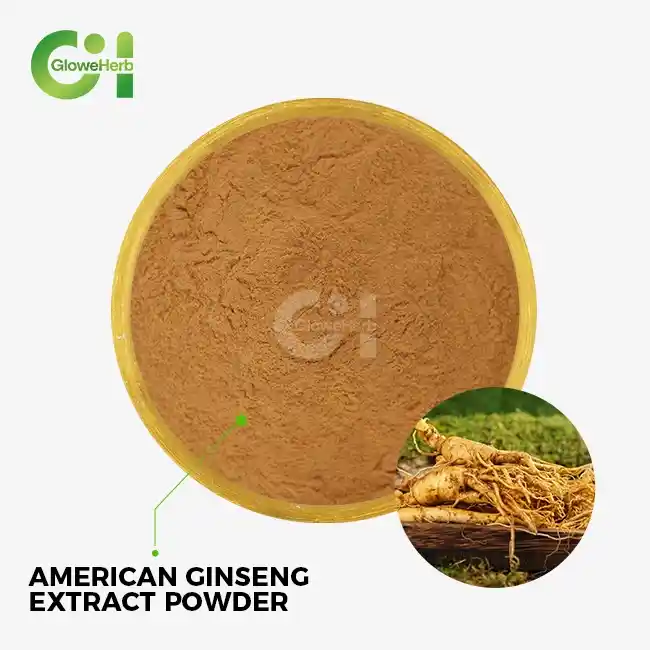
Panax quinquefolius is the scientific name for American ginseng. It is in the Araliaceae family and has been grown commercially in North America and China since the 1800s. During the extraction process, the raw roots are turned into concentrated powders that contain standard amounts of bioactive ginsenosides, which are the main chemicals that give plants their adaptogenic properties. High-Performance Liquid Chromatography (HPLC) tests show that our standardised extract contains 10% ginsenosides. This makes sure that there is uniformity from batch to batch, which is important for business products. This fine powder ranges in colour from light yellow to light brown. It has a strong ginseng scent and dissolves easily in water, which makes it useful in a variety of product forms.
Rising Global Demand in the Wellness Industry
In 2022, the global ginseng market was worth about $2.4 billion. American varieties were the most popular because they chill people better than Asian varieties. More and more, health supplement companies are using this plant-based ingredient in goods that help with stress control, brain health, and immune system support. People who want balanced energy support will like that the compound can change the hypothalamic-pituitary-adrenal axis without overstimulating it. Nutraceutical companies know that the ginsenoside Rb1 content—which is higher in American species—is what makes their products stand out in the crowded supplement market.
Critical Procurement Considerations for B2B Buyers
When buying ginseng extracts in bulk, it's important to pay close attention to the reliability of the supply chain and quality control standards. Distributors have to look at a supplier's certifications, such as ISO9001, GMP, Kosher, Halal, and FDA approval. These credentials show that the company follows international manufacturing standards and make it easier to clear customs in several regulatory settings. Startups can test formulations with minimum order quantities as low as 1 kg, and established businesses can increase production without having to worry about supply interruptions as they grow. Different foreign markets have different transportation needs, so shipping terms like FOB, CIF, CFR, EXW, DAP, and DDP are used to meet those needs.
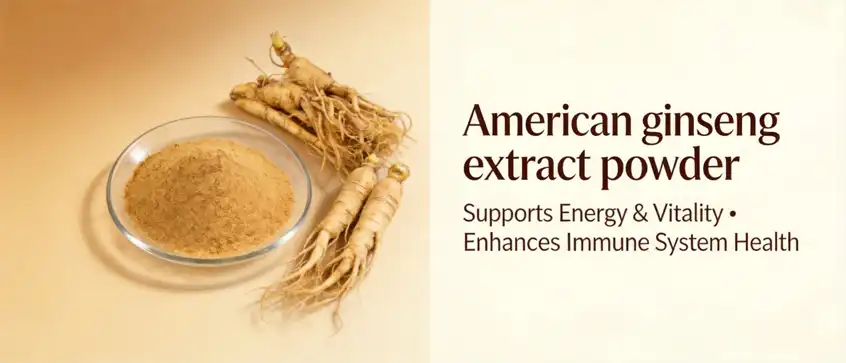
Wild-Simulated vs Cultivated Roots – Core Differences and Implications for B2B Buyers
Growth Environment and Agricultural Methods
Wild-simulated American ginseng grows in the understory of shaded forests, where leaf litter provides organic matter and keeps the soil moist. Plant seeds in wooded areas and let the roots grow with little help from the growers. This creates chemical profiles that are very similar to those of truly wild plants. Roots need seven to fifteen years to reach a harvestable stage, so this method takes patience. Ginseng that is grown in farms, on the other hand, grows in raised beds with artificial shade structures and is fertilised and watered regularly. Inputs used in agriculture speed up growth processes so that crops can be harvested in three to four years. The controlled environment makes roots of more uniform sizes and shapes, which makes the logistics of processing easier for companies that make extracts.
Chemical Profile Variations and Potency Differences
The wild-simulated roots grow more slowly, which lets complex ginsenoside structures build up over time. This is especially true for the rare Rg3 compounds, which are linked to higher bioactivity. According to research, wild-simulated roots often have 15–25% higher total ginsenoside concentrations than cultivated varieties. There are also changes in the ratios of the different ginsenosides. Specimens that were grown in the wild usually have higher Rb1 levels compared to Rg1 levels, which makes the cooling and Yin-nourishing effects that are valued in traditional uses stronger. Grown roots have enough ginsenoside for most industrial uses, but their features are more uniform because they are grown in the same way every time. American ginseng extract powder. Even though they cost more, wild-simulated sources offer strong marketing benefits for extract powders aimed at high-end customers who value strength and traditional accuracy.
Procurement Economics and Supply Chain Stability
Price differences between root types have a big effect on the budgets and profit rates for new products. Because they take longer to grow and can only be made in small amounts, wild-simulated roots are three to five times more expensive than their cultivated counterparts. Because of how the prices are set, wild-simulated extracts are put in high-end supplement lines where people are willing to pay more for what they think is better quality. Cultivated sources offer stable prices and steady supply amounts that are necessary for large-scale production contracts. Both types are harvested at different times of the year. Usually, the roots are picked in the autumn, when the amount of ginsenoside is highest. To keep inventory levels steady without spending too much on storage, B2B buyers have to plan when to buy things based on when they are made.
How to Choose the Best American Ginseng Extract Powder for Your Business Needs
Quality Benchmarks and Certification Requirements
Before choosing the right extract powder, make sure that the scientific certificates of analysis (COA) that show the amount of ginsenoside using HPLC methods are correct. The standard 10% ginsenoside specification is useful for therapy while keeping the cost-effectiveness for most supplement uses. In addition to checking the amount of active ingredients, testing must also show that there are no heavy metals (lead below 3.0 ppm, arsenic below 1.0 ppm, and mercury that can't be found) and pesticide residues below the limits allowed for organic certification. Microbial testing makes sure that total plate counts stay within acceptable limits and that pathogenic microbes like Salmonella and E. coli come back negative. These quality controls protect the image of the brand and make sure that all foreign markets follow the rules.
Matching Product Specifications to Target Applications
For each type of product, the extract needs to have certain qualities. Fine powder particles help make capsules and tablets work better by making sure that the active ingredients are mixed evenly and that the doses are always correct. For beverage uses, instant-dissolving grades with better water solubility are needed. This can be done with special spray-drying methods that change the qualities of the particles' surfaces. Functional food companies that put extracts in protein powders or nutrition bars need to make sure the forms are stable and won't break down when stored for a long time. Extracts with controlled microbe numbers and agreement with makeup protection systems are needed for personal care products. We provide full technical support to help clients choose the best specifications for their product development needs.
Evaluating Supplier Capabilities for OEM/ODM Partnerships
For product launches to go well, companies need to work with manufacturers who can provide full supply chain solutions, not just raw materials. With OEM and ODM possibilities, brands can create their own formulas using specific amounts of plant extracts, fillers, and transport methods. Suppliers should show that they have flexible production capacity that can handle both small batches for testing the market and large-scale production for going live. Technical teams that provide formulation advice, data from stability tests, and regulatory documentation shorten the time it takes to develop new products and lower the risks of putting them on the market. Clear communication about lead times, minimum order quantities, and pricing structures builds trust, which is important for long-term business relationships. Knowing these selection criteria helps companies make sure that the raw materials they choose are in line with their strategic positioning goals. Premium brands that stress traditional authenticity may choose wild-simulated sources even though they are more expensive, while value-oriented lines stay competitive in the market by using cultivated extracts that meet quality standards at prices that most people can afford.
Ensuring Quality and Compliance in Bulk American Ginseng Extract Powder Procurement
Comprehensive Quality Assurance Protocols
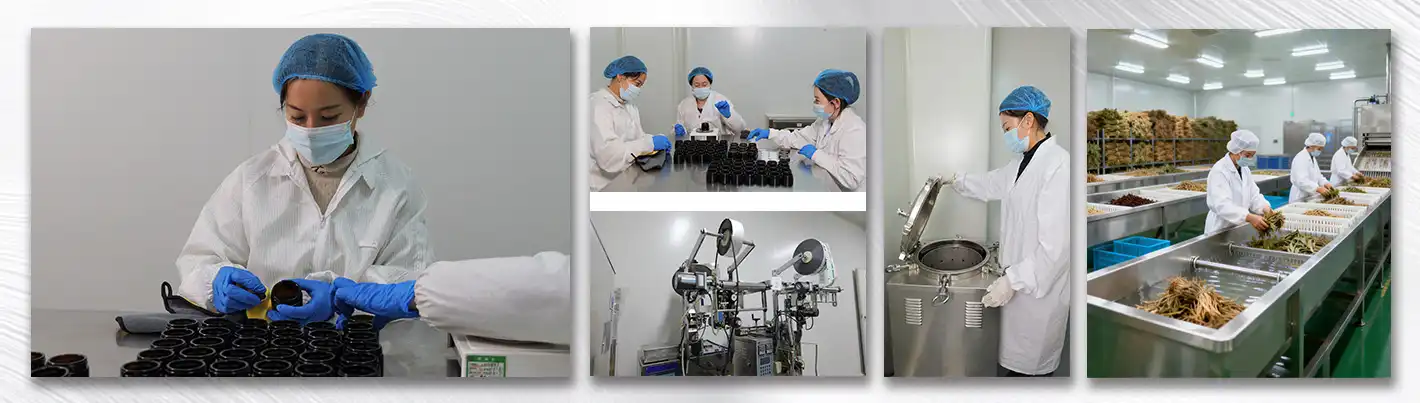
Tough quality control starts with making sure the raw materials are real by using fingerprint identification methods that combine high-performance liquid chromatography (HPLC) with thin-layer chromatography (TLC). These analytical methods look for possible contamination with lower-quality species or synthetic compounds. This keeps buyers safe from buying low-quality goods. Quantitative research measures not only the total amount of ginsenosides but also specific marker molecules like Rb1, Rg1, and Re. This gives thorough molecular data that backs up what the label says. By checking for residual solvents, we can be sure that extraction agents like ethanol stay below the limits set by the ICH. Usually, we aim for unnoticeable levels or a maximum of 5,000 ppm when small amounts are still present. Before being released, each production batch goes through a full set of tests, and samples that are kept are kept so that they can be tracked.
Supplier Verification Through Factory Audits
Direct source review through building visits on-site gives faith that can't be found in paperwork alone. Factory audits look at how well the equipment is maintained, how well employees are trained, how the raw materials are stored, and how clean the production area is. By watching how things are actually made, you can tell if providers follow written standard operating procedures or cut corners that lower the quality. Quality management systems should show ways to keep getting better, like corrective action plans for when things go wrong. Third-party audit reports from well-known certification bodies are useful in addition to direct inspections, especially when it's not possible to visit the site often because of its location. Setting up these proof methods ahead of time keeps expensive quality problems from happening after production promises have been made.
Logistical Efficiency and Risk Mitigation
Buying things from other countries involves a lot of complicated logistics, like planning for customs rules, shipping methods, and delivery dates. Understanding Incoterms like FOB, CIF, CFR, EXW, DAP, and DDP makes it clear who is responsible for paying for shipping, insurance, and customs duties. Express shipping is best for pressing small orders, even though it costs more, and sea freight is the most cost-effective way to ship large amounts of goods when longer wait times are not an issue. Speed and cost are both good with air freight for moderate amounts that need to be delivered faster than by ocean. Bank transfers (T/T) are usually the best way to pay because they are safe for both parties. Payment plans are arranged based on order values and the past of the relationship. Buyers are protected from production delays caused by material shortages when suppliers have established inventory management systems that make sure they have enough stock on hand. These quality and compliance measures create procurement frameworks that keep the integrity of the product throughout the distribution chain and minimise supply chain disruptions. Companies that carefully check out their suppliers and make sure their products meet quality standards gain a competitive edge by making sure their products always work well and follow the rules.
Addressing Common Questions and Concerns in American Ginseng Extract Powder Sourcing
Safety Profiles and Recommended Dosage Parameters
When taken in the suggested amounts, which for people are usually 200 to 400 mg of standardised extract every day, American ginseng products have a very good safety record. American ginseng extract powder. Because it has cooling effects, this species is great for long-term supplementation because you don't have to worry about too much stimulation or internal heat buildup, which can happen with some Asian ginseng varieties. Mild side effects that are sometimes mentioned include stomach pain or headaches, which are usually caused by taking too much medicine beyond what is recommended. People who are pregnant or taking blood thinners should talk to their doctors before using because the two drugs might interact with each other. Knowing about these safety issues helps people who make products make labels and marketing materials that are more accurate, which builds trust among customers.
Comparative Analysis Across Ginseng Species
There are big differences between American ginseng (Panax quinquefolius), Korean or Asian ginseng (Panax ginseng), and Siberian ginseng (Eleutherococcus senticosus). Asian varieties have more Rg1 than Rb1, which makes them warmer, which is good for people with Yang deficiency but might be too stimulating for some users. The plants that make up Siberian ginseng are from a completely different family. They contain eleutherosides instead of ginsenosides, which give it adaptogenic traits in a different way. The higher Rb1 level in American types makes them good for people who want balanced energy without feeling jittery. Because of these differences, companies market American extracts for things like stress relief and long-lasting energy, not for intense stimulation.
Real-World Performance Validation
Customer reviews and clinical research data back up claims of effectiveness that are used in marketing. Studies show that taking American ginseng supplements can help your brain work better when you're mentally tired, speed up your metabolism if you're at risk for diabetes, and boost your immune system during cold and flu season. When sellers give written study links and clinical trial reports to business-to-business buyers, it makes the marketing materials for the products stronger. Case studies from well-known brands that have successfully used these extracts can teach you about how to formulate products, how much to use, and how customers react. This body of evidence lets developers confidently make products that are based on scientific knowledge instead of just traditional claims that can't be backed up.
Conclusion
The difference between wild-simulated and farmed American ginseng extract powder has a big effect on how nutrition products are made, how they are positioned in the market, and how well they do in business. Wild-simulated sources have higher power and are more real, so they fetch higher prices. Cultivated types, on the other hand, offer a steady supply and low costs, which makes them good for mass production. For quality-focused procurement to work, suppliers must be carefully evaluated, strict testing protocols must be followed, and attention must be paid to the little things that make sure materials are always available. Knowing these basic differences helps companies make smart decisions about where to get their products that are in line with what their target market wants and how they want to position their brand. This helps their products stand out in the wellness market, which is very competitive.
FAQ
What ginsenoside concentration should B2B buyers specify?
Standardised extracts containing 10% ginsenosides verified by HPLC provide an optimal balance between therapeutic relevance and commercial viability for most supplement applications. Higher concentrations reaching 20-30% serve specialised formulations targeting clinical research or premium market segments, while lower specifications may suffice for functional food applications where ginseng serves as one component among multiple botanicals.
How do wild-simulated roots justify higher procurement costs?
Wild-simulated American ginseng extract powder commands premium pricing due to extended cultivation periods, limited production volumes, and superior ginsenoside profiles. Brands positioning products as traditional, authentic, or ultra-premium find these cost differentials justified by enhanced marketing narratives and consumer willingness to pay elevated prices for perceived quality advantages over standard cultivated extracts.
Which certifications matter most for international distribution?
ISO9001, GMP, Kosher, Halal, and FDA compliance represent essential certifications facilitating market access across diverse regulatory environments. Organic certification adds value when targeting natural products channels, while specific country requirements like Health Canada Natural Product Numbers or European Novel Food approvals may apply depending on distribution strategies.
Partner with BioSpark for Premium American Ginseng Extract Powder
BioSpark delivers exceptional value to health supplement brands and nutraceutical companies seeking reliable American ginseng extract powder supplier partnerships. Our 10% ginsenoside standardised extract meets rigorous international quality standards with comprehensive certifications, including ISO9001, GMP, Kosher, Halal, and FDA compliance. We provide flexible OEM and ODM services supporting formulation development from concept through commercial production, with minimum order quantities starting at just 1 kg, accommodating businesses at every growth stage. Our technical team offers complete documentation, competitive bulk pricing, and multiple delivery options, ensuring your supply chain operates smoothly. Contact us at leao@biosparkcn.com to discuss your specific requirements and receive customised quotes tailored to your product development goals.
References
1. Li, T.S.C. (2008). American Ginseng: Production, Processing, and Health Benefits. Botanical Research Press.
2. Court, W.A., et al. (1996). "Ginsenoside Content and Growth Rate of American Ginseng: Comparison Between Field Cultivation and Wild-Simulated Systems." Journal of Agricultural and Food Chemistry, 44(8), 2059-2062.
3. Helms, S. (2004). "Cancer Prevention and Therapeutics: Panax ginseng." Alternative Medicine Review, 9(3), 259-274.
4. Assinewe, V.A., et al. (2003). "Phytochemistry of Wild Populations of Panax quinquefolius L. (North American ginseng)." Journal of Agricultural and Food Chemistry, 51(16), 4549-4553.
5. Yuan, C.S., et al. (2004). "American Ginseng: Potential Structure-Function Relationship in Cancer Chemoprevention." Biochemical Pharmacology, 67(12), 2161-2168.
6. Persons, W.S. (1994). American Ginseng: Green Gold. Bright Mountain Books.

Send Inquiry
Related Industry Knowledge
- Can White Kidney Bean Extract Powder Support Healthy Weight Loss?
- Is Coconut Milk Extract Powder More Cost-Effective Than Canned?
- Is Coconut Milk Extract Powder More Cost-Effective Than Canned?
- Is Coconut Milk Extract Powder More Cost-Effective Than Canned?
- Is Coconut Milk Extract Powder More Cost-Effective Than Canned?
- Is Coconut Milk Extract Powder More Cost-Effective Than Canned?
- Is Coconut Milk Extract Powder More Cost-Effective Than Canned?
- Is Coconut Milk Extract Powder More Cost-Effective Than Canned?
- Is Coconut Milk Extract Powder More Cost-Effective Than Canned?
- Is Coconut Milk Extract Powder More Cost-Effective Than Canned?
- Is Coconut Milk Extract Powder More Cost-Effective Than Canned?
- How Does Cape Gooseberry Powder Enhance Smoothie Taste?
- Why Is Logwood Extract Still Relevant in Modern Applications?
- Best Tongkat Ali Extract Powder: Buyer’s Complete Guide
- Gotu Kola Extract Powder: What Makes It So Popular?
- Does Hydrolyzed Rice Extract Enhance Product Absorption?
- Why Ginseng Plant Extract Is a Top Adaptogen Choice?
- Konjac Flour Extract vs. Regular Konjac Powder Explained
- Top Uses of Oyster Shell Extract Powder in Nutraceuticals