_1764041963888.webp)
What Should You Check Before Buying Yellow Peach Powder?
Jul 26, 2026
When sourcing ingredients for your product line, understanding what defines quality makes all the difference. Yellow peach powder stands out as a versatile natural ingredient processed from fresh peaches through advanced extraction methods. The powder preserves the fruit's characteristic sweetness, vibrant color, and nutritional benefits while offering exceptional stability for diverse applications. Before committing to a supplier, buyers should evaluate certifications, production processes, active ingredient concentration, testing methodologies, and supplier capabilities. These factors directly impact product performance, regulatory compliance, and market acceptance within the competitive health and wellness sector.
Understanding Yellow Peach Powder: Basics and Benefits
What Makes This Ingredient Different
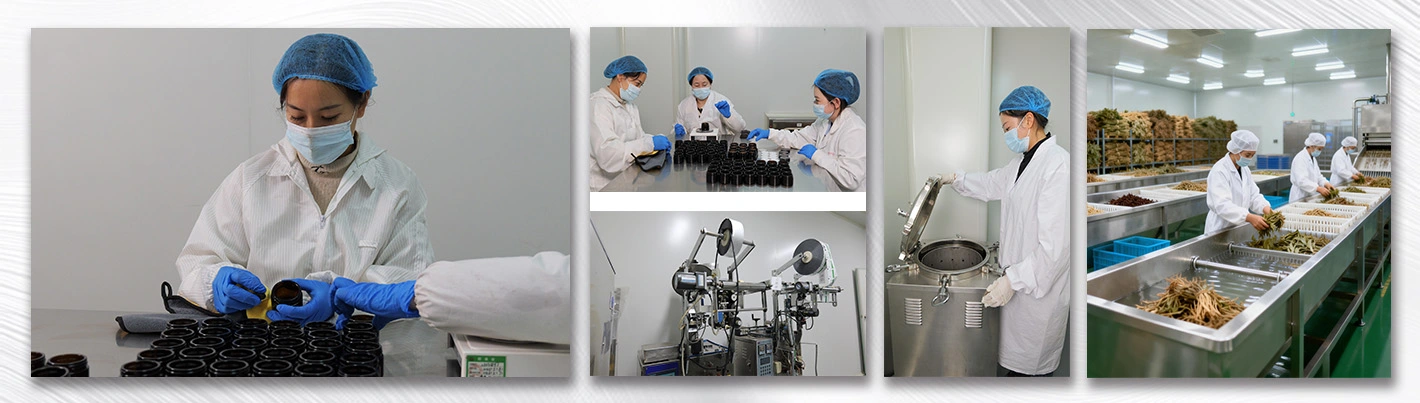
To make good fruit powder, you have to go through a few important steps that set premium products apart from cheaper ones. Manufacturers use plant extraction methods to keep bioactive compounds safe, starting with carefully chosen yellow peaches from the best growing areas. This is very different from the simple drying processes used to make regular fruit powders. Because of the way the peach is extracted, the protective chemicals called polyphenols are kept, which adds to the ingredient's usefulness. Compared to freeze-dried slices or peach juice concentrates, this powder form is more stable on the shelf, has consistent potency, and gives you more options for how to make the product.
Key Nutritional Components and Active Compounds
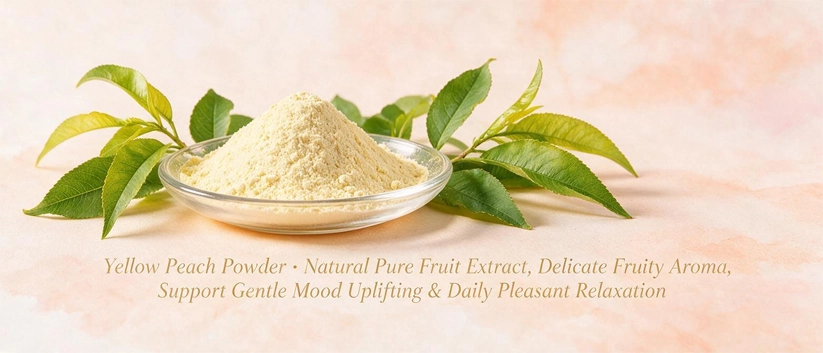
The main bioactive ingredient in peaches is polyphenols, which are usually standardised to certain concentration levels for business uses. These chemicals are from the phenolic acid and flavonoid families and are known to be antioxidants. Along with fibre and minor minerals, the powder also has vitamins, such as vitamins A and C. When the right extraction methods are used, the ingredient stays a light yellow to orange-yellow colour and has a sweet smell. Because it dissolves mostly in water and only slightly in ethanol, it can be used in both liquid and semisolid forms. The ingredient is useful for developing nutraceuticals because it has both taste properties and functional chemicals.
Health Benefits Backed by Research
Scientific research backs up several health-promoting effects linked to compounds that come from peaches. Antioxidants help get rid of free radicals, which may be good for cell health and defence function. Dietary fibre helps keep your gut system healthy, and vitamin C helps your body make collagen and keep your face healthy. Because of these factors, supplement companies are becoming more interested in making digestive health products, antioxidant formulas, and beauty-from-within supplements. Manufacturing companies that make functional foods also add the powder to protein bars, yoghurt, and drinks to make them healthier and taste better.
Common Industrial Applications
Multiple B2B industries can use this ingredient in a variety of ways. It is added to juice mixes, flavoured water, ready-to-drink teas, and sports nutrition drinks by companies that make drinks. The Yellow peach powder mixes evenly with liquids and gives the same flavour and colour without any added chemicals. Cakes, cookies, muffins, and other sweets can all use the natural peach flavour to make them taste more interesting without having to handle fresh fruit. Formulation scientists in the food supplement industry use the powder to make powder mixes, capsule fills, and tablet matrices. Because it works well with
Essential Quality Criteria When Evaluating Yellow Peach Powder Suppliers
Certification Standards and Compliance Documentation
When you buy something professionally, you have to make sure that the supplier's certifications show that they follow international quality standards. Reputable makers keep their ISO9001 certification, which shows that they handle quality in an organised way throughout all of their production processes. Kosher and Halal approvals meet the dietary needs of faith groups, which helps brands reach a wider range of customers. When a facility is registered with the FDA, it means it meets the standards for making ingredients that are safe for food or supplements. GMP (Good Manufacturing Practice) compliance makes sure that the quality of each batch is the same, that contaminants are kept under control, and that the right paperwork is done. When looking at potential partners, ask for up-to-date certification documents and check with the organisations that issued them to make sure they are real. These credentials give you peace of mind that the raw materials are handled properly from the time they are sourced until they are packaged.
Critical Physical and Chemical Parameters
In addition to approvals, specific product specs show whether a product is suitable for its intended use. The concentration of the active ingredient is likely the most important factor. Premium ingredients make sure that peach polyphenols are 99% pure, which means that the product will always be effective. The method of testing is also very important, and Thin-Layer Chromatography (TLC) is a good way to identify compounds and measure their amounts. Particle size distribution affects both how well it works and how the user feels about it. Typical specs run from 80 to 120 mesh, which makes sure that formulations have a smooth texture and are evenly distributed. The colour should stay the same in the light yellow to orange-yellow range, which means the processes and keeping were done right. The typical sweet peach smell should be there, with no off-notes that could mean the fruit is getting old or contaminated.
Solubility and Formulation Performance
Characteristics of dissolution have a direct effect on the quality of the final product. Because it dissolves in water, it can be easily added to drinks, solutions, and other water-based systems without leaving behind any waste or settling. Because ethanol doesn't dissolve completely, it can be used to make medicines and some makeup bases. When you ask for samples, you should do dissolution tests in an environment that is similar to the one you use for production. Keep an eye on the dispersing time, the stability of the suspension, and any sediment creation. These real-world tests show if the item will work the same way when used in large quantities. Suppliers should give out technical data sheets with information about solubility factors, suggested usage levels, and formulation rules that are specific to each type of product.
Shelf Life and Storage Requirements
The stability of ingredients affects both planning how to buy them and the quality of the finished product. When kept in a controlled environment, properly made Yellow peach powder usually stays active for 18 to 24 months. Most storage instructions say to keep things in cool, dry places that are out of direct sunlight and where the temperature stays between 4°C and 25°C. Sensitive to moisture; needs a sealed package with desiccant protection while in transit and storage. Knowing these factors helps procurement teams figure out how often to replace items, figure out how much inventory to turn over, and avoid losing items due to degradation. Ask for stable data that shows how long active compounds stay in solution over time in different storage conditions. This information is especially useful for companies that manage global supply chains and ship goods to different countries, where the temperatures of the goods may change.
Pricing, Supply, and Procurement Considerations for Bulk Purchases
Understanding Price Structures and Cost Drivers
The price of buying bulk fruit powder depends on several factors. One of the main factors that affects price is the concentration of the active ingredients. Higher purity standards, like 99% peach polyphenols, command higher prices because they require more work to make. Costs are also affected by the type of certification. For example, organic, Kosher, and Halal certifications add value but require extra money to be spent on special production methods. Prices are affected by where something comes from because of the costs of shipping, tariffs, and the cost of making the item locally. Chinese-made ingredients often have low prices while still meeting quality standards. This is especially true for ingredients that come from well-known factories with modern equipment and skilled technical teams. When you compare quotes, don't just look at the unit price; look at the whole value offer. Less expensive alternatives might not be as pure, not tested as thoroughly, or not as consistent.
Evaluating Supplier Reliability and Capacity
By working with reliable makers, you can protect your business from problems with supply and inconsistent quality. How well sellers can grow with your business depends on how much they can produce. Flexible minimum order amounts starting at 1 kg allow for initial testing and small-batch production, while enough inventory makes sure that bigger orders are filled quickly. Find out how long it takes to ship an order, how long it usually takes to make special formulations, and how much space they have for when demand goes up during certain times of the year. Professional suppliers are different from commodity traders because they offer after-sales support, such as technical advice, help with reformulating, and quick communication. To make sure that promises of dependability are true, get references from current customers in related fields.
Logistics and International Procurement Processes
To get ingredients from across borders, you need to know about the shipping rules and the paperwork that is needed. Some of the shipping terms that experienced suppliers use are FOB (Free On Board), CIF (Cost, Insurance and Freight), CFR (Cost and Freight), EXW (Ex Works), DAP (Delivered at Place) and DDP (Delivered Duty Paid). Each term tells the buyer and seller what they are responsible for when it comes to shipping costs, insurance, and clearing customs. When choosing a shipping method, you have to weigh cost against haste. Express courier is quick for delivering samples or small orders that need to be sent right away, air freight is good for moderate numbers that need to be sent quickly, and sea freight is the most cost-effective way to ship large amounts of goods. Bank payments (T/T) are the most common way to pay, but terms may be more open for people who have done business with you before. Requesting samples is an important first step because it lets you test the method before committing to large quantities. Professional sellers make it easy to get samples with little red tape because they know that product trials are what make people decide to buy.
How to Evaluate and Match Yellow Peach Powder to Your Business Needs
Industry-Specific Requirements and Applications
Specifications and performance characteristics must be different for each end-use sector. Manufacturers of dietary supplements put a lot of emphasis on high amounts of active ingredients, thorough testing records, and certificates that back up what the supplement facts panel says. Formulators of drinks need ingredients that are easy to mix, stay in suspension, and have sensory qualities that don't overpower the product features. For cosmetic uses, microbial purity, skin compatibility data, and ingredient lists that meet regulatory standards in target markets are all important. Food makers try to find ingredients that give uniform results across production batches while also being useful and affordable. By being clear about your specific application with the provider, you can be sure to get the right expert advice and product suggestions that fit your formulation goals with Yellow peach powder.
Purity Levels and Nutritional Profiles
The 99% peach polyphenol specification describes a highly concentrated extract that works best in functional settings where bioactive compounds are the main benefit. This amount of purity is good for nutraceuticals that claim to be antioxidants, high-end functional drinks, and powerful health formulas. If the flavour and colour of the peach are more important than its exact polyphenol level, such as in bakery mixes or candy, lower concentration alternatives might work better. When choosing the right specs, you should think about your marketing approach, label claims, and price point strategy. Higher purity ingredients support higher product prices and stronger functional benefit messages, while middle amounts offer cost benefits for mass-market uses.
Organic Versus Non-Organic Considerations
Growing consumer demand for pesticide-free, sustainably grown ingredients is met by organic certification. Organic-approved raw materials are good for products that are sold in natural health stores, are certified organic, or are bought by people who care about the environment. As part of the certification process, farming methods, processing methods, and building operations have to be checked. This means that prices are higher to represent the higher costs of production. Alternatives that aren't organic still meet strict safety and quality standards and can be more cost-effective than organic products. When choosing between organic and non-organic choices, you should think about what your target market wants, how you want to place your brand, and who your competitors are. Some brands make two different lines of products to appeal to different market groups. To do this, they need to have ties with suppliers who can make both versions of the product to the same high quality standards.
Regulatory Compliance Across Markets
Different countries have very different rules about global ingredients, so you need to find sellers who know what the rules are in the countries you want to sell to. For both food and nutrition supplements, the FDA in the United States sets rules about the name of ingredients, their safety, and how they should be labelled. Regulations in the European Union have specific rules for new foods, such as maximum waste amounts and proof of health claims. Each Asian market has its own set of rules about what ingredients are allowed, how they must be tested, and how documentation should be made. Suppliers with a lot of experience offer legal help in the form of certificates of analysis, safety data sheets, allergen statements, and GMO status releases that are formatted to meet the needs of each market. This knowledge is very helpful when putting goods on many foreign markets or adapting to changing regulatory environments.
Conclusion
There are more than just price differences that need to be carefully thought through when choosing the right seller for fruit-based functional ingredients. Quality factors like the amount of active ingredient, the testing methods, and the certification credentials have a direct effect on how well the end product works and how well it meets legal requirements. Partnerships can meet both current needs and future growth if they have the production capacity, inventory, and logistics know-how to do so. Knowing the specific needs of an application makes sure that the ingredient specifications match the formulation goals and market positioning. Spending time and money to carefully evaluate suppliers protects the quality of the products, the reputation of the brand, and the happiness of customers. It also builds the basis for long-term working partnerships.
FAQ
1. What advantages does this ingredient offer compared to other fruit powders?
A special extraction method that concentrates peach polyphenols to 99% pure makes an ingredient that works better than regular fruit powders made by just drying the fruit. This concentration gives constant antioxidant action that backs up claims that the product works. Because it has a sweet smell and a nice taste, it needs to be used in smaller amounts than fake flavourings to meet clean label requirements. Because it dissolves in water, it's easy to use in a variety of product forms.
2. How should I store the powder to maintain quality?
The best way to store things is in sealed cases that are kept away from moisture, light, and heat. Temperatures between 4°C and 25°C keep the taste qualities and active ingredients safe for the usual 18 to 24 months. Once containers are opened, they should be quickly sealed again and used within the time limits given. When you store things the right way, you stop rusting, moisture absorption, and microbial contamination that could lower the quality or safety of the ingredients.
3. What testing should I request from potential suppliers?
Comprehensive testing protocols include measuring the amount of active ingredient using TLC or HPLC, checking for pathogens, and making sure the total plate counts are acceptable, analysing heavy metals to make sure they don't exceed regulatory limits, and testing for pesticide residues. Ask for certificates of analysis for sample batches that list these factors, along with the results of the organoleptic test and physical details like the particle size distribution and moisture content.
Partner With BioSpark: Your Trusted Yellow Peach Powder Supplier
BioSpark (Xi'an) Biotechnology Co., Ltd. is a global company that makes health supplements, nutraceuticals, and wellness products. Its speciality is high-quality plant extracts. Every item we make, like our Yellow peach powder, shows how committed we are to quality. We meet the high standards that B2B buyers need because we are ISO9001, Kosher, Halal, FDA registered, and GMP certified. Our facility keeps enough stock on hand to ensure quick delivery, has flexible minimum orders starting at 1 kg, and offers full OEM/ODM services to help with custom formulation development. Email our team at leao@biosparkcn.com to ask for samples, talk about the needs of your unique application, or get full quotes. We're excited to help you reach your goals for new products by providing you with reliable ingredients and quick technical support.
References
1. Chen, M., & Zhang, R. (2021). Polyphenolic Compounds in Stone Fruits: Extraction, Characterization, and Functional Properties. Journal of Food Science and Technology, 58(4), 1245-1258.
2. Liu, Y., Wang, D., & Zhang, H. (2020). Quality Control and Standardization of Botanical Extracts for Nutraceutical Applications. International Journal of Food Science, 2020, Article 8534729.
3. Thompson, K., & Rodriguez, A. (2022). Supplier Selection Criteria in the Global Nutraceutical Industry: A Procurement Perspective. Supply Chain Management Review, 26(3), 34-47.
4. European Food Safety Authority (EFSA). (2019). Safety Assessment of Botanical Preparations Used as Food Ingredients. EFSA Journal, 17(8), e05743.
5. Patterson, J., & Kim, S. (2021). Functional Fruit Powders in Beverage Formulation: Technical Considerations and Market Trends. Food Technology, 75(6), 28-35.
6. United States Pharmacopeia (USP). (2023). Dietary Supplements Compendium: Quality Standards for Botanical Ingredients. USP Convention, Rockville, MD.

Send Inquiry
Related Industry Knowledge
- How fast does pomegranate seed extract powder show antioxidant effects?
- Pure Corn Extract Powder Benefits: Is It a Natural Nutrient Source?
- What are the top health benefits of loquat powder?
- Can Konjac Flour Extract Replace Cornstarch in Cooking?
- Can Natural Artichoke Extract Improve Bile Production?
- Bulk Ilex Leaf Extract Supplier for Industry Use
- Does Kacip Fatimah Extract Improve Menstrual Comfort?
- Konjac Flour Extract vs. Regular Konjac Powder Explained
- Is Spirulina Extract Tablet Effective for Weight Support?
- Unlock Better Sleep: Ghanaian Seed Extract Supplement Solution