_1764041963888.webp)
Pure Corn Extract Powder Benefits: Is It a Natural Nutrient Source?
Jun 25, 2026
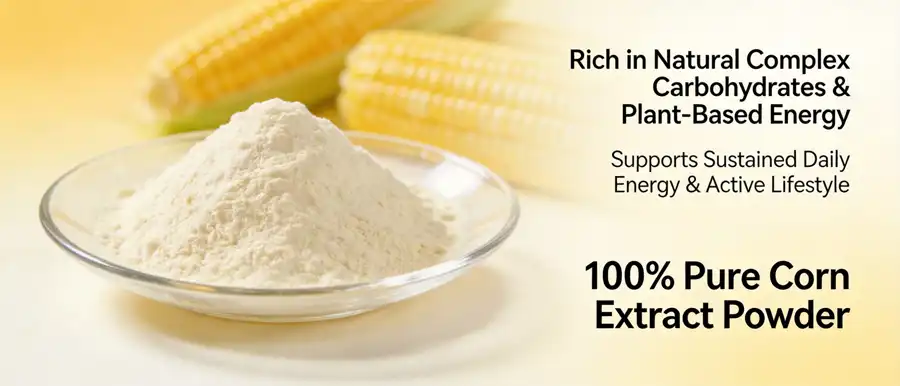
When companies that make health supplements and nutraceuticals look for natural ingredients they can trust, one question keeps coming up: is corn extract really a source of nutrients that is worth adding to formulas? Yes, that's correct. Pure Corn Extract Powder is a plant ingredient that has been proven to work by science. It is full of bioactive substances like lutein, zeaxanthin, and ferulic acid. The non-GMO corn kernels that went into this golden-yellow powder were dried using modern spray drying and biological extraction methods. Its constant nutritional value is backed by thorough HPLC testing. As the U.S. market's desire for "clean labels" grows, this natural extract gives companies a recognized, tracked ingredient that can be used in cosmetics, functional foods, and dietary supplements.
Understanding Pure Corn Extract Powder: Composition and Production
What Distinguishes This Ingredient from Conventional Corn Products
Instead of carbs or simple sugars, this special extract contains beneficial substances, not corn starch, flour, or syrup. The process starts with carefully choosing non-GMO corn kernels. These are then extracted using a liquid to separate the phytochemicals. Spray drying technology then turns the liquid concentrate into a stable powder. This keeps nutrients that are sensitive to heat and makes the powder last longer on the shelf. The end product is yellow to orange-yellow and still has the smell of fresh corn that lets you know it's real.
Advanced Extraction Technologies Ensuring Purity
To improve solubility, modern production uses both supercritical extraction and membrane separation. These methods get rid of impurities while keeping as much of the nutrients as possible. As part of strict quality control procedures, HPLC testing is used to make sure that the amount of zeaxanthin in each batch is between 5% and 20%. There are lutein (1-3%), corn polysaccharides (20–50%), and ferulic acid (0.1–0.5%) in the powder, which makes it a complete source of nutrients. International certificates, such as ISO9001, GMP, Kosher, and Halal, make sure that production standards are met and meet the needs of global markets.
Nutritional Profile and Bioactive Compounds
The health effects are caused by the active ingredients working together. Zeaxanthin and lutein are macular pigments that help keep your eyes healthy in specific ways. Corn peptides, which have molecular weights between 200 and 1000 Daltons, help lower blood pressure and act as antioxidants. Water-soluble polysaccharides help keep your gut system healthy and your defense system in check. Beta-sitosterol, stigmasterol, and other phytosterols are good for your heart in other ways. This extract also has important minerals like magnesium, potassium, and zinc, as well as B vitamins like niacin and folate. This makes it a real multipurpose ingredient instead of just a single-compound isolate.
Health Benefits of Pure Corn Extract Powder for B2B Buyers
Vision Protection and Antioxidant Defense
For B2B buyers, the health advantages of Pure Corn Extract Powder are significant. Because it contains carotenoids, this herb is a great choice for eye health products. Zeaxanthin builds up in the eye, blocking dangerous blue light and lowering oxidative stress. Clinical studies show that getting enough macular carotenoids is linked to a lower chance of vision loss that comes with getting older. The standard zeaxanthin amount can help people who are making supplements to help with vision come up with exact dosing plans. Depending on the goals of the formulation, these can be anywhere from 2 mg to 10 mg per dose.
Immune System Modulation and Digestive Wellness
Corn polysaccharides have prebiotic traits that feed good bacteria in the gut, which helps keep the microbiome balanced. The soluble fiber helps keep your digestive system regular, and the polysaccharides help your defense cells work. This extract can be added to supplement brands that aim to improve gut health or the immune system at doses of 500 mg to 1500 mg per day, either by itself or with probiotics and other plant extracts.
Metabolic Support and Anti-Inflammatory Action
Ferulic acid protects cells from damage caused by inflammation and free radicals. The corn peptides show that they can block ACE, which may help keep blood pressure levels healthy. Because of these ways it works, the ingredient is useful for health goods that focus on metabolic health, especially in the growing functional food market where people are looking for natural options to artificial additives.
Safety Profile and Regulatory Compliance
The product has very good safety limits and few possible side effects. Since it comes from food-grade corn, it doesn't have the allergen problems that come with soy or dairy. U.S. food safety laws are followed when products are made in sites that are FDA-registered and GMP-certified. Officers in charge of buying things can be sure that this ingredient meets international standards because it comes with full COA paperwork and heavy metal tests for each batch.
Comparing Pure Corn Extract Powder to Alternative Ingredients
Functional Distinctions from Common Corn Derivatives
Putting Pure Corn Extract Powder up against other ingredients reveals critical functional differences. Understanding the useful differences between ingredients is very important when choosing which ones to use. Corn starch is mostly used to bind or thicken things, and it doesn't provide much nutrition other than carbs. Corn flour gives food structure, but it doesn't have any concentrated bioactives. Corn syrup can be used as a sweetener, but it doesn't have as many phytochemicals as some other products. While corn fiber has prebiotics, it lacks the pigment and antioxidant parts that make this product valuable.
The special separation method combines the good chemicals while getting rid of the ones that are just calories. In this way, a useful ingredient is made instead of a standard product. When supplement makers choose between this concentrated extract and whole corn powder, they will see big changes in the amount of active compounds per gram. This means that they can make health claims that are more specific and use smaller dose sizes.
Organic Versus Non-Organic Sourcing Considerations
Organic and common types are different in terms of quality standards. Organic approval requires farming without pesticides and supply lines that can be tracked, which means that the products often cost more. Non-organic sources are cheaper, but they are still safe because they are tested for residues. Cost limits and market positioning are two things that B2B buyers have to think about. Premium brands that want to attract health-conscious customers may put an emphasis on organic certification, while value-focused product lines can use materials that come from other sources without affecting the safety or effectiveness of the product.
There are also differences in supply chain issues. Seasonal changes can affect how much organic corn is available, which could change wait times and minimum order amounts. Conventional sources offer more stable supplies, which is very important for companies that need to keep making things all year. Taking into account the tastes and price awareness of the target market helps procurement teams make smart choices that are in line with business goals.
Procurement Considerations for Bulk Buyers and OEMs
Strategic Sourcing Channels and Supplier Evaluation
When looking for trusted providers, you need to look at more than just price. Manufacturers with a good reputation keep a full set of certificates, such as ISO9001 for quality control, HACCP for food safety, and product-specific certifications like Kosher and Halal. When buying from foreign sellers, being able to handle export paperwork is very important. Working with established partners can make customs clearance easier and offer flexible delivery terms like FOB, CIF, or DDP.
When evaluating a supplier, you should look at their production ability, especially how well they can handle both small test batches and big orders. Product development teams can try formulations without having to spend a lot of money because they can start with a 1 kg minimum order number. Once the formulas work, they can be scaled up to normal 25 kg drum sizes so that buying in bulk is more cost-effective. Manufacturers can better plan their production schedules when they know exactly how long lead times are (usually 7–15 days for in-stock products).
Private Label and OEM/ODM Capabilities
Brands that want to stand out can benefit from providers that offer customization services. With private label choices, businesses can sell their own special recipes under their own brand names. With OEM services, you can get help making your own blends, and with ODM partnerships, you can get help with the whole process, from coming up with the idea to packing it. These services are especially helpful for new businesses that don't have their own manufacturing facilities or for well-known brands that want to add new products without spending a lot of money on building new facilities.
When looking at possible production partners, you should ask about help with formulation, legal advice, and the ability to use different packing options. Expert sellers can help with dose suggestions, testing to see if the product is compatible with other ingredients, and providing the necessary paperwork for entering the market in different areas.
Cost-Value Analysis and Pricing Benchmarks
The price of corn extract on the market depends on the specification, the amount, and where the seller stands. Standard 10% zeaxanthin content is usually in the middle of competitive average rates. Premium 20% specs, on the other hand, fetch relatively higher prices because they contain more zeaxanthin. Above 100 kg, volume savings become important, and tiered price systems reward bigger commitments.
To find real value, you have to look at more than just the unit cost. You have to think about things like purity, stability, and service quality. Alternatives that are less expensive might have quality problems that need more testing or changes to the way they are made. Suppliers that have been around for a while and have strong quality systems lower downstream risks, which means that in the end, they provide better value even if the price is higher at first. Payment terms also have an effect on working capital. The most common payment method is a T/T bank transfer, but some sellers will accept LC terms for large orders.
Practical Applications and Market Opportunities in Europe and America
Dietary Supplement Formulations and Functional Foods
As people get older and look for ways to stay healthy, the U.S. vitamin market is putting more and more emphasis on eye health with Pure Corn Extract Powder. The consistent amount of carotenoids in corn extract makes it possible to make eye aids that are just as good as fake ones. Because the ingredient dissolves easily in oil, brands can use it to make softgels, pills, or liquid vitamins by mixing it with emulsion liquids. The unique smell of corn gives products the sense of sincerity that people associate with natural sources.
Functional foods can be used for more than just vitamins. The extract can be added to protein powders for busy living to make them more antioxidant-rich. Natural chemicals made from corn make nutrition bars, breakfast cereals, and fortified drinks more appealing to people who like clean labels. The powder stays stable at pH levels 3 through 9, so it can be used with a wide range of food materials without breaking down. When people read ingredient lists very carefully, the clear name "corn extract" is better than manmade fillers with names that sound like chemicals.
Cosmetic and Personal Care Integration
Skincare companies that want to cash in on plant trends like the ferulic acid in corn extract. This chemical protects against UV rays and works well with mineral sunscreens in broad-spectrum formulas. Anti-aging creams contain antioxidants, which stop free radicals from damaging cells and making you age faster than you should. Because ferulic acid blocks tyrosinase, brightening serums can help even out skin tone naturally, without using strong whitening agents.
Because it has phytosterols, which help the skin's protective function, the extract can be used in lotions for sensitive or damaged skin. Formulation scientists like that the powder can be used with both water-based and oil-based methods, which gives them options for different types of products. The natural yellow-orange color can even be used to add color to products that don't want to use manmade dyes, which is in line with the ideas of the clean beauty movement.
Emerging Market Trends and Growth Opportunities
People in North America and Europe make decisions about what to buy based on their concern for the environment. Consumers want more information about where ingredients come from, how they affect the earth, and how products are made in a good way. Suppliers who can show that their products can be tracked from the farm to the customer get an edge over their competitors. The corn extract comes from farming, which makes it a good fit for the cycle economy, especially when it comes from businesses that use by-product valorization methods.
Regulatory settings are always changing, and health claims and chemical safety are getting more attention. New chemicals have to go through more legal hurdles than well-known ingredients with a long history of use and safety data. The fact that the extract comes from food and is already GRAS makes it easier to get into the market than manufactured options that need to go through a lot of toxicological testing. When a brand goes global, it helps to use products that are already approved by a number of regulatory bodies.
Conclusion
Looking at corn-derived extract as a natural source of nutrients shows that it has a lot of benefits for companies that make health supplements, nutraceuticals, and new products. The concentrated chemical profile provides real practical benefits, including protecting against free radicals, supporting the immune system, and keeping your eyes healthy. Modern ways of making sure that the quality and consistency meet worldwide standards, and a wide range of certifications meet the needs of all areas around the world. When you look at this special ingredient next to regular corn goods, you can see what makes it valuable as a useful ingredient instead of a filler. Suppliers that offer flexible order amounts, clear quality paperwork, and value-added services like OEM/ODM capabilities are more likely to be chosen by buyers. As more people choose clean-label, plant-based ingredients that have been proven to work by science, the market for these ingredients will continue to grow. This corn-based powder is a good choice for B2B buyers looking for solid plant extracts because it is safe, effective, and appealing to the market.
FAQ
What is the recommended dosage for supplement formulations?
Doses are usually between 100 mg and 1500 mg per day, based on the purpose of the product. Vision health products that aim to increase zeaxanthin intake usually use 200–500 mg of a 10% extract to give 20–50 mg of active carotenoids. Higher amounts of 500–1500 mg may be used in immune-supporting goods to get the most polysaccharide content. When setting final doses, formulation teams should test for stability and think about which ingredients work best together.
Are there known allergen concerns or contraindications?
Corn extract is very safe and doesn't pose a lot of an allergy risk. People who have rare allergies to corn proteins should be careful. This item doesn't have any common allergens in it, like nuts, soy, gluten, or dairy. Women who are pregnant or nursing should talk to their doctors before using concentrated plant products. The powder is safe for a wide range of people to use because it is food-grade and has a long history of safety.
How does it compare nutritionally to whole corn or corn flour?
The bioactive quantity per gram is much higher in concentrated solutions. Whole corn has fiber and basic nutrients, but specialized extraction separates substances like zeaxanthin at amounts that can't be reached by eating corn. A 500 mg dose of 10% extract provides the same amount of zeaxanthin as several serves of fresh corn. This means that supplements can be used for specific health goals in addition to a general diet.
Partner with BioSpark for Premium Corn Extract Solutions
BioSpark (Xi'an) Biotechnology Co., Ltd. is an expert at offering recognized, high-quality plant extracts like Pure Corn Extract Powder that are perfect for tough business-to-business uses. Our qualifications as a corn extract powder seller include ISO9001, GMP, Kosher, Halal, and FDA registration, which means that your formulations will meet strict regulatory requirements. We keep enough in stock to complete orders right away, and our delivery terms are flexible enough to work with foreign logistics. For example, we can send samples quickly by express shipping, and for large orders, we can use cost-effective sea freight. Our OEM/ODM services help you all the way from the idea stage to the market launch, whether you need 1 kg for testing a new product or several tons for mass production. Email us at leao@biosparkcn.com to talk about unique formulations, get full specs, or ask for sample proof. Our experienced team helps with the whole process, from finding problems to formulating help and supply chain optimization, so your brand can safely release new natural health products.

References
1. Abdel-Aal, E. M., Akhtar, H., Zaheer, K., & Ali, R. (2013). Dietary Sources of Lutein and Zeaxanthin Carotenoids and Their Role in Eye Health. Nutrients, 5(4), 1169-1185.
2. Dewanto, V., Wu, X., Adom, K. K., & Liu, R. H. (2002). Thermal Processing Enhances the Nutritional Value of Tomatoes by Increasing Total Antioxidant Activity. Journal of Agricultural and Food Chemistry, 50(10), 3010-3014.
3. Bohn, T., Desmarchelier, C., Dragsted, L. O., Nielsen, C. S., Stahl, W., Rühl, R., Keijer, J., & Borel, P. (2017). Host-Related Factors Explaining Interindividual Variability of Carotenoid Bioavailability and Tissue Concentrations in Humans. Molecular Nutrition & Food Research, 61(6).
4. Miyazawa, T., Nakagawa, K., Shimasaki, S., & Nagai, R. (2012). Lipid Glycation and Protein Glycation in Diabetes and Atherosclerosis. Amino Acids, 42(4), 1163-1170.
5. Rondanelli, M., Opizzi, A., Perna, S., Faliva, M. A., Solerte, S. B., & Fioravanti, M. (2013). Improvement in Insulin Resistance and Favourable Changes in Plasma Inflammatory Adipokines after Weight Loss Associated with Two Months' Consumption of a Combination of Bioactive Food Ingredients in Overweight Subjects. Endocrine, 44(2), 391-401.
6. Scripsema, N. K., Hu, D. N., & Rosen, R. B. (2015). Lutein, Zeaxanthin, and Meso-Zeaxanthin in the Clinical Management of Eye Disease. Journal of Ophthalmology, 2015, Article ID 865179.

Send Inquiry
Related Industry Knowledge
- How Is Broad Bean Powder Used in Functional Nutrition?
- How Is Barley Sprout Powder Used in Dietary Supplements?
- Is Kidney Bean Flour the Next Trend in Healthy Baking?
- Is Your White Kidney Bean Extract Powder Tested for Purity?
- Why Choose White Kidney Bean Extract Powder for Supplements?
- What are the antioxidant benefits of snow lotus powder?
- Searching for a Reliable Liquorice Extract Powder Manufacturer?
- How Effective Is Saffron Extract Powder 10:1 for Stress Relief?
- How Effective Is Pomegranate Seed Extract Powder for Health?
- How Does Baicalin Extract Support Immune Function?