_1764041963888.webp)
How fast does pomegranate seed extract powder show antioxidant effects?
Jul 15, 2026
This book goes into great detail about B2B procurement for professionals in the field. Pomegranate seed extract powder has antioxidant effects that can be seen in cells just hours after consumption, but the full benefits don't show up for a few days to a week. Bioactive polyphenols, especially punicalagins and ellagic acid, quickly get rid of free radicals in the bloodstream, according to studies. The time frame changes based on dose, formulation quality, and individual metabolic factors. Standardised, high-potency extracts are necessary to ensure repeatable results in commercial product development.
Understanding Pomegranate Seed Extract Powder and Its Antioxidant Properties
Pomegranate seed extract powder is a sophisticated plant ingredient that is made using advanced extraction methods that keep the delicate profile of bioactive components. Supercritical CO2 extraction or solvent-based processing is used to separate the concentrated phytochemicals from the seed material while keeping their safety and effectiveness. This way of extracting gets the polyphenolic chemicals that give the end powder its amazing antioxidant power.
The Science Behind Antioxidant Activity
Pomegranate seed extract powder is a powerful antioxidant because it contains many different phytochemicals. Punicic acid, a conjugated linolenic acid that makes up about 70% of seed oil, is very good at getting rid of free radicals. Ellagic acid, which is usually standardised at 5% or higher in good samples, neutralises reactive oxygen species directly at the level of the mitochondria. When present in amounts higher than 8%, anthocyanins add to the plant's defences against environmental damage.
These chemicals don't work alone; they work together. When free radicals attack cell structures, the polyphenolic matrix gives electrons to these unstable molecules to make them more stable without becoming harmful themselves. This chain effect is what makes concentrated pomegranate seed extract powder better at fighting free radicals than whole fruit preparations, since diluting them lowers their bioactive density.
Industrial Applications and Quality Standards
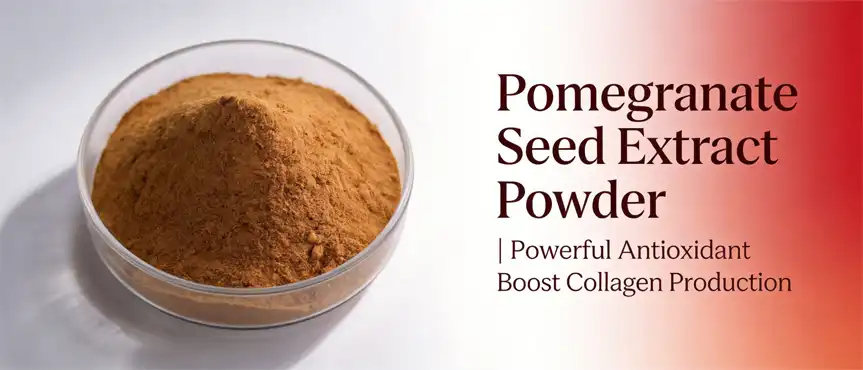
A High-Performance Liquid Chromatography (HPLC) test shows that premium-grade pomegranate seed extract powder has at least 40% active polyphenols. This analysis method makes sure that the quality of each batch is the same, which is very important for business-to-business purchases in controlled fields. The fine powder that is made is brownish-yellow to brown and stays stable while it is stored as long as the moisture content stays below 5%.
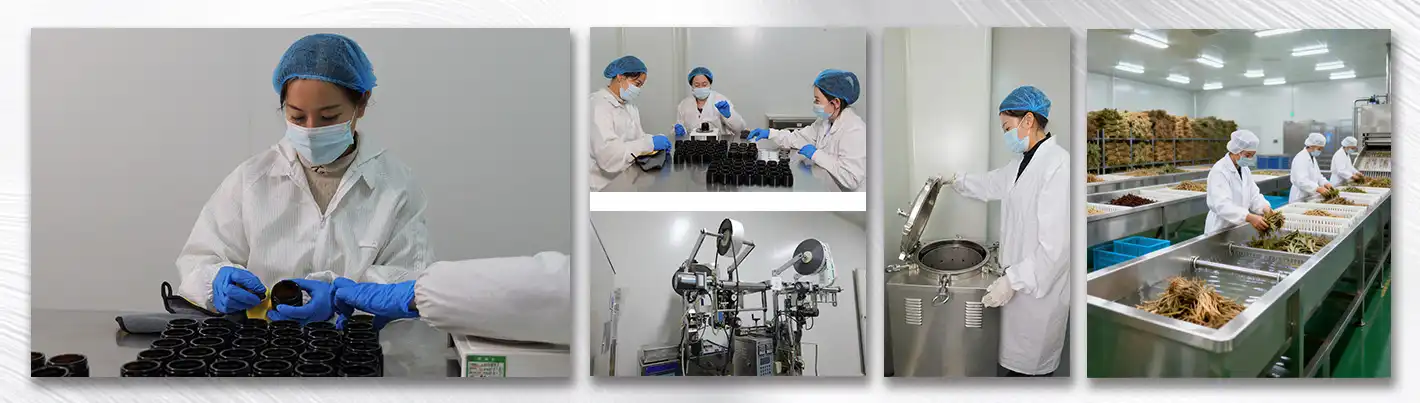
When purchasing antioxidant ingredients, people in charge know that the quality of the extract has a direct effect on how well the mixture works. Nutraceutical, skincare, and functional food uses need products that are made in ISO-certified facilities with traceable raw materials. These products are reliable. The particle size, which is usually small enough to pass through 80-mesh screens, makes sure that the particles are spread out evenly in all delivery methods.
How Quickly Does Pomegranate Seed Extract Powder Exhibit Antioxidant Effects?
Looking at both in vitro lab data and clinical proof from human studies is needed to figure out when antioxidant activity starts. The answer varies depending on how the measurements are made and which indicators are being looked at.
Immediate Cellular Response
Studies in the lab show that polyphenols from pomegranate seed extract powder products start to work with cells 30 minutes after they are given. The Oxygen Radical Absorbance Capacity (ORAC) test shows that plasma antioxidant capacity rises within 2 to 4 hours of usage. This quick reaction happens because ellagic acid and punicalagins are taken through the wall of the intestine and go into the bloodstream.
However, this action right away is only the start of antioxidant defence. Depending on whether the pomegranate seed extract powder is taken with food or on an empty stomach, the highest levels of key metabolites in the blood usually happen one to three hours after consumption. This quick absorption feature can help people who are making supplements that work quickly when making goods for situations with acute oxidative stress.
Short-Term Accumulation
Studies have shown that taking pomegranate seed extract powder products every day for a long time has cumulative antioxidant effects. Biomarkers of oxidative stress, like malondialdehyde (MDA) and 8-hydroxydeoxyguanosine (8-OHdG), drop significantly in the first week of regular use. The usual daily dose of 200 to 500 mg is enough to have these benefits.
During this time, chemicals build up in organs other than the bloodstream. These beneficial chemicals are found in the liver, adipose tissue, and even skin cells. This means that antioxidants work all over the body. Because of this distribution phase, it may take a few days of using some products, especially cosmetic formulas, before you can see results.
Long-Term Optimisation
Antioxidant defence is increased when pomegranate seed extract powder supplements are taken for a long time. This happens because cellular response mechanisms start to work. Endogenous antioxidant enzymes like superoxide dismutase and glutathione peroxidase are turned up by changing the way genes are expressed. According to this result, the body's own defences are strengthened by the antioxidants that come from outside the body.
End users should be told about this deadline by B2B clients who are making therapeutic or health goods. While short-term benefits happen quickly, long-term safety for cells needs to be maintained regularly for at least two weeks. This knowledge helps people set reasonable goals and makes final goods more satisfying for them.
Factors Influencing Response Time
How quickly antioxidant benefits show up depends on a number of factors. The main thing that matters is the quantity of the extract. Products that are standardised to higher flavonoid percentages work faster and better. The way the drug is delivered is very important. Pomegranate seed extract powder mixed into drinks is taken differently than capsules, which have to break down first in the digestive system.
Metabolic differences between people cause variation that procurement experts need to be aware of when they are looking for items for a wide range of markets. Response times are affected by age, the amount of antioxidants in the body, the type of food that is eaten, and genetic variations that affect the digestion of polyphenols. Good makers keep records of the normal reaction ranges that can be used to guide marketing and product claims.
Comparison: Pomegranate Seed Extract Powder vs Other Antioxidant Sources
To find a place for pomegranate seed extract powder in the market of antioxidant chemicals, it's important to look at its effectiveness, solubility, and usefulness in formulations.
Seed Extract vs Juice Concentrate
Fruit juice from pomegranates is good for you, but pomegranate seed extract powder has much higher amounts of important vitamins per unit weight. The juice has between 0.2% and 1% antioxidants, while standardised pomegranate seed extract powder has 40% or more. Because the concentrations are 40 times different, formulators can get therapeutic doses with smaller serving amounts. This lowers the cost of preparation and makes it easier for customers to follow through.
Seed Oil vs Seed Extract Powder
Punicic acid makes up a lot of pomegranate seed oil (65–85%), which is an omega-5 fatty acid that has health benefits. The oil format has its own uses, especially in makeup emulsions and softgel packaging. However, oil fractions don't have many of the water-soluble polyphenolic antioxidants like ellagic acid.
Comparative Potency Against Other Fruit Extracts
When compared to grape seed extract, which is a common antioxidant ingredient standardised to 95% oligomeric proanthocyanidins (OPCs), pomegranate seed extract powder shows qualities that work well with grape seed extract instead of directly competing with it. Pomegranate polyphenols are better at fighting inflammation and protecting cell membranes, while OPCs from grape seeds are better at supporting blood vessels and protecting collagen.
Organic Certification and Performance Differences
Because the market wants products with clean labels, organic-certified pomegranate seed extract powder is getting more and more expensive. In addition to being better for business, organic farming may change the profiles of phytochemicals. When plants are under mild natural stress without the help of synthetic pesticides, they may sometimes make more protective polyphenols.
Practical Guide: Using Pomegranate Seed Extract Powder to Maximise Antioxidant Benefits
To turn research promise into business success, you need to pay attention to dosing guidelines, safety factors, and formulation strategies that are tailored to each application.
Recommended Dosage Levels
There is proof from the business world that suggests taking between 200 and 500 mg of standardised pomegranate seed extract powder every day can help with antioxidants in general. This treatment window comes from clinical tests that showed the drug worked well without causing any side effects. Products that aim to provide strong antioxidant support, like healing formulas after exercise or therapeutic supplements for heart health, may contain amounts close to 1000 mg per day if there is enough safety evidence to back it.
Dosing that works depends a lot on the standardisation level. A 200-500 mg dose of an extract standardised to 40% polyphenols has 80–200 mg of active chemicals. To make sure formulators get the bioactives they want in finished goods, manufacturers must make this clear through technical specs.
Safety Considerations and Contraindications
Pomegranate seed extract powder products have been tested for safety and found to be very safe. Acute and subchronic poisoning tests show that doses much higher than the average amount taken as a supplement don't have any negative effects. Most people agree that the extract is safe to use as long as it is taken according to standard dose instructions.
Certain groups need to be taken into account. People who are taking cytochrome P450 substrate drugs should be careful because pomegranate polyphenols may change how fast drugs are broken down. Women who are pregnant or breastfeeding should talk to their doctors before using concentrated extracts. Eating whole fruit, on the other hand, is not known to cause any problems. Even though they are rare, allergic responses are still possible, especially in people who are known to be sensitive to other plants in the Lythraceae family.
Application Across Industry Verticals
Pomegranate seed extract powder can be used in many different ways, and each one has its own technical needs:
Nutraceutical Supplements: Most of these come in capsule form, with extract mixed with the right fillers to get the right dose. Combining pomegranate seed extract powder with antioxidants that work well together, like vitamin C and alpha-lipoic acid, makes products that work better. Cardiovascular support goods use antioxidants and anti-inflammatory properties, and each dose usually has 250 to 500 mg of these substances.
Sports Nutrition: Drinks that help with recovery after exercise and reducing oxidative stress benefit from pomegranate seed extract powder polyphenols' ability to be quickly absorbed. The substance is mixed with electrolytes and amino acids in products made for endurance athletes to help with healing in a wide range of ways. To meet clinical proof for use in exercise-related situations, inclusion rates are usually between 300 and 500 mg per serving.
Quality Assurance and Testing Protocols
When buying from businesses, you have to do a lot of quality checks that go beyond the basic requirements. The Certificate of Analysis (COA) should include proof of polyphenol content using HPLC, proof of heavy metal compliance with USP standards (lead <3ppm, arsenic <1ppm, mercury <0.1ppm), and proof of bacterial safety margins.
Testing for pesticide residues according to USP <561> or European Pharmacopoeia standards gives more confidence, especially in places with strict rules. Verification by a third party, such as through NSF International or Informed Sport, gives sports nutrition apps more authority. Full traceability paperwork, such as records of where the seeds came from and the batches of pomegranate seed extract powder that were extracted, is something that sets top sellers apart.
Procuring High-Quality Pomegranate Seed Extract Powder – What B2B Buyers Need to Know
Health supplement brands and nutraceutical businesses make big choices about strategic sourcing that affect the quality of their products, their ability to follow regulations, and their ability to do well in the market.
Supplier Evaluation Criteria
To find trusted manufacturing partners, you need to do a thorough evaluation of many factors. Flexibility in production capacity is very important. Suppliers who can handle both small pilot runs (minimum 25 kg) and large orders (multi-ton amounts) allow for growth as product lines do. This flexibility is very important for both new companies trying how well their products do in the market and well-known companies releasing new formulas at the same time.
Manufacturing approvals show that the business is operationally mature and that the quality system is being used. ISO 9001 approval shows that you know basic quality management, while GMP compliance for makeup or dietary supplements shows that you know how to make products that are safe and effective. When organic certification (USDA, EU Organic, or a similar) is real and proven, it opens up premium market niches and gets higher prices.
Analytical skills set advanced sellers apart from commodity traders. Companies that have their own labs with HPLC, UV-Vis spectroscopy, and bacteria testing tools can check the quality of their products more quickly and show that they know a lot about technology. When in-house testing skills are limited, third-party testing relationships with accredited labs can add more credibility.
Pricing Structures and Cost Considerations
Standardised pomegranate seed extract powder prices on the market vary a lot depending on quality factors. In bulk amounts (500 kg or more), conventional extracts standardised to 40% polyphenols usually cost between $45-75 per kilogram, while organic-certified versions cost between $65 and $95 per kilogram. Due to setup costs and fewer economies of scale, small-batch pricing (25–100 kg) costs 20–40% more than large-batch pricing.
Instead of just looking at unit prices, procurement pros should look at the total landing cost. Logistics for shipping, especially when buying from other countries, add a lot of cost. Transportation costs and wait times are cut when suppliers offer consolidated shipping deals or keep regional distribution centres open. Payment terms also affect how much something costs. Suppliers who offer net-30 or net-60 terms are better for your working capital than those who require payment in advance.
Supply Chain Reliability and Lead Times
When you know about production cycles, you can avoid stocking problems that hurt product starts or cause stock-outs. Pomegranates are picked at certain times of the year, with the main crop windows being from September to January, based on where the fruit comes from. During this cycle, suppliers who keep enough inventory on hand ensure a consistent supply. On the other hand, suppliers who use just-in-time methods may have trouble allocating goods during off-seasons.
Standard wait times for stock items are between 2 and 4 weeks for suppliers in the United States and between 6 and 8 weeks for suppliers in other countries, taking into account production, quality testing, and shipping. Custom formulas or specialised standardisation levels add two to four weeks to the time it takes to build and validate a method. Setting up supply deals with both main and backup suppliers lowers the risk that comes with relying on just one source.
Building Strategic Partnerships
When you move from simple buying relationships to strategic partnerships, you get benefits that go beyond lowering costs. Time-to-market for new goods is sped up by suppliers who offer technical help for formulation development. In controlled markets, it's easier to follow the rules when you can see government documents like food safety dossiers and toxicology studies.
When suppliers invest in customised extraction methods or specialised standardisation goals as part of a co-development agreement, the result is unique ingredients that rivals can't easily copy. By investing in each other's success, these exclusive partnerships create competitive moats around product lines and make relationships with suppliers stronger.
Conclusion
Pomegranate seed extract powder has immediate antioxidant effects that start to show up after a few hours, and the benefits keep getting better over time. Standardisation of 40% polyphenols, achieved through advanced extraction and confirmed by HPLC analysis, provides effectiveness for a wide range of uses in nutraceuticals, functional foods, cosmetics, and sports nutrition. Bioactive elements like anthocyanins, punicic acid, and ellagic acid work together to fight free radicals and keep cells healthy. Professionals in procurement can benefit from knowing the technical details, quality standards, and source evaluation factors that set luxury ingredients apart. Brands can make effective, legal goods that meet customer needs for natural, science-based antioxidant solutions by making smart sourcing choices that include flexible production capacity, strict testing protocols, and clear supply chains.
FAQ
How long before I see antioxidant benefits from pomegranate seed extract powder?
Within two to four hours of eating, polyphenols start to work as antioxidants at the cellular level. Within 1 to 7 days of taking 200 to 500 mg of supplements every day, oxidative stress signs usually start to show changes that can be measured. Over the course of 2 to 8 weeks, as tissues build up and natural antioxidant systems become more active, full cell defence is achieved. The time frame changes depending on the type of extract, the amount taken, the person's metabolism, and their antioxidant state at the start.
Is daily use of pomegranate seed extract powder safe?
Pomegranate seed extract powder products have been shown in clinical tests to be very safe when taken in the recommended amounts. Toxicological tests show that vitamin doses much higher than the average do not have any negative effects. People who take medicines that are broken down by cytochrome P450 enzymes should talk to their doctors because of possible side effects when they mix with other medicines. Women who are pregnant or breastfeeding should talk to a doctor before using concentrated plant products. Eating fruit, on the other hand, is not known to cause any problems.
What determines pomegranate seed extract powder quality?
Standardisation of polyphenols (40% minimum for top grades), extraction method (supercritical CO2 is recommended), analytical proof via HPLC, contaminant tests (heavy metals, pesticides, microbiology), moisture control (below 5%), and documentation of tracking are all things that show how good the product is. Quality is also proven by organic approval, GMP production compliance, and testing by a third party. To check claims, B2B buyers should ask for full Certificates of Analysis and source reports.
Partner with BioSpark for Premium Pomegranate Seed Extract Powder
BioSpark (Xi'an) Biotechnology Co., Ltd. makes high-quality pomegranate seed extract powder that is standardised to 40% polyphenols using cutting-edge supercritical CO2 extraction technology. Our pomegranate seed extract powder maker can handle anything from 25 kg trial batches to multi-ton production runs. This gives new brands and established businesses the flexibility they need. To make sure that it meets foreign standards like USP and European Pharmacopoeia requirements, each batch goes through a thorough HPLC verification, heavy metal testing, and bacterial analysis.
As a reliable provider of pomegranate seed extract powder, we keep full records of where the seeds come from and how they are packaged in 25 kg drums that are made to be stable during storage and shipping around the world. Our full-service OEM and ODM support includes formulation advice, help with regulatory paperwork, and custom standardisation choices made to fit the needs of your particular application. We offer dependable supply chain performance that keeps your production plans safe thanks to our established delivery networks in North America, Europe, and Asia.
Email our technical team at leao@biosparkcn.com to get analytical specs, talk about the needs of your project, or set up a sample review. BioSpark gives your business the quality guarantee, technical know-how, and supply stability it needs, whether you're making supplements for your heart, functional drinks, anti-ageing cosmetics, or sports nutrition goods.
References
1. Seeram, N. P., Aviram, M., Zhang, Y., Henning, S. M., Feng, L., Dreher, M., & Heber, D. (2008). Comparison of antioxidant potency of commonly consumed polyphenol-rich beverages in the United States. Journal of Agricultural and Food Chemistry, 56(4), 1415-1422.
2. Rosenblat, M., Hayek, T., & Aviram, M. (2006). Anti-oxidative effects of pomegranate juice consumption by diabetic patients on serum and on macrophages. Atherosclerosis, 187(2), 363-371.
3. Gil, M. I., Tomás-Barberán, F. A., Hess-Pierce, B., Holcroft, D. M., & Kader, A. A. (2000). Antioxidant activity of pomegranate juice and its relationship with phenolic composition and processing. Journal of Agricultural and Food Chemistry, 48(10), 4581-4589.
4. Aviram, M., Dornfeld, L., Rosenblat, M., Volkova, N., Kaplan, M., Coleman, R., & Hayek, T. (2000). Pomegranate juice consumption reduces oxidative stress, atherogenic modifications to LDL, and platelet aggregation. American Journal of Clinical Nutrition, 71(5), 1062-1076.
5. Johanningsmeier, S. D., & Harris, G. K. (2011). Pomegranate as a functional food and nutraceutical source. Annual Review of Food Science and Technology, 2, 181-201.
6. Patel, C., Dadhaniya, P., Hingorani, L., & Soni, M. G. (2008). Safety assessment of pomegranate fruit extract: acute and subchronic toxicity studies. Food and Chemical Toxicology, 46(8), 2728-2735.

Send Inquiry
Related Industry Knowledge
- What makes nature artichoke extract a premium herbal supplement?
- Is gotu kola extract powder backed by traditional herbal medicine?
- Could Liquorice Extract Powder Improve Your Product Formula?
- What Are the Main Health Benefits of Ginseng Plant Extract?
- White Willow Bark Extract Powder: Benefits for Pain Relief?
- Rosehip Extract Powder Benefits: What Does Science Say?
- Chamomile Extract in Cosmetics: Calm Sensitive Skin Fast
- How does Ilex Leaf Extract Enhance Metabolic Health?
- How Ginseng Plant Extract Boosts Immune Function?
- Top Uses of Oyster Shell Extract Powder in Nutraceuticals