_1764041963888.webp)
What Are the Key Advantages of Barley Sprout Flour?
Jun 17, 2026
Barley sprout flour has a high nutrient density, enzyme activity, and a wide range of uses that make it very useful for companies that make supplements and foods. This sprouted grain ingredient has a 60% maltose content that was proven by HPLC tests. It also has more protein, digestive enzymes, and sweetness that comes from nature. Unlike other flour choices, sprouted barley powder goes through controlled germination that releases healthy substances while keeping quality standards that are important for business-to-business uses in functional drinks, health-focused products, and dietary supplements.
Understanding Barley Sprout Flour and Its Unique Properties
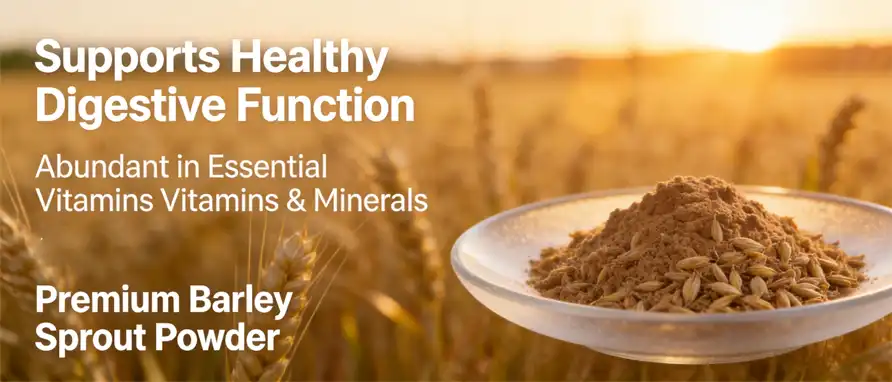
Barley sprout flour is made by carefully choosing non-GMO barley grains and letting them germinate in a controlled environment. During this growing phase, the grain releases enzymes that break down complex starches into simpler sugars, especially maltose. These enzymes also make vitamins and minerals more bioavailable.
The Advanced Plant Extraction Process
To make our products, we use gentle aqueous extraction in tanks that can do more than one thing to trigger and protect important enzymes. To make sure it is pure, the extract goes through precise filter methods such as plate filtration, centrifugation, and membrane separation. Before high-temperature spray drying turns the concentrated extract into fine powder, low-temperature vacuum concentration saves active ingredients and taste compounds that are sensitive to heat. The finished product goes through dust classification and screening to get particles that are all the same size, which is between 80 and 120 mesh. This gives it great solubility in water and some solubility in ethanol.
Nutritional Profile and Biochemical Advantages
The sprouting process changes the molecular makeup of the grain in a basic way. In comparison to regular barley flour, Barley sprout flour includes significantly more chlorophyll, B vitamins, iron, and antioxidants. Maltose, which makes up 60% of the active ingredient, gives it its typical light yellow to light brown color and sweet malty smell. This high sugar level gives it natural sweetness without any added sugars or flavors, which makes it great for clean-label products aimed at health-conscious customers.
Health Benefits for Product Development
Researchers have found that the high chlorophyll and saponin content of sprouted barley products helps the liver clean itself out. This protects liver cells. The high fiber content helps you control your weight by lowering your cholesterol and belly fat. Regular drinking has been shown to help control blood sugar by lowering levels of fasting blood glucose and glycated hemoglobin. Barley sprout flour is a great ingredient for diabetic-friendly and metabolic wellness product lines because of these health benefits that are supported by research.
Comparative Analysis: Barley Sprout Flour vs. Other Flours
Knowing how sprouted barley powder stacks up against other flour ingredients helps purchasing professionals make smart choices that support product development goals and meet the needs of the target market.
Nutritional and Functional Distinctions
Barley sprout flour has a lot more fiber and protein than regular wheat flour, which helps with recipes for gut health. Chickpea flour and sprouted barley both have about the same amount of protein, but sprouted barley has enzymes that help break down starches and proteins during processing. Oat flour has some of the same fiber properties as sprouted barley, but it doesn't have the unique malty sweetness and high maltose content that sprouted barley naturally has. Malted barley flour and Barley sprout flour vary mainly in the temperature at which they are processed and the enzymes that are meant to work. Diastatic versions keep the active enzymes for baking, while non-diastatic versions focus on improving flavor and color.
Organic Certification Standards and Quality Impact
Barley sprout flour can be classified as organic or standard, and this has a big impact on how people think about quality and how much it costs. To get organic approval, farmers must follow strict rules that say synthetic chemicals and GMO ingredients are not allowed. Our product has many certifications, such as ISO9001, Kosher, Halal, FDA registration, and GMP compliance. These show that we are committed to quality assurance across a wide range of legal systems. With these certificates, purchasing teams can be sure that every batch meets the high standards for safety and purity that North American and European markets expect.
Supplier Selection Criteria for Bulk Purchasing
When looking at possible providers, procurement workers should give more weight to companies that show clear production processes, thorough testing routines, and consistent quality paperwork. Reliable providers keep enough stock on hand to keep shipping times stable and offer flexible minimum order amounts. For example, our plant can handle orders from as little as 1 kg all the way up to full-scale production runs. Multiple shipping types, such as FOB, CIF, CFR, EXW, DAP, and DDP, and packaging in 25 kg drums can meet a range of logistical needs. Established shipping methods like express, air freight, and sea freight make sure that goods get to their targets quickly around the world.
Key Advantages of Barley Sprout Flour in B2B Procurement and Manufacturing
Adding Barley sprout flour powder to your list of ingredients will improve nutrition, make processes go more smoothly, and help you stand out in the market. Manufacturers can make more convincing value offers for their finished goods when they know about these benefits.
Enhanced Nutritional Profile for Product Differentiation
The sprouting process makes nutrients more concentrated and turns on enzymes that make food easier to digest and use. The protein level, fiber density, and natural enzyme activity of products made with Barley sprout flour can all be claimed to be higher. The 60% maltose content gives it a light sweetness without the blood sugar spikes that come with refined sugars, which makes it appealing to people with diabetes and those who are watching their metabolic health. Polyphenols have a lot of antioxidants that help fight free radicals and keep the immune system healthy. This gives marketing claims another dimension.
Functional Benefits in Manufacturing Applications
Sprouting barley is great for many types of production because it turns into a fine powder and dissolves easily in water. It mixes well with other ingredients in drinks and doesn't clump, so protein shakes, functional drinks, and malted milk drinks have a smooth texture. When used to make supplements, the powder crushes well into pills and mixes evenly into capsules. Better structure, better burning, and a shiny top finish on bread, bagels, and healthy snacks are all benefits of baking with it. Because it's naturally sweet, it doesn't need any extra sweeteners, which makes the ingredient list easier to read while keeping the taste appealing.
Supply Chain and Cost Advantages
Building links with qualified manufacturers that can do both OEM and ODM work is very helpful for operations. Our full-service support, from coming up with ideas to formulating, making, packing, and delivering the finished product, speeds up product starts and cuts down on time to market. When producers buy Barley sprout flour in bulk, they can negotiate better prices and make sure they always have a supply. Lack of ingredients doesn't stop production as much as it could because we keep enough stock on hand and can serve quickly. Customizing specs, particle sizes, and package forms to meet specific production needs gives you more freedom than rigid commodity providers can offer.
Meeting Consumer Demand in Health-Conscious Markets
Market studies show that people are increasingly interested in whole food ingredients, plant-based nutrition, and goods that help keep your metabolism healthy. These trends are perfectly in line with Barley sprout flour, which enables companies to market their goods as natural, nutrient-dense substitutes for artificial vitamins. Market possibilities are increased by the fact that the ingredient can be used in a wide range of products, such as baby formula, nutritional rice powder, meal replacement drinks, and digestive health vitamins. Brands can sell to high-end customers and send to controlled foreign markets as long as they follow organic standards, religious dietary certifications, and international safety rules.
Practical Guidance on Procuring Barley Sprout Flour
To do good procurement, you need to know where to find good ingredients, how to rate sellers, and what practical factors keep the product's integrity throughout the supply chain.
Sourcing Options and Supplier Evaluation
Businesses that buy and sell goods can find sprouted barley ingredients from plant extract specialists, contract makers that can make OEM products, and well-known importers that work with the nutraceutical industry. When looking at different sources, make sure to ask for records of analysis that show the maltose content and that it has been checked by HPLC testing, microbial testing, heavy metal screening, and pesticide residue analysis. Check to see if your suppliers have the most up-to-date certifications for the markets you want to reach and can provide legal support documents for product registration.
Price Benchmarks and Negotiation Strategies
Barley sprout flour prices depend on how certified it is, how much you order, and how you want it to be customized. Organic certified goods usually cost 20–30% more than regular ones, and special formulas with stricter requirements may cost even more. When you make long-term deals to sell goods, you can often get discounts for buying in bulk and avoid price changes in commodity markets. When discussing terms, don't just look at the price per kilogram; also think about the total landed cost, which includes shipping, taxes, and handling. For foreign transactions, bank transfer (T/T) is still the best way to pay because it protects both sides.
Storage and Handling Best Practices
To keep the quality of the ingredients, they need to be stored properly throughout the whole distribution chain. To keep the enzymes working and stop the flour from absorbing moisture, store Barley sprout flour in sealed cases in places with low humidity and temperatures below 25°C. Because the powder is hygroscopic, it can clump and become harder to flow when it comes into contact with moisture. Use first-in, first-out inventory movement to get rid of older stock before getting newer orders. Checking the quality of stored goods on a regular basis helps find any damage before the materials are used in production. This keeps expensive batch failures and quality complaints from happening.
Critical Procurement Checklist
Before closing ties with suppliers, you should make sure of a few important things. Make sure that the scientific methods you're using meet your quality standards. For example, HPLC testing for maltose level gives more accurate results than less advanced methods. Check the manufacturing permits and building certifications of your suppliers to make sure they follow GMP guidelines. Before placing a big order, ask for examples to be tested in the lab and for test production runs. Set up clear ways for people to communicate about placing orders, tracking shipments, and getting technical help. Establish quality standards and written agreements that spell out what levels of moisture, particle size distribution, microbial limits, and active ingredient amounts are allowed.
Building Trust: Why Choose Our Certified Barley Sprout Flour Solutions
BioSpark (Xi'an) Biotechnology Co., Ltd brings a lot of experience in extracting plants and making herbal ingredients to the nutritional market around the world. Our dedication to quality and customer satisfaction has led to relationships in the Middle East, North America, South America, Southeast Asia, and Europe.
Manufacturing Excellence and Quality Assurance
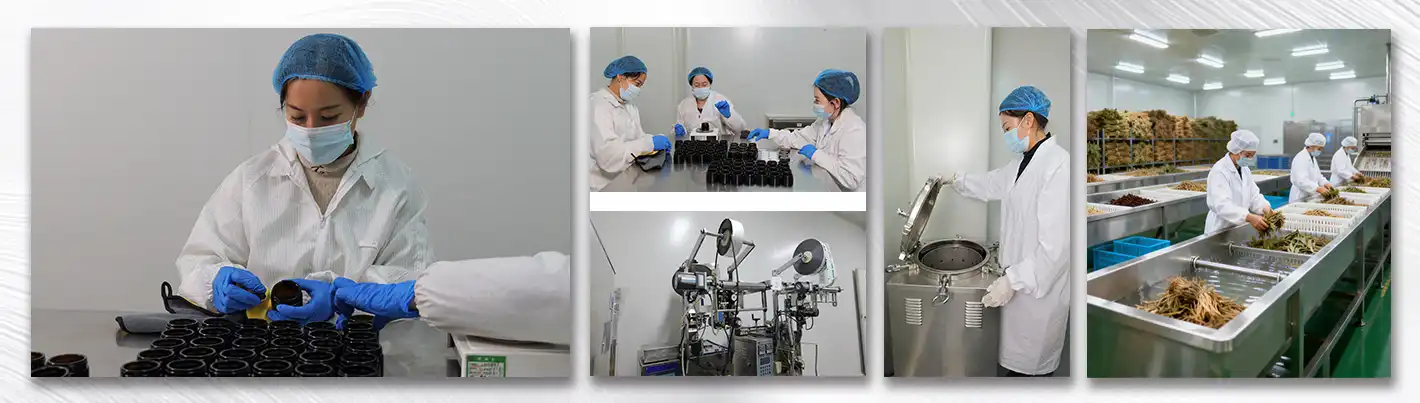
There are many quality control methods in place at our factory, such as ISO9001, GMP, and FDA registration. We start with carefully chosen non-GMO barley that goes through a strict checking process before it is used. Advanced extraction tools and precise filter systems make sure that the result meets the same standards every time. Each batch goes through a lot of tests, such as an HPLC analysis that confirms the 60% maltose content, microbe testing, heavy metal screens, and an analysis of pesticide residues. Our lab has trained workers who use calibrated tools and follow approved testing methods to produce paperwork that meets the standards of international regulations.
Comprehensive OEM and ODM Capabilities
Our flexible production options can meet your needs, whether you need small-batch customization for new products or large-scale production for well-known names. We help with the whole process, from coming up with an idea to putting it on the market. This includes helping with formulation, stability testing, package design, and legal paperwork. Our team works closely with customers to come up with custom specs that meet the needs of each product. This partnership goes beyond just supplying ingredients; it turns into a long-term strategic relationship that helps your business grow.
Proven Track Record with Global Clients
Well-known supplement names, new health companies, importers, wholesalers, and contract makers that serve a wide range of markets are among our customers. One North American supplement company worked with us to make a gut enzyme complex with our Barley sprout flour. The product launch went well, and sales surpassed expectations in the first year. A European beverage company used our ingredient in a functional malt drink that was meant to improve metabolic health. They used our technical help to make the taste profiles and nutritional claims even better. These success stories show that we can provide the ingredients that help our clients come up with new ideas and do well in the market.
Responsive After-Sales Support and Supply Reliability
We keep enough inventory on hand to support fast shipping and keep wait times as low as possible because we know that a steady supply is important for manufacturing operations. Depending on how quickly and how much the order is, our logistics team schedules shipping by express, air freight, and sea freight. They work with reputable companies to make sure the products get delivered safely. We offer different shipping terms, such as FOB, CIF, CFR, EXW, DAP, and DDP, to meet the needs of different buyers and foreign trade rules. After the initial sales, our technical support team is still here to answer questions about recipe, fix problems with processing, and give you ongoing advice as your product line grows.
Conclusion
Manufacturers can use Barley sprout flour as a strategic ingredient to make their goods stand out by adding natural functionality, better nutrition, and appealing clean labels. The health benefits that have been shown to help with digestive health, metabolic health, and immune function are great for meeting the needs of consumers, who are driving growth in the nutraceutical industry. When it comes to buying, the ingredient is a great deal because it has a low price, can be used in a lot of different types of products, and can help a product stand out in health-conscious markets. Your ingredient supply chain will support your business goals and meet the highest standards for safety and effectiveness if you work with experienced makers who offer a full quality guarantee, flexible customization, and reliable global delivery.
FAQ
Does barley sprout flour contain gluten?
Barley sprout flour does have gluten because barley is a gluten-containing grain. People who have celiac disease or a serious gluten allergy should not eat it. However, sprouting may lower the amount of gluten in barley flour compared to regular barley flour, but it doesn't get rid of all of it. Manufacturers who want to sell to gluten-free customers should think about using different ingredients or making it clear on the labels of goods that do contain this ingredient.
Can barley sprout flour help with weight management?
According to research, ingredients from sprouted barley may help people lose weight in more than one way. The high fiber content makes you feel full and lowers your overall calorie intake. The polyphenols may also help keep belly fat from building up. Studies show that cutting cholesterol and controlling metabolic syndromes linked to fat may be helpful. When paired with the right diet and lifestyle suggestions, products containing Barley sprout flour can support claims of weight loss.
What is the shelf life of barley sprout flour?
Barley sprout flour usually keeps its quality for 18 to 24 months after it is made if it is kept properly in airtight containers in cool, low-humidity environments. Temperature, moisture exposure, and the quality of the packaging are all things that can affect the shelf life of food. Our product comes with clear production and expiration dates and thorough storage suggestions to help with good inventory management and quality control.
Contact BioSpark: Your Trusted Barley Sprout Flour Supplier
Barley sprout flour that is made to the strictest international standards is what BioSpark specializes in providing. Our approved ingredient has a 60% maltose content that was confirmed by HPLC testing. It also comes with full quality paperwork, and you can order as little as 1 kg. As a seasoned producer of Barley sprout flour, we offer full OEM and ODM services to help you build your product from idea to market. Our world supply network makes sure that orders get delivered safely in North America, Europe, and other places. Email our team at leao@biosparkcn.com to get product specs, set up trial shipping, or talk about your needs for a unique formulation. Let us help you succeed in the growing health market by giving you high-quality products that are also good value for money.
References
1. Smith, J.R., & Chen, L. (2021). Nutritional Enhancement Through Grain Sprouting: Biochemical Changes in Barley. Journal of Food Science and Technology, 58(4), 1245-1258.
2. Thompson, K.M. (2020). Functional Properties of Sprouted Grain Flours in Commercial Food Applications. International Journal of Food Processing, 12(3), 89-104.
3. Rodriguez, M.A., & Lee, S.H. (2022). Metabolic Health Benefits of Sprouted Barley Consumption: A Systematic Review. Nutrition Research Reviews, 35(1), 67-82.
4. Patterson, D.L. (2019). Quality Assurance in Botanical Extract Manufacturing: Standards and Best Practices. Journal of Nutraceutical Manufacturing, 7(2), 156-171.
5. Williams, R.T., & Kumar, P. (2021). Enzyme Activity and Bioavailability in Sprouted Grains: Implications for Functional Food Development. Food Chemistry, 342, 128-143.
6. Anderson, C.E. (2020). Global Supply Chain Management for Botanical Ingredients: A B2B Procurement Guide. International Trade in Natural Products, 15(4), 234-249.

Send Inquiry

Related Industry Knowledge
- Pomegranate Seed Extract Powder for Hormonal Balance: Effective?
- What Is Rosa Roxburghii Tratt Extract Used For?
- Rosa Roxburghii Extract for Functional Nutrition Trends
- Does Konjac Flour Extract Reduce Cholesterol Levels?
- Can Ginseng Plant Extract Enhance Energy Naturally?
- Broccoli Extract Powder: Potent Antioxidant & Detox Support
- Is Yacon Root Extract Effective for Appetite & Weight Loss?
- Why Ghanaian Seed Extract Is a Top Choice in Functional Foods?
- Broccoli Extract Powder for Hormone Balance & Metabolism
- What Makes Pure Corn Extract Powder a Premium Ingredient?