_1764041963888.webp)
What Makes Kidney Bean Flour a Smart Gluten-Free Choice?
Jun 05, 2026
Kidney bean flour stands out as a clever gluten-free substitute because it provides both high levels of nutrition and adaptability. This finely milled powder comes from carefully processing Phaseolus vulgaris. It has a protein level of up to 65% thanks to modern plant extraction methods, which is much higher than many other gluten-free options. It is naturally gluten-free, high in dietary fiber, important minerals, and low in allergens, which makes it a good ingredient for companies making clean-label products. Unlike flours made from wheat, this powder made from legumes is good for your gut health and can be used in a lot of different ways, from baking to replacing meals. This makes it a practical choice for health-conscious formulation.
Understanding Kidney Bean Flour: A Nutritional Powerhouse
Knowing about the ingredients is the first step in making good products. When we look at plant-based protein sources, this legume-based powder has one of the most complete nutritional profiles. Manufacturers who want to meet customer requests for gluten-free, high-protein options are turning to this ingredient more and more because it works well and is reliable.
Rich Protein Content and Amino Acid Profile
The Kjeldahl method confirms that our Kidney bean flour protein powder has 65% protein. This gives you a solid amino acid base that you need to make healthy supplements and useful foods. This concentration is higher than many common gluten-free options. This gives brands an advantage when they are making protein-rich goods. The amino acid structure includes important building blocks that help keep muscles healthy and the metabolism running smoothly. This makes it appealing to people who live busy lives or who have to follow strict diets. Beyond the amount of protein, the biological quality of these proteins shows high digestion scores, which means that the nutrient content can be used effectively by end users. We get this protein out of the plant by processing it at low temperatures and filtering it through multiple stages. This keeps the helpful compounds' natural structure and makes sure that the specs are met every time.
Dietary Fiber and Digestive Health Benefits
The fiber in this bean powder makes it very valuable for companies that want to sell products that help with gut health. Both soluble and insoluble fibers work together to support normal bowel movements and encourage the growth of good gut bacteria. This two-way fiber system makes legume-based flours different from processed flours that often lose nutritional value during processing. According to a clinical study, adding fibers from legumes to foods that contain carbohydrates may help improve the body's response to sugar levels. This is something that becomes more important to people as controlling their blood sugar becomes a top goal. Product makers can use these fiber properties to make products that make you feel full, which is especially helpful for weight management because feeling full for a long time lowers your total calorie intake.
Gluten-Free Certification and Clean Label Appeal
Verified gluten-free status is more than just following the rules; it gives you access to a quickly growing group of people who are actively looking for safe options. We implement strict regular testing and comprehensive cross-contamination prevention measures to maintain high gluten-free standards throughout the entire production process. The range of certifications includes ISO9001, Kosher, Halal, FDA, and GMP compliance, which meet the needs of a wide range of markets around the world. This all-around licensing method makes it easier for brands that do business in more than one country to buy things. It speeds up the supply chain while still ensuring quality. The natural simplicity of a single-ingredient profile fits perfectly with clean label trends. This lets marketers communicate honesty and openness to consumers who are becoming more skeptical and demanding ingredient clarity.
Comparing Kidney Bean Flour with Other Gluten-Free Flours
Knowing where your competitors stand in the Kidney bean flour market helps you make smart choices about where to buy your flour. There are many options, but each has its own pros and cons that affect the success of the product and its ability to make money.
Protein and Fiber Content Analysis
The nutritional differences between this bean powder and chickpea flour, almond flour, and soy substitutes are clear at first glance. Chickpea flour usually has 20 to 22 percent protein, but our Kidney bean flour protein powder has a concentration of 65%, which is almost three times as much protein as chickpea flour. Even though almond flour is often used in gluten-free baking, it only has 21% protein and a lot more fat, which makes it less stable and higher in calories. Soy flour has about the same amount of protein as other flours, but it raises worries about allergens, which makes it less useful for sensitive buyer groups. The fiber benefit is just as strong: 100 grams of bean flour usually has 15 to 20 grams of fiber, while only 7 to 10 grams of nut-based flours do. This better nutrition directly turns into better marketing, letting brands show better functional benefits that appeal to health-conscious customers.
Functional Performance in Food Applications
In addition to nutritional information, how the food is processed also affects its economic success. Our Kidney bean flour is water-soluble, so it can be easily added to protein shakes, quick drink mixes, and other drinks where other flours might cause structure problems or need a lot of changes. Its binding features give gluten-free baked goods more structure without the gumminess that can come from other binders like guar gum or xanthan gum. While the typical bean smell is still there, it is mild and can be easily controlled by improving the flavor system. This is in contrast to some pulse flours that are more difficult to taste and smell. Texture development is especially interesting. The ultra-fine and uniform powder produced by our advanced plant extraction technology delivers a smooth mouthfeel in diverse applications, ranging from protein bars to plant-based meat alternatives. Product makers like that the stable viscosity profiles and regular rates of hydration make it easier to move from lab tests to full commercial production.
Cost Efficiency and Allergen Management
Long-term design longevity is based on how well the idea can make money. Due to the high cost of growing nuts and the work that goes into preparing them, almond flour and other nut-based options often cost twice as much as legume-based choices. When ingredients are bought in large quantities, they have a direct effect on profit margins, making this difference in costs even bigger. Supply chain stability also favors legume sources—growing kidney beans is more adaptable to temperature and location than growing tree nuts, making them less vulnerable to crop failures or regional problems. Allergen concerns add another level of value: the lack of common allergens like peanuts, tree nuts, and soy widens the types of people that can be served, while making building management and marketing easier. Manufacturers with facilities that make more than one product value ingredients that reduce the risk of cross-contamination and make regulations easier to understand.
Procurement Insights: Securing Quality Kidney Bean Flour for Your Business
Kidney bean flour quality assurance for your business: procurement insights turn the economic promise of ingredients into reality. Product success and brand image are determined by procurement choices that go beyond unit price and include things like quality consistency, regulatory alignment, and partnership reliability.
Supplier Credibility and Certification Standards
Checking the manufacturing skills and quality systems of potential providers is the first step in finding reliable ones. We follow strict international rules, like ISO9001 quality management, which makes sure that written processes control every step of the production process, from receiving raw materials to packaging them up at the end. Our building keeps its Kosher and Halal certifications up to date to meet the nutritional needs of a wide range of customers. FDA registration and GMP compliance show a dedication to pharmaceutical-grade standards even when making food ingredients. This is important to know when making goods for sensitive uses like medical foods or baby nutrition. The HPLC testing method we use for quality control gives more accurate chemical analysis than simple screening methods. It can find even small differences that could affect the regularity of batches. Before signing big purchase agreements, procurement managers should ask for certificate of analysis paperwork for representative batches and compare the real test results to specification sheets to make sure the manufacturing is accurate.
Bulk Purchasing and Logistics Considerations
When you buy in bulk, you need to know how prices work and how to run your business. Our minimum order quantity is 1kg, supporting customers’ initial formula trial and testing. For larger orders, packing in 25 kg drums makes handling more efficient. This gives both new companies trying out product ideas and established companies keeping up with ongoing production needs. Different buyers have different tastes for international terms, so delivery terms like FOB, CIF, CFR, EXW, DAP, and DDP make international deals easier, no matter how much experience the buyer has with buying things across borders. Adequate in-stock inventory and multiple delivery options including express delivery, air freight and sea freight ensure on-time shipment to match customers’ production schedules, supporting both urgent formula adjustment and routine inventory restocking. When you pay by bank transfer, the transaction is safe, and you can keep the prices low because there are no credit card processing fees, which slowly raise the landing costs.
Quality Assurance and Traceability Systems
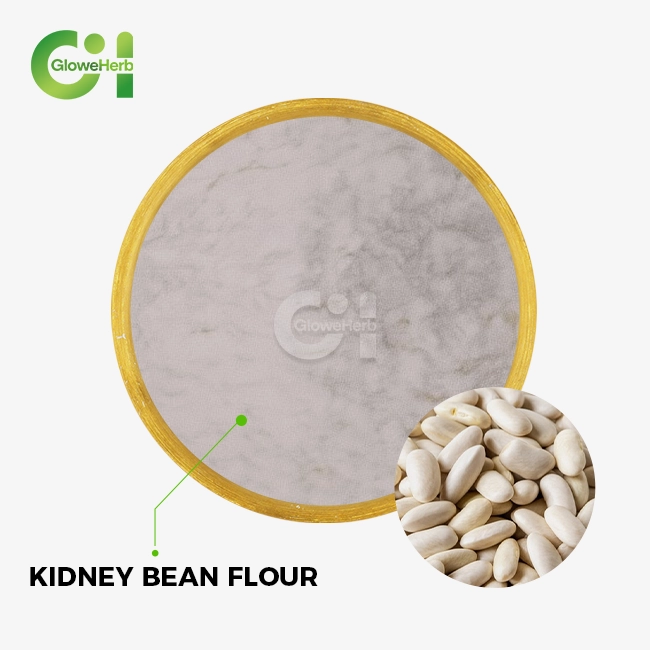
Transparency in the supply chain has gone from being a difference to something that everyone expects. We maintain complete batch records covering raw material origin, processing parameters and full quality test results for traceability management. This paperwork is very important during quality investigations or checks by regulators because it helps quickly find and separate any strange material. Its water solubility and slight ethanol solubility indicators verify that the product retains natural nutritional properties while achieving consistent batch performance. The white to off-white color is an easy way to tell if the quality is good during the receiving check because it shows that the specifications were met under the right storage circumstances. Instead of negotiating terms in a crisis, buyers should set clear communication rules with vendors ahead of time. These rules should include quality standards, sampling methods, and ways to solve problems.


Practical Applications of Kidney Bean Flour in B2B Food Production
Kidney bean flour has real-world uses in B2B food production, and successful product execution shows what an ingredient is worth. Manufacturers can get the most out of their ingredient investments and take advantage of multiple market possibilities by understanding how it can be used in different areas.
Gluten-Free Bakery and Snack Innovation
There is a lot of room for gluten-free creativity in the bakery market, but product quality has been hindered in the past by technical issues. Because it naturally binds and builds structure, our Kidney bean flour protein powder solves common problems that come up when making new recipes. Compared to single-flour methods, bread formulations have better crumb structure and less crumbling. The protein content also improves nutrient standing beyond just gluten-free claims. For cookie and cracker making, the fine powder texture gives the right snap and structure without the sandiness that can come from rice or corn-based options. Snack bar makers like the protein because it cuts down on the need for expensive protein isolates. The fiber content backs up claims of fullness, which is becoming more and more important in portion-controlled snacks. Its mild natural bean flavor pairs well with chocolate, vanilla and various savory spices. This means that the taste can be used in both sweet and savory dishes.
Nutritional Supplements and Functional Beverages
Supplement companies are always under pressure to make their goods stand out in areas that are already very crowded. Brands can target vegan, vegetarian, and flexitarian customers who are looking for options to whey or casein proteins by using plant-based protein from kidney beans. The 65% protein requirement lets manufacturers make concentrated formulas that give good amounts of protein in acceptable serving sizes. This is important for shakes or capsules that are meant to be taken one at a time. The protein and fiber in meal replacement beverages provide lasting satiety and balance macronutrient ratios, conforming to scientific nutritional intake standards. The ability to dissolve in water is very important for ready-to-drink and quick mix products because it allows the ingredients to mix evenly without a lot of stirring or special tools. Functional beverage makers can market their drinks around gut health, controlling blood sugar, or losing weight, thanks to the healthy qualities of the ingredients.
Plant-Based Foods and Specialty Nutrition
As the number of plant-based meat options grows quickly, there is a need for functional protein ingredients that add texture, binding, and nutritional value. Kidney bean flour from us supports a variety of formulas, from burger patties to processed meat substitutes, by adding protein structure that stays strong during cooking and good amino acid profiles. Pet nutrition is a new area where hypoallergenic protein sources can help with sensitive gut systems and food allergy problems that are becoming more common in pets. Formulators who make food for babies can use the natural nutrient density and digestibility, but these sensitive uses need extra regulatory input and special quality standards. Technical help is given to each application group during formulation development to find the best hydration ratios, processing settings, and ingredients that work well together to get the desired functionality.
Why Kidney Bean Flour Is the Preferred Choice for Gluten-Free Solutions
Kidney bean flour is the best option for gluten-free recipes as market forces and customer trends work together to make this ingredient a good choice for producers who are looking to the future. Understanding these factors is important for strategic placement and setting yourself apart from competitors.
Growing Consumer Health Trends and Market Demand
Gluten-free food sales keep growing, and now include people who aren't diagnosed with celiac disease as well. According to market data, gluten-free product categories have grown at rates higher than 9% per year over the past few years, and growth is expected to continue into the next ten years. This growth is due to several factors, including more people being diagnosed with celiac disease thanks to better medical screening, more people being aware of their gluten sensitivity that isn't celiac, and the general belief among consumers that gluten-free options help them eat healthy. Protein enrichment is another strong trend, as people actively look for goods that provide useful nutrition rather than just staying away from ingredients they don't want. When you combine the placement of gluten-free and high-protein, you can make premium products that can get good prices and meet real customer needs.
Environmental Sustainability and Ethical Sourcing
Sustainability factors are becoming more important in both individual and business-to-business purchases. Growing kidney beans needs a lot less water than growing almonds or other nuts. This is an important thing to keep in mind because water shortages affect farming areas around the world. The carbon footprint of producing legumes is usually smaller than that of producing proteins from animals and many other plant sources. This supports environmental claims that are becoming more important to brand identity. Crop rotation with legumes, which fix nitrogen in the air, improves the health of the soil and lowers the need for synthetic fertilizer, which creates benefits for the farming system that go beyond just gathering ingredients. As part of their corporate responsibility messaging, brands can talk about these sustainability features. This can appeal to customers who care about the environment and meet retailer sustainability standards that block access to premium distribution channels.
Long-Term Cost Stability and Manufacturing Reliability
Changes in the prices of ingredients make it harder to make money and keep prices stable. Kidney beans have a more stable price than new or special products whose supply and demand can change because they are grown and processed in a way that is already well-established. Our large stock level guarantees steady supply, even when seasons change or demand spikes without warning, making it impossible for other providers to fill orders. Kidney bean flour has a longer shelf life than other flours, which is especially helpful for companies that make a lot of different products and make them at different times of the year. Manufacturing reliability also includes processing behavior. Once recipes are optimized, our Kidney bean flour protein powder's uniform specs ensure repeatable results across production runs. This means that brands don't have to spend a lot of money on reformulating products or deal with quality issues that hurt their image.
Conclusion
Kidney bean flour stands out as a strategically better gluten-free ingredient thanks to its high protein level (65%), extensive nutritional profile, and useful adaptability for a wide range of uses. Compared to other flours, it has the highest protein density, the lowest cost, and the fewest allergen worries, all while supporting clean-label recipe goals. Manufacturers gain from a variety of buying choices, a reliable supply chain, and strict regulatory compliance that makes it easier for them to sell their products in foreign markets. The ingredient meets several market trends at once, including the need for gluten-free goods, more protein, better digestive health, and sustainability. This makes products that appeal to health-conscious buyers. This powder made from legumes is a future-ready option backed by strict quality standards and technical support for brands, distributors, and product makers looking for ways to stay ahead of the competition in nutritional supplements, functional foods, and specialty dietary products.
FAQ
Is kidney bean flour genuinely gluten-free and safe for celiac consumers?
Is Kidney bean flour truly gluten-free and suitable for people who have celiac disease? Kidney bean flour doesn't have gluten because legumes don't have any gluten proteins. Our production plant follows strict rules to keep gluten-containing ingredients from getting mixed in with other ingredients. These rules are tested regularly to make sure they work. The many standards, such as ISO9001 and GMP compliance, make sure that the production processes are safe for sensitive groups, like people who have been diagnosed with celiac disease.
What protein concentration can manufacturers expect in commercial formulations?
The Kjeldahl method confirms that our Kidney bean flour protein powder has a 65% protein level, so the specs are the same from batch to batch. This concentration lets formulators make claims about high protein levels with acceptable inclusion rates, which are usually between 10 and 30 percent, based on the application needs and the nutrition profile they want to achieve.
How does procurement work for international buyers across different regions?
We offer a range of shipping terms, such as FOB, CIF, CFR, EXW, DAP, and DDP, to meet the needs of customers around the world. Express, air freight, and sea freight are all shipping choices that can be chosen based on urgency and quantity. Our minimum order amount of 1 kg makes it easy to do initial samples, while 25 kg drum packing works best for large orders, and we keep enough stock on hand to make sure deliveries happen on time.
Partner with a Trusted Kidney Bean Flour Supplier
Select a Kidney bean flour supplier you can trust. With premium Kidney bean flour that is backed by stringent quality standards and extensive certifications, BioSpark (Xi'an) Biotechnology is ready to support your product development goals. Our 65% protein standard, which has been checked by HPLC testing and Kjeldahl method analysis, gives your products the nutritional performance they need. We know how hard it is for supplement brands, nutraceutical companies, and ingredient sellers to meet tight deadlines, make sure quality standards are met, and get quick technical help. Our OEM and ODM services give you a lot of options, whether you need small batches of customized products to test the market or a lot of products to meet the needs of foreign marketing. With ISO9001, Kosher, Halal, FDA, and GMP standards, we make sure that we follow the rules in a wide range of areas. Email our team at leao@biosparkcn.com to get samples, talk about your unique recipe needs, or find out how our Kidney bean flour can help your business. Here are some reasons why top brands choose BioSpark as their first choice for new plant-based chemicals.

References
1. Anderson, J.W., & Major, A.W. (2020). Legume proteins and peptides: nutritional value and applications in food formulation. Journal of Food Science and Technology, 57(4), 1245-1258.
2. Ramírez-Jiménez, A.K., Gaytán-Martínez, M., & Morales-Sánchez, E. (2021). Functional properties of pulse flours and their application in gluten-free product development. Comprehensive Reviews in Food Science and Food Safety, 20(5), 4528-4551.
3. Tosh, S.M., & Yada, S. (2019). Dietary fibres from pulse seeds and fractions: characterization, functional attributes, and applications. Food Research International, 123, 765-781.
4. Boye, J., Zare, F., & Pletch, A. (2020). Pulse proteins: processing, characterization, functional properties and applications in food and feed. Food Research International, 43(2), 414-431.
5. Marinangeli, C.P.F., & Jones, P.J.H. (2021). Gastrointestinal effects and energy value of pulses and pulse fractions with emphasis on beans and lentils. Applied Physiology, Nutrition, and Metabolism, 46(1), 1-15.
6. Singh, B., Singh, J.P., Kaur, A., & Singh, N. (2022). Bioactive compounds in kidney beans: health benefits and functional food development. Critical Reviews in Food Science and Nutrition, 62(8), 2156-2173.

Send Inquiry
Related Industry Knowledge
- Need Fine Mesh Cowpea Powder for Smooth Food Processing?
- Want a reliable Maqui Berry Powder Manufacturer for Bulk Orders?
- Is loquat powder safe for daily consumption?
- Is Cistanche Extract Powder Worth Trying in 2026?
- Can Natural Artichoke Extract Improve Bile Production?
- How Effective Is Saffron Extract Powder 10:1 for Stress Relief?
- Can Pomegranate Seed Extract Powder Improve Skin Health?
- Is Rhizoma Chuanxiong Extract Good for Circulation?
- How Kacip Fatimah Extract Supports Hormonal Balance Naturally?
- Top Uses of Oyster Shell Extract Powder in Nutraceuticals