_1764041963888.webp)
Purple cabbage powder Shelf Life, Storage, and Packaging Guide
Aug 01, 2026
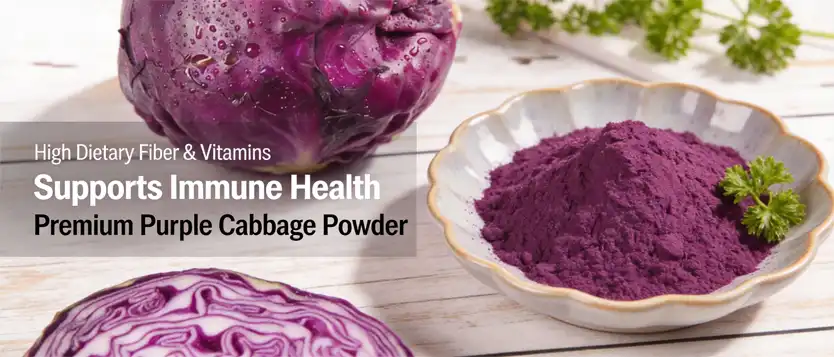
Managing botanical ingredient inventory requires a deep understanding of stability factors, environmental controls, and protective measures that preserve bioactive compounds. Purple cabbage powder, rich in anthocyanins and other phytonutrients, presents unique challenges for procurement professionals seeking to maintain product integrity from production through global distribution. This comprehensive guide addresses critical considerations around longevity, optimal conditions, and packaging strategies that health supplement brands, importers, and OEM/ODM partners need when sourcing this vibrant botanical extract. Our 10:1 concentration ratio extract, produced through advanced plant extraction methods and verified by Thin-Layer Chromatography (TLC), offers a potent ingredient solution. The dark purple to purplish-black fine powder with its characteristic fresh vegetable aroma demands careful attention to preservation protocols. Understanding these elements helps procurement teams reduce waste, maintain regulatory compliance, and deliver consistent product quality across international markets.
Understanding Purple Cabbage Powder Shelf Life
Longevity has a direct effect on your sales and the image of your goods. How long this anthocyanin-rich extract stays effective and attractive depends on a number of linked factors.
Key Determinants of Stability
Moisture content is the main thing to think about when it comes to powder steadiness. When the water activity is above 0.6, microbes grow faster and start breaking down the food in ways that lower its nutritional value and colour intensity. Our manufacturing process lowers the moisture level to below 5%, which makes it impossible for bacteria to grow while keeping the solubility properties. This exact balance makes sure that the powder dissolves easily in water and doesn't stick together when it's stored. The processing method has a big effect on how long something is expected to last. The heat-sensitive anthocyanins in our products are better preserved by spray-drying methods than by drum drying or freeze-drying methods. Temperature changes during the extraction and drying steps can make these colours less stable. That's why our plant extraction method keeps the temperature under control during the whole process.
Expected Duration Under Optimal Conditions
Anthocyanin-rich plant powders usually stay effective for 24 to 36 months after they are made, as long as they are stored according to the instructions. Organic approvals don't always change how long something stays stable, but the way it's processed may affect how it can be preserved. Our ISO9001, Kosher, Halal, FDA, and GMP certifications make sure that our processing standards are always the same, which helps our products last longer. How tests are done is very important. Thin-Layer Chromatography makes it possible to precisely track how anthocyanins break down over time, giving objective data that can't be judged by appearance alone. When looking at what a supplier has to offer, we suggest asking for recent TLC test results, especially for shipments that are getting close to their midpoint shelf life.
Indicators of Product Degradation
Purchasing professionals can make better decisions about how to rotate their inventory when they know how to spot signs of wear and tear. The most obvious sign is a change in colour: a colour shift where bright purple colours fade to dark ones shows that the anthocyanin is breaking down. Often, this change in appearance comes before a loss in antioxidant capacity that can be measured. Aroma alterations are another warning sign. Fresh veggie notes should still be able to be distinguished. Smells that are musty or stale are a sign of moisture entry or oxidation. Changes in texture, especially clumps or caking, show that hygroscopic moisture is being absorbed, which is bad for both quality and usefulness. Quantitative solubility testing shows that purple cabbage powder that doesn't break as easily as new batches may have gone through molecular changes that make it less bioavailable.
By understanding these degradation marks, buying plans and the facts of the supply chain can be more closely aligned. Procurement teams can find the best purchase quantities by weighing the benefits of buying in bulk against the risk of keeping inventory past its best-before date.
Best Practices for Storing Purple Cabbage Powder
Environmental control systems tell you if your investment will keep its value or start to lose value too soon. To make things stable, storage systems have to deal with many factors at once.
Ideal Environmental Parameters
Temperature control is necessary to ensure the safety of anthocyanins. The temperature in a storage area should stay between 15°C and 25°C (59°F and 77°F). Oxidation processes that break down bioactive chemicals happen faster at higher temperatures. Many wholesalers get the best results from keeping their stores at 20°C (68°F) all the time. Managing humidity needs the same amount of care. When the relative humidity is below 60%, wetness can't be absorbed, which stops clumping and increases the risk of microbes. Putting desiccant packets inside storage cases gives them extra protection, especially in humid places or places that don't have precise environmental controls. Our 25 kg drum package has moisture barriers, but extra security comes from secondary containment in controlled settings.
Photographic degradation of anthocyanins happens in light, which is why our containers are made to be opaque. Storage places should limit UV exposure as much as possible. Warehouses without windows or rooms with UV-blocking films are the best ways to protect things. Even a short time in direct sunlight while the product is being handled can start a chain of degradation that makes the product less useful over time.
Integration with Standard Warehousing Systems
International shipping centers usually have two main types of storage: ambient dry storage in the open air and temperature-controlled environments. As long as the temperature and humidity levels are kept at the levels listed above, ambient dry storage is fine for this botanical extract. While cold chain storage can be helpful for some plant extracts, it's not required and may even pose risks of moisture condensation when containers move from one temperature zone to another. For execution to go well, the procurement, logistics, and warehouse management teams need to work together. One North American seller cut down on degradation losses by 40% by setting aside temperature-controlled environments just for plant powders. They set up systems for continuous monitoring that send automatic alerts when parameters move out of acceptable ranges. This proactive approach found HVAC problems before they damaged inventory, showing how integrating technology helps keep quality high.
Container Selection and Humidity Control Technologies
The original protection provided by our 25 kg drums is primary packaging, but many bulk buyers move the goods to smaller containers for internal distribution. Food-grade HDPE containers with lids that seal tightly are great for keeping moisture out of split amounts. Some processes use vacuum-sealed bags inside secondary containers to keep air out, which speeds up the breakdown of anthocyanin. Putting humidity monitors in storage areas lets you keep track of things in real time. Hygrometers that are easy on the wallet can do simple tasks, but networked sensors can log data and be monitored from afar. Choice of desiccant is also important—silica gel packets can be used again and again, and colour changes show that they are saturated, showing that the protection is still working.
Packaging Solutions for Purple Cabbage Powder: Ensuring Quality and Compliance
Bioactive chemicals get to end users unchanged if there are barriers between the product and the surroundings. When packing plant extracts, choices are made based on the material used, its barrier qualities, and environmental concerns.
Material Evaluation and Barrier Properties
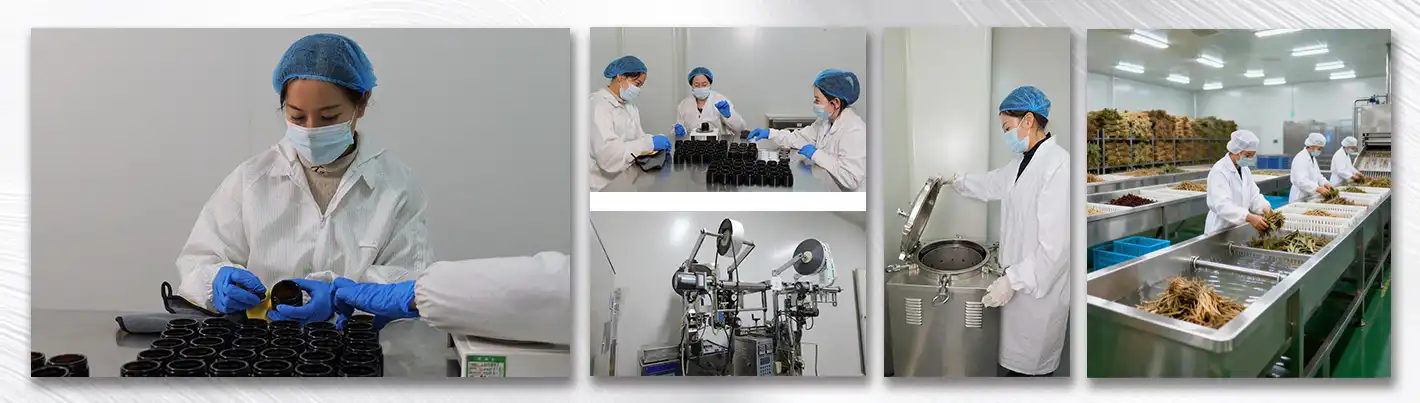
Three main things affect the choice of packing material: oxygen transmission, moisture vapor transmission, and light penetration. Multilayer laminating designs that use layers of aluminium foil and polyethylene provide better barrier qualities in all three dimensions. Our standard 25 kg drum configuration uses polyethylene inner liners inside fibre drums to protect the goods while keeping costs low for large amounts. The function of the oxygen transmission layer is directly related to the stability of anthocyanin. Oxidative decay can't happen in materials that let less than 1 cc of oxygen per 100 square inches per 24 hours at 73°F and 0% RH. Metallised films are great barriers that are cheaper than full aluminium foil structures, but they don't give as much security.
At 100°F and 90% RH, moisture vapor transmission rates below 0.5 g/100 sq in/24hr stop hygroscopic powder from absorbing water from the air. This specification is especially important for shipments going through humid areas or going through seasonal changes in temperature during ocean freight.
Certification Considerations for Organic Products
Organic approval covers more than just growing and preparing food; it also covers packaging materials. Some packaging additives aren't allowed by certifying bodies, and they need proof that these materials don't get on approved organic products. Our Kosher and Halal certifications both require that the packaging is compliant with religious dietary standards and is made of materials that don't break those standards. This makes it possible to stand out in places that are already full. B2B buyers are more likely to trust compliance ethics when certification symbols are displayed clearly on packaging. Not only should documentation packages include product certificates, but they should also include specs for the packaging materials that show they meet the certification requirements. This is an important detail that more and more advanced procurement teams are asking for.
Emerging Sustainability Trends
Environmental responsibility is becoming more and more important in buying decisions, even in business-to-business situations where cost-sensitivity used to be the main factor. New types of biodegradable packages now have barrier qualities that are similar to those of regular materials. New options include PLA films and mushroom-based packaging materials, but most of them don't yet have the moisture and oxygen barriers needed to keep purple cabbage powder fresh for a long time. Recyclable packaging opens up more instant possibilities. Packaging made of monomaterial structures instead of layers of different kinds of polymer makes recycling easier while still providing good barrier qualities for shorter storage times. Some forward-thinking brands choose recyclable packaging even if it slightly raises the cost per unit because they know that being environmentally friendly helps them stand out in the market. Smart packaging technologies include sensors that keep an eye on things while they're being shipped. Time-temperature indicators show if the goods' temperatures changed, and moisture indicators show if the barrier's structure stayed the same. These technologies make it easier for everyone in the supply chain to see who is responsible for quality assurance. This gives buyers more confidence when they are worried about consistency across multiple shipment batches.
Quality Control and Procurement Considerations for Purple Cabbage Powder
Choosing where to get materials has an effect on everything that comes after, from making the product to getting it approved by the government. Setting clear quality standards and evaluation systems for suppliers protects the image of your brand and improves the economics of the supply chain.
Essential Quality Metrics and Testing Parameters
Anthocyanin content represents the primary bioactive measure for purple cabbage powder. Our 10:1 standard means that 10 kg of raw purple cabbage can make 1 kg of finished powder, which means that the beneficial chemicals are concentrated a lot. This concentration ratio is confirmed by TLC tests, which give chromatographic marks that prove identity and effectiveness. Antioxidant capacity measurements give customers a way to measure the practical effects they want. ORAC (Oxygen Radical Absorbance Capacity) testing gives a standard evaluation, which lets you compare products from different sources and production runs. Values above 20,000 µmol TE/100g show strong antioxidant activity that is good for high-end supplement formulations.
Purity parameters are all important. Low amounts of lead (less than 2 ppm), arsenic (1 ppm), cadmium (1 ppm), and mercury (less than 0.1 ppm) should be confirmed by heavy metal tests. To meet microbial standards, the total plate count must be less than 10,000 cfu/g, yeast and mould must be less than 1,000 cfu/g, and pathogens like E. coli and Salmonella must not be present. Before shipping, our thorough testing methods check all factors.
Interpreting Certificates of Analysis
Certificate of Analysis (COA) documents confirm the quality of a specific batch, but they are hard to understand without knowing more about the testing method. Pay attention to the times of the tests—a Certificate of Analysis (COA) generated months before the shipment may not show how the product is doing right now. Ask for testing that was done recently, preferably within 30 days of the package leaving. Accreditation of testing laboratories gives people more trust. ISO/IEC 17025-accredited labs follow standard procedures that make sure the results are accurate and can be used anywhere in the world. Third-party testing gives you more confidence than data from the provider, but it costs more and takes longer.
Specification sheets go along with COAs because they list expected parameters and acceptable ranges. It's easy to see if batches meet quality standards by quickly comparing COA data to specification limits. Smart procurement teams keep databases that keep track of COA results across multiple batches and suppliers. They look for patterns of consistency that show which partners consistently deliver high quality.
Supplier Evaluation Framework
Geographic sourcing comes with some deliberate trade-offs. Our production in China saves us money while still meeting foreign approval standards. The concentration of manufacturing in China's plant extract industry has led to the development of complex supply lines, high-tech extraction tools, and a lot of technical know-how. Quality and low prices are both supported by this environment. A wide range of certification portfolios shows that you are committed to quality systems. Our ISO9001, Kosher, Halal, FDA registration, and GMP certifications show that we follow a wide range of rules in different markets around the world. Suppliers with this level of certification usually have stronger quality management systems than those with lower levels of certification.
Offering service capabilities besides just selling products adds a lot of value. We offer OEM/ODM services for private labelling, custom formulation development, and a range of production amounts, from a minimum order of 1 kg to bulk shipping. Strategic supply partners are different from transactional vendors because they offer technical support during product development, help with regulatory paperwork, and provide quick communication. Planning production and managing inventory are both affected by delivery reliability. We have enough stock and offer a variety of shipping methods, including fast, air freight, and sea freight, so we can work with your schedule. Our full range of delivery terms, from FOB to DDP, can be used with several different Incoterms, which makes foreign logistics planning easier.
Maintaining Purple Cabbage Powder Quality Through the Supply Chain
Conditions along the whole distribution chain, not just at the source and the destination, affect how well a product works. During the sensitive transit time, degradation can be avoided by proactive management across the supply chain.
Transportation and Handling Protocols
Shipping method selection strikes a balance between speed, cost, and exposure to the environment. Express shipping cuts down on the time items spend in transit, which means they are exposed to fewer changes in temperature and humidity over time. Freight that is sent by air moves faster than shipping by sea, and it can carry more than traditional transportation services. Sea freight is a cheap way to move large amounts of goods, but the longer the transit time, the more risks there are. The choice of container within a shipping mode is very important. Standard shipping containers don't have climate control, so goods inside are exposed to extreme temperatures when travelling through warm areas or in the winter. Refrigerated containers keep temperatures stable, but there is a chance of condensation when they are being loaded or unloaded. Insulated containers that don't need to be refrigerated offer a middle ground, protecting against high temperatures without causing moisture problems.
Handling steps during transshipment and customs clearance make areas vulnerable. "Keep Dry" and "Protect from Heat" should be clearly marked on the packaging to help people who handle it. Putting containers on pallets saves them from damage when they are hit, and stretch wrap adds another layer of protection against moisture. Accurate documentation speeds up the clearance process at customs, which cuts down on the time goods spend in temporary storage facilities with unknown environmental limits.
Pre-Shipment and Receiving Inspections
Packaging integrity verification before it leaves helps find damage that could affect the product while it's in transit. Visual inspection checks the integrity of the seal, looks for damage to the container, and makes sure that the labelling is correct. This easy step keeps damaged goods from being shipped, which can lead to arguments and delays. Receiving inspections after delivery completes the verification loop. Take pictures of the package's state upon arrival and make a note of any purple cabbage powder damage to the packaging before taking the shipment. Putting temperature data loggers inside packages makes objective records of the conditions during transport, which is useful evidence if quality issues come up later. Opening packages as soon as you get them lets you evaluate their look, smell, and texture, catching any damage that happened during shipping.
Sample retention from each batch that is received helps with tracking and gives you something to use as a reference if any problems come up during the next steps of processing. Keep samples in the best settings for storage so that they can be compared correctly if later runs show differences.
Inventory Management Systems for Optimal Turnover
FIFO (first-in, first-out) rotation makes sure that the oldest stock goes into production before it goes bad. To follow this basic rule, the warehouse must be well-organised, and all containers must have clear date codes on them. Many processes use colour-coded labelling systems to show when items were received, which makes it easy to see which items are in the rotation order. Batch tracking systems connect inventory to specific production lots, which makes it possible to find exactly what happened when quality changes. When making finished goods, keeping track of which batches of ingredients went into each lot of the finished goods lets you respond more specifically if customers say there are problems. These fine-grained tracking methods meet legal standards and help improve quality all the time.
Consumption forecasting matches the amount of goods bought with the amount actually used, which keeps too much inventory from building up. Complex operations take into account changes in seasonal demand, production schedules, and wait times to get the best order amounts and timing. This method, which is based on data, weighs the benefits of buying in bulk against the costs of keeping and the chance that the goods will get worse over time.
Common Pitfalls and Risk Mitigation Strategies
During the summer, temperature excursions catch many operations off guard. When goods are brought to receiving docks, they may sit in direct sunlight or places without temperature control while they are inspected and documented. This easy-to-miss risk can be avoided by putting sensitive ingredients in climate-controlled receiving areas. Moisture infiltration when you open a package in a humid climate can get inside and cause problems, even if the primary packaging stays intact. Controlled-environment rooms are used to move large ingredients into smaller packages while minimising exposure to the air. Using dehumidifiers when moving things around in wet places gives you extra safety.
Complacency with established suppliers creates blind spots. Regular audits and testing by a third party make sure that the quality stays the same. The way the market works changes as factories get new tools, the places where they get their raw materials move, and employees leave, all of which affect the quality culture. Ongoing verification makes sure that your relationships with suppliers keep adding value and don't just rest on their laurels.
Conclusion
Keeping the quality of botanical extracts high requires careful planning during the buying, storing, and shipping processes. Controlling temperature and humidity, choosing the right packing, and keeping track of supplies all play a role in determining whether products work as intended when they get to formulation labs. From moisture parameters and barrier requirements to testing protocols and supplier evaluation criteria, the specifications in this guide give you the information you need to make smart decisions. Our anthocyanin-rich extract, which is made under strict approval standards and can be delivered in a variety of ways, gives health supplement and nutraceutical businesses a solid base for developing new purple cabbage powder products. When procurement professionals use these storage strategies, quality testing methods, and best practices for the supply chain, their companies can be sure that their products will perform the same way in all global markets. BioSpark (Xi'an) Biotechnology Co., Ltd keeps enough stock and has all the necessary licenses to meet your quality assurance needs for both small-batch testing and large-scale production.
FAQ
1. What is the typical shelf life after opening purple cabbage powder containers?
When moved to airtight secondary packaging and kept under controlled conditions, opened packages of purple cabbage powder keep their best quality for about 90 days. Once the original factory seals break, oxygen and humidity in the air speed up the breakdown process. Using vacuum-sealed bags or containers with dessicant packets makes it last longer, up to 120 days, but we suggest eating it within that shorter time range to get the most out of the anthocyanins.
2. Can botanical extract powders withstand room temperature during short-term transit?
When packaging stays intact, short exposure to room temperature during domestic shipping usually doesn't hurt quality. For shipments that will take more than 72 hours to arrive in uncontrolled settings or transit areas with temperatures above 30°C (86°F), faster ways or climate-controlled choices are needed. When delivered on time, our barrier packaging keeps moisture out during normal delivery times, but longer exposure raises the risk.
3. Which certifications should packaging display for organic compliance?
In order to be certified organic, the materials used for wrapping must meet certain standards that ban manmade additives that could get into the food. Look for proof that the package meets the requirements of the USDA NOP, the EU's organic rules, or the requirements of the appropriate certification body. In addition to organic standards, our Kosher and Halal certifications put extra limits on the materials used for packaging that more and more discerning buyers want.
Partner with BioSpark for Premium Purple Cabbage Powder Supply
With our certified botanical extract, BioSpark (Xi'an) Biotechnology Co., Ltd is ready to help you develop new products and meet your production needs. As a well-known company that has been making purple cabbage powder for a long time and has ISO9001, GMP, FDA registration, Kosher, and Halal certifications, we can consistently provide quality that meets foreign standards. Our OEM/ODM services cover the whole process, from custom concentration ratios to private label packaging. We can handle projects with a minimum order size of 1 kg all the way up to large-scale production. Each 25 kg drum ships with full paperwork, such as a recent COA and specification sheets. We also keep enough stock on hand to allow for quick fulfilment using the shipping terms of your choice, such as FOB, CIF, CFR, EXW, DAP, or DDP. Contact our technical team at leao@biosparkcn.com to talk about your unique needs, ask for samples, or find out how our anthocyanin-rich extract can help your product line with traceable, approved ingredients and quick support all along the supply chain.
References
1. Wrolstad, R.E., Culver, C.A. (2012). "Alternatives to Those Artificial FD&C Food Colorants." Annual Review of Food Science and Technology, 3:59-77.
2. Fang, Z. (2015). "Encapsulation of Polyphenols: A Review." Trends in Food Science & Technology, 42(1):40-52.
3. Cortez, R., Luna-Vital, D.A., Margulis, D., González de Mejía, E. (2017). "Natural Pigments: Stabilization Methods of Anthocyanins for Food Applications." Comprehensive Reviews in Food Science and Food Safety, 16(1):180-198.
4. Robertson, G.L. (2016). Food Packaging: Principles and Practice (3rd ed.). Boca Raton: CRC Press.
5. Labuza, T.P., Altunakar, B. (2007). "Water Activity Prediction and Moisture Sorption Isotherms." In Water Activity in Foods: Fundamentals and Applications, edited by Barbosa-Cánovas, G.V., Fontana, A.J., Schmidt, S.J., Labuza, T.P., 109-154. Oxford: Blackwell Publishing.
6. Khoo, H.E., Azlan, A., Tang, S.T., Lim, S.M. (2017). "Anthocyanidins and Anthocyanins: Colored Pigments as Food, Pharmaceutical Ingredients, and the Potential Health Benefits." Food & Nutrition Research, 61(1):1361779.

Send Inquiry
Related Industry Knowledge
- How to Import Longan powder from a Reliable China Factory?
- American Ginseng Extract Powder: Wild-Simulated vs Cultivated Roots
- How Does White Kidney Bean Extract Powder Block Carbs Naturally?
- Is Coconut Milk Extract Powder More Cost-Effective Than Canned?
- Is Coconut Milk Extract Powder More Cost-Effective Than Canned?
- Is Coconut Milk Extract Powder More Cost-Effective Than Canned?
- Is Coconut Milk Extract Powder More Cost-Effective Than Canned?
- Is Coconut Milk Extract Powder More Cost-Effective Than Canned?
- Is Coconut Milk Extract Powder More Cost-Effective Than Canned?
- Is Coconut Milk Extract Powder More Cost-Effective Than Canned?
- Is Coconut Milk Extract Powder More Cost-Effective Than Canned?
- Is Coconut Milk Extract Powder More Cost-Effective Than Canned?
- Is Coconut Milk Extract Powder More Cost-Effective Than Canned?
- Can white willow bark extract powder support arthritis discomfort relief?
- Organic Ginseng Fruit Powder for Functional Food Innovation
- How Effective Is Saffron Extract Powder 10:1 for Stress Relief?
- Rosehip Extract Powder Benefits: What Does Science Say?
- Should You Try Garcinia Cambogia Extract for Fat Control?
- Red Bean Extract: A Functional Ingredient for Modern Diets