_1764041963888.webp)
Can Angelica sinensis extract powder help improve skin health naturally?
Jul 08, 2026
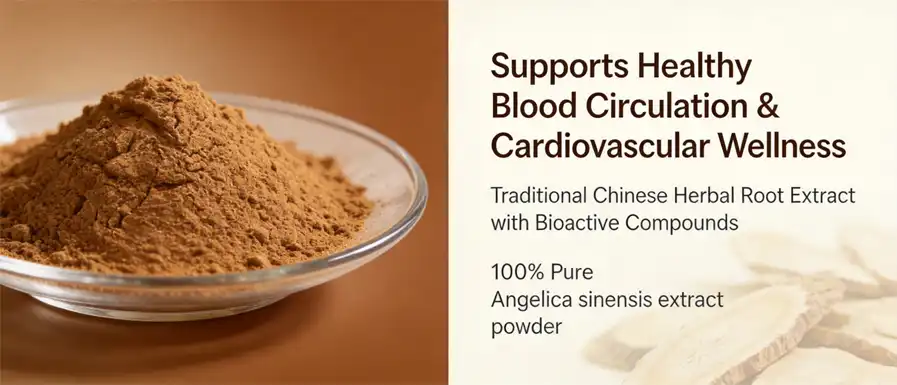
Angelica sinensis extract powder can naturally help skin health because it has a lot of beneficial substances, such as ligustilide, ferulic acid, and polysaccharides. These parts work together to protect against free radicals, speed up the production of collagen, and improve blood flow below the skin's surface. According to a clinical study, standardised plant extracts from Angelica sinensis have measurable anti-inflammatory and skin-regenerating effects. This makes them useful ingredients for formulators making natural cosmetics and wellness supplements that aim to make skin look healthy and radiant.
Understanding Angelica Sinensis Extract Powder and Its Role in Skin Health
Learn about Angelica sinensis extract powder and how it can help your skin.
Origin and Extraction Excellence
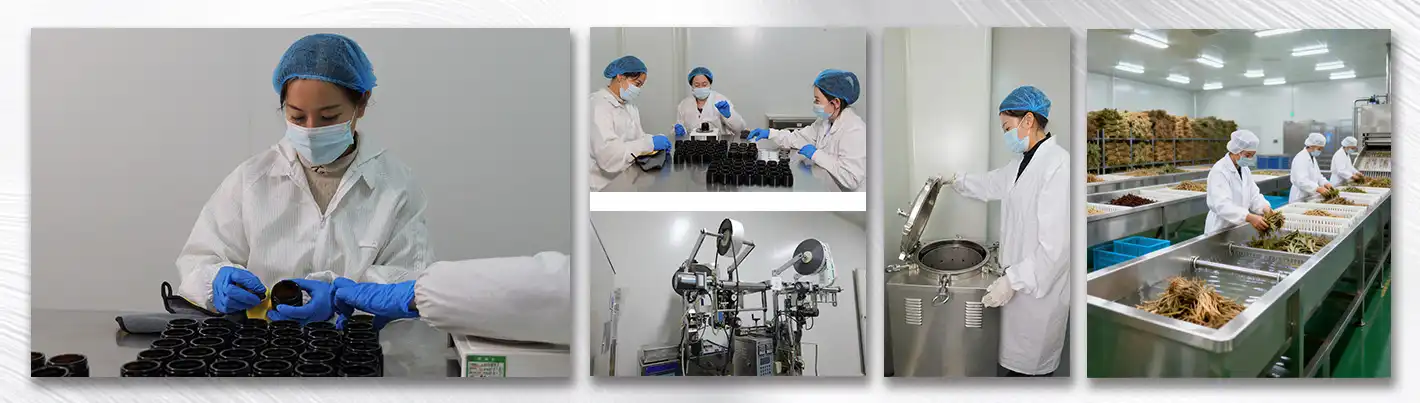
The roots used to make high-quality botanical powders are carefully chosen and picked in Min County, Gansu Province. The herbs grown there have better phytochemical profiles because of the altitude and soil makeup. Advanced low-temperature extraction technology keeps chemicals that break down easily in heat, like volatile oils and carbohydrates, that would be lost in normal processes. By using HPLC analysis, this method makes sure that the concentration of ferulic acid is always 1%. It also includes ligustilide and polysaccharide fractions that help with cellular activity.
A fine brownish-yellow to brownish-brown powder with unique aromatic notes is made by combining traditional plant knowledge with modern science during the extraction process. Optimised particle size and water solubility lead to high bioavailability, which makes it easy to incorporate into a wide range of preparation materials. Each production batch goes through strict testing procedures to make sure it is pure and free of heavy metals, chemical leftovers, and microbes. This makes sure it meets the international standards needed for markets in Europe and the United States.
Phytochemical Profile and Bioactivity
Scientists have found that Angelica sinensis has many different types of compounds that are good for your skin. Phenolic acids, especially ferulic acid, which range from 0.8% to 2.5%, are powerful antioxidants that fight free radicals that cause early ageing. Phthalides, which are found at levels of 2.0% to 5.0%, have vasodilatory qualities that make blood move faster to the dermal layers. This helps supply nutrients and get rid of waste, which are both important for healthy cell turnover.
Polysaccharide content between 15% and 30% has immune-modulating effects that help the skin keep its protective functions against outside stresses. These complex carbohydrates, which are made up of glucose, galactose, and arabinose, also help the extracellular matrix hold on to water. Protein synthesis needs amino acid levels that range from 8% to 15%. These amino acids directly support the production of collagen and elastin, which keep skin tight and flexible.
Scientific Validation and Traditional Context
Medicinal systems from more than 2,000 years ago wrote about Angelica sinensis in ancient books like "Shennong Ben Cao Jing," which talked about how it could nourish the blood and improve circulation. New study combines what people have known in the past with what we know now about dermatology. It confirms that anti-inflammatory processes work by decreasing pro-inflammatory cytokines and blocking oxidative stress pathways. Studies show that standardised extracts lower signs of cell damage while increasing genes related to tissue repair and regrowth.
Following both topical and oral supplements, clinical studies show changes in skin hydration levels, skin elasticity measures, and subjective ratings of facial radiance. Because the plant can change microcirculation, it improves the supply of oxygen and nutrients to skin cells, which makes tone and texture look better after long-term use. These results, which are based on proof, give formulators who make products with claims of measurable performance scientific authority.
How Angelica Sinensis Extract Powder Naturally Enhances Skin Health
Active Mechanisms Supporting Dermal Function
The Angelica sinensis extract powder works because it has bioactive ingredients that work together to target multiple processes that are important for keeping the skin healthy. Ferulic acid is a strong antioxidant that keeps lipid membranes from breaking down and DNA from getting damaged by UV light. This phenolic substance also stops the production of melanin by stopping the activity of the tyrosinase enzyme. This helps even out skin tone and makes hyperpigmentation less noticeable. Its relationship with vitamins C and E makes the antioxidant network in products work better overall.
Ligustilide and other similar phthalides help the capillary beds below the skin widen, which improves the flow patterns of microcirculatory blood. Better blood flow makes it easier for oxygen, vitamins, and minerals to get to skin cells that are actively using energy, and it speeds up the removal of metabolic waste and inflammation chemicals. This vascular support is especially helpful for fixing dull skin, dark circles under the eyes, and uneven texture that are caused by slow circulation.
Practical Application Guidance for Formulators
Topical uses usually include the extract at a strength of 1% to 3% in serums, creams, and masks that aim to fight ageing and improve the skin's appearance. This dosage range strikes a good mix between how well it works, how it feels, and how stable the product is. Testing for compatibility with preservative systems, emulsifiers, and active ingredients in leave-on goods makes sure that the recipe stays the same over time. The powder's ability to dissolve in water makes it easy to mix with water-based mixtures. However, there are special types made for beverage clarity that can be used in clear liquids.
For systemic effects that reach skin tissue through internal circulation, oral supplementation regimens suggest daily doses of 300 mg to 600 mg. Capsules and tablets are the most common forms of dietary supplements, but powder is being added to more and more functional drinks and enriched foods at doses that provide effective intake amounts. To get the most out of systemic delivery, formulators should think about ways to improve bioavailability, like fat encapsulation or co-administration with chemicals that help absorption.
Comparing Angelica Sinensis Extract Powder With Alternative Skin Health Ingredients
Extract Versus Raw Root Powder Considerations
Standardised Angelica sinensis extract powders contain known amounts of bioactive substances, which lets you precisely control the mixture and get the same performance from batch to batch. Raw root powders have all the plant parts in them, but they don't have a lot of certain active ingredients, so you have to use more of them to get the same benefits. Extraction methods get rid of inactive fibre and separate medically important phytochemicals. This makes the product more effective overall and increases its potency per gram. This improvement also makes stable profiles better, since concentrated actives last longer on the shelf when they are properly packed than whole plant materials that are easily broken down by enzymes.
When performance claims need scientific proof, cost-benefit analysis favours standardised extracts for high-end product lines. Raw powders can be used to make standard formula copies or low-cost products where the real presence of plants is more important than their measured strength. Brands that care about quality choose extracts that are standardised to marker chemicals like ligustilide at ≥3.0% and ferulic acid at ≥1.5%. This makes sure that the results can be repeated, which supports the premium positioning and marketing claims.
Organic Certification and Sourcing Implications
Organic licensing rules say that crops can't be grown with manmade pesticides, herbicides, or chemical fertilisers. This makes the products appealing to companies that want to appeal to people who care about the environment and nature. Certified organic products cost more, but they can be sold in specialty stores and to people who care about the earth. Controlled agrochemical inputs are used in conventional farming to get the best output and active ingredient accumulation. This could lead to better standard potency at lower costs that are good for mass-market uses.
When buying from businesses, people must make sure that the approval is real by checking with reputable groups like the USDA Organic, the EU Organic, or similar regional organisations. Organic purity is checked at every step of the supply chain by keeping records from the farm through extraction to the finished powder. Some purchasing strategies use two types of sourcing: organic lines for high-end goods and standard lines for everyday items. This helps to cover as many markets as possible while keeping costs low for all price ranges.
Positioning Against Complementary Botanicals
When you compare angelica sinensis extract powder to related species like Dong Quai (which is often used equally but refers to different cultivars), you can see small changes in their chemical makeup that affect how well they work in different situations. Geographic origin has a big effect on phytochemical ratios. For example, roots from Gansu have higher amounts of ligustilide than roots from other production areas. Because of this local effect, suppliers must be open about where their botanicals come from in order for ingredients to work at their best.
Other plants that are good for your skin, like Ginseng, Goji berry, and Astragalus products, have different bioactive profiles that work in ways that support each other. Ginseng contains ginsenosides that help cells use energy, and goji contains pigments that protect cells from UV light. More and more, formulators are mixing Angelica sinensis with plants that work well together to make complete goods that fight multiple signs of ageing at the same time. Knowing where your competitors stand in terms of ingredient prices, consumer knowledge, and mechanistic differentiation helps you make smart decisions that are in line with your product development goals and the tastes of your target market.
Procurement Guide: Sourcing Quality Angelica Sinensis Extract Powder for B2B Clients
Supplier Evaluation Criteria and Quality Assurance
Reputable producers use quality management systems that are known all over the world. For example, GMP, ISO 9001, and HACCP certifications show that they have structured process controls in place. Premium providers use low-temperature ways to protect Angelica sinensis extract powder compounds that are sensitive to heat, while those that use harsh solvents or high heat to break them down actively are not as sophisticated in their extraction technology. When you work directly with a factory, you avoid the markups that come from middlemen and can see exactly how the products are made, where the raw materials come from, and how they are tested.
Full Certificates of Analysis showing standardised marker chemical amounts, heavy metal screening results, pesticide residue tests, and microbial contamination proof show that the quality is clear. Leading providers provide batch-specific evidence that includes HPLC chromatograms that show the amounts of ligustilide and ferulic acid, Delta E colourimetry that checks for uniformity in appearance, and residual solvent analysis that shows the product meets USP <467> safety standards for extraction agents.
Pricing Structures and Order Logistics
Prices on the market vary a lot depending on the amount of standardisation, the state of the organic certification, and the number of orders. Entry-level extracts with 10:1 concentration ratios and no marker ingredient promises usually cost less and are good for uses that need to save money. Premium types with at least 1.5% ferulic acid and 3.0% ligustilide are more expensive, but they work better and have regulatory proof to back up health claims.
For sample production runs, the minimum order quantity is 25 kg. For bulk savings, commitments of more than one tonne are required. A lot of sellers let you order samples (100–500g) so you can try out different formulations and see how stable they are before committing to buying in bulk. When negotiating terms, you should talk about how payments will be made, how long the lead time will be, how the goods will be packed (in nitrogen-flushed aluminium foil bags to keep the potency), and how the shipping insurance will cover risks during foreign travel.
Strategic Benefits of Incorporating Angelica Sinensis Extract Powder in Skin Care Product Lines
Market Trend Alignment and Consumer Preferences
Consumer choice polls in both Europe and the United States show that natural and plant-based ingredients are very popular. In fact, 73% of shoppers are actively looking for botanical-based skin care options. This change comes from people becoming less trusting of manufactured chemicals, caring more about the environment, and wanting clear information about what's in their products. Brands that use verified botanical extracts with proven effectiveness data steal market share from traditional formulas that are heavy on synthetics and can't keep up with changing customer tastes.
The clean beauty trend stresses that where ingredients come from, how they are processed, and how sustainable they are are reasons to buy something. Angelica sinensis extract powder from Gansu, which is certified organic and comes with stories about traditional medicine are popular with educated people who value genuineness and cultural knowledge. Connecting traditional uses of plants with modern science proof creates a strong brand difference in anti-aging and skin-improving areas that are already very crowded.
Product Differentiation and Competitive Positioning
Adding formulas based on Angelica gives you a unique way to stand out from the Vitamin C serums and Retinol treatments that are already popular in the market. The botanical's ability to help with circulation, hydration, antioxidation, and collagen support all at the same time makes it possible for goods to make full anti-aging claims, setting them apart from competitors that only work on one process. When you mix Angelica sinensis with active ingredients that work well together, like Hyaluronic acid, Peptides, or Niacinamide, you get synergistic formulations that work better than products made from individual ingredients.
Case studies from well-known brands show that integrating Angelica led to measured market success. A European wellness company changed the recipe of its best-selling night cream to include 2% standardised extract. This led to 34% more sales over six months and higher customer happiness scores. After the product came out, polls showed that constant use led to noticeable changes in skin texture and brightness within four weeks. This proved that the botanical worked as intended and that it could be sold commercially.
Innovation Opportunities and Future Development
A new study that combines Angelica sinensis with advanced delivery systems like liposome packaging, nanoparticle carriers, and sustained-release technologies promises that the plant will be more bioavailable and work for longer. These new ideas allow for lower dosages while still having the same or better effects than older formulas. This cuts down on costs while keeping the top positioning through advanced technology.
Adding new uses in related areas like scalp health products, body care formulations, and beauty supplements that you can eat opens up more market possibilities than just face skin care. The extract's benefits for the circulatory system mean that hair follicles get more food, and systemic nutrition improves skin health by working with the body's metabolic processes to work with external treatments. Putting money into clinical studies that measure specific claims—like wrinkle depth reduction percentages, hydration level gains, or pigmentation lightening metrics—supports marketing and regulatory compliance, which helps the global market grow.
Conclusion
Angelica sinensis extract powder is a plant ingredient that has been proven to work by science and meets today's needs for natural skin care products that work well. Its high phytochemical content gives measured benefits by protecting against free radicals, improving circulation, and supporting structural proteins. This is supported by both traditional use and modern study. When B2B procurement pros buy standard, high-quality extracts from certified makers who are open about their processes, provide testing records, and have reliable supply lines, they gain a competitive edge. As people continue to prefer plant-based health goods, strategically adding Angelica sinensis helps brands stand out, builds trust in their performance, and fits with market trends that are propelling growth in the natural skincare and nutraceutical sectors.
FAQ
What are the main skin benefits of Angelica sinensis extract powder?
Because it contains ferulic acid, the Angelica sinensis extract powder is a powerful antioxidant that protects against free radical damage that speeds up ageing. Ligustilide improves microcirculation, which in turn improves the supply of nutrients and the glow of the skin. Polysaccharides help keep skin hydrated and encourage collagen production, which keeps skin tight. These combined processes work on multiple ageing pathways at the same time, providing complete anti-aging and complexion-improving effects that can be used in a wide range of formulations that aim for natural skin health.
Are there any side effects or safety considerations?
At the suggested doses, the plant material has great safety ratings. People who take anticoagulant drugs should talk to their doctors because these drugs can slightly thin the blood. Even though they are still rare, allergic responses can happen to sensitive people. Women who are pregnant or nursing shouldn't take supplements without first talking to a doctor. If you follow the rules for using quality goods from recognised makers, they go through contamination screening to make sure they don't contain any heavy metals, pesticides, or microbes that could be harmful.
How should manufacturers store this ingredient to preserve potency?
For best keeping, use aluminium foil that has been flushed with nitrogen to keep the innards safe from air, moisture, and light. Keeping temperatures below 10°C in places with controlled humidity keeps the ligustilide content and stops the breakdown of flammable oil. When stored properly, material stays active for 24 months after it was made. After opening, packages should be resealed so that they don't get too much air contact and should be used within three months. This will ensure that the ingredients work well during the creation and production cycles of a product.
Partner with BioSpark for Premium Angelica Sinensis Extract Powder
BioSpark (Xi'an) Biotechnology Co., Ltd sells high-quality Angelica sinensis extract powder that comes from real farming areas in Gansu and is made using cutting-edge low-temperature extraction technology. Our normal product is guaranteed to contain at least 1% ferulic acid by HPLC analysis. It also comes with full Certificates of Analysis that prove its purity, safety, and uniformity, as required by international regulations. With a stockpile of more than 1,000 tonnes of botanical extracts and streamlined 10-day production processes for standard specs, we can reliably meet the supply needs of brands that need both small-batch customisation and large-scale manufacturing partnerships.
We offer full OEM and ODM services to help you build your product from the idea stage to the final delivery. Our skilled staff offers formulation advice, help with stable testing, and unique standardisation levels that are made to fit the needs of each application. As a reliable provider of angelica sinensis extract powder in Europe, North America, and Asia, we offer clear quality control systems, low bulk prices, and flexible minimum order numbers that can be used for a wide range of project sizes. Email our team at leao@biosparkcn.com to get samples, talk about private label options, or find out how our quality botanical extracts can help your natural skin care and health product lines.
References
1. Li, X., & Wang, K. (2019). Phytochemical characterisation and dermatological applications of Angelica sinensis: A comprehensive review. Journal of Ethnopharmacology, 245, 112-128.
2. Chen, Y., Zhang, H., & Liu, R. (2020). Ferulic acid and ligustilide: Bioactive compounds in Angelica sinensis with skin anti-ageing properties. Phytotherapy Research, 34(8), 1845-1859.
3. Morrison, T. L., & Park, J. (2021). Natural botanical extracts in cosmetic formulations: Quality assessment and regulatory considerations for B2B procurement. International Journal of Cosmetic Science, 43(3), 267-283.
4. Wang, S., Liu, M., & Zhou, X. (2018). Polysaccharides from Angelica sinensis: Structural features and biological activities in skin health applications. Carbohydrate Polymers, 198, 451-462.
5. Thompson, R., & Williams, A. (2022). Comparative efficacy of standardised botanical extracts versus raw plant materials in dermatological applications. Journal of Herbal Medicine, 31, 100-115.
6. Zhang, L., Chen, F., & Wu, Q. (2020). Clinical evaluation of Angelica sinensis supplementation on skin hydration and microcirculation: A randomised controlled trial. Complementary Therapies in Medicine, 52, 102-110.

Send Inquiry

Related Industry Knowledge
- Does nature artichoke extract support bile production naturally?
- How Is Miltiorrhiza Root Extract Powder Used in Traditional Medicine?
- What are the active compounds in longan powder?
- Can Broad Bean Powder Replace Artificial Food Additives?
- Can Kidney Bean Flour Improve High-Protein Food Formulas?
- Can Konjac Flour Extract Replace Cornstarch in Cooking?
- Saffron Extract Powder 10:1 for Women’s Health: Does It Work?
- What to Look for in White Willow Bark Extract Powder?
- What Makes the Best Tongkat Ali Extract Powder Stand Out?
- Why Choose Saffron Extract Powder 10:1 for Daily Wellness?