Sophora Japonica Flower Extract for Sensitive Skin: What to Know
Nov 04, 2026
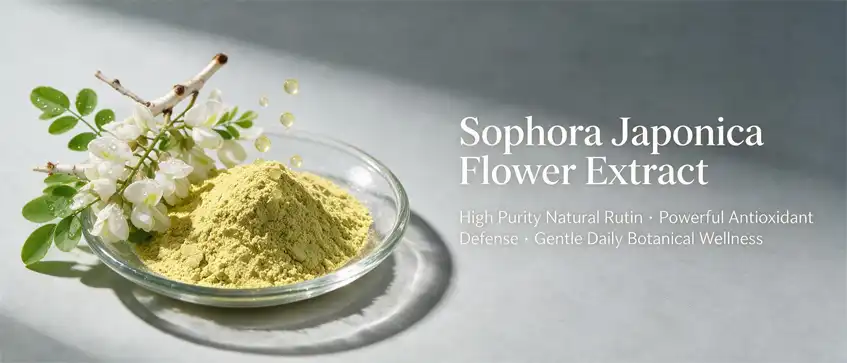
If you’re working in the field of cosmetics formulation or ingredient procurement, you probably know the name sophora japonica flower extract as a botanical active to keep an eye on. This extract is standardized from dried buds and blossoms of the Styphnolobium japonicum tree to include high levels of rutin (quercetin-3-rutinoside), a bioflavonoid known for its antioxidant and anti-inflammatory action. If you’re a business creating sensitive skin goods, this ingredient provides you with a traceable natural option, complete with true scientific evidence.
Understanding Sophora Japonica Flower Extract and Its Benefits for Sensitive Skin
What Makes This Extract Stand Out
The extract of Sophora japonica flower is a rich source of flavonoids, mainly rutin and quercetin. Peer-reviewed research has shown that rutin reduces capillary permeability and inhibits hyaluronidase activity, both of which are directly associated with skin redness and barrier breakdown. For sensitive skin, it translates to less flare-ups, more resistance to everyday environmental attack.
Antioxidant Activity in Topical Applications
The extract has a good free radical scavenging activity. Research has shown that rutin may scavenge the reactive oxygen species generated by UV radiation and air pollution. Most sensitive skin types have a poorer oxidative defense, and adding this botanical active to formulas offers the product a meaningful, ingredient-backed performance boost.
Why B2B Clients Are Adopting It
Sophora japonica flower extract is a favorite with brands and OEM partners because it bridges the gap between clinical performance and natural positioning. Demand for plant-based actives in sensitive skin care has been on a steady growth path. The Global Botanical Ingredients Market research states that plant extracts in skincare are anticipated to hit USD 6.8 billion by 2028, with anti-redness actives being the fastest-expanding category.
How Sophora Japonica Flower Extract Works to Address Sensitive Skin Issues
Anti-Inflammatory Mechanism
Two key inflammatory molecules are histamine and prostaglandins. Rutin from Sophora japonica flower extract blocks the formation of these compounds. Best for sensitive skin that tends to redden and swell fast. The criteria for putting a product on the skin suggest that the inclusion rate should be between 0.5% and 2.0% so that the anti-inflammatory benefits may be visible without making the product less stable.
UV and Pollution Protection
Weak skin may be significantly damaged by particulate matter and photodamage. Sophora japonica flower extract absorbs UVA and UVB rays and helps to protect the skin cells from damage caused by free radicals. When used with a wide-spectrum sunscreen foundation, it offers two levels of protection. This improves the performance of the product and gives people confidence that it is safe.
Ingredient Synergy for Better Results
The efficacy of this extract is heavily influenced by the decisions taken during its preparation. You won't lose more water when you blend sophora japonica flower extract with hyaluronic acid. In conjunction with ceramides, it aids the body in making up for lost fat. Raw rutin does not mix well with clean water. Alternatively, water-soluble rutin derivatives or complexation with cyclodextrins may be used. These combinations assist R&D teams to develop robust models that perform well from the outset.
Comparison: Sophora Japonica Flower Extract vs. Other Flavonoid Extracts in Sensitive Skin Care
Against Rutin Isolates and Quercetin
The pure rutin isolates include some flavonoids that assist blood vessels, but not as much as the extract of Sophora japonica flowers. Quercetin is an aglycone of rutin and may be better used by the body. But it’s not quite as water-soluble and may be unstable in emulsions. The pH of the Sophora japonica flower extract is better balanced and is more appropriate for applications on the skin, where stability in pH-changing materials is important.
Natural vs. Synthetic Flavonoids
Hydroxyethylated rutin (troxerutin) is a synthetic flavonoid derivative and is effective in liquid medicinal dosage forms. But in the make-up zone, clients are more prone to accept authentic plant extracts. Brands that wish to market themselves as “free of” or “clean” always employ plant-based substances. It's clear and effective as required on the label, if you get it from licensed dealers. Sophora japonica flower extract
Certification and Supplier Quality
When buying, managers look at sources of flavonoids; they need to look at both the HPLC test results and the UV-VIS readings. HPLC provides a specific record of the quantity of rutin present, but UV-VIS will count all flavonoids and may provide a falsely elevated purity report. To be sure that the quality of the sophora japonica flower extract you purchase is excellent from the outset, find a source with clear, HPLC-verified standards.
Procurement Insights: Buying Sophora Japonica Flower Extract for Sensitive Skin Products
Certifications That Matter
If quality is important to you, be sure that the shop where you get your sophora japonica flower extract has GMP certification, ISO quality management credentials, and, if necessary, organic or non-GMO certification. The Pagoda tree is regarded as non-GMO since it is a traditional plant species that cannot be genetically modified. But you still need a formal certification from the provider for compliance paperwork.
Testing Standards and MOQ Flexibility
Here are the biggest things to look for in a supplier before you make a big order:
- HPLC-confirmed rutin content to assure label claims and to prevent overstated UV-VIS results.
- Heavy metal and solvent residue testing: Tests food-grade ethanol and purified water extraction for no dangerous residuals
- Allergen-Free Verification Validates Product Safety Claims for Sensitive Consumer Demographics
- Flexible MOQ structures: Supports start-up OEM brands and big-scale distributors
The service is flexible on the MOQ, so new OEM brands and huge wholesalers may both utilize it.
Safeguards and Side Effects: Using Sophora Japonica Flower Extract Safely
Known Safety Profile
The Sophora japonica flower extract has been shown to be safe to use in both cosmetics and medications. It normally does not create difficulties when applied to skin in moderate concentrations (0.5 to 2.0%). Some folks have reported mild cutaneous reactions. This is frequently among those who are already sensitive to flavonoids. Although the skin agent may originate from a natural source, it is always advisable to patch test any new skin agent.
Regulatory Compliance Across Key Markets
Cosmetics using plant-based compounds in the US must comply with FDA requirements under the Federal Food, Drug, and Cosmetic Act. EU Regulation (EC) No 1223/2009 on Cosmetics requires producers to trace and safety test chemicals. Where brands ship sophora japonica flower extract to more than one market, there should be comprehensive traceability records, batch testing data, and safety dossiers. This documentation is much simpler when working with a recognized manufacturer.
Best Practices for Risk Management
Formal quality agreements, supplier traceability records, and testing to ensure the uniformity of each batch reduce the risk of non-conforming items or supply difficulties. People want businesses that create products for sensitive skin to be safer and more transparent with their customers. Therefore, the origin of the chemicals is directly related to the value of the brand.
Conclusion
Extensive study has been carried out on the efficacy of Sophora japonica flower extract in skin care products for sensitive skin. It may be utilized in topical and functional goods as an antioxidant and anti-inflammatory. This makes it a suitable option for firms that want natural chemicals that are straightforward to trace and have sound science behind them. Both the procurement teams and the R&D formulators are best advised to purchase from a certified and HPLC-validated supplier to provide consistent product quality and regulatory trust.
FAQ
1. Is sophora japonica flower extract suitable for all sensitive skin types?
Yes. Because it lowers inflammation and shields against free radicals, it is good for skin that is sensitive, prone to rosacea, or overly stressed. This is something you should always ask your formulation team to do.
2. What is the difference between rutin and quercetin from this extract?
Because rutin is a glycoside and absorbs more easily in water, it can be used on the skin or in the bloodstream. Its aglycone form is quercetin, which is more commonly used to help the body fight inflammation. It is mostly used on the skin because of rutin.
3. Can it be used in water-based formulations?
Water and raw rutin don't mix well. If you want clear drinks, you should use rutin products or complexation methods that break down in water.
4. What are typical lead times and MOQs?
For each seller and order grade, the MOQ and wait time are different. Manufacturers with a good name give you a lot of options for both small and large orders.
5. How is extraction performed?
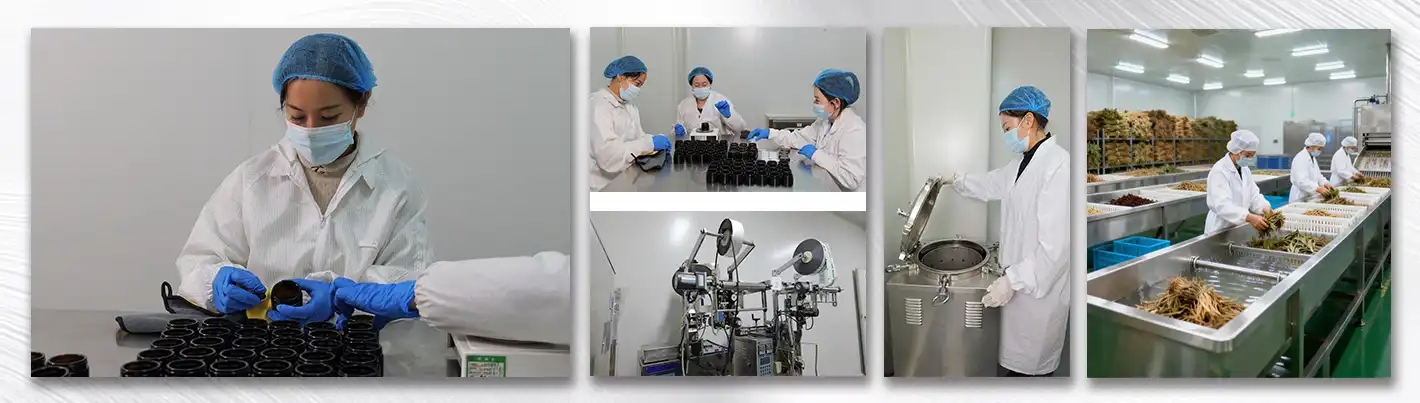
For extraction, a mix of clean water and food-grade ethanol is usually used. This makes a residue-free finished ingredient that follows all the rules.
Source Premium Sophora Japonica Flower Extract From BioSpark
BioSpark (Xi'an) Biotechnology Co., Ltd. sells GMP- and HPLC-approved sophora japonica flower extract that can be used in skin care products. We have been making sophora japonica flower extract for a long time and can fully support OEM/ODM. Our minimum order quantities are also adjustable, and you can keep track of your raw materials. Today, ask for samples or prices for bulk. We can be reached at leao@biosparkcn.com.
References
1. Harborne, J.B., & Williams, C.A. (2000). Phytochemistry, 55(6), 481–504.
2. Erlund, I. (2004). Nutr Res. Nutrition Research, 24(10), 851–874.
3. Panche, A.N., Diwan, A.D., & Chandra, S.R. (2016). Journal of Nutritional Science, 5, e47.
4. Boots, A.W., Haenen, G.R., & Bast, A. (2008). European Journal of Pharmacology, 585(2–3), 325–337.
5. Hertog, M.G.L., Hollman, P.C.H., & Katan, M.B. (1992). Journal of Agricultural and Food Chemistry, 40(12), 2379–2383.
6. Cosmetics Europe. (2019). Guidelines on the Safety Assessment of Cosmetic Ingredients. Cosmetics Europe Association.

Send Inquiry
Related Industry Knowledge
- Why Choose Liposomal Vitamin K2 for Daily Wellness?
- Can Eggshell Membrane Peptide Be Used in Cosmetics?
- Where to Buy Hami Melon Powder for Import and Wholesale
- Best Papaya Juice Powder Supplier: 8 Questions to Ask
- Egg yolk fruit powder Applications in Smoothies, Snacks, and Bakery
- Marigold Extract Powder for Eye Health: Macular Defense Naturally
- Does Garcinia Cambogia Extract Suppress Appetite Naturally?
- What Makes Red Bean Extract Ideal for Nutraceuticals?
- Fulvic Acid Powder Market Trends Driving Global Demand
- Can Broccoli Extract Powder Support Digestive Health?