_1764041963888.webp)
How to Import Longan powder from a Reliable China Factory?
Jul 30, 2026
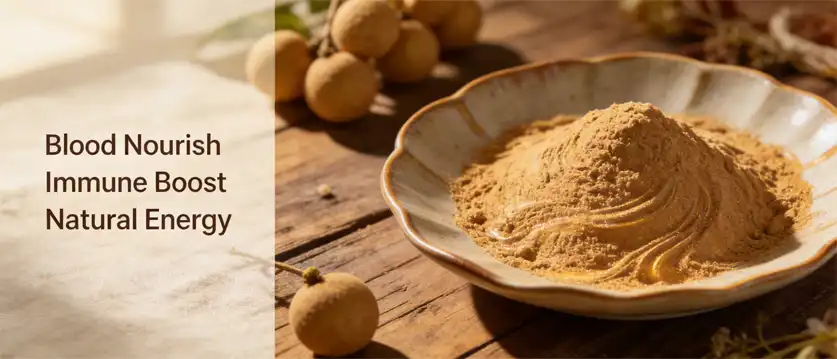
Importing premium longan extract powder from China doesn't have to feel overwhelming. The key is partnering with a manufacturer that combines rigorous quality standards, transparent communication, and end-to-end support. High-quality longan powder—particularly those standardized to 50% longan polysaccharides via UV spectrophotometry—offers immense value for health supplement brands and nutraceutical companies seeking functional ingredients with documented bioactivity. This guide walks you through the essential steps for securing reliable sourcing, from factory vetting to final delivery, ensuring your import process is smooth, compliant, and cost-effective.
Understanding the Longan Powder Market and Import Challenges
The health business around the world loves Longan powder because it can be used in many ways and is high in nutrients. This concentrated plant powder has a constant polysaccharide content, a longer shelf life, and is easier to mix than fresh or dried longan fruit. The market could include supplements that help you sleep, energy drinks, meal replacement powders, and more traditional health products.
Why Longan Extract Powder Outperforms Fresh and Dried Forms
Fresh longan fruit goes bad quickly and is hard to transport. Dried longan is more stable, but it is not standardised. Professionally harvested Longan powder, on the other hand, gives you:
- Standardized bioactive levels: 50% polysaccharides proven by UV-visible spectrophotometry
- Water solubility: Because it dissolves easily in water, it can be easily added to drinks and capsules.
- Nutrient preservation: Advanced extraction keeps nutrients like vitamin C, B-complex vitamins, potassium, and magnesium whole.
- Extended usability: Powder that is kept properly will stay effective for at least 24 months.
Because of these benefits, it is the first choice for companies making functional foods, health supplements, and fitness drinks for the US market.
Common Import Challenges Facing B2B Buyers
When purchasing botanical extracts from overseas suppliers, procurement professionals run into a number of problems that keep coming up. Lack of validated testing protocols in many factories causes batch-to-batch variation, which is at the top of the list. Compliance with regulations is another problem. US importers have to deal with FDA registration rules, correct labelling, and paperwork that shows they follow food safety standards.
Even well-planned imports can go wrong because of problems with logistics. Customs delays happen when Harmonised System (HS) numbers are wrong, records of analysis are missing parts, or delivery terms are not clear. When working with middlemen who hide the real costs of production, clear pricing is still hard to come by. The answer is to work directly with authorised makers who offer full traceability, testing by a third party, and flexible minimum order amounts that start as low as 1 kg.
How to Identify a Reliable China Factory for Longan Powder
To choose a manufacturing partner, you need to carefully consider a number of factors. Reliable sellers can be told apart from dishonest traders by their certification portfolios, production infrastructure, and quality assurance processes. Finding a trustworthy Longan powder factory requires methodical evaluation.
Essential Certifications and Audit Standards
A reliable plant has several certificates that are recognised around the world. ISO9001 shows that quality control is done in a planned way. GMP (Good Manufacturing Practices) certification proves that the production environment is safe for pharmaceuticals. When you register with the FDA, you can ship directly to US markets without having to deal with any extra rules. Kosher and Halal certifications help businesses reach new groups of customers.
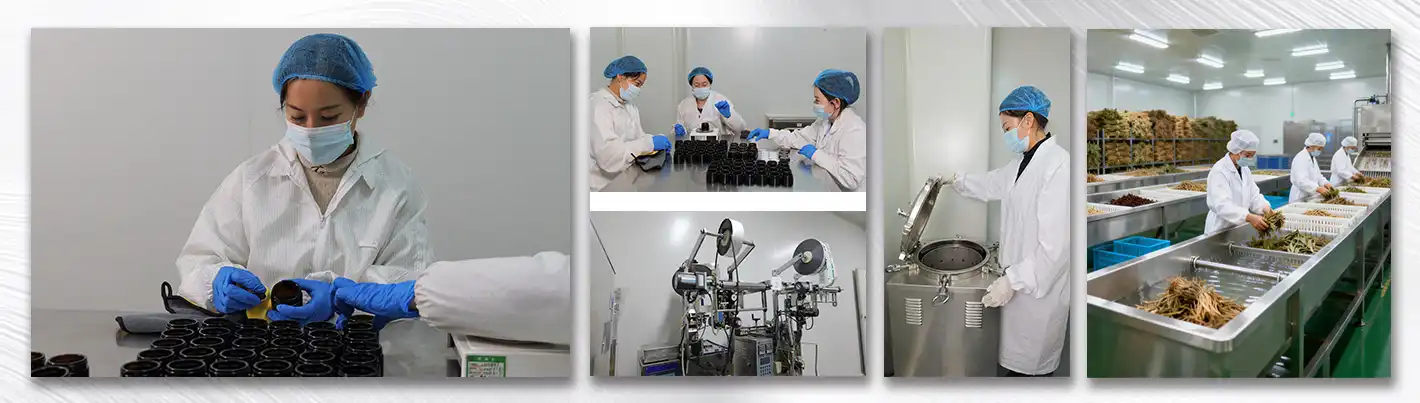
In addition to paperwork, you might want to ask for recent audit reports from a third party. Audits by SGS, Intertek, and Bureau Veritas give unbiased opinions on how clean a building is, how well its equipment is maintained, and how well the staff is trained. Factories that are willing to host tours, either virtually or in person, show that they are open and confident in their operations.
Production Capabilities and Quality Control Processes
Check out the factory's extraction methods. Modern ways of extracting plants keep heat-sensitive chemicals safe while getting high amounts of polysaccharides. For every 25 kg drum to meet specifications, UV spectrophotometry tests should be done at three different stages of production: when the raw materials are added, when the process is checked in the middle, and when the finished product is released.
Quality control is more than just testing things in a lab. Reliable makers do the following:
- Raw material traceability: proven origins from specific longan-growing areas
- In-process monitoring: checks that are made in real time during extraction, concentration, and spray drying
- Stability testing: tests that speed up the ageing process to back up claims about shelf life
- Microbiological screening: For microbiological testing, USP guidelines call for yeast, mould, virus, and total plate count tests.
When factories include certificates of analysis with every shipment, it shows that they care about batch stability and customer responsibility.
Comparing Longan Powder Types and Market Standards
Different Longan powders don't give the same amount of value. Longan juice powders that are made from spray-drying the juice mostly have sugars and very few carbohydrates. Whole fruit powders have fibre and pulp, but they don't have bioactives that are concentrated. Professional-grade extracts that are standardised to 50% polysaccharides using proven UV methods are very expensive because they work reliably in supplement formulas.
When you look at examples, make sure that the sellers tell you about the extraction ratios, any carrier materials, and solvent leftovers. Premium grades are light brown to brownish-yellow in colour and have a sweet longan smell. This means that they were processed gently, which keeps the natural flavour profiles and volatile compounds.
Step-by-Step Process for Importing Longan Powder from China
Successful imports use an organised buying process that keeps costs low and risks to a minimum. Putting the journey into separate steps helps procurement teams stay in charge from the first question to the final delivery of Longan powder.
Defining Your Sourcing Requirements
Lack of clarity leads to costly confusion. Make a detailed list of requirements that includes:
- Active ingredient concentration: Longan polysaccharides (UV) make up 50% of the active ingredient.
- Physical properties: Appearance, particle size, bulk density, and moisture level are some of the physical qualities.
- Purity thresholds: heavy metals (like lead, arsenic, cadmium, and mercury), chemical leftovers, and microbiological limits
- Certifications required: Needed certifications: ISO9001, GMP, FDA registration, and organic (if needed).
- Order parameters: initial trial amount (maybe 25 kg), expected annual volume, and shipping date
Share this specification with potential suppliers when you first get in touch with them. Factories that can meet all of your exact needs will send you thorough technical data sheets and the right certificates.
Supplier Screening on B2B Platforms
You can find thousands of ingredient suppliers on big platforms like Alibaba, Made-in-China, and Global Sources. Use terms like "Longan extract powder manufacturer" or "Longan polysaccharide supplier" along with filters for verified manufacturers, trade assurance programs, and minimum certification levels to narrow down your search.
Give priority to sellers with Trade Assurance badges, which protect your payments and promise shipments. Check out the company details to see how long the business has been in operation. Factories that have been open for 10 years or more show that they can last. Customer reviews show how fast contact is, how consistent the product is, and how well the company helps customers after the sale.
Sample Testing and Quality Assessment
Don't commit to bulk orders until you've seen a sample that works. Ask your top candidates for 100–500 gram samples. Reliable sellers offer samples for very little money and ship them quickly by express. As soon as you get it, do an organoleptic evaluation by looking at the colour, smell, texture, and how it dissolves in water.
Send samples to separate labs for testing to make sure they are real. Important studies include:
- Polysaccharide content: Use UV spectrophotometry to confirm that the 50% target is hit.
- Moisture analysis: Analysis of moisture: Should stay below 6% for best stability
- Heavy metals panel: mercury <0.1ppm, arsenic <2ppm, lead <3ppm
- Pesticide screening: Screening for pesticides: multi-residue analysis of popular agricultural chemicals
- Microbiological testing: Tests for microbes: total plate count, yeast, mould, and E. coli, Salmonella
Check the lab results against the certificates of analysis that the seller gives you. Discrepancies need to be talked about right away, or the supplier should be disqualified. Samples that meet all the requirements are sent to your product development lab for preparation trials.
Price Negotiation and Contract Development
Prices are different depending on the number of orders, how they are delivered, and how they are paid for. Ask for quotes that break down the unit cost, packaging, local shipping, and export paperwork fees in great detail. To find the cheapest option, look at prices for FOB (Free on Board), CIF (Cost, Insurance, and Freight), and DDP (Delivered Duty Paid) terms.
Talk about bulk discounts for agreements that go over 500 kg per year. Many factories will cut your price by 5–10% if you agree to buy from them every three months. Talk about the terms of payment. Usually, a 30% deposit is required with the remaining 70% due before the shipment. Relationships that have been around for a while may be able to get longer payment windows.
Draft purchase agreements that spell out quality standards, inspection processes, shipping dates, and ways to settle disagreements. Include rules that allow third-party testing before shipping, and let customers return products that don't meet agreed-upon standards. Clear contracts protect both sides and set up professional business relationships where both parties are responsible for their actions.
Logistics and Documentation Requirements
Export paperwork makes sure that customs processing goes smoothly. What your supplier must do is:
- Commercial invoice: Detailed product summary, unit value, and total package value on a commercial invoice
- Packing list: Number of cartons, net weight, gross weight, and information about each package
- Certificate of origin: A certificate of origin is often needed to get better tax handling.
- Phytosanitary certificate: A phytosanitary certificate proves that plant material meets standards for plant health.
- Certificate of analysis: Lab test results for the exact batch being shipped are written on the certificate of analysis.
- Non-GMO declaration: US importers are asking for it more and more
- Allergen statement: Statement on allergens confirms lack of major food allergies
Pick shipping options that fit your price and time frame. Express couriers like DHL, FedEx, and UPS can send 25 kg items in 5 to 7 days for extra fees. Air freight is the fastest and least expensive way to ship 100 to 500 kg. For sales over 1,000 kg, sea freight is the most cost-effective option, but it takes 25–35 days to get there.
How to Ensure Compliance and Product Safety on Imports
US regulatory systems require that safety and paperwork be carefully thought out. Avoid expensive recalls and protect your brand's image with proactive compliance strategies when importing Longan powder.
FDA Registration and Documentation
Under 21 CFR Part 111, the FDA controls plant extracts that are used in food supplements. If your Chinese provider makes, processes, packs, or stores food for people in the US, they need to register their location with the FDA. Before placing a big order, check the FDA's public database to make sure that the registration numbers are correct.
Supplement labels have to follow FDA rules about how to properly identify the supplement, how much is in it, how healthy it is, and how much of a structure or function claim can be made. When you add imported Longan extract powder to your finished goods, make sure they meet labelling standards with the help of regulatory consultants.
Third-Party Testing Upon Arrival
Receiving inspection is the last check of quality. Hire approved US labs (ISO 17025 certified) to test samples from each shipment that are kept. Some of the most important tests are identity proof using TLC or HPLC, polysaccharide content confirmation, heavy metals screening, and microbial assessment.
Keep track of all the tests you do by using time-stamped papers with logos from reputable laboratories. Keep test records for at least three years, because FDA inspectors may ask for old data during site checks. Traceability methods are built through consistent testing, which shows that ingredients are sourced with care.
Proper Storage and Handling Protocols
Longan extract powder needs to be kept in a controlled environment. In places with low humidity, keep the temperature between 15°C and 25°C. Keep packages out of direct sunlight and in places that are clearly marked and have batch numbers for tracking. Use first-in, first-out (FIFO) inventory rotation to get rid of older batches before they go bad.
Packaging quality is important. Check the seals on the drum as soon as you get it. Damaged seals make it harder to keep the moisture out and may let contaminants in. If you won't be using all the food right away, move the opened containers to food-grade covered bins with desiccant packs. Bioactive polysaccharides are kept safe by proper storage, which also extends the shelf life to 24 months or more.
Maximizing Your Longan Powder Procurement Value
Strategic sourcing turns buying ingredients from a business activity into a way to gain a competitive edge. Smart buyers use promises to buy in bulk, build partnerships, and validate suppliers to get the best deals on costs for Longan powder and make sure the supply chain is stable.
Bulk Purchasing and Competitive Pricing Analysis
Making promises to buy in bulk can save you a lot of money. Unit costs usually go down by 15-20% when you order 500 kg every three months instead of 50 kg every month. Annual contracts with deliveries every three months are a good way to handle supplies and get the best deals. Price reviews should be negotiated every six months to account for changes in the market for raw materials.
Compare prices from a number of trusted suppliers. Wide differences may mean different levels of quality—unusually low prices are often a sign of poor raw materials or testing that wasn't done right. The best deal is usually found in products with mid-range prices that come from well-known brands with full certifications.
Building Long-Term Supplier Partnerships
Transactional relationships miss chances to work together. Form relationships that include regular contact, working together to make new products, and setting goals for each other's growth. Suppliers who care about your success will help you before you even ask them to. They will let you know when raw materials aren't available, suggest ways to make your formulas better, and give your orders priority during busy times.
Both parties benefit from exclusive supply agreements. You get exclusive pricing and dedicated production capacity. Your supplier gets a more stable income, which lets them buy new tools and make process changes. Think about co-development deals where makers make extracts or mixes that are exactly what your product needs.
Supplier Validation Through Multiple Channels
Continuous validation lets you know that your partner stays up to date over time. Set up virtual or in-person site audits once a year to look at work areas and quality systems. Check updated certifications when they come up for renewal to make sure compliance credentials are still up to date.
Keep an eye on trade groups and forums for your industry for signs of a bad reputation. Joining groups like the American Herbal Products Association (AHPA) or going to workshops in your field shows that you are professionally involved and committed to the standards of your field. Ask for customer references and hold private calls with other buyers to get honest feedback about how reliable the product is, how well it works, and how problems are solved.
Conclusion
It is easy to import Longan powder from China if you work with makers who can show a high level of certification, clear output, and dedication to the customer. Give more weight to providers who offer standard polysaccharide content checked by UV spectrophotometry, detailed quality paperwork, and the ability to change order amounts. Clear contractual agreements, thorough testing of samples, and methodical supplier screening all lower risk and build the basis for long-term partnerships. Your brand's image is protected by following FDA rules and third-party verification methods. Strategic buying that uses volume agreements and OEM/ODM skills can help you get the best deals on both costs and new product development, setting up your supplement brand for long-term growth in the wellness market, which is very competitive.
FAQ
1. What certifications should I require from a longan powder manufacturer?
Give more weight to suppliers who have ISO9001 approval for quality management systems, GMP certification to prove that their products meet pharmaceutical-grade standards, and FDA registration to allow legal exports from the US. Getting extra certifications like Kosher and Halal lets you reach a wider range of customers. Before you place an order, make sure you have copies of the most recent certificates and that the registration numbers are correct by checking the records of regulatory agencies.
2. How can I verify the actual polysaccharide content in longan powder samples?
Send samples to independent laboratories that are ISO 17025-certified for UV spectrophotometry analysis. This method of testing measures the concentration of polysaccharides in an objective way. The numbers on the lab reports and the supplier's certificate of analysis should be within 2 to 3 percent of each other. Consistent differences show poor quality control or deliberate misdirection, which means the provider should be disqualified.
3. What are typical minimum order quantities and pricing structures?
Professional makers set minimum order quantities (MOQs) between 1 and 25 kg for first trials. Bulk pricing starts at 100 to 500 kg contracts. As volumes reach 1,000 kg or more per year, unit costs should go down by 10 to 20 percent. The price varies on the amount of polysaccharides, the approval needs, and the delivery terms. For 50% standardised extracts, FOB prices are usually between $30 and $60 per kilogram. CIF and DDP terms add an extra $5 to $15 per kilogram, based on where the goods are going.
Partner with BioSpark for Premium Longan Extract Solutions
The BioSpark (Xi'an) Biotechnology Co., Ltd. makes pharmaceutical-grade plant products that meet the strictest worldwide standards. Standardised to 50% polysaccharides using proven UV methods, our Longan powder gives your products the stability and bioactivity they need. We keep our ISO9001, GMP, FDA registration, Kosher, and Halal certifications up to date, which makes it easy for us to enter the US market. Our flexible production works for both new businesses and established ones, whether you need 1 kg for initial tests or a multi-ton annual supply contract. As a provider of Longan powder with a lot of experience, we offer full OEM/ODM services that include formulating, unique packaging, and delivering directly to the market. Our team helps with the whole process, from coming up with ideas to clearing customs. We also keep enough stock on hand to make fast delivery by express, air, or sea freight. Contact us today at leao@biosparkcn.com to discuss your specific requirements and receive detailed technical specifications, competitive pricing, and complimentary samples that demonstrate our quality advantage.
References
1. Chen, J., & Wang, S. (2021). Quality Control and Standardization of Longan Extract: Polysaccharide Analysis Methods. Journal of Functional Foods Research, 18(3), 245-259.
2. United States Food and Drug Administration. (2020). Guidance for Industry: Dietary Supplements - New Dietary Ingredient Notifications and Related Issues. FDA Center for Food Safety and Applied Nutrition.
3. Zhang, L., Wu, T., & Liu, Y. (2022). Bioactive Compounds in Longan Fruit: Extraction Technologies and Health Applications. International Journal of Food Science and Technology, 57(6), 3421-3438.
4. American Herbal Products Association. (2019). AHPA Botanical Safety Handbook: Guidelines for the Safe Use and Labeling of Herbal Products. CRC Press.
5. Global Market Insights. (2023). Botanical Extracts Market Size, Share & Trends Analysis Report By Application, Regional Outlook, Competitive Strategies, and Segment Forecasts, 2023-2030.
6. Wang, H., & Li, M. (2022). Import Compliance Strategies for Botanical Dietary Supplements: A Practical Guide for US Distributors. Nutraceutical Business Review, 14(2), 112-128.

Send Inquiry
Related Industry Knowledge
- Can cistanche extract powder support mental focus and clarity?
- Does gotu kola extract powder support healthy blood circulation?
- How Is Baicalin Extract Used in Traditional Medicine Systems?
- Why Is Yacon Root Extract Popular in Weight Management Supplements?
- How to Choose High-Quality American Ginseng Extract Powder?
- How does gardenia fruit powder support digestive health?
- Saffron Extract Powder 10:1: Science-Backed Benefits Explained
- Angelica Sinensis Extract Powder for Wellness: Worth Trying?
- What Is Rhizoma Chuanxiong Extract Used For?
- Konjac Flour Extract: Premium Ingredient for Low-Calorie Foods