_1764041963888.webp)
Loquat Powder Applications Across Food and Nutrition Industries
Aug 10, 2026
Loquat powder represents a transformative functional ingredient derived from carefully selected loquat fruits and leaves through advanced plant extraction methods. Rich in triterpenic acids—standardized at 20% concentration and verified through High-Performance Liquid Chromatography (HPLC)—this botanical extract addresses critical needs in dietary supplements, functional beverages, and wellness formulations. As health supplement brands and nutraceutical companies seek reliable, traceable ingredients compliant with international standards, loquat-derived botanicals deliver respiratory support, antioxidant protection, and formulation versatility across multiple product categories. This comprehensive guide explores practical applications, procurement strategies, and quality considerations relevant to importers, distributors, and OEM/ODM partners operating in competitive nutrition markets.
Understanding Loquat Powder: Composition and Benefits
Botanical Source and Extraction Technology
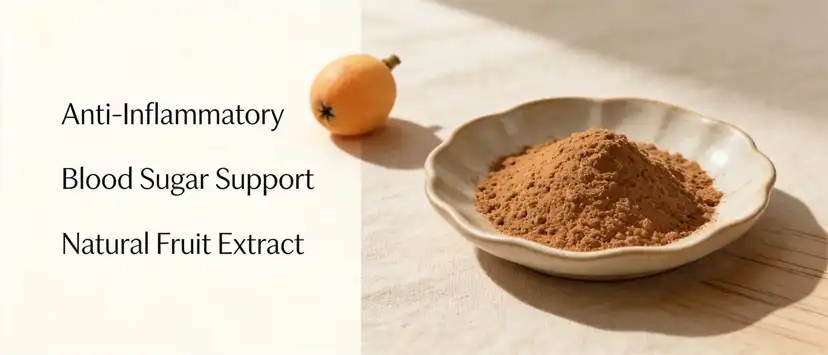
Botanical selection is the first step in making high-quality Loquat powder-based ingredients. BioSpark gets its materials from limited farming areas in China, where loquat trees grow well because the weather is just right. Our way of extracting plants uses supercritical CO2 extraction along with membrane separation technology to keep the bioactive chemicals and get rid of the solvent leftovers. This process makes a fine powder that is light yellowish-brown to brownish-tan and smells like fruit and herbs. This means that the volatile ingredients were properly preserved.
Active Compounds and Nutritional Profile
Triterpenic acids make up the usual active fraction at a concentration of 20%, which was proven by HPLC tests. It has been shown that these compounds can help the respiratory system and change the inflammatory response. In addition to triterpenic acids, the powder naturally has polyphenols, flavonoids, and organic acids that work together to improve health. Our recipe dissolves easily in water, so it can be easily added to drinking systems. It also dissolves slightly in ethanol, so it can be used in tinctures and extracts.
Health Benefits Supported by Botanical Research
There is a lot of research in scientific papers that shows how compounds from loquats can help with health goals. The triterpenic acid part has mucolytic qualities that make breathing easier during tough times of the year. Polyphenols are antioxidants that neutralise free radicals. This helps cells stay healthy and skin stay healthy. Preparations made from loquats have been used in traditional medicine for hundreds of years. Now, thanks to modern extraction methods, these benefits can be delivered in standard, scalable forms that are good for making commercial products.
Application Cases: How Loquat Powder Enhances Food and Nutrition Products
Understanding practical applications helps procurement professionals evaluate ingredient fit within existing product portfolios. The following section demonstrates how brands across various categories successfully integrate loquat extract into market-ready formulations.
Dietary Supplement Formulations
Respiratory health is one of the main application categories. Throat lozenges are made by brands that combine loquat extract with honey powder and menthol to make them more soothing and easy to use. Triterpenic acid amounts can be measured because capsules usually contain 200 to 400 mg of standardised powder per dose. Manufacturers of tablets like the powder's ability to compress, which helps make stable tablets without using too many fillers. The natural flavour of the ingredient goes well with elderberry, echinacea, ginger, and other botanical extracts that are often found in immune support blends.
Functional Beverage Innovation
Botanical extracts are being used more and more in the drinking industry to make goods stand out in crowded markets. Loquat powder is easy to mix with hot water, so it can be used to make quick herbal tea blends and health shots. Companies that make ready-to-drink drinks add the extract to fruit juice to make useful drinks that help with breathing and provide antioxidants. Manufacturers of protein shakes have started adding plant ingredients to improve nutritional profiles beyond basic macronutrients. Loquat adds a unique flavour to protein shakes while also providing health benefits.
Food Industry Enhancement
Loquat extract is added to probiotic formulations by yoghurt makers who are interested in making functional dairy products. This makes products that are good for both gut health and respiratory health. In the bakery industry, it is used to make energy bars, granola clusters, and functional candies. The powder is stable during thermal processing, which means it can be used in baking. However, some volatile aromatics may lose their strength at temperatures above 180°C. Candy makers use the ingredient in throat comfort sweets and herbal treats because it is naturally sweet, so they don't have to add as much sugar.
Traditional Medicine and Pediatric Products
Natural cough syrups are made by mixing loquat extract with honey, glycerin, and plants that work well together, like marshmallow root and slippery elm. These mixtures respect the knowledge of traditional medicine while also meeting current safety and labelling rules. The gentle nature of the ingredient is appreciated by people who make health products for kids. This includes chewable pills and liquid vitamins that are made for kids who want natural relief from seasonal pain.
These diverse applications demonstrate formulation versatility, enabling brands to develop differentiated products addressing specific consumer needs while maintaining clean-label positioning.
Loquat Powder Procurement Insights: Choosing the Right Product
Quality Criteria and Certification Standards
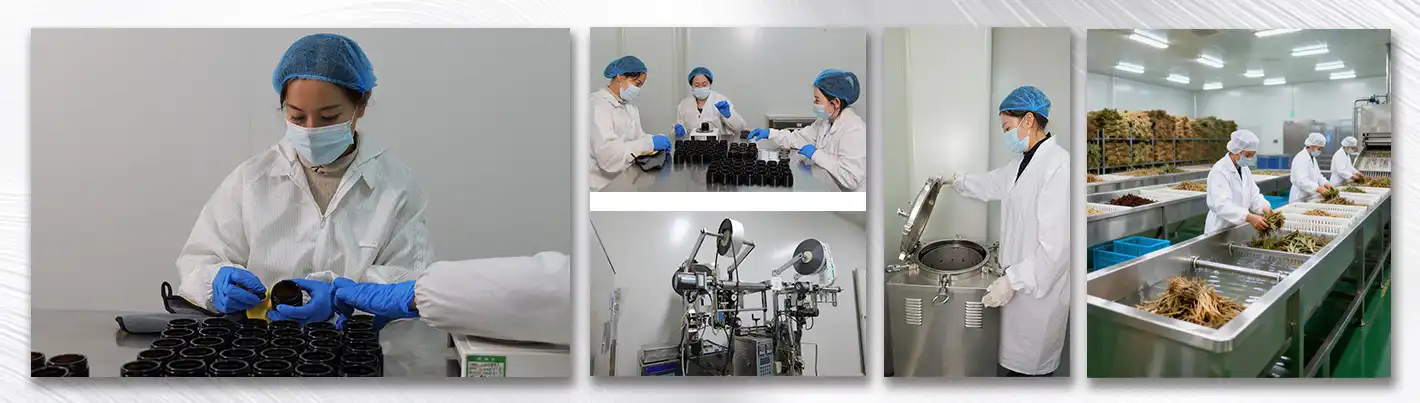
Quality management systems need to be carefully looked at in order to choose the right sources for Loquat powder. BioSpark keeps its ISO9001 certification, which shows that it is committed to consistent manufacturing methods and protocols for constant improvement. Our facilities are certified as both Kosher and Halal, which makes it easier for brands that serve a wide range of consumers to get into new markets. FDA licensing and GMP compliance make sure that pharmaceutical-grade production standards are met, which is very important for nutraceutical uses that need very strict quality control.
When evaluating suppliers, procurement teams should check a number of technical details. For effective claims, HPLC testing certificates confirm the amounts of active ingredients, making sure that the product is consistent from batch to batch. Testing for heavy metals like lead, arsenic, cadmium, and mercury should meet or go beyond the limits set by USP, EP, and other pharmacopoeias. Microbiological testing that checks for pathogens and good total plate counts guards the safety of the final product. Screening for pesticide residues makes sure that organic standards are met when they apply. This is especially important for markets in Europe and North America with strict rules about farming chemicals.
Product Type Evaluation and Manufacturing Compatibility
Powder forms are much better than liquid extracts and honey-based preparations in many ways. When stored properly (in sealed containers at room temperature, away from light and moisture) for more than 24 months, shelf stability is higher than 12 to 18 months for liquid extracts. When weight and volume go down, transportation costs go down a lot. This is especially true for foreign packages. Powders can be mixed into solid dosage forms like pills, capsules, and sachets without changing the stability of hygroscopic liquid ingredients. This makes formulations more flexible.
For tablet use, the manufacturing suitability review should look at the particle size distribution, how they flow, and how they compress. Microbial growth can't happen during storage if the water activity is less than 0.6. The bulk density affects how well packaging works and how accurate dosing is in automated filling equipment. These technical factors have an effect on how efficiently production works, and they should match up with current manufacturing capabilities to avoid having to make expensive changes to tools or processes.
Bulk Purchase and Supply Chain Strategies for Loquat Powder
Sourcing Channels and Supplier Relationships
B2B procurement platforms connect buyers with verified manufacturers who offer clear pricing and low minimum order quantities. BioSpark keeps enough stock on hand to quickly fill orders. Delivery times range from 3–5 days for urgent needs via express shipping to 15–25 days via sea freight for bulk purchases that save money. Our minimum order size of 1 kg is perfect for testing new products, and our usual packing in 25 kg drums saves you the most money on large orders.
Bank transfer (T/T) is usually used for payment, with a 30% deposit securing production space and the remaining 70% due before shipment for new partnerships. Customers who have been doing business with you for a while can usually get longer payment terms if they can show that they consistently place large orders and pay on time. Different delivery terms, such as FOB, CIF, CFR, EXW, DAP, and DDP, make it possible to meet the unique transportation needs and customs clearance desires of each target market.
Pricing Optimization and Supply Continuity
Prices for standardised Loquat powder on the market depend on how much you order, how concentrated it is, and whether you need to be certified. Setting up long-term supply agreements helps keep the prices of ingredients stable when the availability of raw materials changes with the seasons. Instead of just looking at ex-factory prices, procurement managers should look at the total landed cost, which includes freight, duties, insurance, and storage costs. When you commit to buying a lot of something, you can often get better prices, but you have to weigh these discounts against the costs of keeping supplies and the length of time the product will last.
Diversification strategies are needed to make the supply chain more stable. Finding secondary providers lowers the risks that come with crop failures, building problems, or changes in regulations that affect main sources. Keeping enough safety stock to meet 60 to 90 days of production needs stops stock-outs when lead times get longer. Regularly talking to sellers about crop predictions, production capacity, and quality test results lets buyers make changes to their buying plans before they happen.
Future Trends and Innovation in Loquat Powder Applications
Market Evolution and Consumer Preferences
Botanical extracts are used more in food and nutrition areas because they are labelled "clean-label." People are looking more closely at ingredient lists and prefer natural plant-based ingredients to man-made ones. Loquat powder fits this taste because it has health benefits without adding flavourings or preservatives. People who are health-conscious and want authentic wellness products like it when suppliers are clear about where their products come from, how they are extracted, and how they are tested.
Botanical products are becoming more important in personalised nutrition, which is a new field on the rise. Instead of making generic multivitamins, brands make targeted formulations that address specific health concerns, such as respiratory health while travelling, seasonal comfort, and immune support during times of stress. Loquat extract is a good choice for these specific uses because it has been used for many years in traditional medicine and has been proven to work by modern science.
Research, Development, and Product Differentiation
Current research looks into how herbal extracts can work better together. For example, it looks at how loquat compounds combine with other plant-based actives to make them more bioavailable and effective. New developments in delivery systems, such as liposomal encapsulation, nano-emulsions, and controlled-release structures, may increase benefits while lowering doses needed. These improvements in technology make it possible to position products as high-end and back up their claims of better performance.
Sustainability concerns are becoming more and more important when choosing where to get ingredients. Brands and customers who care about the environment like cultivation methods that focus on soil health, water saving, and protecting wildlife. Traceability systems that keep track of where a product comes from, from the farm to the finished product, help brands tell stories about ethical sourcing and caring for the environment. BioSpark's dedication to eco-friendly methods and clear supply lines helps partners create goods that share these values.
Conclusion
Through its standardised bioactive compounds and adaptable formulation characteristics, Loquat powder offers quantifiable value in dietary supplements, functional food, and beverage applications. When looking at suppliers, people who work in procurement can do a better job if they know about extraction methods, quality certifications, and manufacturing compatibility factors. Brands can make unique products that meet customers' needs for natural, effective health solutions by using strategic sourcing methods that balance cost-effectiveness, supply continuity, and quality assurance. As the market moves toward botanical ingredients that have both historical and current scientific backing, loquat extract is in a good position to continue growing in a number of nutrition industry areas.
FAQ
1. What concentration of triterpenic acids should I specify?
Standard amounts run from 10% to 30%, based on what the job calls for. Twenty percent concentration gives about 40 to 80 mg of triterpenic acids per 200 to 400 mg dose, which is a good mix between bioactivity and cost-effectiveness for most food supplement formulations. Higher concentrations help expensive placement, but they also raise the prices of raw materials in a proportional way.
2. How does loquat powder compare to liquid extracts?
In comparison to liquid extracts, how does Loquat powder perform? Powder forms have better shelf life (24 months or more versus 12 to 18 months), lower shipping costs because they are lighter, and more formulation compatibility with solid drug forms. Liquid extracts might have a slightly higher bioavailability in some situations, but they can make it harder for moisture-sensitive products to stay stable.
3. Which certifications matter most for U.S. market entry?
Baseline standards include FDA facility registration, GMP compliance, and third-party testing proof for heavy metals, microbiology, and pesticides. Kosher and Halal certifications help businesses reach more customers, and organic certification brings higher prices when raw materials meet USDA organic standards and come from certified supply chains.
Partner with a Trusted Loquat Powder Supplier
BioSpark is an expert at providing pharmaceutical-grade plant extracts that help companies come up with new health supplements and functional foods. Our Loquat powder satisfies international quality standards like ISO9001, GMP, Kosher, Halal, and FDA registration because it is standardised to 20% triterpenic acids using a proven HPLC method. We offer full OEM/ODM services, including recipe advice, small-batch trials (minimum 1 kg), and large-scale production with flexible delivery terms that can meet the needs of global transportation. Our large inventory lets us complete orders quickly, and our experienced expert teams can help you make the best formulas to get the best performance from your products. As a qualified manufacturer that works with nutraceutical brands all over the world, contact our sourcing experts at leao@biosparkcn.com to talk about your unique needs and get full product specs, certificates of analysis, and cheap pricing.
References
1. Chen, J., Liu, X., & Zhang, M. (2019). Phytochemical Composition and Biological Activities of Loquat (Eriobotrya japonica) Extracts: A Comprehensive Review. Journal of Functional Foods, 52, 586-598.
2. Shimizu, T., Nakamura, Y., & Kojima, H. (2020). Triterpenic Acids from Eriobotrya japonica Leaves: Standardization Methods and Respiratory Health Applications. Phytotherapy Research, 34(8), 1847-1859.
3. Wang, S., Li, H., & Zhou, P. (2021). Quality Control and Analytical Methods for Botanical Extracts in Nutraceutical Manufacturing. International Journal of Food Science and Technology, 56(4), 1923-1935.
4. Rodriguez, A., Martinez, C., & Sanchez, L. (2022). Commercial Applications of Plant Extracts in Functional Beverages: Formulation Strategies and Stability Considerations. Food Chemistry, 368, 130845.
5. Thompson, R. & Williams, K. (2020). Supply Chain Management for Botanical Ingredients: Best Practices for Procurement Professionals. Journal of Supply Chain Management in Health Systems, 15(3), 245-260.
6. Zhang, Y., Wu, F., & Lin, Q. (2023). Emerging Trends in Natural Health Ingredients: Market Analysis and Innovation Opportunities in Botanical Extracts. Nutrition Business Journal, 28(2), 112-127.

Send Inquiry
Related Industry Knowledge
- Marigold Extract Powder for Eye Health: Macular Defense Naturally
- What Is the Market Outlook for Tanshinone Danshen Extract Powder?
- Can Ghanaian Seed Extract Boost Immune Health Naturally?
- What Are the Health Benefits of Konjac Flour Extract Fiber?
- Pomegranate Seed Extract Powder for Hormonal Balance: Effective?
- Marigold Extract Powder: Bulk Supply Buying Guide
- Bulk Ilex Leaf Extract Supplier for Industry Use
- Can Konjac Flour Extract Boost Digestive & Gut Health?
- Does Mimosa Root Bark Extract Support Wound Healing?
- Yacon Root Extract Benefits: Prebiotic Gut & Digestive Support