_1764041963888.webp)
Is Loquat powder the Right Choice for Your Next Product Line?
Jul 30, 2026
If you're evaluating botanical extracts for respiratory wellness formulations, loquat powder deserves serious consideration. Derived from Eriobotrya japonica fruit and leaves, this standardized botanical ingredient offers 20% triterpenic acid concentration—the bioactive compounds responsible for its traditional respiratory support properties. For health supplement brands, nutraceutical companies, and distributors seeking differentiated natural ingredients, loquat extract powder presents compelling market opportunities backed by traditional use patterns and modern extraction science. The key question isn't whether it works, but whether it aligns with your specific product strategy, manufacturing capabilities, and target consumer expectations.
Understanding Loquat Powder: What It Is and Why It Matters
Origins and Production Process
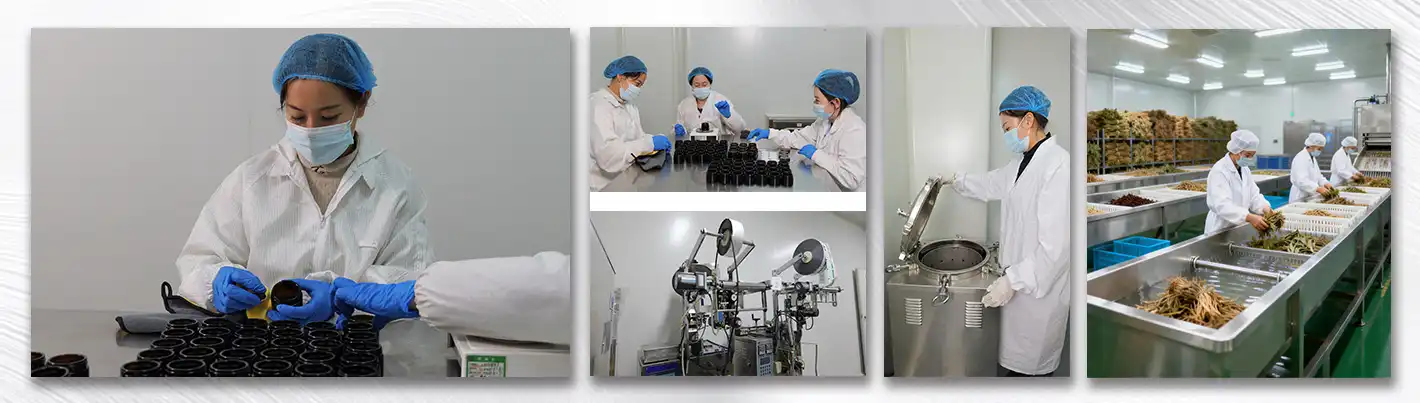
In East Asia, Loquat powder has been used in traditional medicine for hundreds of years. It is especially good for sore throats and lung health. The first step in our manufacturing process is carefully choosing Eriobotrya japonica fruit and leaves from China's controlled cultivation areas. The plant extraction method uses modern supercritical fluid extraction and membrane separation technology to keep the natural triterpenic acids and get rid of the chemicals that aren't wanted.
High-Performance Liquid Chromatography (HPLC) tests show that every batch has 20% triterpenic acid. This level of consistency is very important for B2B buyers. Unlike raw plant materials that can vary in how strong they are, standardized extract powder guarantees uniform results when mixed with other ingredients. The extraction process concentrates active compounds about 5–10 times more than they are in raw plant material. This makes finished products more cost-effective.
Nutritional Profile and Functional Benefits
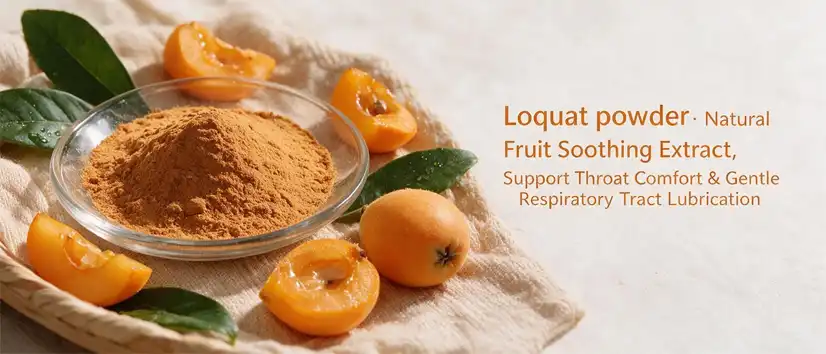
The fine powder is a light yellowish-brown to brownish-tan colour and has a scent that people know is real—fruity and herbal. In addition to triterpenic acids, Loquat powder also has other beneficial chemicals that make it work, such as flavonoids, carotenoids, and organic acids.
Because it dissolves easily in water, it can be easily added to drinks, and its small ethanol solubility means it can be used in tinctures and extracts. This dual solubility trait gives you a lot more choices for making new products. The powder can be easily added to capsules, tablets, gummies, instant drink mixes, herbal teas, and functional foods.
Safety and Storage Considerations
To keep plant products in good shape, they need to be handled in the right way. The Loquat powder should be kept cool, dry, and out of direct light. A normal warehouse should work fine for this. With seals that keep the food fresh even after it's been opened, the 25 kg drum packaging keeps the product's integrity while it's being stored and shipped.
How safe plant products are depends a lot on how much you take. Standardized extracts are usually taken as a supplement at a dose of 200 to 600 mg per day, but the exact dosage should depend on the product and the people who are supposed to use it. Our ISO9001, GMP, FDA, Kosher, and Halal certifications show that we meet world quality standards and meet the needs of regulators in many countries.
Comparing Loquat Powder with Alternative Loquat Products
Product Form Considerations for Manufacturing
There are different kinds of Loquat powder on the botanical ingredients market, like tea cuts, syrups, liquid extracts, and standardized powders. Each style is used for a different type of manufacturing. Traditional tea cuts work well for retail products where people make their own drinks, but they aren't concentrated or consistent enough for therapeutic formulations.
Loquat juice is ready to use, which is convenient, but it makes planning very hard. The liquid version makes shipping heavier and more expensive, sometimes needs cold chain management, and is harder to keep track of because it doesn't last as long. Also, syrup formulas make it harder to make new products because liquid extracts are hard to work into pills, tablets, or dry mixes.
These problems can be solved with standardized extract powder. Shipping costs are a lot less with the compressed format—25 kg of powder is the same as several hundred kg of raw fruit. Because it stays stable at room temperature, there is no need for a cold chain, and the format is flexible enough to work with almost any shipping method your product development team can think of.
Organic versus Conventional Grade Analysis
Organic certifications are becoming more and more important for different types of markets, especially for high-end products aimed at health-conscious customers in North America and Europe. Loquat powder with organic certification costs about 20 to 35 percent more than regular grades.
The grade you choose should fit with how you want to position your brand and what your target market expects. Most of the time, high-quality common types that meet all safety and purity standards work well with mass-market supplement lines. As a way to set themselves apart, organic approval helps high-end and speciality brands. Our factories can meet both requirements, so you can see how the market reacts before committing to large-scale organic production.
Pricing and Potency Considerations
The price of bulk botanical ingredients relies on a number of things, such as the amount of standardization, quality standards, order volume, and how the supply chain works. Higher standardization percentages cost more; 20% triterpenic acid content is in the middle range of potency and is good for most uses. They charge different prices for standardizations of 10% or 30%.
Instead of looking at the cost of the raw materials, you should look at the cost per unit. A cheaper ingredient with 10% active content needs twice as much to be used as an ingredient with 20% standardization. This could mean that there is no longer any cost benefit once you consider the cost of encapsulation, the bigger size of the capsules, and the extra weight that finished goods will have to ship.
How to Source Loquat Powder for Your Product Line: A B2B Procurement Guide
Volume Requirements and Quality Certifications
The botanical extract supply chain can work with a wide range of buyers because the minimum order amounts are open. Our Loquat powder minimum order quantity of 1 kg lets new and small brands test formulations and do market validation without having to spend a lot of money. This low barrier to entry is especially helpful when creating new types of products where the answer from customers is still unknown.
Volume pricing systems are good for well-known companies that do business on a large scale. Orders over 100 kg usually get tiered pricing, which makes the margin economics a lot better. The standard for 25 kg drum packaging makes ordering in natural increments that balance the cost of stocking up on items with the cost of lowering unit costs.
Quality certificates are important for managing risk when buying plant ingredients. ISO9001 certification shows that you have a method for managing quality, while GMP certification only talks about manufacturing standards for pharmaceuticals. When a facility is registered with the FDA, it shows that it follows U.S. regulations. Kosher and Halal licenses open up new market possibilities for certain types of customers. When looking at possible suppliers, make sure to ask for up-to-date certification papers and check their registration status in the right government databases.
Factory-Direct Relationships and Private Labeling
Markups from middlemen in the marketing chain cut into your possible profit margin. When you buy directly from manufacturers like BioSpark, you skip these middleman costs and get direct access to technical knowledge and quality documentation. You can ask for facility audits, look at production batch records, and set up direct communication channels with quality assurance teams when you have direct relationships with them.
Suppliers of ingredients can become key manufacturing partners with the help of private labelling and OEM/ODM services. Instead of buying Loquat powder in bulk and handling the processing that comes after, complete OEM agreements let you outsource formulation development, encapsulation, packing, and even fulfilment. This unified method lowers the amount of capital needed, speeds up the time to market, and uses specialised manufacturing knowledge that your team might not have on hand.
Logistics and Supply Chain Management
Getting plant ingredients from other countries requires a lot of complicated business planning. For correct cost modelling, it's important to understand the shipping terms. When goods are FOB (Free on Board), customers take responsibility once they are loaded onto ships. On the other hand, when goods are DDP (Delivered Duty Paid), suppliers are fully responsible until they are delivered. CIF stands for "Cost, Insurance, Freight." In this case, the buyers handle customs clearance and final delivery, while the suppliers handle ocean freight and insurance.
When choosing a shipping way, you have to weigh speed against cost. Express delivery services can send small orders within days, but they charge more and are only good for samples or small amounts that need to be sent right away. For items under 100 kg, air freight is a good choice because it can get them to their destination quickly, which explains the higher shipping costs. When 4-6 week travel times work with inventory planning cycles, sea freight is the most cost-effective way to ship items that weigh more than 200 kg.
Payment terms show how mature the relationship between a buyer and a seller is. For botanical ingredients, bank transfer (T/T) is still the best option. For new relationships, 30% deposits are common, and the balance is due before shipment. If a buyer has a history of paying on time, they may be able to negotiate net-30 or net-60 terms that make cash flow better.
The Strategic Value of Adding Loquat Powder to Your Product Portfolio
Market Trends Driving Natural Ingredient Demand
In the supplement, functional food, and beverage areas, consumers are still strongly favouring natural, plant-based products. According to market research, 73% of supplement buyers in the U.S. actively seek goods with botanical chemicals over synthetic options. This desire grows stronger among younger generations, with millennials and Gen Z customers being especially ready to pay more for natural products.
Since recent global health events, respiratory health has grown into a much bigger area. There has been a lot of increase in products that help with throat comfort, immune function, and respiratory health. This is likely to continue as people become more aware of the importance of respiratory health. Loquat powder gives brands a way to meet this ongoing demand with ingredients that have been used for a long time and have been proven to work by modern science.
The botanical extract ingredient gives supplements a way to stand out in a crowded market. While elderberry, echinacea, and vitamin C are commonly found in respiratory support products, loquat extract is still fairly new to Western markets. This newness makes it possible to tell interesting stories about products that blend Eastern traditional knowledge with Western scientific standards, which is a strong selling point for the intended audience.
Bioactive Properties and Product Enhancement
Loquat powder works because of triterpenic acids, which are its main beneficial component. These chemicals are antioxidants, help the body's natural response to inflammation, and make breathing easier. The 20% standardization makes sure that the concentration of active compounds is high enough for standard serving sizes to provide meaningful functional benefits.
In addition to triterpenic acids, substances like chlorogenic acid, antioxidants, and carotenoids work together to make plants more useful. This profile of phytochemicals that work together often produces better results than single-compound approaches. This is one of the main reasons why whole botanical extracts are better than synthetic alternatives.
Formulation versatility expands product innovation possibilities considerably. Consider these application examples:
- Respiratory Support Capsules: To make Loquat powder that works well with other plants like mullein, marshmallow root, and liquorice, you can make capsules that help with breathing and soothing the throat. The powder form lets you give the right dose, and the pill form is very stable.
- Functional Beverage Innovation: The ability to dissolve in water makes it possible for clear solutions to form in ready-to-drink drinks, instant tea mixes, and wellness shot recipes. The typical fruity and herbal smell adds nice sensory qualities that make it easier for people to accept.
- Children's Wellness Products: The natural ingredients and nice taste make it a good choice for kids' formulas where parents are looking for gentle, natural options to help their kids' breathing. Loquat powder works well in gummy bears, chewy pills, and flavoured powder mixes.
The versatility extends beyond supplement applications into functional foods, including yogurt fortification, baked goods, confectionery, and even traditional medicinal preparations such as syrups that honor time-tested wellness traditions while meeting modern manufacturing standards.
Long-Term Benefits for Brand Development
How people think about a brand, how the government positions it, and the possibilities it offers in the market are all affected by the ingredients that are chosen. Botanical ingredients that have been used for a long time usually get through regulatory processes more easily than new compounds that need to go through a lot of steps before they can be sold. Loquat powder has been used traditionally for hundreds of years, as supported by evidence from major markets that it can be used as a food addition.
People are more likely to trust natural ingredients that they are familiar with than synthetic compounds they have never heard of. People have a good view of natural health methods when they see products that contain plant extracts. This foundation of trust supports tactics for charging higher prices and building customer loyalty, both of which are important for long-term company growth.
Stability in the supply line is another important factor to think about. Growing loquats is done in several different areas, and extraction production capacity makes sure that they are always available. Unlike some trendy botanicals, where huge demand leads to supply gaps and price swings, loquat extract has relatively stable supply patterns that keep the product available all the time.
Making the Right Decision: Is Loquat Powder the Optimal Ingredient for Your Business?
Aligning Ingredient Characteristics with Product Strategy
When choosing ingredients, it's important to make sure they work well with the product's positioning, the manufacturing capabilities, the regulatory requirements, and the tastes of the target consumers. Use these strategy views to look at Loquat powder in the context of your own business.
- Target Consumer Profile: Does your target audience value traditional herbs, natural chemicals, and support for respiratory health? Consumer studies show that the product is most popular with health-conscious adults between the ages of 35 and 65, parents looking for natural goods for their kids, and people interested in traditional healing methods. If your brand is aimed at these groups, Loquat powder is a good choice for customers.
- Product Category Fit: The nutrient works especially well in the areas of immune health, throat comfort, respiratory support, and winter wellness. It works well both as the main active ingredient in targeted formulations and as a supporting botanical in all-around wellness blends. Product developers should look at their current line of products and see if there are any holes that loquat-based goods could fill.
- Manufacturing Infrastructure: The way you currently make things should be able to handle powder processes. It's easy to integrate if you have your own tools for encapsulation or making drinks. When brands use contract manufacturers, they should make sure that their partner can work with botanical extracts and standardized powders. Our OEM/ODM services give brands that don't have direct access to manufacturers complete options.
Supplier Evaluation Criteria and Quality Assurance
The quality of botanical ingredients varies a lot from one supplier to the next. This means that suppliers must be carefully screened to ensure product quality, regulatory compliance, and consumer safety. When evaluating possible Loquat powder providers, use these factors.
- Testing and Certification Documentation: Ask for Certificates of Analysis (CoA) for the most recent production runs to make sure the 20% triterpenic acid level meets the requirements. Third-party testing documentation gives you more trust than internal testing from the provider alone. Quality providers have strict testing procedures that look for things like heavy metals, bacterial pollution, insecticide residues, and solvent residues.
- Regulatory Compliance: Check the status of your current GMP certification, your FDA registration, and any relevant ISO9001 quality system certifications. Suppliers should give you proof that they follow the rules in the places you want to reach. Because the foreign trade of plants is so complicated, only experienced sellers can fully understand the needs of each market and keep the paperwork needed for regulatory submissions in order.
- Supply Chain Transparency: Good sellers provide paperwork that shows how the finished powder got its start and where the raw materials came from. Because of this, you can check that the sourcing is sustainable and responsible, which are becoming more and more important factors for environmentally aware customers and companies with social responsibility goals.
Procurement Decision Checklist
Before finalising your relationships with suppliers and placing your first orders, make sure you've gone through this full checklist:
- Quality Verification: Make sure the HPLC testing method is correct, look over current COA papers, make sure that the standardization of the active ingredient meets the needs of the formulation, and look at physical examples to see how they look, smell, and dissolve.
- Cost-Effectiveness Analysis: Figure out the price per dose for finished goods, compare prices across levels of standardization, look at volume discount structures, and model the total landed cost that includes shipping and duties for different delivery terms.
- Supply Chain Stability: Find out how much your suppliers can produce, make sure they have the right supplies, know how long normal wait times are, and see how well their operations work for your particular delivery needs. We have enough stock and a variety of shipping options, such as express, air freight, and sea freight, to meet both urgent and standard delivery needs.
- Partnership Potential: Ask suppliers if they offer services that go beyond providing raw materials, such as technical support, help with formula development, OEM/ODM capabilities, private labelling, and sharing market intelligence. Strategic partnerships with suppliers give businesses a competitive edge rather than just doing business with each other.
- Compliance and Documentation: Make sure the seller gives you all the paperwork you need to support your regulatory applications. This includes specification sheets, safety data sheets, allergen statements, GMO status declarations, and any relevant certifications (Kosher, Halal, organic).
Conclusion
Loquat powder is a great way for health supplement brands, nutraceutical businesses, and wellness product makers to find natural ingredients that set their products apart. The usual 20% triterpenic acid content works the same way in all health, throat comfort, and respiratory support uses, and the formulation compatibility allows for a wide range of product forms. Some of the strategic benefits are that the product has been used for a long time, people like botanical ingredients, and the market for natural respiratory health options is growing. To make execution work, you need to carefully look at the suppliers, make sure the quality is good, and make sure that the traits of the ingredients match your product strategy. Loquat powder can be used to improve product lines, increase brand recognition, and take advantage of growing natural health market possibilities with the right research and manufacturing partnerships.
FAQ
1. What applications work best for loquat extract powder?
This Loquat powder works especially well in immune boosters, throat lozenges, pills for respiratory support, herbal tea mixes, functional drinks, and seasonal health products. Because it dissolves in water, it can be used in drinks, and the concentrated powder form is perfect for packaging. Think about using it in both stand-alone goods and as an added botanical in complete health blends.
2. How do I verify the loquat powder quality from potential suppliers?
Ask for up-to-date Certificates of Analysis that show the amount of triterpenic acid found using HPLC testing methodology. Make sure that the tests for heavy metals, microbes, and pesticide residues meet international guidelines. Check the state of the GMP license and look over the facility's paperwork. Get physical samples to test their look, smell, and ability to dissolve. Suppliers with a good reputation will gladly give you detailed testing records and clear quality control procedures.
3. What regulatory considerations apply when importing botanical extracts?
Different destination markets have different rules. Dietary supplement laws in the US require facilities to be registered with the FDA, follow GMP standards, and have correct product labels. To sell certain plants in European markets, they need to be evaluated as Novel Foods and follow EU supplement guidelines. Both markets need proof that the ingredients are safe and of good quality. Work with providers who have done business with plants in other countries before and who know what the needs of each market are, and keep the right paperwork together.
Partner with BioSpark for Premium Loquat Powder Supply
BioSpark (Xi'an) Biotechnology Co., Ltd. can meet all of your needs for botanical ingredients through its wide range of manufacturing services and customer-focused support. As a well-known producer of Loquat powder, we guarantee consistent quality through advanced plant extraction technology, strict HPLC testing methods, and certifications that are recognised around the world, such as ISO9001, GMP, FDA, Kosher, and Halal. Our method is flexible enough to work for businesses of all sizes. For example, startups can use 1-kg minimum sales to try new formulations, while established brands can use volume price structures to run at a commercial level. Not only do we offer raw materials, but our OEM/ODM services also help with the whole process of making a product, from formulating it to packing it. We make it easy to get botanical ingredients by keeping enough in stock to guarantee fast delivery and offering a range of shipping choices, including express, air freight, and sea freight, along with adjustable delivery terms (FOB, CIF, CFR, EXW, DAP, and DDP). Email our team at leao@biosparkcn.com to talk about your specific needs, ask for product samples, or look into private labelling options that could help you get your product on the market faster.
References
1. Chen, J., Li, W., and Yang, B. (2021). "Bioactive Compounds and Health Benefits of Loquat (Eriobotrya japonica): A Comprehensive Review." Journal of Functional Foods, 86, 104-118.
2. Nutrition Business Journal. (2022). "Consumer Preferences in Botanical Supplements: Market Analysis and Trends 2022." NBJ Market Report Series, Nutrition Business Journal, Boulder, CO.
3. World Health Organization. (2019). WHO Guidelines on Good Agricultural and Collection Practices (GACP) for Medicinal Plants. Geneva: World Health Organization Press.
4. Zhang, Y., Liu, X., and Wang, S. (2020). "Triterpenic Acids from Eriobotrya japonica: Extraction, Quantification, and Biological Activities." Phytochemistry Reviews, 19(4), 891-912.
5. American Botanical Council. (2023). "Regulatory Status of Botanical Ingredients in Dietary Supplements: United States and European Union Frameworks." HerbalGram, 137, 52-63.
6. Natural Products Insider. (2023). "Respiratory Health Ingredients: Market Dynamics and Formulation Trends in Nutraceutical Applications." Industry White Paper, INFORMA Markets, Boulder, CO.

Send Inquiry
Related Industry Knowledge
- How Is Egg yolk fruit powder made and processed?
- Why Do Nutritionists Call Maqui Berry Powder the Purple Powerhouse?
- Maqui Berry Powder for Eye Health: Dry Eye & Retinal Protection
- Is Coconut Milk Extract Powder More Cost-Effective Than Canned?
- Maqui Berry Powder for Eye Health: Dry Eye & Retinal Protection
- Is Coconut Milk Extract Powder More Cost-Effective Than Canned?
- Is Coconut Milk Extract Powder More Cost-Effective Than Canned?
- Maqui Berry Powder for Eye Health: Dry Eye & Retinal Protection
- Maqui Berry Powder for Eye Health: Dry Eye & Retinal Protection
- Is Coconut Milk Extract Powder More Cost-Effective Than Canned?
- Is Coconut Milk Extract Powder More Cost-Effective Than Canned?
- Maqui Berry Powder for Eye Health: Dry Eye & Retinal Protection
- Maqui Berry Powder for Eye Health: Dry Eye & Retinal Protection
- Is Coconut Milk Extract Powder More Cost-Effective Than Canned?
- Maqui Berry Powder for Eye Health: Dry Eye & Retinal Protection
- Is Coconut Milk Extract Powder More Cost-Effective Than Canned?
- Maqui Berry Powder for Eye Health: Dry Eye & Retinal Protection
- Is Coconut Milk Extract Powder More Cost-Effective Than Canned?
- Maqui Berry Powder for Eye Health: Dry Eye & Retinal Protection
- Is Coconut Milk Extract Powder More Cost-Effective Than Canned?
- Is Coconut Milk Extract Powder More Cost-Effective Than Canned?
- Maqui Berry Powder for Eye Health: Dry Eye & Retinal Protection
- How to use papaya leaf extract powder for the best health results?
- Why Is Ghanaian Seed Extract Gaining Global Attention?
- How to Find Reliable Ginseng Fruit Powder Suppliers?
- Can Broad Bean Powder Support High-Fiber Formulations?
- Is Tanshinone Danshen Extract Powder Effective for Heart Wellness?
- Can Ganoderma Extract Powder Reduce Inflammation?