_1764041963888.webp)
Is Kidney Bean Flour a Good Plant Protein Ingredient?
Aug 08, 2026
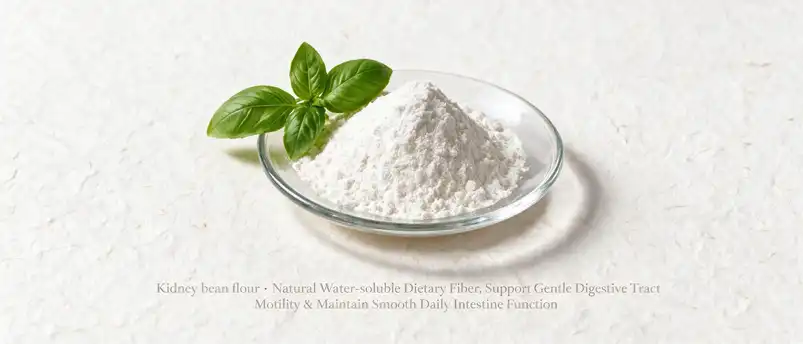
Kidney bean flour represents an exceptional plant protein ingredient for B2B formulation needs, delivering 65% protein content alongside valuable dietary fiber and resistant starch. This legume-derived powder offers manufacturers a gluten-free, nutrient-dense alternative to conventional protein sources, with excellent binding properties and moisture retention capabilities. Its naturally low glycemic index and comprehensive amino acid profile make it particularly suitable for health-focused product development, from meal replacement formulas to plant-based meat alternatives. When sourced from certified suppliers utilizing proper extraction methods, kidney bean flour provides consistent quality and functional performance across diverse applications.
Performance and Application of Kidney Bean Flour in Food Production
Functional Properties in Manufacturing
When manufacturers look for something, they want it to have certain performance traits that help production go more easily and make the whole product better. Because it can bind, Kidney bean flour helps keep the structure of plant-based meat products together. This keeps the ingredients from separating while they are being processed and stored. This trait also comes in handy when baking, since things need different ways to stay together when gluten isn't present.
Being able to keep wetness in a product makes it last longer and stay fresh, which is especially helpful for baked goods and snack foods. It's easier to work with during production because the particles are all about the same size and it flows easily. This cuts down on equipment problems and processing time. It's easy to add to drinks like protein shakes and functional drinks because it dissolves in water. The drink won't settle too much or have structure problems.
Texture improvement happens when the ingredient works with other parts of the recipe to make foods like protein bars and pasta feel good in the mouth. It has a low glycemic index because it has resistant starch. This makes it good for people who are trying to lose weight or control their blood sugar. Because these functions work together, formulators can add one ingredient and meet the needs of more than one product.
Applications Across Product Categories
In the health and fitness business, there are many kinds of chances to make new products. Food replacement shakes with complex carbohydrates and high-quality plant proteins give you energy that lasts for a long time. It has a mild flavor that goes well with many different flavors and doesn't have any bad notes like some plant proteins do.
People are looking for healthier options, so bakeries have grown to do more than what they were originally used for. By adding this flour to healthy snacks, bread, and cookies, they stay the same taste and texture but are better for you. The purpose of the ingredient helps shape growth even in low-fat recipes, which is in line with the move toward clean labels.
A growing business opportunity is functional solid drinks. It's simple to dissolve the powder, which makes ready-to-mix drinks and drinks quickly smooth. Foods made with plant-based meat replacements use these properties to make things that stick together like real meat. For example, it can be added to baby formula when gentle digestion and high vitamin density are important. It can also be added to pet food to meet the growing demand for high-quality care for pets.
Comparative Advantages in Formulation
Lots of things come into play when choosing between different protein sources for different purposes. Without the need for extensive isolate processing, Kidney bean flour's concentrated form outperforms many rivals in terms of protein content. Most of the time, this level of processing keeps more of the nutrients than highly processed isolates.
Taste is a very important part of getting people to like something. But the smell of beans is still not as strong as the green smell of pea protein or the stronger taste of soy. There are a lot of different plant proteins that can cause allergies. People who are sensitive to soy are more likely to be sensitive to kidney beans, but it's still important to read food labels carefully.
The way a product is processed, including its solubility, heat stability, and pH tolerance, can affect how well it works. Kidney bean flour is stable under normal food preparation settings. It keeps working after being mixed, heated, and cooled several times. Kidney bean flour is a good deal when you consider how much protein it contains per dollar and how affordable it is, especially when purchased in large quantities.
Procurement Considerations for B2B Clients
Global Supply Chain Dynamics
If you know about sourcing regions, you can make smart purchases that balance price, quality, and dependability. There are a lot of Kidney bean flour goods coming from China because it has a well-established manufacturing system and fair prices. The country's efforts in farming processing technology help make sure that the goods always meet the standards of other countries.
One thing that needs to be thought about in the supply chain is how raw materials are available at different times of the year. Established suppliers, on the other hand, can keep stock all year if they plan ahead. Different types of transportation are used based on how quickly and how much of the order needs to be sent. Express service from companies like DHL, FedEx, and UPS is good for samples and small, pressing orders, but the time it takes to get there can be different. Air freight can handle medium-volume, time-sensitive needs because it takes 5 to 10 business days to get from one place to another. Ocean freight is a cheap way to move a lot of things, and it can handle crates that are full or not full. The travel times are between 20 and 45 days, which is enough time to restock planned items.
Terms of trade like EXW, FOB, CIF, CFR, CPT, DAP, and DDP are adaptable enough to meet the needs of people with varying levels of risk tolerance and transportation management skills. Get the right terms for your business. This will lower the costs of landing and make it clear who is responsible for what. When you're shopping, the best way to get something quickly and cheaply is to use a combination of sea, air, and land transportation.
Certification Requirements and Product Variants
To get the right ingredients, you must first follow the rules set by the government. Getting ISO9001 certification means you have a way to keep track of quality that makes sure you always meet production standards. Brands that want to sell to religiously specific groups of people can get more users with the help of Kosher and Halal approvals.
When a plant is registered with the FDA, they promise to follow US food safety rules. This is a very important step for getting into the US market. Good manufacturing practices (GMPs) are used when a product is certified. Some of these are planning the building, keeping the tools in good shape, teaching workers how to do their jobs, and keeping records. All of these certificates lower the risk for regulators and make it easier for customers to do their research.
The different types of products chosen are based on how they will be manufactured and where they will be sold. Organic certification is good for high-end items that cost more but appeal to certain types of customers. Consumers want farming engineering to be open and honest, and verifying non-GMOs meets those needs. When you want to save money and don't need organic claims, regular options are better.
Pricing Trends and Supplier Evaluation
Ingredient prices are affected by the cost of goods, the time it takes to handle them, and the pressure from other businesses. Most of the time, the price per unit goes down when you buy more. Prices often go down after 100 kg, 500 kg, and 1000 kg. The prices are set by the size of the provider, since bigger businesses can get better deals on raw materials and handle them faster.
There are ways to make sure that you can always get a product at a good price and that the market will not change for a long time. But making those kinds of promises means having faith in your ability to predict demand and in the reliability of your providers. When people buy things on the spot, they have more options, but they also run the risk of prices changing and supply problems.
To get the total landing cost, you need to know not only how much the goods cost, but also how much it costs to ship them, pay import taxes, check the quality, and keep the supplies on hand. You might spend more in the long run if the quality is bad, the shipping is late, or there isn't good technical help, even if the price is lower at first. You can lower the risk of working with a new supplier by asking for samples before placing large orders. This way, you can test the formula and make sure of the quality.
Quality Assurance and Supplier Selection
Critical Quality Indicators
If you want to find providers you can trust, you need to look at more than just basic credentials. When the product is the same from batch to batch, the recipe and expected qualities of the final product are stable. You can see that the protein content, moisture levels, bacterial quality, and heavy metal contamination are all different when you ask for reports of analysis for freshly made lots.
The way something works in different situations is affected by the particle size range. The best specs are those that stay between 80 and 120 mesh. Because HPLC proof is more accurate than less advanced methods, testing methods must be clear. You should make sure that the solubility requirements are right for the job. For instance, goods that dissolve in water are needed for use in drinks.
People are more likely to buy finished goods that look good, which includes how the colors look and how they smell. Quality doesn't go down during distribution and storage as long as stable storage conditions are met. Giving specific Kidney bean flour data from suppliers shows that they know their stuff and care about quality, which is important for making relationships that last.
Supplier Performance Assessment
There are more things than just the quality of the products that affect how well a relationship works. Shipping rates that are on time, orders that are correct, and quick touch during the buying process are all parts of a supply chain that is reliable. When there isn't enough stock, production doesn't stop, and wait times are always met and made clear.
We need quick customer service when we have tech questions or issues that need to be fixed. Suppliers who give detailed datasheets and help with formulation make it easier to make new goods and get them on the market more quickly. Our low minimum order size of 1 kg makes it easier to do the first test, and our minimum order sizes are flexible enough to accommodate both small-batch tests and large-scale production.
Payment terms help you keep track of your cash flow and lower the risk for your supplier at the same time. For many international deals, bank transfer (T/T) is best. However, if you already know the other person, you may be able to get better terms. If you know how much you can make, you can tell if your sellers can grow with your business. To keep the market from stopping to grow, you can avoid supply problems in this way.
Building Strategic Supplier Relationships
For long-term success, you need to stop buying things one time and start building relationships where people work together. Sharing plans for new products and estimates of how many will be sold helps sellers plan their capacity and buy raw materials ahead of time, which lowers the risk of supply problems. Regular communication keeps relationships healthy and finds problems early, before they get in the way of activities.
Quality feedback loops help sellers understand exactly what you want and how well they should do it. When you talk about problems or ways to make things better in a positive way, you help everyone understand each other better and grow. When you can, going to the factory to see how things are made, how quality is controlled, and how the business runs as a whole is very helpful.
Dual-sourcing is a way to get the best of both connection depth and supply security. Being dependent on one provider is less likely if you have more than one, but if you spread your amounts too thin, you might miss out on economies of scale and relationship investment. Strategic source consolidation for key items makes processes better and builds relationships by getting people to promise to buy more.
Potential Side Effects and Risk Management in Product Development
Allergenicity and Sensitivity Considerations
Knowing about possible allergies helps you put the right labels on things and lower the risk of harm. If you live in the US, Kidney bean flour products are not a big allergen. However, some people are allergic to legumes. Even though it doesn't happen as often as with soy or peanut allergies, it is still possible to react with other bean allergies.
When the labels are done right, it's easy for picky eaters to tell what kind of kidney beans are inside. To keep products from getting mixed up, factories that use a lot of them should set up allergy control programs. Allergens can't get into the air by chance when there are dedicated production lines or strict cleaning rules between runs.
People absorb foods in different ways, and some people have stomach problems after eating beans. The amount of antinutritional factors in beans is lower when they are handled properly, such as when they are soaked, cooked, or removed. This helps the flour break down better than whole beans.
Anti-Nutritional Factors and Mitigation
The lectins and phytates in raw kidney beans can make it harder for the body to receive nutrients if they are eaten without being properly cooked. Spray drying and sterilization both use heat to lower the activity of lectins by a large amount. This makes the food safer and easier to digest. Product developers should keep these things in mind, though, when they make apps that don't need much processing.
It is possible to make nutrients even more bioavailable by mixing things that work well with each other. Phytate is made less in baked goods when they are fermented, and adding vitamin C sources makes it easier for the body to receive iron. It's more difficult and costs more, but enzyme treatments are more advanced ways to process food that break down things that are bad for you.
Getting people to understand how to properly make and serve foods is an important part of making sure they get enough protein. The nutrition facts on food labels should be correct and based on tests, not computer numbers. This will keep the rules in place and protect the rights of customers.
Regulatory Compliance Standards
It is important to know the rules in each state if you want to work in a regulatory setting. FDA rules in the US say what kinds of health claims can be on food labels and how they should be made. Using standard name rules to list ingredients correctly keeps food from breaking the law and keeps customers from getting lost.
Lab tests are the only way to make sure that nutrition labels really show what the food is made of. Health claims about structure-function claims must be backed up by solid proof that meets FDA standards. Pre-market approval is needed for claims that are more general. To make it easy to move goods across countries, you need things like health certificates, customs reports, and certificates of origin.
Rules in the European Union are different from rules in the United States when it comes to new foods, chemicals, and labels. The risk of not following the rules is lower when you work with regulatory experts or ingredient sellers who have done it before and know what the target market wants. It also speeds up the time it takes to get into the market.
Conclusion
Kidney bean flour is a great source of plant-based protein that can be used in a variety of ways to make foods that are healthier and more versatile. With 65% protein, fiber, resistant starch, and important micronutrients, this one item meets a lot of nutritional needs. Functional features like binding, keeping moisture, and improving texture can raise the quality of a wide range of products, from plant-based foods to meal replacements. If you want strategic procurement to work, you need to look at things like certifications, how reliable the supply chain is, and total costs. You should also build relationships with suppliers that let you work together. Health markets are very competitive, so making sure that things are safe, ready to sell, and up to code by following the rules and handling them correctly is important.
FAQ
1. Is kidney bean flour truly gluten-free for celiac-safe products?
Kidney bean flour doesn't naturally contain gluten, so it can be used in gluten-free recipes as long as they are made in special places or with stringent food safety regulations. Check the supplier's credentials and ask for proof that the gluten wasn't mixed in with other ingredients while the food was being processed and packed. Testing for gluten by a third party gives sensitive applications extra peace of mind.
2. How does kidney bean flour compare to pea protein in baking applications?
Kidney bean flour has a softer taste that goes well with both sweet and savory foods without adding any green notes. Both can be used to make gluten-free dough. It has 65% concentrated protein, which is more than normal pea flour and less than pea protein isolates. Which items are best is based on how well they work in your specific recipe.
3. Where can I source bulk quantities of kidney bean flour for commercial production?
BioSpark and other well-known ingredient makers and suppliers offer large amounts. For testing, the minimum order is as little as 1 kg, and for production, it can be up to 25 kg drums or more. Before you choose a supplier, make sure they have the right credentials, quality documentation, technical support, and logistics skills to meet the needs of your business and place you in the market.
Partner with BioSpark for Premium Kidney Bean Flour Solutions
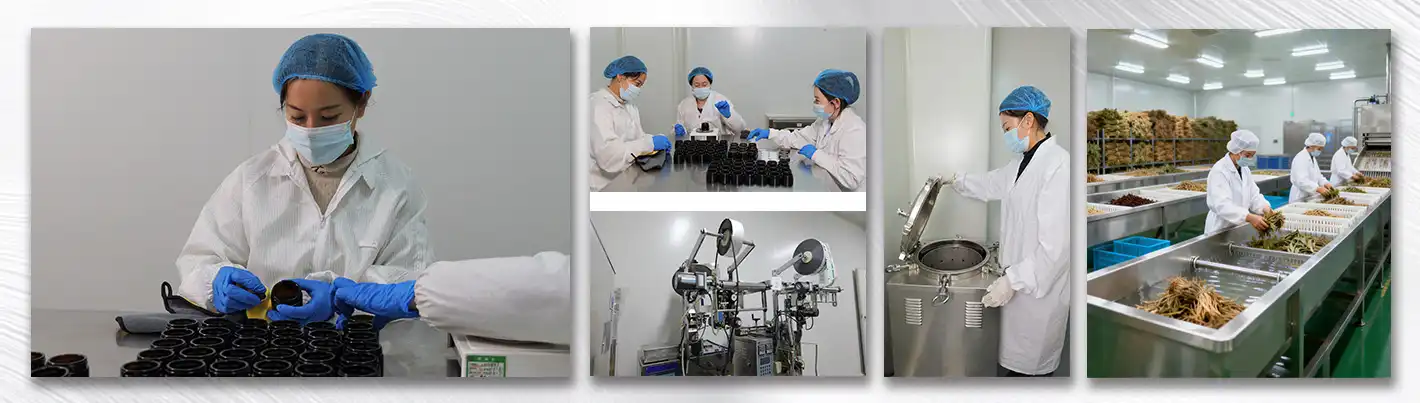
BioSpark (Xi'an) Biotechnology is ready to support you on your product development journey with premium Kidney bean flour made to exacting standards. As an expert Kidney bean flour supplier, we can say that our flour has a 65% protein level, which has been proven by strict HPLC testing. A lot of different organizations have approved our goods, including ISO9001, Kosher, Halal, FDA, and GMP. There are enough options for us to make things that can be used for both small-batch customization and mass production. Our minimum order is only 1 kg, which makes trying new recipes easy. We can meet your dates because our terms can be changed from EXW to DDP, and we keep enough stock to make sure your goods arrive quickly by express, air freight, or sea freight. Send an email to leao@biosparkcn.com to get examples, detailed datasheets, and quotes that are made to fit your needs and quality standards.
References
1. Messina, V. (2016). Nutritional and health benefits of dried beans. American Journal of Clinical Nutrition, 103(3), 738-746.
2. Phillips, R.D. & McWatters, K.H. (2017). Functional properties of legume proteins for food ingredient applications. Journal of Food Science and Technology, 54(5), 1289-1302.
3. Boye, J., Zare, F., & Pletch, A. (2010). Pulse proteins: Processing, characterization, functional properties and applications in food and feed. Food Research International, 43(2), 414-431.
4. Campos-Vega, R., Loarca-Piña, G., & Oomah, B.D. (2015). Minor components of pulses and their potential impact on human health. Food Research International, 43(2), 461-482.
5. Siddiq, M. & Uebersax, M.A. (2013). Dry Beans and Pulses: Production, Processing and Nutrition. Wiley-Blackwell Publishing, Oxford, UK.
6. Tharanathan, R.N. & Mahadevamma, S. (2003). Grain legumes: A boon to human nutrition. Trends in Food Science & Technology, 14(12), 507-518.

Send Inquiry
Related Industry Knowledge
- Is Loquat powder the Right Choice for Your Next Product Line?
- What is Holy Berry powder used for in Herbal Supplements?
- Is Coconut Milk Extract Powder More Cost-Effective Than Canned?
- Is Coconut Milk Extract Powder More Cost-Effective Than Canned?
- Is Coconut Milk Extract Powder More Cost-Effective Than Canned?
- Is Coconut Milk Extract Powder More Cost-Effective Than Canned?
- Is Coconut Milk Extract Powder More Cost-Effective Than Canned?
- Is Coconut Milk Extract Powder More Cost-Effective Than Canned?
- Is Coconut Milk Extract Powder More Cost-Effective Than Canned?
- Is Coconut Milk Extract Powder More Cost-Effective Than Canned?
- Is Coconut Milk Extract Powder More Cost-Effective Than Canned?
- Is Coconut Milk Extract Powder More Cost-Effective Than Canned?
- What Is the Difference Between Spirulina Extract Tablets and Chlorella?
- How Effective Is Mimosa Root Bark Extract in Modern Formulas?
- Can Pomegranate Peel Extract Powder Boost Your Antioxidant Power?
- How to Use Ilex Leaf Extract in Supplements?
- Does Hydrolyzed Rice Extract Strengthen Hair Fibers?
- Does Hydrolyzed Rice Extract Enhance Product Absorption?
- Can Oyster Shell Extract Powder Improve Immune Function?