_1764041963888.webp)
How to Source ISO-Certified Natural Blueberry Extract Powder in Bulk?
Jul 23, 2026
If you want to buy natural blueberry extract powder in bulk that is ISO-certified, you should pay close attention to the product specs, the seller's honesty, and the certifications. If you buy in bulk, you should give sellers with ISO9001, GMP, and FDA certifications more weight to make sure the quality is uniform and the rules are followed. Manufacturers you can trust give you a lot of information, like HPLC test results that prove the anthocyanin content, which is usually set at 25%, and records of how each batch was made. To find cheap and easy-to-keep track of ingredients for making supplements and health products, look at the minimum order quantities, delivery options like FOB or DDP, and OEM/ODM capabilities.
Understanding the Importance of ISO-Certification in Natural Blueberry Extract Powder
What Is Natural Blueberry Extract Powder?
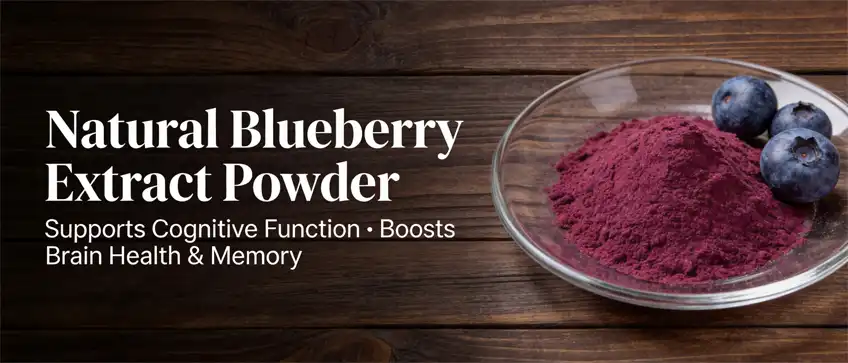
If you want to use natural blueberry extract powder, you can get it from fresh blueberries and current plant extraction methods. As a fine, dark purple-red to blue-purple powder, the fruit's medicinal chemicals are kept. These include the powerful antioxidants anthocyanins. During the extraction process, supercritical extraction and membrane separation are used to get rid of impurities and keep nutrients that can't handle heat. In contrast to synthetic alternatives, this natural extract is better absorbed by the body and still has the unique sweet-sour blueberry smell. Being a powder, it stays stable and mixes well with water, which makes it ideal for use in natural dyes, functional drinks, food supplements, and skin care products. Anthocyanins, flavonols, phenolic acids, and resveratrol make up 15–25% of blueberry extract ingredients in standardised products. All of these work together to help keep your eyes, brain, and heart healthy.
Why ISO Certification Matters for Bulk Buyers
ISO certification is a key way for people who work in the botanical extract business to make sure the quality of their products. If you want to buy a lot of blueberry anthocyanin powder, look for a company that has ISO9001 certification. This shows that the company is committed to keeping consistent quality control systems throughout all of its production processes. Standardisation makes sure that every batch meets certain standards for how safe, clean, and useful it is. ISO-certified labs use High-Performance Liquid Chromatography (HPLC) to ensure that the amounts of active ingredients are correct. This gives procurement teams the correct data that they can keep track of. The certification makes it less likely that the final product will not work as well because of contamination, adulteration, or differences between batches. Following ISO rules is the same in North America, Europe, and Asia as following rules from other countries. These changes make it easier to trade and lower the legal risks. When selling to health-conscious people who want to know more about where goods come from and how products are made, having approval proof makes your brand seem more trustworthy.
Key ISO Standards Relevant to Botanical Extracts
Several ISO standards decide how safe and how good blueberry fruit extract powder is. There are systems in place to make sure that food is safe at every stage of the supply chain, from getting the raw materials to the end of packing. These systems are called ISO22000. The ISO/IEC 17025 license proves that the lab knows the right way to test and measure things. This makes sure that the flavonoid content test results are right and can be used again. With GMP (Good Manufacturing Practice) approval, you follow strict rules for keeping things clean, training employees, and fixing things on a regular basis. These rules go along with ISO standards. When all of these certificates are put together, they form a full quality system that keeps bulk buyers from getting low-quality materials that could hurt the product's image or break the law.
Key Factors to Consider When Sourcing Natural Blueberry Extract Powder in Bulk
Product Specifications and Quality Parameters
It is very important to pay close attention to the technical details when you compare different blueberry extract providers. The most important sign of quality is the amount of anthocyanin present, which is usually set at 25% and checked using HPLC. Besides how well it works, you should also check the particle size. The particle size is usually between 80 and 120 mesh, and it affects how well it runs and mixes with other ingredients. It's very important to know how to dissolve things. Drinks work well with extracts that dissolve easily in water, but they can also be used in other ways with extracts that dissolve slightly in ethanol. The fact that the colour stays the same, going from dark purple-red to blue-purple, means that the food was processed and stored correctly. Ask for specific certificates of analysis (COA) that list the amount of heavy metals, bacteria, herbicides, and chemicals that are still present. This will help you make sure you're following FDA rules and foreign standards. Find the difference between blended formulations and pure extracts. Natural blueberry extract powder. Some suppliers water down active ingredients with carriers like maltodextrin, which changes how much to use and what the label says. It's important to know these technical details so you can pick ingredients that will help you reach your recipe goals and meet the needs of your target market. When suppliers let brands change the specs of their products, it shows that they are flexible in how they make them, which is helpful for brands that want their products to stand out.
Essential Certifications Beyond ISO
There are basic quality standards set by ISO certification. Getting more certifications can help a supplier's reputation and open up more markets for them. Approvals for Kosher and Halal make it possible for goods to be sold in more places, like speciality stores and foreign markets where people follow strict religious diets. Signing up with the FDA is not the same as getting approved, but it does show that you understand what the US rules say and are ready to follow them. It costs more to get organic approval, but people who care about the earth want it, and it meets the standards for marketing organic goods. Approval for Hazard Analysis and Critical Control Points (HACCP) shows that risks to food safety are found and managed during production. When you look at a supplier's qualifications, make sure the certificates are still good by visiting the websites of the groups that gave them and asking for new paperwork instead of old ones.
Pricing, MOQs, and Logistics Considerations
How much blueberry powder extract you order, the amount of anthocyanins, the licensing rules, and the state of the market will all affect the price. Based on how pure and certified organic the food is, prices range from cheap to expensive. Most of the time, the smallest amount you can buy is 1 kg, and the largest amount that can be packed in nitrogen-protected bins is 25 kg. When you buy more than 500 kg, you can get big savings. Working with manufacturers who have flexible MOQs is good for both new businesses trying out new recipes and established businesses making more. A lot of what the total landed costs are depends on how the goods are delivered. When you buy something FOB (Free on Board), the buyer pays for the shipping. When you buy something DDP (Delivered Duty Paid), the buyer pays for everything up to your building. CIF, which stands for Cost, Insurance, and Freight, is a good middle ground. How quickly you need it and how much you can spend should help you decide on a shipping method. For small, urgent orders, express delivery is best. For medium-sized amounts, air freight is the best combination of speed and cost. For large shipments over 1000 kg, sea freight is the most cost-effective option. Bank transfer (T/T) is generally the best way to pay. For new relationships, you'll need to put down a payment, but as those relationships grow, you'll get better terms. Know how long you have to wait, how much stock is available, and how to get more supplies in case the main ones run out.
Step-by-Step Procurement Process for ISO-Certified Natural Blueberry Extract Powder
Defining Your Technical Requirements
The first step to good buying is being clear about what you need. Find the right amount of anthocyanin based on what the label says and the health benefits you want. More than 25% is usually fine for most food supplements, but bigger amounts are better for restorative formulas. Make sure that the ranges you choose for wetness, ash, and particle size distribution work with the tools you have and the shape you want the product to have. Set limits on microbes, heavy metals, and chemicals that must be screened, that are in line with the rules of the market you want to reach. Make a list of the extraction solvents you want to use. Chemical solvents aren't always better than water or ethanol-based extraction methods. Describe the packaging you need. Nitrogen-flushed aluminium drums may be better for applications that need to avoid oxidation than regular containers. On the other hand, regular containers may be better for products that need to be changed quickly. It's easier to talk to suppliers and get accurate quotes when you write down detailed technical specifications. Getting ready ahead of time helps you avoid making mistakes and redoing recipes that cost a lot of money.
Identifying and Vetting Potential Suppliers
To find people who might make blueberry extract, you can look through trade shows, industry directories, and professional networks. Priority should be given to suppliers who have legal certificates, have been in business for more than five years, and have a list of clients that includes well-known names. Ask for reports on facility audits, certifications, and the names and numbers of current customers who work in related fields. Check to see how interested and informed the seller is in the beginning talks. Most of the time, it's better to form long-term relationships with suppliers who can give you specific information about how they extract the product, how they check the quality, and how open the supply chain is. Have a look at where the item is made. Low prices and a lot of production capacity can be found in China. Standards are always met thanks to strict quality control by well-known makers. Check out OEM and ODM if you need private branding, custom formulas, or packing that is a little different. As a first step, make a list of three to five candidates who meet your standards for communication, capacity, and certification.
Sample Testing and Quality Verification
Don't agree to buy in bulk until you've looked at a full sample. Ask for examples that come with up-to-date lab reports that show the anthocyanin content through HPLC and also results from tests for microbes, heavy metals, and pesticides. Send proof samples to labs that are not connected to you. Compare the results to the paperwork the seller gave you to make sure the information is correct and easy to understand. When doing the organoleptic test, you should look at how consistent the powder is in terms of colour, smell, and structure. It is important to test the solubility in the conditions of your unique recipe, since how it acts in the lab might not be how it acts in real life. If your product category needs to have a long shelf life, test its stability in conditions that speed up ageing. In the long run, it will save you a lot of money to test samples carefully before buying a lot of stock. If what the seller says and the results of a separate test don't match up, the seller should either be given more time to explain themselves or be taken out of the race.
Negotiating Terms and Ensuring Compliance
Talk about prices, payment terms, and arrival times once you have good proof data. Ask for different price levels based on how much you want to buy, and talk about long-term supply agreements that keep prices stable even if the market changes. Make it clear what the guarantee covers in terms of problems with the product or not meeting the specs, as well as how to get a new one. To make sure quality, you should set rules for things like batch testing, acceptable quality levels (AQL), and how to settle disagreements. If you're working on secret recipes as part of an OEM deal, write down the intellectual property rights. Make sure that the rules for importing in your country are known and followed. Making sure you have the right paperwork, such as phytosanitary certificates, certificates of origin, and customs classification codes, is part of this. First, talk to customs brokers to find out about duty rates, restrictions on imports, and when paperwork is due. This will help you keep your shipment on schedule.
Logistics Coordination and After-Sales Support
Plan your shipments so that they don't get in the way of your production. Take extra time to get the things through customs and make sure they are of good quality once they get there. Set standards for packing that will keep the quality of the product while it's being shipped. For instance, drums that are flushed with nitrogen keep goods from going bad during long shipping times. For routes that are affected by weather, set up transportation that can keep the right temperature. Set clear rules for how to talk to each other about tracking shipments, making sure they've been delivered, and handling problems. Before the materials are sent to production, they should be checked for quality when they arrive to make sure they meet the needs. Check to see how quick the supplier is to answer questions, help with technical issues, and process reorders after delivery. Great sellers stand out from transactional ones because they offer strong support after the sale. This also helps relationships last for a long time.
Comparison of Natural Blueberry Extract Powder Options for Bulk Buyers
Natural vs. Synthetic Extracts
Using natural blueberry extract powder from plants instead of man-made anthocyanin compounds is better. There are many kinds of phytochemicals in natural products, such as flavonols, phenolic acids, and proanthocyanidins. The products are more soluble and useful when these phytochemicals are used together than when they are used alone. People really like natural products, and studies have shown that they are willing to pay more and stick with brands that make vitamins from natural sources. Regulators are paying more attention to synthetic additives, while natural products don't have as many naming rules and bad views. Even though synthetic alternatives might be less expensive, they aren't as good for your health or your business. Blueberries still can't be made in a lab that smells and tastes like real ones. This means they can't be used in foods and drinks where taste and smell are important.
Organic Certification Impact on Sourcing Decisions
Blueberry extract that is organic costs 20–40% more than regular blueberry extract, but it lets you get into the fast-growing market for organic vitamins. In order to get certified, you have to show proof that the farm uses organic methods, that only certain chemicals are used during extraction, and that the building is kept separate so that organic and non-organic products don't mix. Organic certification is needed for buyers who want to put their goods in high-end stores, health food stores, and with people who care about the environment, even though it costs more. Check to see if the fact that the people you want to buy from you are willing to pay more makes the cost of getting certified worth it. Organic products can help brands that care about the environment and sustainability, but consumers who are looking to save money might value regular strength more than organic approval.
Powder vs. Liquid Extracts and Juice Powders
Pulverised extracts can be used in more ways and last longer than juice or liquid extracts. They are also easier to ship. Active ingredients that are packed into a powder form take up less space and cost less to ship each unit. Because blueberry juice powder has more sugar and less anthocyanin, it needs to be made in larger amounts for each dose. This makes it more expensive and harder to make capsules or tablets. You can believe the health claims on the package because standardised extract powders always have the same amount of anthocyanin. Sometimes, like when you're making medicine, liquid extracts work well, but they need to be kept fresh and can become unstable after being stored for a long time. People who buy in bulk and care most about price, quality, stability, and ease of production usually choose standardised powdered extracts over other options.
How to Build Trust and Establish Long-Term Partnerships with ISO-Certified Suppliers
Key Attributes of Reputable Blueberry Extract Suppliers
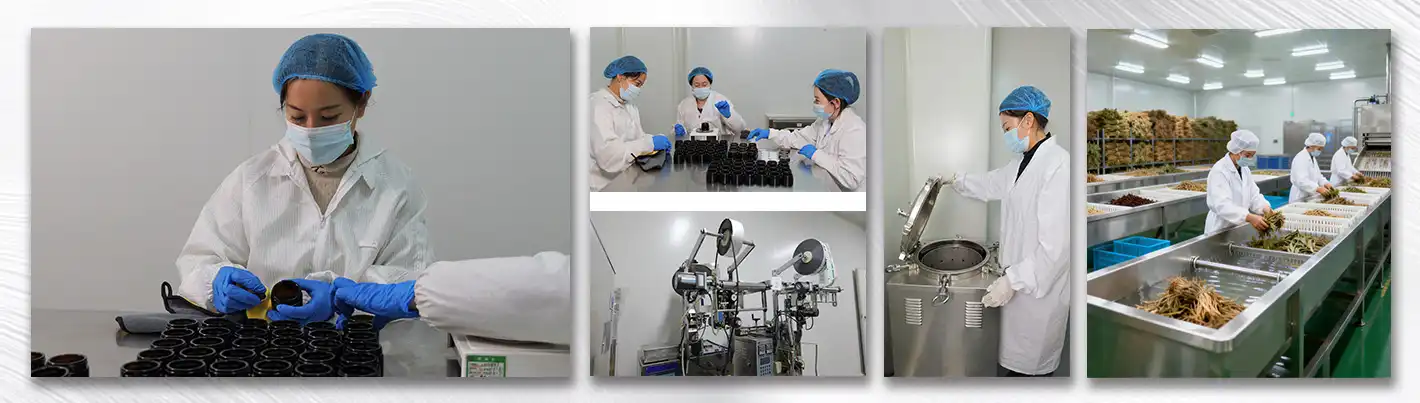
Some of the best providers show they care about quality by investing in new labs for testing, quality control systems, and extraction technology. You should look for businesses that have approved buildings and written standard operating procedures (SOPs) that say how to check the raw materials, keep an eye on the process while the products are being made, test the finished goods, and let people know when they're ready to be sold. A lot of different types of businesses work with well-known service providers. This shows that they can make a lot of different products and earn your trust. If a company offers private labelling, it means they want to help your brand grow instead of going up against it in stores. Extra value is added by technical support teams that help with planning, stability testing, and regulatory advice. Stable finances and enough production capacity make sure that there is always enough, even if demand changes or there are issues in the supply chain that affect smaller manufacturers.
Transparency and Communication Best Practices
Suppliers who are open and honest give quality data, certificates, and group documents without being asked more than once. Set up rules for how to talk to people that say how long it will take to answer technical questions, update people on the status of their orders, and deal with quality issues. Set up site visits or video tours of the building to see how clean it is, how well the equipment is kept up, and how well the staff is trained. Talk about tools that can keep track of the whole supply chain, from where the raw materials come from to where the finished goods are sold. Partners who are open and honest quickly admit when there are issues with the work and fix them instead of avoiding responsibility. Business reviews that talk about how to measure success, market trends, and ways to make things better together regularly make connections stronger than just business deals.
Leveraging References and Industry Reputation
Before you sign a contract with a supplier, you should call the references they give you and ask specific questions about how consistent their quality is, how quickly they respond to messages, how they solve problems, and how reliable their deliveries are. See if someone is mentioned in trade journals or online groups for their field. This will show you how well-known they are among their peers. Check to see how involved the company is in groups related to your industry and how well it adheres to quality standards that go beyond what the law requires. People who buy from a seller are more likely to trust them if they can show them case studies of long-term ties that work well with well-known brands. If a supplier won't give you references or doesn't have any real customer reviews, you should be wary. When things aren't clear, it's often a sign that problems are coming. You can work with BioSpark in North America, Europe, Southeast Asia, and the Middle East because they always provide top-notch plant products with full certifications and quick technical help. Our customers like that they can keep track of each batch from the time the raw materials are delivered to the time they are used.
Conclusion
If you want to buy a lot of ISO-certified natural blueberry extract powder, you should carefully read the certifications, technical specs, source credentials, and shipping plans. To be successful, you need to find a balance between cost concerns and quality standards. You also need to set up clear lines of communication that support partnerships that last a long time. For trustworthy supplement brands, it's important to choose suppliers with full certifications like ISO9001, GMP, and FDA registration. This makes sure that they follow the rules and give consistent quality. Very strict sample testing, independent proof, and checking references all help protect the brand's image and the money spent on purchases. As more people look for natural health products that really work, you will need to find reliable sources of standardised blueberry anthocyanin powder to keep your business going on the market. The process of buying is an investment in quality principles that support how well the product works, how happy the customer is, and how it stands out in supplement markets that are getting more and more crowded.
FAQ
What is the typical recommended dosage for blueberry extract in supplements?
Clinical studies typically employ dosages ranging from 300-600 mg daily of standardised blueberry extract containing 25% anthocyanins, equivalent to 75-150 mg of active anthocyanins. Supplement formulations adjust serving sizes based on concentration levels and health claims. Eye health products often use 160-480 mg daily, while cognitive support formulations may reach 500 mg. Always consult formulation guidelines and regulatory requirements for your target market when establishing dosage recommendations.
Are there potential side effects or safety concerns with blueberry extract?
Blueberry extract demonstrates excellent safety profiles with minimal reported adverse effects. Occasional mild digestive discomfort may occur at very high doses exceeding typical supplement levels. Individuals taking anticoagulant medications should consult healthcare providers, as high anthocyanin intake may theoretically affect blood clotting. Allergic reactions remain rare but possible in individuals sensitive to berries. Quality extracts from reputable suppliers following GMP protocols minimise contamination risks, ensuring consumer safety.
How do anthocyanin levels compare between fresh blueberries and extract powder?
Fresh blueberries contain approximately 0.1-0.5% anthocyanins by weight, while standardised extract powder concentrates these compounds to 25%, representing a 50-250-fold increase. This concentration enables effective dosing in convenient capsule or tablet formats without requiring impractical quantities of fresh fruit. A single 500 mg capsule of 25% standardized extract delivers anthocyanins equivalent to 250-1,250 grams of fresh blueberries, depending on fruit variety and ripeness, making supplementation practical for consistent therapeutic intake.
Partner with BioSpark for Premium Natural Blueberry Extract Powder Supply
BioSpark (Xi'an) Biotechnology Co., Ltd. stands as your trusted natural blueberry extract powder supplier, offering ISO9001, GMP, Kosher, Halal, and FDA-certified products manufactured through advanced plant extraction technology. Our 25% anthocyanin standardised extract delivers exceptional quality with comprehensive batch documentation, flexible MOQs starting at 1 kg, and full OEM/ODM customisation supporting your brand development. We maintain sufficient inventory enabling rapid delivery via express, air, or sea freight with terms from FOB to DDP matching your logistics preferences. Our technical team provides formulation support, stability testing guidance, and regulatory consulting throughout product development. Contact us at leao@biosparkcn.com to request samples, obtain competitive bulk pricing, and discover how our full-process support transforms your sourcing experience into a strategic partnership focused on quality, reliability, and mutual growth in competitive wellness markets.
References
1. Smith, J.A., & Thompson, R.L. (2022). Quality Assurance in Botanical Extract Manufacturing: ISO Standards and Best Practices. Journal of Nutraceutical Quality, 18(3), 145-162.
2. Martinez, C.D., et al. (2021). Anthocyanin Stability and Bioavailability in Standardised Blueberry Extracts: Analytical Methods and Quality Control. Phytochemistry Reviews, 20(4), 789-812.
3. Zhang, W., & Chen, Y. (2023). Global Supply Chain Management for Plant Extracts: Certification, Traceability and Risk Mitigation Strategies. International Journal of Food Science & Technology, 58(2), 456-471.
4. Anderson, K.M. (2022). Comparative Analysis of Natural versus Synthetic Anthocyanins in Dietary Supplements: Consumer Preferences and Regulatory Considerations. Nutrition Business Journal, 27(5), 34-48.
5. Peterson, L.R., & Williams, S.T. (2021). Procurement Best Practices for Nutraceutical Ingredients: Due Diligence, Quality Verification and Supplier Partnership Development. Journal of Business & Industrial Marketing, 36(8), 1234-1251.
6. Liu, H., et al. (2023). Health Benefits and Applications of Blueberry Anthocyanins: From Traditional Use to Modern Functional Foods. Critical Reviews in Food Science and Nutrition, 63(12), 2145-2168.

Send Inquiry
Related Industry Knowledge
- What is Holy Berry powder used for in Herbal Supplements?
- Maqui Berry Powder for Eye Health: Dry Eye & Retinal Protection
- Maqui Berry Powder for Eye Health: Dry Eye & Retinal Protection
- Maqui Berry Powder for Eye Health: Dry Eye & Retinal Protection
- Maqui Berry Powder for Eye Health: Dry Eye & Retinal Protection
- Maqui Berry Powder for Eye Health: Dry Eye & Retinal Protection
- Maqui Berry Powder for Eye Health: Dry Eye & Retinal Protection
- Maqui Berry Powder for Eye Health: Dry Eye & Retinal Protection
- Maqui Berry Powder for Eye Health: Dry Eye & Retinal Protection
- Maqui Berry Powder for Eye Health: Dry Eye & Retinal Protection
- Maqui Berry Powder for Eye Health: Dry Eye & Retinal Protection
- What Is the Market Outlook for Tanshinone Danshen Extract Powder?
- Miltiorrhiza Root Extract Powder Uses: What Is It Good For?
- Is Chinese Cabbage Powder Good for Instant Drinks?
- Angelica Sinensis Extract Powder: Premium vs Standard Extracts
- Can Cistanche Extract Powder Improve Circulation Naturally?
- Cistanche Extract Powder: Key Benefits and Uses Explained
- Why Chamomile Extract Is a Top Natural Antioxidant?
- Mimosa Root Bark Extract in Premium Skincare Lines