How to Choose Quality Sophora Japonica Flower Extract?
Oct 31, 2026
Choosing quality Sophora japonica flower extract starts with knowing what to look for: standardized rutin content (typically 95%+ by HPLC), a verified extraction process using food-grade ethanol and purified water, and third-party lab testing for purity and heavy metals. Reputable suppliers provide full documentation including Certificates of Analysis (COA), GMP certification, and batch traceability records. Whether you're formulating dietary supplements, dermacosmetic serums, or functional beverages, the right sophora japonica flower extract should meet your application's pH stability, solubility, and bioactivity requirements before any bulk order is placed.
Understanding Sophora Japonica Flower Extract and Its Market
What Is This Extract and Where Does It Come From?
Sophora japonica flower extract is made from the dried buds and flowers of Typhnolobium japonicum, which is also called the Japanese pagoda tree. It is a very pure plant product. A bioflavonoid called rutin (Quercetin-3-rutinoside) is mostly checked for in the extract. It is known as the best natural source of vitamin P for industrial use. The level of rutin can be anywhere from 20% to 98% or more, depending on the grade. One of the most important things to look for when you buy something is standardization.
Key Bioactive Compounds and Their Functions
The main chemicals in pagoda tree flower extract that make it work are rutin and quercetin, which is a form of rutin. Rutin helps keep the walls of capillaries strong and the blood flowing. Quercetin lowers inflammation and changes the immune system all over the body. These two chemicals are very different from one another. There is a difference between rutin and quercetin. Rutin dissolves better in water and is better for vascular health. There was a review in Molecules in 2020 that said rutin had antioxidant activity that could be measured in a number of in vitro models.
Market Challenges Buyers Should Know
Plant products are becoming more popular around the world, but getting them comes with some risks. There are a lot of problems that happen, like rutin levels that change from batch to batch, labels that aren't clear or can't be trusted, and using older plant material instead of the original. When these differences happen, they can be hard for businesses that buy in bulk, like health supplement companies and nutritional wholesalers. This could mean that new products don't work or that regulations get in the way. The first thing that will help you decide what to buy is to learn these facts about the market.
Core Criteria to Evaluate Quality Sophora Japonica Flower Extract
Purity Standards and Testing Methods
There are different ways to test. When you use UV-VIS spectroscopy to measure total flavonoids, you get numbers that are usually higher but not as detailed. A method known as HPLC (High-Performance Liquid Chromatography) gives a clear picture of rutin and shows quercetin contamination that happens when rutin breaks down. People who want to buy sophora japonica flower extract should always ask for COAs that have been checked by HPLC. The amount of rutin in food may be 20 to 80%, but the amount in medicine is generally at least 95%. For the formula to be more solid, make sure the seller keeps an eye on how fast it breaks down. Too much quercetin can do this.
Extraction Method and Its Impact on Quality
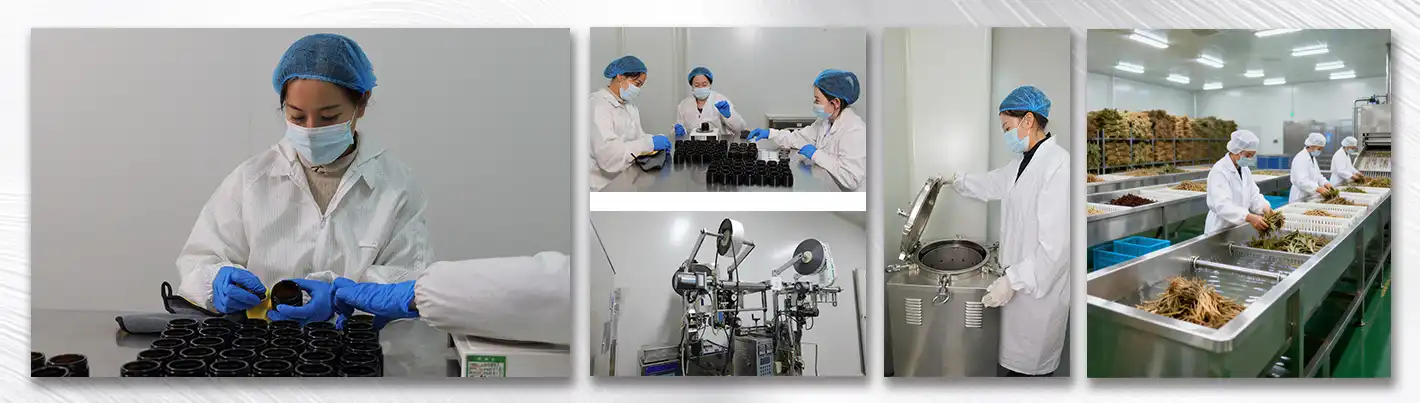
What kind of bioactivity and shelf life the extract has depends on how it was made. At BioSpark, we use a tested mixture of clean water and food-grade ethanol. This keeps the rutin pure and lowers the chance of chemicals being left over. Water-only extractions don't work as well, and methods that only use clean solvents raise safety issues when used with food. Raw rutin doesn't mix well with water when used to make things. You could use cyclodextrin packaging technology or water-soluble rutin derivatives to fix this.
Physical Form and Packaging Considerations
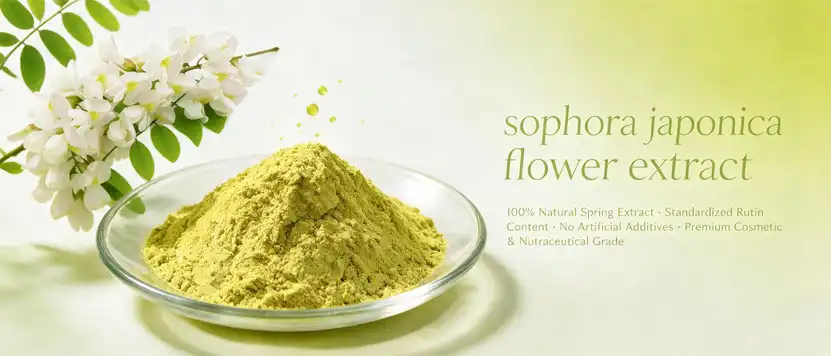
Sophora japonica flower extract is usually sold as a fine yellow powder, but there are also liquid solutions that can be used for some jobs. Powder stays fresh longer, is easier to dose, and is simpler to ship. Making sure the extract is properly packed in two layers of food-grade PE bags inside fiber drums is important to keep it safe from damage from light and water. If you store it the right way, the extract will last up to 24 months. People who want to buy something should read the terms and conditions on the package carefully before signing the contract.
Comparing Sophora Japonica Flower Extract Options in the Market
Pure Extracts vs. Blended Formulations
You can change the amount and makeup of pure sophora japonica flower extract. When rutin is mixed with Vitamin C or other plant-based actives, they can work together to help blood vessels heal. This is especially true when used for medical reasons to support veins. There is a greater chance that mixes will be mucked with, though. It's harder to find reduced active ingredient amounts without HPLC testing, and adding things to your product that you don't say anything about can mess up your claims or the way the law sees it. When you're doing business with other people, the best place to start is with pure extracts that have been tested and shown to be safe.
Certification Requirements You Should Not Skip
If you really want to buy something, you need to get certifications from the dealer. These are the most important checks you should look for in plant rutin extract:
- GMP Certification confirms that manufacturing practices meet pharmaceutical or food-grade production standards consistently across batches.
- ISO Certification demonstrates that the supplier's quality management systems are independently audited and documented.
- Non-GMO Verification confirms the pagoda tree source material and extraction process involve no genetic modification — important for US market labeling.
- Allergen-Free Testing validates that the extract is free from common allergens, meeting clean-label requirements in the dietary supplement industry.
Non-GMO Verification makes sure that genetic change is not used in the pagoda tree source material or the extraction process. This has to be done for marketing in the US market. This test, called "Allergen-Free Testing," shows that the extract does not contain any common allergens. This is what the supplement industry calls a "clean label."
Price vs. Quality: Reading the Real Value
All of these certificates make it less likely that you will break the rules and protect your brand's reputation in markets where rules are important, like the US.
Procurement Guidelines for B2B Buyers
How to Evaluate Supplier Credentials
China is the only country that exports more sophora japonica flower extract than any other. Most of the country's factories are found in places where natural pagoda trees grow. You should ask a provider for plant audit reports, export licenses, and all the export paperwork you need, like phytosanitary certificates, when you are judging them. If someone is selling you herbs, make sure they can show you where the herbs came from and how they tested the finished product. If the information is clear, it's a sure sign that the supply line works.
Logistics, Lead Times, and Payment Terms
It takes about 25 to 40 days, depending on the route and time of year, for botanical extracts to get from China to ports in the US by sea. Air freight is a way to send samples quickly. Suppliers who let you pay in different ways, like with a 30% deposit and the rest due when you get the shipping documents, show that they are sure of the quality of their goods. Make sure that wait times and plans for batch production are confirmed in writing before you place large orders. This will help you avoid supply gaps.
Sample Orders and Third-Party Lab Verification
Before you buy a lot, you should always ask for a free sample. Check the sample by HPLC at a separate, well-known lab in the US for heavy metals, bacterial levels, solvents that are still present, and rutin content. Make sure the results are right by comparing them to the supplier's COA. There is a useful statistical way to figure out how well the source controls the process: look at how uniform the batches are two or three times in a row. In this step, you protect both your money and the quality of your recipe.
Ensuring Long-Term Satisfaction with Sophora Japonica Flower Extract
Storage, Handling, and Shelf Life
Light and water can change the way that Sophora japonica flower extract works. Store it below 25°C in a cool, dark, and dry place in double-layered food-grade PE bags inside fiber drums. It is possible for this to have a confirmed shelf life of 24 months. Store the extract away from direct sunlight and places with a lot of moisture. If you track by lot, you can see how old your stock is and make sure you move it in the right way.
Regulatory Compliance and Safety Documentation
Because it is sold in the US, sophora japonica flower extract in products needs to follow GMP rules set by the FDA (21 CFR Part 111). You should make sure that the company you buy from gives you a full safety report that includes allergen statements, chemical data, and proof of where the product came from. Private label or OEM goods must have correct ingredient lists that show the right amount of rutin. If you don't follow the rules right now, your brand could get fined by the government.
Building Long-Term Supplier Partnerships
It's not enough to just negotiate prices with providers; you need to have clear, well-documented relationships with them as well. Your brand will stand out from the rest if you work with a supplier that offers technical support, private label services, and co-development projects. BioSpark helps clients with every step of the business, from getting the raw materials to sending the finished supplement. To do this, we make sure that the quality of each batch is the same and that we can get in touch with them quickly.
Conclusion
To find good sophora japonica flower extract, you need to do more than just look at prices. Checking regular standardization with HPLC is one way to do this. Other ways are to confirm certifications like GMP and ISO, test samples in independent labs, and build relationships with suppliers based on clear communication and paperwork. Whether you're making a functional drink, an anti-aging serum, or a supplement for heart health, the purity and consistency of the extract have a direct effect on how well your product works. When you buy something, think about the things we've talked about here to protect the quality of your recipe and the way people see your brand in the market.
FAQ
1. What is the difference between rutin and quercetin in this extract?
Rutin is a glycoside form, making it more water-soluble and better suited for vascular health applications. Quercetin is its aglycone, used for systemic anti-inflammatory and immune support. Suppliers should monitor rutin hydrolysis rates via HPLC to ensure quercetin levels remain within specification.
2. How should sophora japonica flower extract be stored?
Store it in double-layered food-grade PE bags inside fiber drums, in a cool, dark, dry environment. These conditions support a verified 24-month shelf life and prevent light- or moisture-induced degradation.
3. Is the extract non-GMO and allergen-free?
Yes. The pagoda tree is a traditional botanical species. Standard extraction processes do not involve genetic modification, and rigorous testing confirms the absence of common allergens and GMO DNA.
4. Can this extract work in water-based formulations?
Raw rutin has low aqueous solubility. For clear water-based applications, water-soluble rutin derivatives or cyclodextrin encapsulation are recommended to improve dispersion and bioavailability.
5. What solvents are used during extraction?
Food-grade ethanol and purified water are used in a validated extraction process that preserves rutin bioactivity and meets both pharmaceutical and food safety requirements.
Partner with BioSpark for Verified Sophora Japonica Flower Extract
BioSpark (Xi'an) Biotechnology Co., Ltd supplies pharmaceutical and food-grade sophora japonica flower extract with HPLC-verified rutin content, GMP-certified manufacturing, and full batch traceability. As a trusted sophora japonica flower extract manufacturer, we support small-batch trials and large-scale OEM/ODM orders with flexible terms. Contact our team today at leao@biosparkcn.com to request samples and COAs.
References
1. Ganeshpurkar, A., & Saluja, A. K. (2017). The Pharmacological Potential of Rutin. Saudi Pharmaceutical Journal, 25(2), 149–164.
2. Chua, L. S. (2013). A Review on Plant-Based Rutin Extraction Methods and Its Pharmacological Activities. Journal of Ethnopharmacology, 150(3), 805–817.
3. Enogieru, A. B., et al. (2018). Rutin as a Potent Antioxidant: Implications for Neurodegenerative Disorders. Oxidative Medicine and Cellular Longevity, 2018, Article ID 6241017.
4. Sharma, S., et al. (2013). Rutin: A Review on Extraction, Identification, and Purification Methods. Der Pharmacia Sinica, 4(2), 149–157.
5. Hollman, P. C. H., & Katan, M. B. (1999). Dietary Flavonoids: Intake, Health Effects, and Bioavailability. Food and Chemical Toxicology, 37(9–10), 937–942.
6. European Medicines Agency. (2014). Assessment Report on Styphnolobium japonicum (L.) Schott. EMA/HMPC Committee on Herbal Medicinal Products, London.

Send Inquiry

Related Industry Knowledge
- Liposomal Vitamin B7 Buying Guide for Supplement Brands
- Why Is Wolfberry Peptide Gaining Market Demand?
- Purple Alfalfa Juice Powder OEM: Formulation and Private Label Guide
- Natural Blueberry Extract Powder: Anti-Diabetic and Metabolic Benefits
- Can white willow bark extract powder support arthritis discomfort relief?
- How Does Barley Sprout Powder Support Healthy Beverages?
- How to Choose High-Quality Maqui Berry Powder for Formulas?
- Can Cistanche Extract Powder Improve Circulation Naturally?
- Why Ginseng Plant Extract Is a Top Adaptogen Choice?
- Can Ganoderma Extract Powder Reduce Inflammation?