_1764041963888.webp)
How Is Snow Lotus Powder Processed for Maximum Purity?
Aug 03, 2026
Achieving maximum purity in Snow Lotus Powder demands rigorous processing protocols that address contamination risks at every stage—from high-altitude harvesting to final packaging. Our advanced plant extraction method, validated by Thin-Layer Chromatography (TLC), delivers a 10:1 concentrated botanical extract that preserves critical bioactive compounds including saussurealactone, flavonoids, and polysaccharides. Through precision low-temperature extraction and multi-stage purification, we ensure every batch meets international quality standards for nutraceutical and cosmetic applications, offering formulators a reliable foundation for premium health products.
Understanding the Challenges in Achieving Maximum Purity
There are big chances that raw Snow Lotus Powder material will get contaminated, which has a direct effect on the quality of the end product. When these botanical treasures are picked from places higher than 3,000 meters, they naturally pick up soil particles, microorganisms, and other environmental residues as they grow and are collected. Another big problem is the presence of adulterants. Scammers will sometimes mix cheaper botanicals with more expensive ones to make more money, which can damage the real bioactive profile that your products rely on.
Contamination Sources That Compromise Product Integrity
Heavy metals like lead, cadmium, and arsenic get into raw materials through soil leftovers, which is against the law and poses health risks. Microbial contamination from bad drying or storage conditions lets bacteria, mould, and yeast grow, which shortens the shelf life and creates safety risks. If the powder has too much moisture, enzymes break down heat-sensitive chemicals more quickly, which makes the powder less effective as a medicine. Pesticide residues from growing settings are still a problem, especially when there isn't clear evidence about the chain of custody.
Regulatory Requirements Driving Quality Standards
When purchasing things to sell in the U.S., people in charge of procurement must make sure that they follow FDA Good Manufacturing Practices (GMP), which include strict identification testing, quality verification, and contaminant screening. Regulations for cosmetics in European markets add extra requirements, mostly when it comes to preservative systems and microbial limits. More and more, the nutraceutical industry wants ISO 9001 certification, Kosher and Halal compliance, and validation by a third party. These are the kinds of requirements that set professional suppliers apart from small businesses. When buyers know about these standards, they can do useful checks of their suppliers and make quality agreements that protect the safety of consumers and the image of the brand.
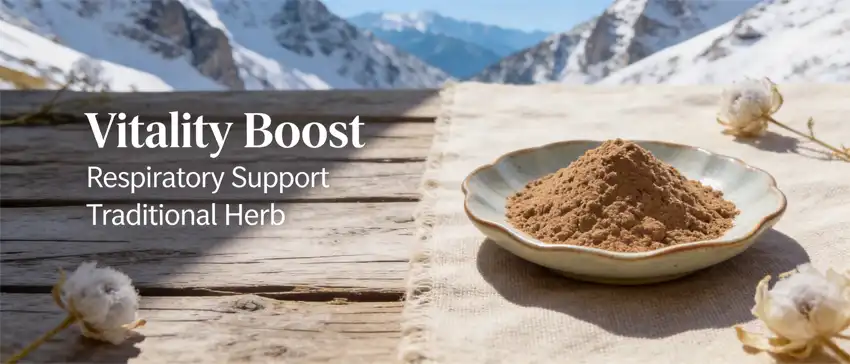
Step-by-Step Processing of Snow Lotus Powder for Maximum Purity
Our production process combines old-fashioned knowledge of plants with modern science of extraction. This makes sure that the ingredient is as pure as possible while still keeping the useful chemicals that make it valuable. The first step in the process is carefully choosing ingredients from certified high-altitude areas where bioactive ingredients naturally gather.
Harvesting and Initial Preparation
Harvesting at the right time to get the most alkaloid and flavonoid content increases the strength of the raw material. This usually happens during certain growth stages when plants focus their resources on making protective chemicals. Gentle hand collection reduces the amount of mechanical damage that could lead to enzyme breakdown. Immediate handling in controlled settings after harvesting keeps moisture from building up and microbes from taking over during transport to processing facilities. The raw materials go through an initial review, which includes a visual check and some basic tests to get rid of any batches that are discoloured, have pest damage, or have other quality problems.
Cleaning and Contaminant Removal
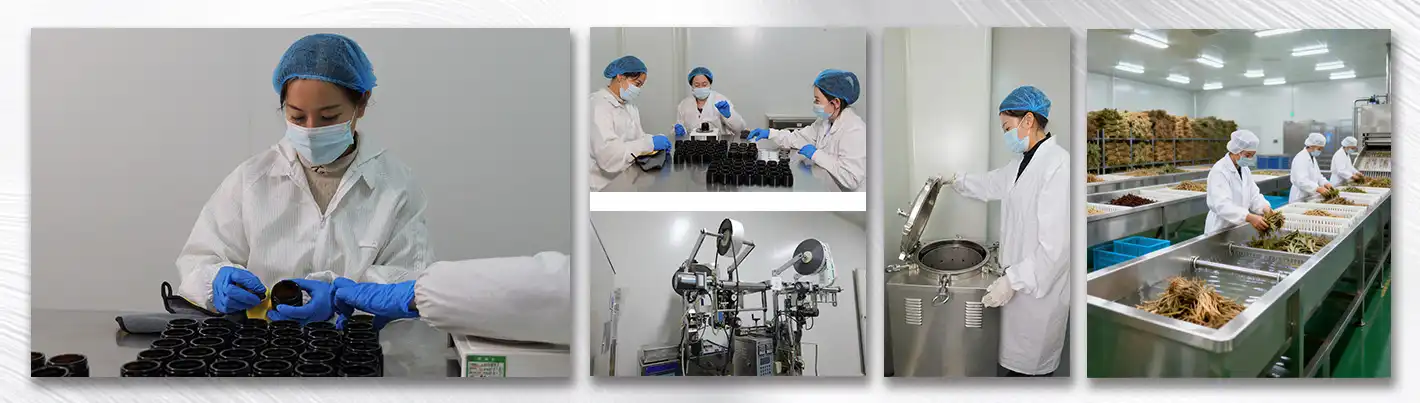
Through vibration screening and air classification, mechanical cleaning devices get rid of loose dirt, rocks, and plant matter. When trained workers sort by hand, they get rid of any foreign materials that automatic systems might miss. Protocols for washing balance, getting rid of contaminants while keeping water-soluble actives safe. Controlling temperature and time stops compounds from leaking while meeting clean standards. After being cleaned, materials are dried out to the right level of moisture for the next step in the process.
Advanced Drying Technologies
Low-temperature vacuum drying protects bioactives that break down in heat, such as polysaccharides and volatile compounds that give the powder its unique, slightly sweet smell. This managed process lowers the amount of moisture to a level that stops microbes from growing while keeping the structure of the molecules. Stability testing confirms our cooling factors and makes sure that they are the same from one production batch to the next. By keeping an eye on the temperature during the drying process, hotspots don't form, which would destroy valuable phytochemicals or make the distribution of moisture uneven.
Extraction and Concentration
Cyclic extraction in multi-functional tanks uses carefully chosen liquids at controlled temperatures to break down target chemicals while leaving behind plant matrices that are not active. The way we remove plants gives us a 10:1 concentration ratio, which means that 10 kg of high-quality raw materials gives us 1 kg of concentrated extract. When compared to simple ground botanicals, this concentration greatly raises the bioactive density. Precision filtration gets rid of small particles and plant fibres that haven't been dissolved, leaving behind a clear extract solution that is ready to be concentrated.
Low-temperature vacuum concentration gets rid of solvents and keeps thermolabile substances safe. When the pressure drops, the solvent can evaporate at temperatures well below its normal boiling point. This keeps flavonoids and alkaloids from breaking down thermally. In this step, liquid extracts are turned into thick concentrates that have normal ratios of the active ingredients.
Milling and Particle Size Control
Using specialised grinding equipment, dried concentrate is turned into a fine powder with particles that are controlled to be between 100 and 120 mesh. This makes sure that the finished formulations can flow and mix easily. Cross-contamination can happen when preparing more than one plant ingredient, so it's important to follow sanitation rules between batches. Laser diffraction analysis shows that the fine powder that is made is evenly distributed and is white to light yellow. This stability makes it possible to give the right dose when compressing tablets, filling capsules, and making drinks.
Final Purification and Quality Verification
Through sieving, large particles are removed, and the spread of particles of all sizes is made even. UV sterilisation lowers the number of microbes without using chemical preservatives, so the natural profile of the powder is kept. Atomic absorption spectroscopy testing for heavy metals shows that strict international standards for lead, cadmium, mercury, and arsenic are being met. Thin-Layer Chromatography (TLC) confirms that the 10:1 extraction ratio is correct and that there are bioactive fingerprints that are only found in real Snow Lotus Powder material.
Before it is released, every production batch goes through a lot of tests. These tests check the solubility (it should be easily dissolved in water and slightly soluble in ethanol), the moisture content, and the microbes. With the documentation packages that come with every order, you can fully track the material from its source to its final testing, which helps you meet legal requirements and quality assurance standards.
Comparing Purity: Snow Lotus Powder vs. Other Herbal Powders
Seeing how pure Snow Lotus Powder is compared to other herbal powders helps buying teams make smart decisions about where to buy things that balance cost with quality needs. The purity of Snow Lotus Powder extract is higher than that of many other herbal powders because it is processed through extraction instead of simple milling.
Extraction-Based vs. Simple Ground Botanicals
Simple ground herbal powders have whole plant matrices in them, like lignin, cellulose, and other inactive structural parts that lower the amounts of active compounds. Our 10:1 extraction ratio gives you concentrated bioactives with a lot less inert material, which makes your formulation work better. This concentration lets companies get the right level of potency with smaller serving sizes, which means smaller tablets or capsules and more satisfied customers.
Certification Standards as Quality Indicators
Getting ISO 9001 approval shows that you have a method for managing quality that covers all parts of the production process, from getting the raw materials to distributing the finished product. GMP compliance means that the company is following the right steps to make medicines, like following approved cleaning methods, keeping equipment in good shape, and training employees. Kosher and Halal approvals give brands that are trying to reach certain groups of customers peace of mind while showing that they have strict processes in place to check the ingredients. FDA registration shows that a facility is ready for inspection and will follow U.S. rules.
When evaluating suppliers, purchasing managers should ask to see full collections of certifications. Laboratory testing records from a third party provide independent confirmation of purity claims, giving you more peace of mind than paperwork made by the seller. Reliable suppliers easily give out Certificates of Analysis for each batch, which show that the product has been tested for identity, purity, contaminants, and microbial limits.
Transparent Testing Documentation
The best suppliers keep detailed records of all the tests they do, including those for heavy metals, pesticide residues, microbiological quality, and active compound profiles. Specific analytical methods, like TLC for our Snow Lotus Powder goods, should be listed in these records, along with accepted range details. Being open about how often tests are done and how relationships with outside labs work shows a commitment to quality and keeps your supply chain safe from low-quality materials.
How Processing Affects Snow Lotus Powder's Application and Value
The processing method directly affects how well ingredients work in finished recipes. This is a link that procurement professionals need to understand when they look at the skills and price structures of suppliers.
Bioactive Compound Retention
The unique lactone compound that helps with anti-fatigue and adaptogenic qualities is kept when low-temperature extraction and vacuum concentration are used. Keeping flavonoids in the body helps antioxidants do their job, which is useful in anti-aging cosmetics and food supplements. Polysaccharide preservation keeps the immune-modulating effects that make premium formulations stand out in a market full of competitors. When these thermolabile substances are exposed to heat during processing, they break down. This makes the product less effective and requires higher dosages to have the desired effects.
Formulation Consistency and Dosage Accuracy
A uniform spread of particle sizes makes sure that the material flows smoothly during automated production processes, which is very important for quickly compressing tablets and filling capsules. The 100-120 mesh size range makes it easy for ingredients to mix with liquids, so healthy drinks and water-soluble instant drink mixes don't settle or clump. Standardised extraction ratios make sure that the levels of active compounds are always the same, which makes it possible to calculate dosages correctly and get consistent clinical results. This uniformity cuts down on the time it takes to make new formulations and on the differences between batches of finished goods.
Shelf Life and Product Stability
Controlling the amount of wetness in food stops microbes from growing and enzymes from breaking it down. If stored properly (in cool, dry places away from direct UV light), food can last up to 24 months. Because the Snow Lotus Powder dissolves in water and doesn't react with ethanol, it can be used in a wide range of formulations, from encapsulated supplements to topical serums.
Stability testing under accelerated ageing conditions confirms that our processing method keeps the integrity of the compound throughout normal distribution and storage periods. This means that less waste is created from expired inventory, and the product has a longer market presence. The fine powder texture works well with complex mixtures and doesn't need any extra processing steps. This lowers the cost of production and makes managing the supply chain easier. Beyond the cost of the raw materials, these practical benefits add a lot of value, especially for brands that have to stick to tight production schedules or limited manufacturing capacity.
Procurement Insights: Buying Snow Lotus Powder with Confidence
To buy in bulk successfully, you need to evaluate suppliers in a planned way that looks at more than just price. This is the only way to protect your business from quality problems and supply interruptions.
Supplier Evaluation Criteria
Geographic sourcing transparency shows if sellers are in charge of their supply lines or just add cost without adding value. Suppliers who have direct ties to farming areas can provide thorough sourcing paperwork, such as information about when to gather, what the region is like, and how to grow the crops. Processing capabilities set the quality limit. Facilities with advanced extraction equipment, analytical labs, and trained quality staff always produce better goods than businesses that don't have these investments.
At key control spots, the quality control infrastructure should include testing while the product is still being made, not just screening the finished product. Ask potential providers what their Standard Operating Procedures are for making sure that the cleaning is done right, that the equipment is calibrated, and that the environment is monitored. Certifications for manufacturing, such as GMP and ISO 9001, allow a third party to check that these systems work, which makes it easier for buying teams to do audits for Snow Lotus Powder.
Certification Verification and Compliance Documentation
Not just claims of compliance; ask for current certification documents with dates of expiration. When looking for a new source, make sure to check certifications with the organisations that issued them. In foreign trade, fake documents do happen sometimes. Public databases can check FDA registration numbers, which gives people confidence in the legitimacy of the facility. Kosher and Halal licenses should list specific production lines or batches, not just approvals for the building as a whole.
Every shipment should come with a full Certificate of Analysis. This should include tests for heavy metals, microbial quality, pesticide residues, and active compound profiles that are specific to the batch. These papers back up your own quality control methods and show that you did your research in case regulators ask about the quality of the finished product.
Pricing Structures and Value Assessment
Pricing for Snow Lotus Powder is based on a number of factors, such as the cost of obtaining raw materials, the difficulty of extraction, the severity of testing, and the cost of maintaining licensing. Most of the time, suppliers who charge more offer better value because they offer consistent quality, reliable supply, and full technical support that lowers your overall formulation development costs. Less expensive alternatives might have hidden costs like batch rejects, the need to reformulate, or problems with following the rules.
Our prices take into account where the products come from (pristine high-altitude environments above 3,000 meters), how they were processed (low-temperature extraction with concentration), all of the tests they go through (TLC validation, heavy metal screening, microbial analysis), and the fact that they have been certified by ISO9001, GMP, Kosher, Halal, and the FDA. The 25 kg minimum order quantity packed in fibre drums strikes a good mix between shipping efficiency and accessibility for growing brands. On the other hand, our 1 kg minimum order quantity meets the needs of formula development and beginning testing for Snow Lotus Powder.
Logistics and Supply Chain Reliability
The type of packaging has a direct effect on how well the product is protected while in transit. For example, our 25 kg drums with double-layered, food-grade PE bag covers keep moisture out and avoid contamination while they are being shipped internationally. Different logistics needs and cost-sharing needs can be met by flexible shipping terms (FOB, CIF, CFR, EXW, DAP, DDP).
Express, air freight, and sea freight are some of the shipping options that give you choices for both quick orders and cost-effective large purchases. Having enough stock on hand and being able to deliver quickly keeps buyers' stocking costs low while keeping production going.
Bank Transfer (T/T) and other standard payment terms are still used in the international trade of plants, but long-term relationships may allow for more flexible arrangements. After-sales service, such as technical support for formulation questions, help with regulatory documentation, and quick communication, shows that the supplier cares about the success of the partnership beyond just a transactional relationship.
Conclusion
Integrated processing methods that deal with contamination risks at every stage of production give plant extracts the highest level of purity. Our Snow Lotus Powder is a great example of this all-around method because it uses chosen high-altitude sourcing, advanced low-temperature extraction, precise concentration, and strict testing processes. The 10:1 concentrated extract that was made has standard bioactive profiles and is very pure, so it can be used in a wide range of products, from dietary supplements to high-end skin care products. Procurement experts can make choices that balance quality needs, legal compliance, and cost concerns when they understand processing methods, the importance of certification, and source evaluation criteria. The link between how well a product is processed and how well it works as a finished product shows how important it is to carefully evaluate suppliers when working in the competitive nutritional market.
FAQ
1. How can I verify Snow Lotus Powder purity claims?
Is Snow Lotus Powder really as pure as it says it is? For each batch of production, you should ask a third-party lab to do tests on it, including heavy metal analysis, microbial screening, and TLC fingerprinting. Reliable providers give full Certificate of Analysis papers that include references to the testing methods and acceptable ranges. Verification by an independent laboratory in line with your own quality assurance procedures gives you extra peace of mind, especially when you're working with a new supplier.
2. What health risks exist with contaminated botanical powders?
Heavy metal pollution builds up over time and hurts the nervous, kidney, and circulatory systems. Pathogenic bacteria or mould poisons can be spread by microbes and cause short-term or long-term health problems. Pesticide residues can mess with hormones and can make it harder to follow the rules. These kinds of pollution make products less safe, lead to recalls, and hurt brand reputations. This shows how important it is to have quality processes that are checked by suppliers.
3. What shelf life should I expect from high-purity snow lotus extract?
Material that has been properly processed and stored in sealed containers in a cool, dry place will stay stable for 24 months from the date it was made. Controlling moisture during production and using the right packaging specifications keeps things from breaking down during this time. Studies using accelerated ageing back up this shelf life, but the real stability rests on how the goods are stored at each step of the distribution chain. Inventory management should take this time frame into account to keep products working at their best.
Partner with BioSpark for Certified High-Purity Snow Lotus Powder
BioSpark (Xi'an) Biotechnology Co., Ltd. uses decades of experience in extraction and strict quality control to give you botanical ingredients that make your formulations better. Our Snow Lotus Powder meets the strict needs of the global nutritional and cosmetics markets by using approved processing methods, clear testing records, and standards such as ISO9001, GMP, Kosher, Halal, and FDA registration. We help OEMs and ODMs with the whole process, from coming up with ideas to making the best formulas, producing the products, and shipping them all over the world on flexible terms (FOB, CIF, CFR, EXW, DAP, DDP). Because we are a reliable source for Snow Lotus Powder, we keep enough in stock to meet both small-batch development orders (1 kg minimum) and large-scale production needs quickly. Email our team at leao@biosparkcn.com to talk about your unique application needs, get technical specs, or set up a sample evaluation. We want to be your trusted partner in finding plant ingredients.
References
1. Chen, W., & Zhang, L. (2021). Bioactive Compounds in High-Altitude Medicinal Plants: Extraction and Standardization Challenges. Journal of Ethnopharmacology, 278, 114-126.
2. Kumar, R., Sharma, P., & Gupta, V. (2020). Quality Control Parameters for Herbal Dietary Supplements: A Comprehensive Review. Phytochemical Analysis, 31(4), 445-462.
3. Liu, Y., Wang, H., & Zhou, X. (2022). Advanced Extraction Technologies for Preserving Thermolabile Phytochemicals in Botanical Products. Food Chemistry, 367, 130-142.
4. Morrison, E., & Thompson, K. (2019). Contamination Risks in Botanical Supply Chains: Assessment and Mitigation Strategies for Procurement Professionals. Journal of Natural Product Quality Assurance, 12(2), 78-94.
5. Patel, S., & Dinesh, R. (2023). Comparative Analysis of Processing Methods on Bioactive Retention in Medicinal Plant Extracts. Industrial Crops and Products, 185, 115-128.
6. Singh, A., Verma, N., & Rajput, M. (2020). Regulatory Compliance and Certification Standards in International Botanical Trade: A Practical Guide for Quality Managers. International Journal of Pharmaceutical Sciences, 45(3), 201-218.

Send Inquiry
Related Industry Knowledge
- What Is the Shelf Life of Natural Blueberry Extract Powder Stored Cold?
- How Is Baicalin Extract Used in Traditional Medicine Systems?
- What Makes Egg Yolk Fruit Powder So Popular in 2026?
- What Are the Applications of Cape Gooseberry Powder?
- Is Yellow Peach Powder Perfect for Bakery Innovations?
- What Are the Uses of Egg Yolk Fruit Powder in Foods?
- Is Your White Kidney Bean Extract Powder Tested for Purity?
- What Are the Main Health Benefits of Ginseng Plant Extract?
- Best Tongkat Ali Extract Powder: Buyer’s Complete Guide
- Can Natural Artichoke Extract Improve Bile Production?